

B3060 on 2007-2014 Cadillac Escalade: Security System Faults, Causes, and Fixes
B3060 on a 2007-2014 Escalade means the vehicle's security system doesn't recognize the ignition key. This typically causes a no-start or start-and-stall condition with the security light on. The most common fixes are trying a spare key, checking for radio frequency interference from other devices on your keychain, or replacing a faulty ignition key.
- B3060 means your Escalade's security system has locked you out due to a key recognition issue.
- Before spending any money, try starting the car with ONLY the Escalade key (no other fobs or cards on the ring) to rule out RFI.
- Your next step should be to try a spare key. If it works, the first key is bad.
- A 30-minute key relearn procedure can sometimes solve the problem without new parts, but only if the security light turns off during each 10-minute cycle.
- If these steps fail, the issue is likely the ignition lock cylinder (exciter ring) or, more rarely, the BCM, requiring professional service.
What's Unique About the 2007-2014 Cadillac ESCALADE
The third-generation (GMT900) Escalade uses GM's Pass-Key III+ immobilizer system. While effective, it can be sensitive. A key issue, highlighted in GM Technical Service Bulletin PIC5650M, is intermittent failure due to Radio Frequency Interference (RFI). Everyday items like other car fobs, gate access cards, or even some phone chargers on the keychain can disrupt the signal between the key and the vehicle, triggering a B3060 code 🎬 Watch: A quick explanation of the B3060 fault code. and a no-start condition. This issue is common across the entire GMT900 platform, affecting a wide range of GM trucks and SUVs.
Diagnostic Flowchart
Tap your situation to follow the diagnostic path that matches what you're seeing on this vehicle.
Symptoms You May Notice
- Engine will not crank (no-crank).
- Engine starts and immediately stalls (typically within 2 seconds).
- Security light is illuminated or flashing on the dashboard.
- "Service Theft Deterrent System" message on the Driver Information Center (DIC).
- A single click from the starter with no crank.
- Fuel gauge may read empty or not respond when the fault is active.
- Replacing the battery or starter motor without checking for security codes first. A no-crank condition caused by the security system will not be fixed by replacing these parts. Owners often mistakenly blame the starter when the security system is the true cause.
Most Likely Causes
- Radio Frequency Interference (RFI) 🔴 High Probability As documented in TSB PIC5650B/C/M, the Pass-Key III+ system is susceptible to interference from other electronic devices, such as other key fobs, access cards, or even aftermarket chargers. The vehicle's owner's manual contains a Radio Frequency Statement warning about this potential interference.
How to confirm: Remove all other keys, fobs, access cards, and electronic devices from the keychain with the Escalade key. Try starting the vehicle with the key isolated. If it starts, RFI was the cause.
Typical fix: Keep the Escalade key on its own ring or away from other electronic devices. Advise the customer of the sensitivity to RFI.
Est. part cost: $0 - Defective Ignition Key Transponder 🟡 Medium Probability The electronic chip (PK3+) embedded in the key head can fail from being dropped, age, or internal damage. These keys are identifiable by the 'PK3' or '+' stamp at the base of the key blade.
How to confirm: Try starting the vehicle with a known-good spare key. If the spare key works consistently, the original key is faulty.
Typical fix: Replace the defective key and perform the key relearn procedure. This may require a locksmith or dealer, though a 30-minute DIY relearn is often possible.
Est. part cost: $50-$150 - Faulty Ignition Lock Cylinder or Exciter Ring ⚪ Low Probability The exciter ring is an antenna around the ignition lock that energizes and reads the key's transponder. Wiring to this component can fray, or the ring itself can fail, preventing the key from being read. The part is often sold as an assembly with the lock cylinder.
How to confirm: This requires testing the wiring between the lock cylinder and the Theft Deterrent Module/BCM for continuity and resistance. A scan tool may show no key data being received. A visual inspection may reveal damaged wires in the steering column.
Typical fix: Replacement of the ignition lock cylinder assembly. The ACDelco D1462G is a common part number for this assembly.
Est. part cost: $100-$250
Rare But Worth Checking
- Failing Body Control Module (BCM): While less common, the BCM is the brain of the security system. If it fails internally, it may lose its ability to recognize valid keys. This is usually a last resort after all other causes are ruled out. Symptoms often include multiple, unrelated electrical issues like malfunctioning lights, windows, and radio. Water intrusion from clogged sunroof drains or a leaking windshield cowl is a known cause of BCM failure on GMT900 platforms, as the BCM is located in the driver's side lower dash.
- Damaged Wiring Harness or Poor Grounds: In some cases, the wiring harness connecting the ignition lock cylinder to the BCM can become damaged or corroded, causing an intermittent connection. More commonly, poor ground connections for the BCM can cause a host of electrical issues, including security system faults. The primary BCM ground on GMT900 vehicles is G201, located under the dash to the right of the steering column. A loose or corroded G201 is a known cause of intermittent electrical problems.
Diagnosis Steps
- Scan the vehicle for all DTCs, paying close attention to any codes from the Body Control Module (BCM) or Theft Deterrent Module (TDM).
- Note the presence of B3060 and any related codes like B3055 or B3935.
- Crucial First Step: Remove all other fobs, cards, and electronics from the Escalade's keychain. Attempt to start the vehicle with the key completely isolated to rule out Radio Frequency Interference (RFI).
- If the vehicle still doesn't start, try a known-good spare key. If a spare key works, the original key is defective and needs replacement and programming.
- If no keys work, perform the '30-Minute Key Relearn Procedure'. Turn the key to the 'ON' position (do not start). The security light will be on. Wait approximately 10-11 minutes for the security light to turn off. Turn the key off for 10 seconds. Repeat this process two more times (for a total of 3 cycles / ~30 minutes). On the fourth attempt, the vehicle should start. This can resynchronize a key or learn a new one.
- Note on Relearn: If the security light does not turn off after 10-12 minutes during the relearn procedure, this indicates a deeper hardware problem (e.g., faulty exciter ring, wiring, or BCM) and the relearn will fail.
- If the relearn procedure fails, inspect the wiring and connector at the ignition lock cylinder for damage, looseness, or corrosion.
- Check the BCM ground connection at G201, located under the driver's dash to the right of the steering column, for tightness and corrosion.
- If wiring is intact and keys are not the issue, the ignition lock cylinder/exciter ring is the next most likely culprit. Professional diagnosis with a scan tool to monitor key data from the BCM is recommended.
- If all the above steps fail, the Body Control Module (BCM) itself may be at fault, which requires professional diagnosis and programming for replacement.
Parts You'll Likely Need
- Transponder Ignition Key — The chip inside the key is a common point of failure, leading to the B3060 code. It is identifiable by the 'PK3' or '+' stamp.
Trusted brands: ACDelco, Strattec
OEM price range: $70-$120
Aftermarket price range: $40-$80 - Ignition Lock Cylinder with Passkey Sensor
(OEM #ACDelco D1462G)— If the antenna (exciter ring) that reads the key fails, it must be replaced. It is often integrated with the lock cylinder in a single housing.
Trusted brands: ACDelco (GM Genuine Parts), Dorman, Standard Motor Products
OEM price range: $150-$250
Aftermarket price range: $80-$150
Related Codes That Often Appear With This One
- B3055 — Relates to a problem with the key transponder itself (No Transponder Modulation or No Transponder). Often set alongside B3060 when the key is the root cause.
- B3935 — Indicates a transponder incorrect status, also related to the security system's communication with the key.
Technical Service Bulletins (TSBs) & Recalls
- PIC5650M: Provides information on intermittent no-crank/no-start conditions with the security light on, listing B3060 as a potential DTC.
- PIC5650B/C: Superseding bulletins that further detail the cause as Radio Frequency Interference (RFI) from devices on the keychain or in the vehicle, and advise against replacing parts before checking for RFI. This TSB applies to a very wide range of GM vehicles from 2007-2015, including the Escalade.
- PIE0232: An engineering information bulletin specifically requesting data on low-mileage 2013 Silverado/Sierra and Tahoe/Yukon vehicles with DTCs B3055, B3060, or B3935 to root-cause the issue, highlighting its prevalence on the GMT900 platform.
Platform-Specific Known Issues
- A known issue documented in TSB PIC5650M is an intermittent no-crank or start-stall condition with the security light on, specifically citing DTC B3060 as a possible code. The cause is often RFI from aftermarket devices or other fobs on the keychain.
- Owners frequently misdiagnose this security fault as a bad starter, battery, or alternator, leading to unnecessary parts replacement. The key symptom distinguishing it is the illuminated security light and the characteristic start-and-stall or no-crank behavior.
Scan Tool Commands That Help
- Tech2/GDS2: Vehicle Key Relearn — Used after replacing a key or the BCM to program the new component to the vehicle's immobilizer system. This function is required to make the new parts operational.
- Tech2/GDS2: BCM Data Display -> Key Part Number — To verify if the BCM is successfully reading the transponder chip in each key. When a key is turned to ON, the scan tool should display a valid part number. If it doesn't, it points to a bad key or a faulty exciter ring.
- Tech2/GDS2: SDM Primary Key Reset — After replacing the BCM, a handshake procedure between the new BCM and the existing Sensing and Diagnostic Module (SDM, or airbag module) is required. Until this is performed, the airbag light will be on and the system will be inoperative.
Wiring & Ground Locations
- BCM (Body Control Module) — Located behind the driver-side lower dashboard panel, to the left of the steering column and above the interior fuse block.. The BCM is the central module for the Pass-Key III+ security system. It reads the key data, validates it, and sends the fuel enable/disable password to the ECM. All related wiring terminates here.
- G201 — A primary instrument panel ground located under the dash, to the right of the steering column.. This is a critical ground point for many interior modules, including the BCM. A loose or corroded G201 can cause intermittent and difficult-to-diagnose electrical issues, including security system faults that trigger B3060.
- G103 / G104 — G103 is on the cowl at the left rear of the engine compartment. G104 is on the rear of the left cylinder head.. These grounds are also tied into the BCM and other critical modules. While less likely to be the primary cause than G201 for an interior-only fault, poor engine and chassis grounds can introduce electrical noise and voltage drops that affect sensitive modules.
- BCM Connectors (JST HIT Series) — The multi-pin connectors plugging into the BCM. They are typically different colors (blue, gray, pink, brown, etc.).. The wires from the ignition lock cylinder's exciter ring terminate at these connectors. Advanced diagnosis requires checking for continuity and voltage at the specific pins on these connectors. Knowing the connector type (JST HIT) helps in using the correct terminal tools for diagnosis without damaging the connector.
Real Owner Repair Stories
- YouTube Channel 'Car Operation Center' (2018 Chevrolet Silverado (similar GMT platform architecture)) — Vehicle would not start (no crank) and displayed a security notification. Scan tool revealed DTC B3060 in the BCM.
❌ Tried (didn't work) The original key was determined to be 'corrupt' or unprogrammed, and would not start the vehicle.
✅ What actually fixed it An 'all keys lost' procedure was performed using a professional key programmer. A new key was programmed to the vehicle's BCM. The video demonstrates that after programming, the new key would start the vehicle, while the old 'corrupt' key still would not, confirming the fix was successful key programming.
OEM Part Supersession History
e.g., 25934763 (example BCM part number for a 2010 Escalade)→Varies by specific original part number and year.— GM often updates modules to fix hardware flaws or improve performance.
Heads up: It is critical to match the BCM part number when ordering a replacement. While some numbers are interchangeable, many are not. Using an incompatible BCM can result in features not working or the vehicle not starting at all. A cloning service or dealer programming is required to transfer vehicle-specific data (VIN, key info, options) to the replacement module.
Helpful Videos

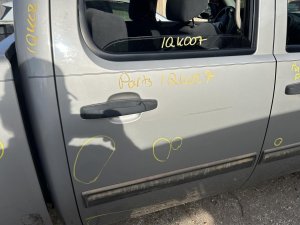
Used OEM Parts in Stock



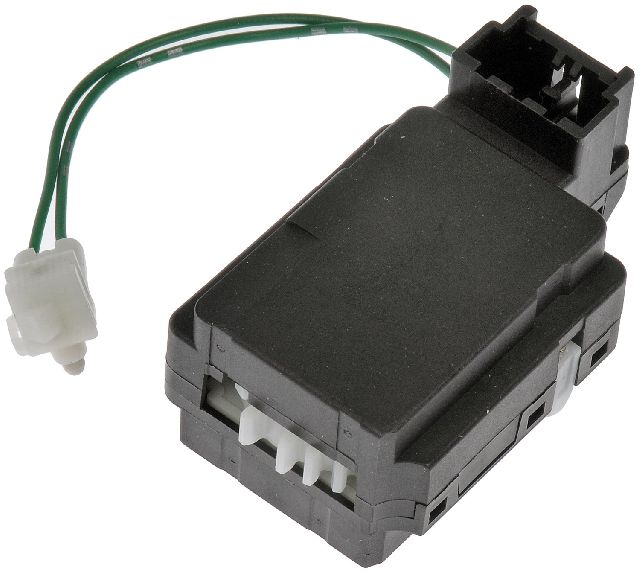
New Aftermarket Parts Available


The information in this article is provided for general reference and educational purposes only. Vehicle specifications, procedures, and part compatibility can vary by production date, trim level, and region. Always consult your vehicle's factory service manual and verify part numbers before purchasing or performing repairs. Safety-critical components such as airbags, seat belts, and braking systems should be installed by a qualified professional.
- Cadillac ESCALADE:
- 🎬 Helpful Videos
- 🛍️ Shop This Part
- What's Unique About the 2007-2014 Cadillac ESCALADE
- Diagnostic Flowchart
- Symptoms You May Notice
- Most Likely Causes
- Rare But Worth Checking
- Diagnosis Steps
- Parts You'll Likely Need
- Related Codes That Often Appear With This One
- Technical Service Bulletins (TSBs) & Recalls
- Platform-Specific Known Issues
- Scan Tool Commands That Help
- Wiring & Ground Locations
- Real Owner Repair Stories
- OEM Part Supersession History
- 🎟️ Get 5% Off