

B3060 on 2015-2019 Cadillac CTS: Unprogrammed Key and No-Start Fixes
This code means your Cadillac's security system doesn't recognize the key, causing a no-start or stall. The most common fix is to try a spare key or have a new key programmed by a dealer or locksmith. External RFID interference is also a known cause. Before paying for a tow, try placing the fob in the center console transmitter pocket.
- B3060 means your car's security system has locked out the engine because it doesn't recognize the key.
- Before spending any money, try your spare key and remove all other electronic fobs and cards from your keychain to rule out simple fixes.
- If the fob is unresponsive, try starting the car by placing it in the special transmitter pocket located under the mat in your center console.
- A weak car battery is a common cause of various electronic glitches, including this one; check its health.
- Resolving this code almost always requires a trip to a dealer or a qualified locksmith with GM-specific programming tools.
- Do not immediately assume a major component like the BCM or ECM has failed.
What's Unique About the 2015-2019 Cadillac CTS
The third-generation Cadillac CTS, like many modern GM vehicles on the Alpha platform, has a sensitive immobilizer system. A key issue, highlighted in GM Technical Service Bulletins, is the system's susceptibility to Radio Frequency Interference (RFI). Everyday items on a keychain, like building access cards or other vehicle fobs, can disrupt the signal between the key and the car, triggering code B3060 and causing an intermittent no-start that can be difficult for technicians to replicate.
Diagnostic Flowchart
Tap your situation to follow the diagnostic path that matches what you're seeing on this vehicle.
Symptoms You May Notice
- Engine will not crank or start
- Engine starts and immediately stalls
- Security indicator light is illuminated or flashing on the dashboard
- "No Fob Detected" message on the driver information center (for passive entry/start models)
- Intermittent no-start condition that is hard to reproduce.
- Electronic door locks may not function, requiring use of the manual key.
- Replacing the starter motor when the no-crank is caused by the security system. 🎬 Watch: Troubleshooting a Cadillac CTS that clicks but won't start
- Replacing the ECM without confirming it's the source of the fault.
Most Likely Causes
- Radio Frequency Interference (RFI) 🔴 High Probability As documented in TSB PIC5650M, the immobilizer system is sensitive to external RFID signals from devices like other key fobs, access cards, or toll passes on the same keychain. The immobilizer system operates at 125 kHz, and nearby devices in the 120-135 kHz range can cause interference.
How to confirm: Remove all other fobs, cards, and electronic devices from the keychain with the Cadillac key. Try starting the vehicle with the isolated key. If it starts consistently, RFI was the cause.
Typical fix: Keep the vehicle key separate from other RFID-emitting devices.
Est. part cost: $0 - Faulty or Unprogrammed Key 🟡 Medium Probability Key transponder chips can fail over time, or a newly cut key may not have been programmed correctly. The internal battery of the fob can also die, though a backup starting method exists.
How to confirm: Try starting the vehicle with a known-good spare key. If the spare key works without issue, the original key is faulty. You can also try starting with the potentially faulty key in the transmitter pocket.
Typical fix: The faulty key needs to be replaced and programmed to the vehicle using specialized equipment. 🎬 See how a professional locksmith programs GM proximity keys
Est. part cost: $150-$400 - Weak Vehicle Battery 🟡 Medium Probability Low battery voltage can cause various electronic modules, including the Theft Deterrent Module, to malfunction and set false codes. Owners of platform-mate vehicles have reported that attempting to start the car with a low battery can trigger the immobilizer system, which then prevents starting even after the battery is jumped.
How to confirm: Test the vehicle's main 12V battery with a multimeter or battery tester. A reading below 12.4V at rest indicates a weak or discharged battery. The system requires battery voltage to be greater than 9 volts to operate correctly. Symptoms can include slow cranking, dimming lights, and sporadic electronic issues.
Typical fix: Charge or replace the vehicle's battery.
Est. part cost: $150-$300 - Faulty Immobilizer Antenna/Exciter Coil ⚪ Low Probability This component, located around the ignition switch or start button, energizes the key transponder. It can fail, but this is less common than key or interference issues.
How to confirm: This requires a diagnostic scan tool to monitor data from the Theft Deterrent Module and testing the coil's circuit for continuity and resistance with a multimeter.
Typical fix: Replace the immobilizer antenna.
Est. part cost: $50-$150
Rare But Worth Checking
- Faulty Body Control Module (BCM) or Theft Deterrent Module (TDM): While rare, the module responsible for the security system can fail internally. This is usually the last item to suspect after all other causes have been ruled out. A GM service bulletin warns that the BCM can be damaged if a ground path is removed while the module is powered.
- Damaged BCM/Immobilizer Wiring: Wiring to the BCM or immobilizer antenna can become damaged or disconnected. There are owner reports of immobilizer issues appearing immediately after a vehicle has been serviced for other repairs, suggesting wiring may have been disturbed.
Diagnosis Steps
- Check for other related DTCs (e.g., B3055, B3935) to get more context.
- If you have a second key, try to start the vehicle with it. If it works, the first key is the problem.
- Remove all other keys, fobs, and RFID cards from the keychain. Attempt to start the vehicle with the isolated Cadillac key to rule out RFI.
- Test the vehicle's 12V battery to ensure it is fully charged and in good health. A voltage below 12.4V can cause electronic issues, and the immobilizer system requires over 9V to function.
- If the key fob battery is dead or a 'No Fob Detected' message appears, place the fob in the designated transmitter pocket. For the 2015-2019 CTS, this pocket is located in the front of the center console storage area, underneath a removable rubber mat. Place the fob in the indentation with the buttons facing up, then press the start button.
- If the problem persists, use a professional scan tool to view the live data from the Theft Deterrent Module (TDM) or Body Control Module (BCM) to see if it is recognizing a key press and what value it is reading from the transponder. The 'Valid Key' parameter should read 'Yes' for a programmed key.
- Inspect the wiring and connectors for the immobilizer antenna around the ignition switch or push-button start, and check for any damage to the BCM wiring harness, especially if work was recently performed on the vehicle.
- If all other components are verified to be working, the BCM or TDM may need to be diagnosed by a professional. Note that GM issued a bulletin (07-08-47-004D) warning technicians to always disconnect the negative battery cable before removing any BCM ground to prevent module damage.
Parts You'll Likely Need
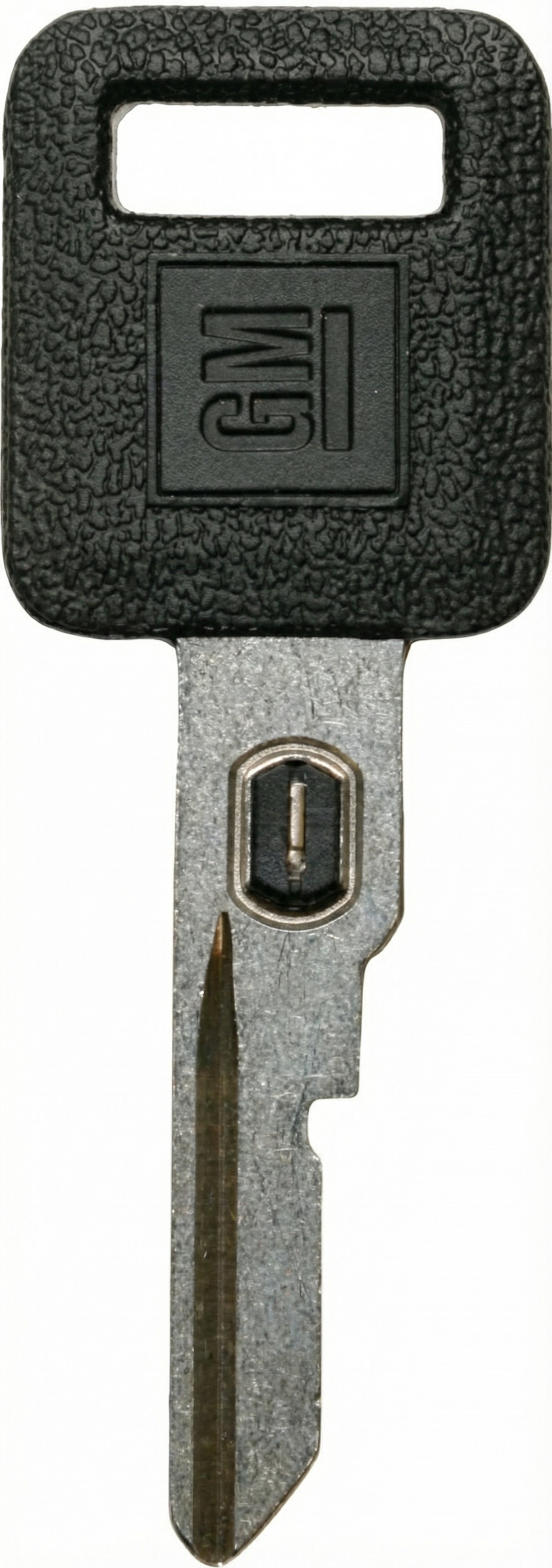
- Key Fob / Transponder Key
(OEM #13544034)— The most common failure point is the transponder chip within the key itself or a key that has lost its programming.
Trusted brands: ACDelco, GM Genuine Parts
OEM price range: $150-$400
Aftermarket price range: $70-$200
Related Codes That Often Appear With This One
- B3055 — This code relates to a problem with the key transponder itself. It often appears with B3060 as the system may first detect a key problem (B3055) before determining it's an unprogrammed key (B3060).
- B3935 — This code indicates a transponder authentication error, which is part of the same security handshake process that can trigger B3060.
Technical Service Bulletins (TSBs) & Recalls
- PIC5650M: Addresses intermittent no crank, no start, or start/stall with security light on, potentially caused by DTCs B3055, B3060, and B3935 due to RFI.
Platform-Specific Known Issues
- A known issue documented in TSB PIC5650M is that intermittent no-start conditions related to this code are often caused by Radio Frequency Interference from other devices on the keychain.
- Owners must know the location of the transmitter pocket (in the center console, under the mat) to be able to start the car if the key fob battery dies, which can prevent an unnecessary tow.
Mechanic-Grade Diagnostic Values
- Immobilizer System Operating Frequency — expected: 125 kHz. Failure: Interference from other devices operating in the 120-135 kHz range can disrupt communication and set DTCs B3055, B3060, or B3935.
- Scan Tool 'Valid Key' Parameter — expected: Yes. Failure: If the parameter does not read 'Yes' when a key is used, that key is faulty or not programmed.
- Minimum System Operating Voltage — expected: Greater than 9.0 Volts. Failure: If battery voltage drops below 9.0V, the theft deterrent module may not operate correctly, potentially setting false codes.
Hidden / Shadow Codes Worth Checking
- B3060 00: The '00' is a symptom byte that specifies the fault as 'Unprogrammed Transponder Identification Code Received'. This is the most common variant for this DTC. (see via A professional GM-compatible scan tool like GDS2 or high-end aftermarket scanners will display the code with its symptom byte.)
Scan Tool Commands That Help
- GDS2 (GM Global Diagnostic System 2): Module Diagnostics -> Remote Control Door Lock Receiver -> Configure/Reset Functions -> Add or Replace Key Fobs — This function is used to program new or additional key fobs to the vehicle after confirming the hardware (key, BCM, antenna) is functional.
- GDS2 (or other professional scan tool): Immobilizer Data Display -> Valid Key — Use this to verify if the BCM/TDM is recognizing any of the vehicle's existing keys as valid. This helps differentiate a faulty key from a module or wiring issue.
- GDS2: Programming Theft Deterrent System Components — This service procedure is required when replacing the BCM, TDM, or ECM to ensure all modules are synchronized with the vehicle's keys and security information.
Wiring & Ground Locations
- Body Control Module (BCM) — Located under the driver's side of the dashboard, behind the knee bolster/panel.. The BCM is the central module for the theft deterrent system on this vehicle. It receives signals from the key and makes the decision to enable or disable the engine start.
- G200 / G201 — A major ground point located behind the left (driver's side) kick panel.. A poor ground connection at this location can cause a wide range of electrical issues, including malfunctions in the BCM and theft deterrent system.
- BCM Ground Path Warning — Applies to any BCM ground connection, including ring terminals and splice packs.. Per GM bulletin 07-08-47-004D, the negative battery cable MUST be disconnected before removing any BCM ground. Failure to do so can cause internal damage to the BCM, leading to complex electronic failures.
- BCM Connector X1 Pin 21 — On the 26-way connector (X1) at the BCM.. This pin, with a Gray wire, is the 'Security Indicator Control' circuit. Issues with this circuit could point to problems with how the BCM communicates theft status to the instrument panel.
Model Year Variations Within This Range
- 2015-2019: While the general procedure is similar, the DIY 'All Keys Lost' programming method involves a 30-minute sequence of timed steps. It requires turning the physical key in the driver's door lock five times to initiate, then waiting for three separate 10-minute intervals, prompted by messages on the Driver Information Center (DIC).
Helpful Videos
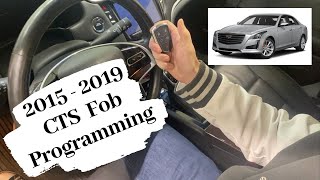

We Have This Part in Stock

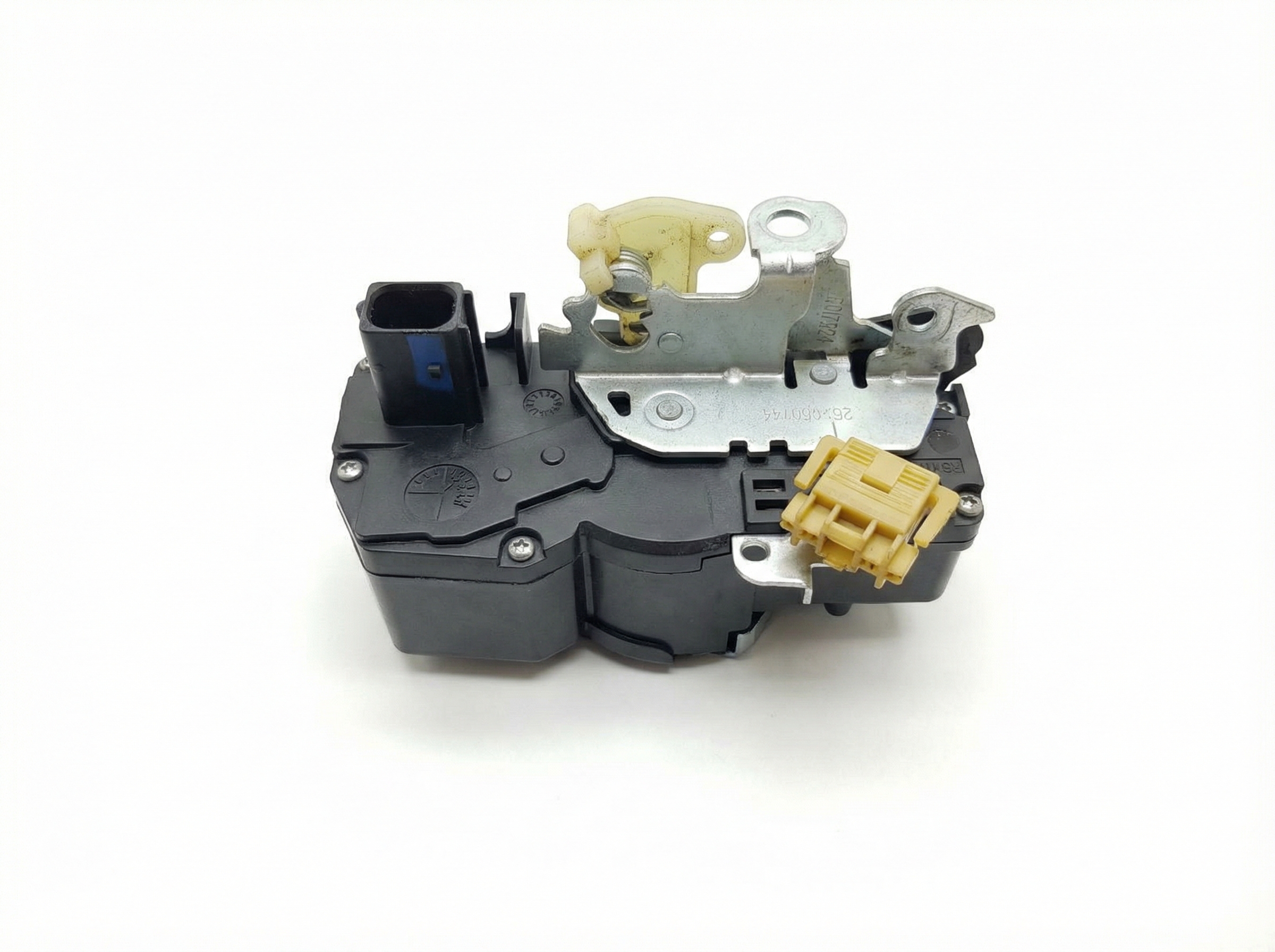
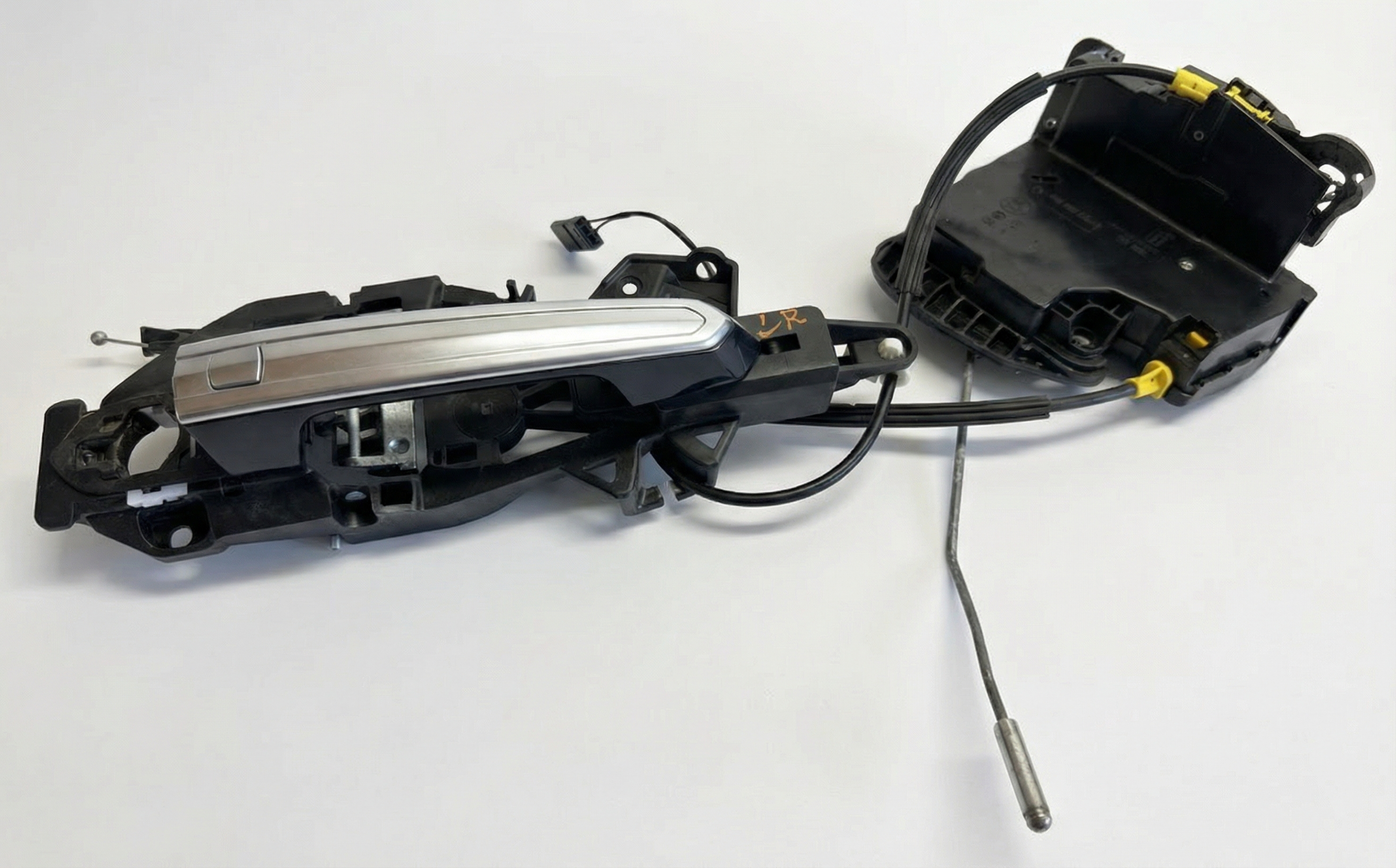

The information in this article is provided for general reference and educational purposes only. Vehicle specifications, procedures, and part compatibility can vary by production date, trim level, and region. Always consult your vehicle's factory service manual and verify part numbers before purchasing or performing repairs. Safety-critical components such as airbags, seat belts, and braking systems should be installed by a qualified professional.
- Cadillac CTS:
- 🎬 Helpful Videos
- 🛍️ Shop This Part
- What's Unique About the 2015-2019 Cadillac CTS
- Diagnostic Flowchart
- Symptoms You May Notice
- Most Likely Causes
- Rare But Worth Checking
- Diagnosis Steps
- Parts You'll Likely Need
- Related Codes That Often Appear With This One
- Technical Service Bulletins (TSBs) & Recalls
- Platform-Specific Known Issues
- Mechanic-Grade Diagnostic Values
- Hidden / Shadow Codes Worth Checking
- Scan Tool Commands That Help
- Wiring & Ground Locations
- Model Year Variations Within This Range
- 🎟️ Get 5% Off