

B3060 on 2012-2017 Buick Verano: No-Start, Security Light Causes and Fixes
This code means your Verano's security system doesn't recognize the key, causing a no-start or stall condition. The most common fix is a key relearn procedure. If that fails, the issue could be a faulty Body Control Module (BCM), a weak key fob battery, or RF interference from other devices on your keychain.
- B3060 means your car's security system has locked you out. This is why it won't start or stalls immediately.
- Before calling a mechanic, try your spare key and replace the battery in your primary key fob.
- Attempt the 10-minute key relearn procedure. This DIY fix costs nothing and often resolves the issue.
- Remove all other electronic fobs or access cards from your keychain to prevent signal interference.
- If these simple steps don't work, the problem is likely a faulty Body Control Module (BCM) that will require professional replacement and programming.
What's Unique About the 2012-2017 Buick VERANO

On this generation of Buick Verano and its GM Delta II platform mates like the Chevrolet Cruze, the B3060 code is a well-documented issue often linked to intermittent no-start or start-and-stall complaints accompanied by a flashing security light. The problem is frequently not a 'hard' failure but a communication glitch between the key and the car's security module. A comprehensive GM Technical Service Bulletin (PIC5650M) acknowledges this issue across many GM models and points to potential interference from other RFID devices on the owner's keychain, like building access cards or gas station speed passes, which can disrupt the key's signal. Technicians are specifically advised to check for these external interference sources before replacing any parts.
🎬 Watch: How to reset the security lockout on GM modelsDiagnostic Flowchart
Tap your situation to follow the diagnostic path that matches what you're seeing on this vehicle.
Symptoms You May Notice

- Vehicle will not crank or start
- Engine starts and immediately stalls.
- Security or anti-theft system light is illuminated or flashing on the dashboard.
- A 'Service Theft Deterrent System' message may appear on the driver information center.
- A 'No Remote Detected' message on vehicles with keyless start, though the car may start if the fob is placed in the console pocket.
- Replacing the starter motor when the engine doesn't crank.
- Replacing the main vehicle battery without first diagnosing the security system codes.
- Replacing the ignition switch when the actual fault is the antenna/exciter ring or the BCM.
Most Likely Causes

- Key Has Lost Programming / Communication Glitch 🔴 High Probability The vehicle's Pass-Key III+ security system can be sensitive, and a simple communication error can cause the key's code to be temporarily rejected by the BCM. This is often the first and most successful fix attempted.
How to confirm: Attempt the '30-Minute Key Relearn Procedure'. If the procedure works and the car starts, this was the cause.
Typical fix: Perform the 30-minute key relearn procedure, which resynchronizes all keys to the vehicle's immobilizer system. Note that this will erase all previously learned keys.
Est. part cost: $0 - Weak or Dead Key Fob Battery 🟡 Medium Probability While the transponder chip for the immobilizer is passive (powered by the ignition cylinder's antenna), a weak key fob battery can cause erratic behavior and communication errors, especially on push-to-start models. Some owners report this simple fix resolves the issue.
How to confirm: Replace the battery in the key fob. Alternatively, try using the spare key. If the spare key works reliably, the issue is with the primary key or its battery.
Typical fix: Replace the CR2032 battery inside the key fob.
Est. part cost: $2-$10 - Radio Frequency (RF) Interference 🟡 Medium Probability As noted in GM TSB PIC5650M, other RFID devices on the same keychain can interfere with the signal from the ignition key's transponder. This includes other car keys, building access cards, toll passes, and even some aftermarket phone chargers or LED lights.
How to confirm: Remove all other keys and electronic devices from the keychain, leaving only the Verano key. Attempt to start the vehicle. If it starts, RF interference was the cause.
Typical fix: Keep the vehicle key on a separate ring from other RFID-emitting devices.
Est. part cost: $0 - Faulty Body Control Module (BCM) ⚪ Low Probability The BCM is the central computer for the security system. Internal failures, often due to electrical stress or moisture, can prevent it from correctly recognizing a valid key. If key relearns fail and interference is ruled out, the BCM is a strong suspect.
How to confirm: If key relearn procedures fail and the key/fob battery is good, the BCM must be professionally diagnosed with a high-end scan tool. A technician will check for communication and internal BCM faults.
Typical fix: The BCM must be replaced and programmed to the vehicle. Alternatively, services exist that can clone your original BCM's data to a replacement unit, making it plug-and-play.
Est. part cost: $150-$350
Rare But Worth Checking
- Faulty Ignition Lock Cylinder/Antenna: The antenna ring (exciter coil) around the ignition lock cylinder energizes and reads the key's transponder chip. A break in the wiring or a fault in the antenna itself can prevent the key from being read, triggering a B3060 code. This part is sometimes called the Theft Deterrent Module. Diagnosis involves checking for continuity and proper signal at the BCM connector.
- Faulty Engine Control Module (ECM): In rare, complex no-start scenarios, even after addressing security codes, a faulty ECM can be the root cause. The BCM sends a 'fuel enable' password to the ECM; if the ECM cannot process this signal correctly, the car won't run. One owner on a forum reported an ECM replacement was the ultimate fix after all security-related repairs failed.
- Poor Ground Connection (G104): A YouTube video by a professional technician on a 2012 Verano with intermittent no-start and network issues traced the problem to a corroded main engine block ground, G104. This ground is critical for the BCM and other modules. Cleaning and securing this ground point resolved the issue.
Diagnosis Steps
- Check for a flashing security light on the dashboard. This is the primary indicator of an immobilizer issue.
- Scan all vehicle modules for DTCs. Note B3060 and any other related security codes like B3055 or B3935.
- Remove all other keys, fobs, and RFID cards from your keychain to eliminate potential radio frequency interference.
- Try your spare key. If the spare key works, the problem is with the primary key itself (damaged transponder chip).
- Replace the battery (CR2032) in the key fob, as this is a cheap and easy step that can resolve communication issues.
- Attempt the 30-Minute Key Relearn Procedure: With a fully charged vehicle battery, turn the key to the 'ON' position (do not start). The security light should be on. Wait for approximately 10 minutes until the security light turns off. Turn the key off for 5 seconds. Repeat this cycle two more times for a total of three 10-minute cycles. After the third cycle, turn the key off, then the vehicle should start.
- If the relearn procedure fails, inspect the wiring and connectors at the Body Control Module (BCM) and the ignition lock cylinder for any visible damage or corrosion.
- A technician can use a scan tool to monitor the 'TDM Valid Key' parameter to see if the module is recognizing the key at all.
- Inspect the main engine-to-chassis ground connection (G104 on the engine block near the starter) for corrosion or looseness.
- If all other steps fail, the BCM is the most likely culprit and requires professional diagnosis and likely replacement and programming.
Parts You'll Likely Need

- Body Control Module (BCM)
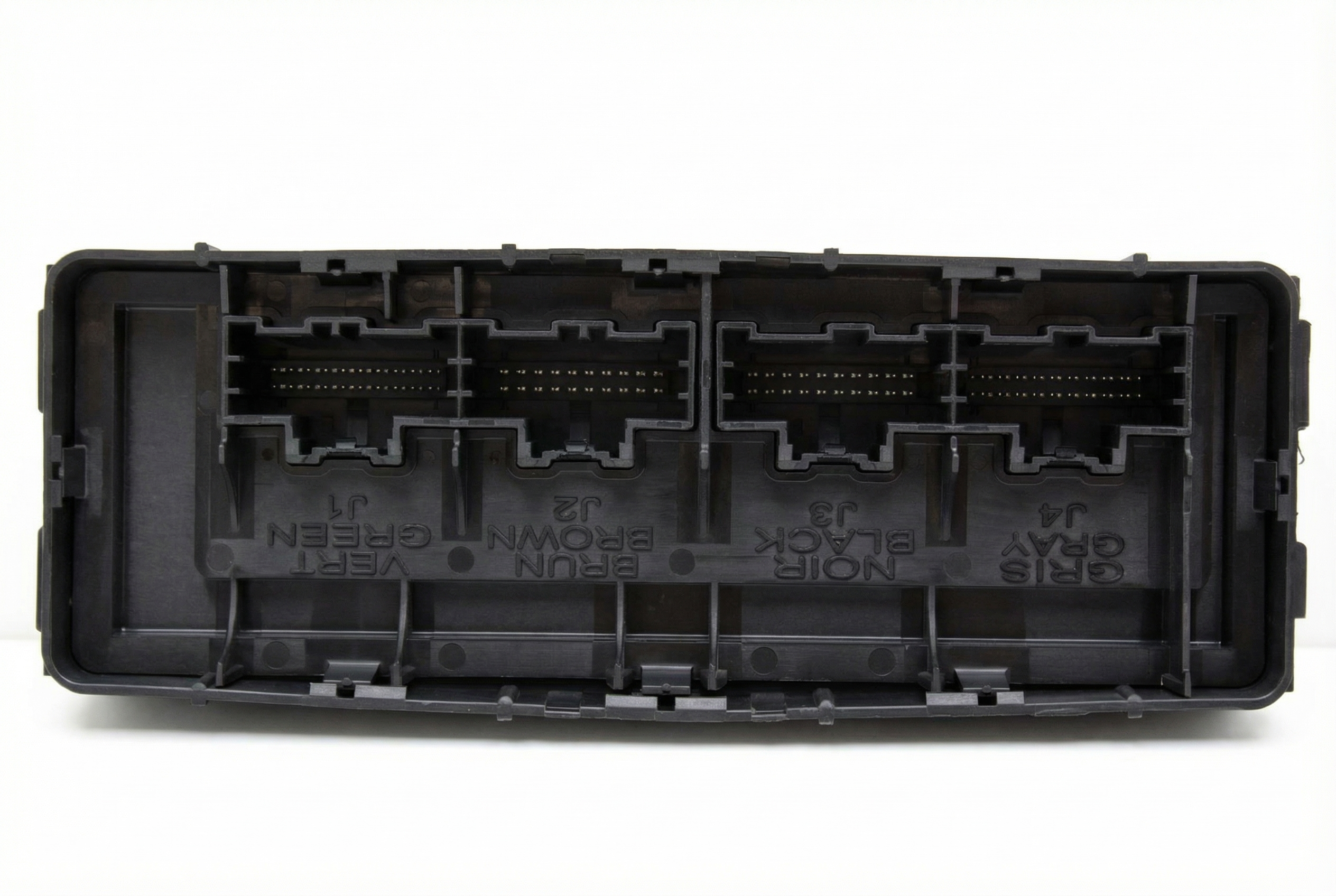
(OEM #13586273, 13580697, 13588447, 13589324)— The BCM is the brain of the security system. If it fails internally, it cannot recognize a valid key, making replacement necessary. A new BCM must be programmed to the car, but cloning services are available that make a replacement plug-and-play.
Trusted brands: ACDelco (GM Original Equipment)
OEM price range: $200-$350
Aftermarket price range: $150-$250 - Ignition Lock Cylinder Housing / Theft Deterrent Module
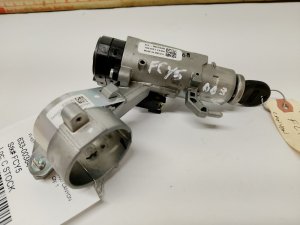
(OEM #13523276)— This part contains the antenna (exciter coil) that reads the transponder chip in the key. If this antenna fails, the key's code can't be read, triggering B3060. It is a less common failure than the BCM but a critical part of the system.
Trusted brands: ACDelco (GM Original Equipment)
OEM price range: $50-$95
Aftermarket price range: $30-$60
Related Codes That Often Appear With This One
- B3055 — This code relates to a problem with the key transponder itself (e.g., no transponder or a faulty one). It is often set along with B3060 as part of the same security system fault.
- B3935 — This code indicates a transponder authentication error, meaning the security handshake between the key and the car failed. It's another common companion to B3060 mentioned in TSBs.
Technical Service Bulletins (TSBs) & Recalls
- PIC5650M: Addresses intermittent no crank/no start or stall with security light on, citing DTCs B3055, B3060, and B3935. Suggests checking for RF interference as a primary diagnostic step before parts replacement. It also lists numerous aftermarket devices that can cause interference, from phone chargers to LED lights.
- PIC5650B/C: Earlier versions of the same TSB, showing the long history of this issue across a wide range of GM vehicles including the Verano.
Platform-Specific Known Issues
- A Technical Service Bulletin (PIC5650M) was issued by GM for an intermittent no-crank, no-start, or stall condition with the security light on, specifically mentioning DTC B3060. The bulletin's primary recommendation is to investigate and eliminate sources of Radio Frequency Interference (RFI) from aftermarket devices or other RFID cards on the keychain before replacing any components.
Scan Tool Commands That Help

- GDS2/Techline Connect: Service Programming System (SPS) — Required when replacing a BCM to flash the correct vehicle-specific calibration, VIN, and RPO configurations to the new module.
- GDS2/Techline Connect: BCM Module Setup — After programming a new BCM, this function is used to perform the security credential transfer (VTD setup) and other initializations.
- GDS2: Data Bus Diagnostic Tool — To diagnose communication problems on the CAN bus. It can help identify if the BCM is offline or if there are other modules causing communication faults that could indirectly trigger security issues.
- GDS2: Monitor 'BCM Master Keys Learned' parameter — During the key relearn procedure, a technician can watch this parameter to confirm if the BCM is successfully accepting and storing the key's transponder value.
- GDS2: Monitor 'BCM Key Part Number' parameter — When diagnosing a potential bad key, this parameter should display a valid part number for each key turned in the ignition. If it doesn't, the key itself is likely faulty.
Wiring & Ground Locations
- G103 — Located at the left rear of the engine compartment on the cowl, above the brake booster.. This is a primary ground point for the Body Control Module (BCM), Instrument Panel Cluster (IPC), and Data Link Connector (DLC). A poor connection here can cause a host of intermittent electrical issues, including no-start conditions and communication codes like B3060.
- BCM Connector X2, Pin 1 — On the Body Control Module, which is typically located behind the driver's side of the dashboard.. This pin (Red/White wire) is a primary Battery Positive Voltage supply to the BCM. A voltage drop or loss of power on this circuit will cause the BCM to malfunction.
- BCM Connector X2, Pin 2 — On the Body Control Module, next to the main power supply pin.. This pin (Black/White wire) is the main Signal Ground for the BCM. A compromised ground connection here is a common cause of erratic module behavior and can lead to various DTCs, including B3060.
- BCM Connector X2, Pin 4 — On the Body Control Module.. This pin (Red/Violet wire) is another Battery Positive Voltage supply to the BCM. Both power supply circuits should be tested to ensure the module is receiving adequate voltage.
Real Owner Repair Stories
- YouTube comment on a BCM failure video (2008 Chevy HHR (Shares similar GM electrical architecture)) — ABS and Traction lights on, rear hatch and wiper not working, intermittent window operation. All symptoms pointed to a BCM issue.
❌ Tried (didn't work) Clearing codes with a scanner (they came back immediately).
✅ What actually fixed it The user was asking for confirmation, but the cluster of unrelated electrical failures (wipers, locks, windows, warning lights) that are all controlled by the BCM strongly implies that a BCM replacement and programming is the required fix, as described by the video host and other commenters. - YouTube video demonstrating BCM repair (GM Vehicle (specific model not stated, but BCM part number is for a GM truck)) — Intermittent door lock and trunk release functionality.
❌ Tried (didn't work) The owner attempted to re-solder some joints on the BCM circuit board but was not confident in the repair.
✅ What actually fixed it A professional technician identified cracked solder joints on the main connector pins of the BCM circuit board under a microscope. The cause was thermal stress over time. Re-flowing the solder on all the main connector pins with fresh solder and flux restored full functionality, confirming a physical failure inside the BCM rather than a programming or key issue.
OEM Part Supersession History
13580697, 13584695, 13588447, 13589197→13586273, 13589324, 13589325— Standard part evolution by the manufacturer to integrate new materials, technologies, or fix previously identified issues.
Heads up: While these parts are listed as interchanges, programming is critical. A BCM from a vehicle with different RPO codes (options) will not function correctly unless it is completely reprogrammed using GM's Service Programming System (SPS) with the target vehicle's VIN.13583542, 13580696, 123589093→13588446, 13584692— Part updates for the 2012 model year Verano.
Heads up: These part numbers are specific to the 2012 model year and may not be compatible with 2013+ vehicles. Using a cloning service where the data from the original module is transferred is the safest way to ensure compatibility when using a salvaged part.
Model Year Variations Within This Range
- 2012-2017: The 2012-2013 Buick Verano is supported by both the older Tech2/Tech2Win scan tool and the newer GDS2 platform. However, all models from 2014 onwards require the GDS2 (Global Diagnostic System 2) software for full diagnostic and programming capabilities.
Helpful Videos


Used OEM Parts in Stock




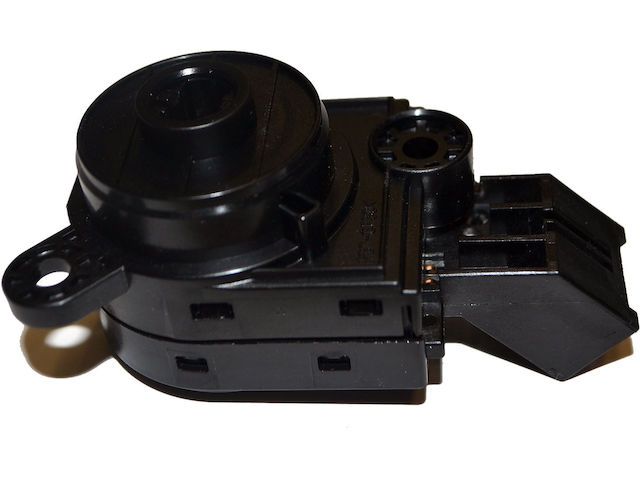
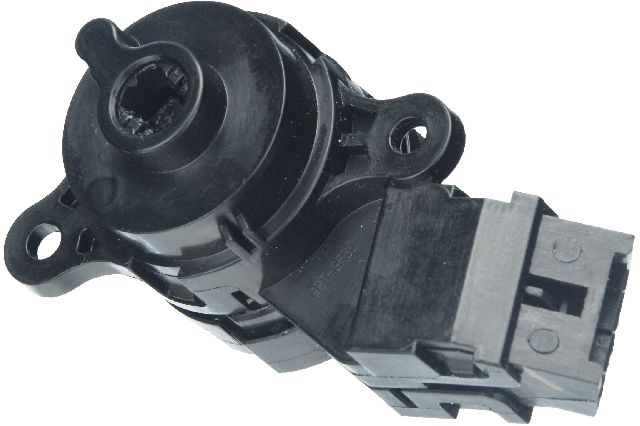
New Aftermarket Parts Available


The information in this article is provided for general reference and educational purposes only. Vehicle specifications, procedures, and part compatibility can vary by production date, trim level, and region. Always consult your vehicle's factory service manual and verify part numbers before purchasing or performing repairs. Safety-critical components such as airbags, seat belts, and braking systems should be installed by a qualified professional.
- Buick VERANO:
- 🎬 Helpful Videos
- 🛍️ Shop This Part
- What's Unique About the 2012-2017 Buick VERANO
- Diagnostic Flowchart
- Symptoms You May Notice
- Most Likely Causes
- Rare But Worth Checking
- Diagnosis Steps
- Parts You'll Likely Need
- Related Codes That Often Appear With This One
- Technical Service Bulletins (TSBs) & Recalls
- Platform-Specific Known Issues
- Scan Tool Commands That Help
- Wiring & Ground Locations
- Real Owner Repair Stories
- OEM Part Supersession History
- Model Year Variations Within This Range
- 🎟️ Get 5% Off