

B3060 on 2007 Buick Rainier: Causes for No-Start & Security Light
On a 2007 Buick Rainier, code B3060 usually means the anti-theft system doesn't recognize your key, causing a no-start and a security light. The most common fixes are trying a spare key, performing a 30-minute key relearn procedure, or replacing a faulty ignition lock cylinder which contains the Passlock sensor.
- B3060 means your car's security system doesn't recognize the key, so it won't let the engine start.
- Before spending any money, try your spare key and remove all other electronic fobs or cards from your keychain to rule out RF interference.
- The 30-minute, 3-cycle key relearn procedure is a free and very common fix that should be attempted before replacing parts.
- If the relearn procedure doesn't work or the problem returns, the most common failed part is the ignition lock cylinder assembly (ACDelco D1462G), which contains the key reader.
What's Unique About the 2007-2007 Buick RAINIER
The 2007 Buick Rainier is built on the GM GMT360 platform, which it shares with the Chevrolet Trailblazer, GMC Envoy, and others. This platform uses a GM immobilizer system (often Passkey III or Passlock) known for issues related to the ignition switch and key recognition, as documented in GM's own Technical Service Bulletins. The problem is often intermittent, presenting as a frustrating no-crank or start-and-stall condition that can be difficult to replicate for a mechanic, as noted in TSB #PIC5650M. The system's sensitivity to Radio Frequency Interference (RFI) is also a well-documented quirk.
Diagnostic Flowchart
Tap your situation to follow the diagnostic path that matches what you're seeing on this vehicle.
Symptoms You May Notice
- Engine will not crank or turn over
- Engine starts briefly then immediately shuts off (start-stall)
- Security indicator light is on solid or flashing in the instrument cluster.
- "No Fob Detected" message may appear on the driver information center
- Complete loss of electrical power on key turn, mimicking a dead battery.
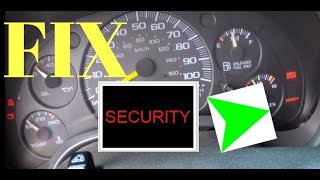
- Replacing the starter motor, as the symptom is a 'no crank'. The security light is the key differentiator. 🎬 See how to diagnose a flashing security light no-start condition.
- Replacing the battery without confirming it has failed a load test. While a weak battery can cause this issue, it's often not the root cause.
Most Likely Causes
- Faulty or Unprogrammed Ignition Key 🔴 High Probability The transponder chip embedded in the key head can fail over time or lose its programming, especially if the key has been dropped or damaged. A weak battery in the vehicle can also cause the system to lose its memory of the learned keys.
How to confirm: Try starting the vehicle with a different, known-good key. If the vehicle starts with the spare key, the original key is faulty.
Typical fix: Replace the faulty key and have the new key programmed to the vehicle. Sometimes, simply performing the key relearn procedure is sufficient.
Est. part cost: $50-$150 - Radio Frequency (RF) Interference 🟡 Medium Probability The low-power signal from the key's transponder can be easily blocked or scrambled by other electronic devices. GM TSB PIC5650M and document PIE0232 specifically call this out, listing devices like other vehicle keys, toll passes, building access cards, and even aftermarket phone chargers or LED lights as potential sources of RFI.
How to confirm: Remove all other keys, fobs, and electronic access cards from the keychain. Unplug any aftermarket chargers or devices from the power outlets. Try starting the vehicle with the Buick key alone. If it starts, interference was the issue.
Typical fix: Keep other RFID-emitting devices separate from the ignition key when starting the vehicle.
Est. part cost: $0 - Failed Ignition Lock Cylinder / Reader 🟡 Medium Probability The ignition lock cylinder assembly houses the exciter coils (reader) that read the key's transponder. Wear and tear in the steering column can damage the component or its delicate wiring, leading to an intermittent failure to read the key. This is a very common failure on GMT360 and similar GM platforms.
How to confirm: This is often a diagnosis by elimination. If keys are good and there's no interference, the problem is likely in the column. A technician can test the circuits with a multimeter or observe key data on a scan tool. If the key relearn procedure only works temporarily, it strongly points to a failing lock cylinder.
Typical fix: Replacement of the ignition lock cylinder assembly (which includes the sensor) and performing a key relearn procedure. The sensor is not typically sold separately. 🎬 Watch: How to bypass the Passlock system for a permanent fix.
Est. part cost: $100-$250
Rare But Worth Checking
- Faulty Body Control Module (BCM) or Theft Deterrent Module (TDM): While rare, the module responsible for storing key data can fail. This is usually the last thing to suspect after all other causes have been ruled out. In some documented cases, even after replacing the lock cylinder, a faulty BCM was the root cause.
- Damaged Wiring Harness: The wires running from the ignition lock cylinder down the steering column can become chafed, pinched, or broken over time, especially with frequent use of a tilt steering wheel. This can cause an intermittent connection and trigger the B3060 code.
Diagnosis Steps
- Verify the complaint: Confirm the no-crank/no-start condition and check for an illuminated or flashing security light.
- Scan for Codes: Use a scan tool capable of reading B (Body) codes to confirm B3060 and any other related DTCs like B3055 or B3935.
- Check for Interference: Remove all other keys, fobs, and access cards from the keychain. Unplug any aftermarket devices (chargers, lights) and try starting again.
- Test with a Spare Key: Attempt to start the vehicle with a second, known-good key. If it starts, the first key is the problem.
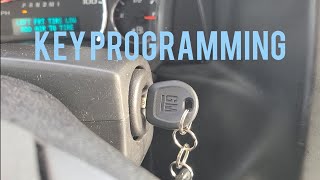
- Perform 30-Minute Key Relearn Procedure: This procedure can often resolve the issue for free. 1) Turn the key to the 'ON' position (do not start). 2) Wait for the security light to turn off, which should take about 10 minutes. 3) Turn the key 'OFF' for 5-10 seconds. 4) Repeat steps 1-3 two more times for a total of three 10-minute cycles. 5) After the third cycle, the key should be relearned, and the vehicle should start. 🎬 Watch: A visual guide to the 30-minute key relearn process.
- Inspect Ignition Cylinder Wiring: Visually inspect the wiring harness leading from the ignition lock cylinder down the steering column for any signs of chafing, pinching, or damage. This is a common point of failure.
- Test Components: If the issue persists, a technician will need to test the circuits for the ignition lock cylinder reader and evaluate the Body Control Module's live data with a scan tool to see if a valid key signal is being received.
Parts You'll Likely Need
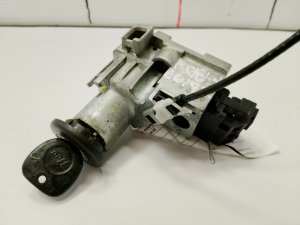
- Ignition Lock Cylinder with Passlock Sensor
(OEM #ACDelco D1462G)— This assembly contains the reader (exciter coil) for the key's transponder chip. It is the most common failure point that prevents the key from being recognized, causing B3060 on this platform.
Trusted brands: ACDelco, Standard Motor Products (SMP), Dorman
OEM price range: $100-$180
Aftermarket price range: $60-$120 - Transponder Ignition Key
(OEM #B111-PT (Key Blank))— The chip inside the key can fail, causing it to send an incorrect or no signal to the vehicle's anti-theft system. This is diagnosed if a spare key works perfectly.
Trusted brands: ACDelco, Strattec
OEM price range: $70-$120
Aftermarket price range: $40-$80
Related Codes That Often Appear With This One
- B3055 — This code indicates 'No Transponder Modulation or No Transponder,' meaning the system received no signal at all. It frequently appears with B3060 and points strongly to a wiring issue or a complete failure of the ignition lock cylinder's reader. [Bulletin #PIC5650M, 1, 4, 10]
- B3935 — This code, 'Transponder Authentication Failed,' means a signal was read but rejected. It is also listed alongside B3060 in GM service bulletins for no-start conditions. [Bulletin #PIC5650M, 1, 4, 10]
Technical Service Bulletins (TSBs) & Recalls
- PIC5650M: Addresses intermittent no crank/no start with security light on and DTCs B3055, B3060, B3935. This is the primary TSB for this exact vehicle and problem.
- PIC5650C: An earlier version of the TSB that specifically highlights Radio Frequency Interference (RFI) from aftermarket devices as a major cause for these intermittent security system issues.
Platform-Specific Known Issues
- A GM Technical Service Bulletin (TSB #PIC5650M) specifically acknowledges an intermittent no crank, no start, or start/stall concern with the security light on, listing B3060 as a primary diagnostic code for this issue on the 2007 Buick Rainier.
- Owners on forums like TrailVoy.com frequently discuss this exact issue. A common owner experience involves the 30-minute relearn procedure working for a short time before the problem returns, which almost always points to a failing ignition lock cylinder assembly (ACDelco D1462G) rather than the key or BCM.
Mechanic-Grade Diagnostic Values
- Passlock Sensor Power Supply Voltage — expected: 9.0 V or higher. Failure: Voltage significantly below 9.0V indicates a power supply issue to the sensor.
- Passlock Sensor Signal Wire Voltage (Key ON, Engine OFF) — expected: 4.7 - 5.0 V. Failure: Voltage outside this range suggests a faulty sensor or BCM issue.
- Passlock Sensor Signal Wire Voltage (During Crank) — expected: A specific voltage drop from the 5.0V signal as the key is turned. This value is learned by the BCM.. Failure: No voltage drop, or a drop to an incorrect voltage, will trigger the security system.
- Passkey III Exciter Coil Operating Frequency — expected: ~125-131 kHz. Failure: No signal or incorrect frequency when measured with an oscilloscope near the ignition cylinder indicates a faulty exciter coil.
Hidden / Shadow Codes Worth Checking
- B3060 00: The '00' is a standard GM symptom byte for 'No Sub Type Information'. It means the primary code description ('Unprogrammed Transponder Identification Code Received') is the complete fault description, and no further detail is available from the module. (see via A professional GM-specific scan tool like a Tech 2 or GDS2 will display the DTC along with its two-digit symptom byte.)
Scan Tool Commands That Help
- GM Tech 2: Immobilizer Data / Theft Deterrent Module Data — Use this function to monitor live data parameters like 'Valid Key' or 'Key State' to see if the BCM/TDM is recognizing a key insertion and if it considers the key valid or not. This helps differentiate between a no-signal (B3055) and an incorrect-signal (B3060) condition.
- GM Tech 2: Add/Replace Keys (under BCM or TDM special functions) — This function is required after replacing the ignition lock cylinder or the BCM. It initiates the automated 10-minute relearn procedure, which is an alternative to the manual 30-minute procedure.
Wiring & Ground Locations
- G201 — Located in the passenger side footwell, behind the kick panel. It serves as a major ground point for many interior modules.. The Body Control Module (BCM), which manages the Passkey III system, relies on this ground. A poor connection at G201 can cause intermittent BCM-related issues, including security system faults like B3060. Forum members report that cleaning this ground can resolve weird electrical gremlins.
- Ignition Switch Connector — At the back of the ignition lock cylinder housing inside the steering column.. This connector contains the three critical wires for the Passlock/Passkey sensor (Power, Ground, and Signal). The Yellow wire is the signal wire that sends the key's code to the BCM. Damage or a poor connection at this specific connector is a primary cause of B3060.
- Splice Pack SP205 — Behind the left side of the dash, near the headlamp switch connector.. This splice pack distributes the 5-volt reference signal to multiple components, including the accelerator pedal position sensor. While not directly tied to the Passkey system in most diagrams, a fault here can cause widespread data errors and potentially affect BCM operation.
Real Owner Repair Stories
- GMTNation Forum (GM Truck (platform similar to Rainier)) — Intermittent no-start with security light, lasting for 5 years. Code B2960 was also present.
❌ Tried (didn't work) Multiple attempts at the relearn procedure with only temporary success.
✅ What actually fixed it The final confirmed fix is not explicitly stated in a single post, but the diagnostic process detailed by the master tech involved in-depth voltage testing of the three Passlock sensor wires (Red/White, Black, and Yellow) at the ignition switch to find the electrical fault, strongly implying the issue was in the ignition switch/sensor wiring itself rather than the BCM. - Go-Parts repair database (citing a 2014 GMC Savana) (2014 GMC Savana (uses a similar Passkey system)) — Persistent no-start with B3060.
❌ Tried (didn't work) Replacing the ignition lock cylinder., Performing the key relearn procedure multiple times.
✅ What actually fixed it The ultimate fix was replacing and reprogramming the Body Control Module (BCM), which had failed internally. This serves as a real-world example of a rare but possible cause when the common fixes fail.
OEM Part Supersession History
15795321→ACDelco D1462G— Standard part lifecycle update. GM Genuine Parts may have formerly appeared as ACDelco GM Original Equipment (OE).
Heads up: D1462G is the correct and current service part for this application. No incompatibility is noted.
Helpful Videos
Used OEM Parts in Stock
New Aftermarket Parts Available


The information in this article is provided for general reference and educational purposes only. Vehicle specifications, procedures, and part compatibility can vary by production date, trim level, and region. Always consult your vehicle's factory service manual and verify part numbers before purchasing or performing repairs. Safety-critical components such as airbags, seat belts, and braking systems should be installed by a qualified professional.
- Buick RAINIER:
- 🎬 Helpful Videos
- 🛍️ Shop This Part
- What's Unique About the 2007-2007 Buick RAINIER
- Diagnostic Flowchart
- Symptoms You May Notice
- Most Likely Causes
- Rare But Worth Checking
- Diagnosis Steps
- Parts You'll Likely Need
- Related Codes That Often Appear With This One
- Technical Service Bulletins (TSBs) & Recalls
- Platform-Specific Known Issues
- Mechanic-Grade Diagnostic Values
- Hidden / Shadow Codes Worth Checking
- Scan Tool Commands That Help
- Wiring & Ground Locations
- Real Owner Repair Stories
- OEM Part Supersession History
- 🎟️ Get 5% Off