

B3060 on 2015-2019 Buick LaCrosse: Unprogrammed Key & No-Start Fixes
Code B3060 on a 2015-2019 Buick LaCrosse means the car's anti-theft system received a signal from an unprogrammed key. This typically causes a no-start or intermittent stalling. The most common fixes involve addressing key fob issues, like a dead battery or external signal interference, or reprogramming the key.
- B3060 means your LaCrosse doesn't recognize your key. Do not immediately assume a costly repair is needed.
- First, try the simple fixes: replace the key fob battery and remove all other electronic fobs or cards from your keychain.
- Use your spare key to determine if the problem is with one specific key or the car's system.
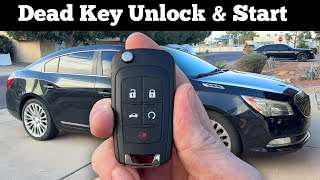
- If the key fob battery is dead, you can usually still start the car by placing the fob in a special slot in the center console.
- If you need a new key or BCM, programming by a dealer or certified locksmith is almost always required.
What's Unique About the 2015-2019 Buick LACROSSE
For this era of GM vehicles, including the LaCrosse, the Pass-Key III+ or newer PEPS (Passive Entry Passive Start) system is highly sensitive. The BCM is the central hub for many electrical functions, and a no-start condition is its primary way of protecting the vehicle. A GM Technical Service Bulletin (PIC5650 series) confirms that B3060 is often linked to intermittent no-start or stalling issues and is frequently caused by radio frequency (RF) interference from other devices on the keychain, not necessarily a faulty part. These bulletins explicitly warn technicians not to replace parts before ruling out RFI from sources like other key fobs, toll passes, or even aftermarket LED lights and phone chargers. The immobilizer system operates at 125 kHz, and other devices operating in the 120-135 kHz range are most likely to cause interference.
Diagnostic Flowchart
Tap your situation to follow the diagnostic path that matches what you're seeing on this vehicle.
Generation note: The 2015-2019 year range covers two LaCrosse generations: the end of the second generation (2015-2016) and the third generation (2017-2019). While the underlying anti-theft principles are similar, the key fob styles and specific BCMs may differ. The diagnostic approach remains consistent across both generations. The 2nd gen often uses a flip key, while the 3rd gen uses a smart key fob. The BCM is located in the passenger-side footwell on the center console for 2014-2016 models.
Symptoms You May Notice
- Engine will not crank or start
- Engine starts briefly then stalls
- Security indicator light is illuminated or flashing on the dashboard
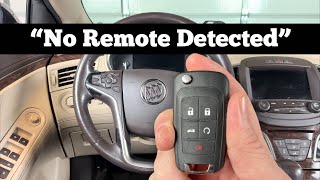
- "No Remote Detected" or similar message on the driver information center (DIC)
- Remote key fob functions (lock/unlock) may not work
- Vehicle may start only when the key fob is placed in the transmitter pocket
- Replacing the starter motor when the engine doesn't crank.
- Replacing the vehicle's main 12V battery without diagnosing the anti-theft system first.
- Replacing the ignition switch when the issue is with the key's transponder or RF interference.
Most Likely Causes
- Radio Frequency (RF) Interference 🔴 High Probability A GM TSB (PIC5650 series) specifically calls out this issue, noting that devices like toll passes, other vehicle key fobs, building access cards, or even aftermarket phone chargers and LED lights on the same keyring can interfere with the key's signal. The immobilizer operates at 125 kHz, and any nearby device emitting a similar frequency can cause this DTC.
How to confirm: Remove all other keys, fobs, and RFID cards from the Buick key. Try to start the vehicle with the isolated key. If it starts, interference was the cause. The TSB advises service centers to confirm this with the customer before replacing any parts.
Typical fix: Keep the Buick key fob separate from other electronic devices. Advise the owner to not keep other fobs or RFID cards on the same ring.
Est. part cost: $0 - Weak or Dead Key Fob Battery 🔴 High Probability
How to confirm: Try the spare key fob. If the spare key works, the battery in the primary fob is the likely culprit. For push-to-start models, placing the 'dead' fob in the designated transmitter pocket (often in the center console armrest or cupholder area) may allow the car to start.
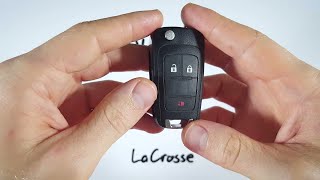
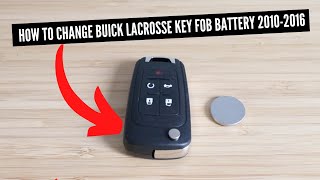
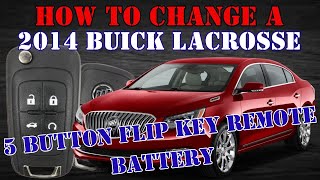
Typical fix: Replace the CR2032 battery inside the key fob. 🎬 See this quick walkthrough for changing the flip key battery
Est. part cost: $5-$10 - Key Has Lost Programming 🟡 Medium Probability
How to confirm: Neither the primary nor the spare key will start the vehicle, and the security light remains on. A diagnostic scan tool will confirm the B3060 code. This can happen after a battery replacement or other electrical service.
Typical fix: The key(s) must be reprogrammed to the vehicle using a specific relearn procedure. This can sometimes be done by a DIYer with a timed 30-minute procedure, but often requires a professional scan tool like GM GDS2.
Est. part cost: $0 if reprogramming is successful, otherwise cost of new key. - Faulty Body Control Module (BCM) ⚪ Low Probability
How to confirm: This is a diagnosis of exclusion. If keys are good, batteries are new, there is no interference, and reprogramming fails, the BCM itself may be faulty. Other strange electrical issues (windows, locks, lights acting erratically) often accompany a failing BCM. Water intrusion from a leaking HVAC drain hose or body seam is a known cause of BCM failure on these platforms.
Typical fix: Replacement of the BCM, which must be programmed to the vehicle's VIN by a dealer or qualified shop with a GM MDI scan tool and SPS software.
Est. part cost: $300-$700
Rare But Worth Checking
- Faulty Keyless Entry Antenna/Receiver: The internal antenna that receives the signal from the key fob can fail, but this is less common than the key fob or BCM itself. There are multiple antennas in the vehicle.
- Damaged Key Fob: Physical damage (e.g., from being dropped) or water damage can destroy the internal transponder chip in the key fob. A worn-out key may also fail to make proper contact.
- Worn Ignition Lock Cylinder: On models with a physical key slot, the contacts inside the lock cylinder that read the key's resistor pellet can wear out or break, preventing the key from being recognized.
Diagnosis Steps
- Check for a security light on the dashboard. This confirms an anti-theft issue.
- Replace the battery in the key fob (typically a CR2032). This is the cheapest and easiest first step.
- Try the spare key. If it works, the first key is faulty or has a dead battery.
- Remove all other keys and RFID devices from the keyring and try starting the car again to rule out RF interference.
- For push-button start models, place the key fob in the vehicle's transmitter pocket/slot and attempt to start. For 2014+ LaCrosse models, this is inside the center console armrest storage area. 🎬 Watch: How to start your LaCrosse with a dead key fob
- If the vehicle still won't start, attempt the 30-minute key relearn procedure. This involves turning the key to 'ON' for 10 minutes, 'OFF' for 5-10 seconds, and repeating this cycle three times. A battery charger is recommended during this process.
- If all else fails, have the vehicle scanned by a professional with a GM-compatible tool (like a Tech 2 or MDI) to check BCM communication and key status. Using the scan tool, a technician can view the 'TDM Valid Key' parameter to see if the module is recognizing the key.
Parts You'll Likely Need
- Key Fob Battery
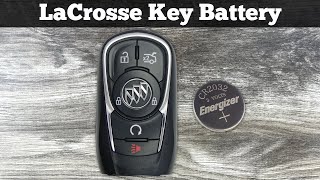
(OEM #CR2032)— The most common cause for a weak or unrecognized key signal.
Trusted brands: Energizer, Duracell
OEM price range: $5-$10
Aftermarket price range: $2-$8 - Keyless Entry Remote / Flip Key
(OEM #13508414 (for 2017-2019 Smart Key, FCC ID: HYQ4EA), 13504202 (for 2015-2016 Flip Key, FCC ID: V2T01060514))— If the internal transponder fails or the key is damaged, it must be replaced and programmed.
Trusted brands: ACDelco (OEM)
OEM price range: $150-$300
Aftermarket price range: $50-$150 - Body Control Module (BCM)
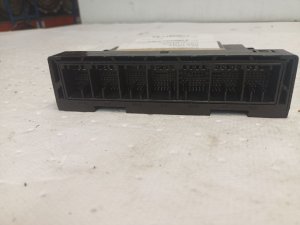
(OEM #13523276 (supercedes 13504287, 13502302 for 2016), 13593775 (for 2014-2016), 13580198)— In rare cases, the BCM itself fails and can no longer read valid keys or control the anti-theft system. It is the central computer for this function.
Trusted brands: ACDelco (OEM)
OEM price range: $400-$700
Aftermarket price range: $250-$500
Related Codes That Often Appear With This One
- B3055 — Relates to a problem with the key transponder. Often set alongside B3060 when there's a key recognition issue.
- B3935 — Indicates a transponder frequency mismatch, also pointing to a key or RF interference problem.
Technical Service Bulletins (TSBs) & Recalls
- PIC5650M / PIC5650B / PIC5650G: Diagnostic Tip for an intermittent no crank, no start, or start stall concern with the security light coming on, potentially with DTCs B3055, B3060, and/or B3935. The primary recommendation is to check for RF interference from other key fobs, toll passes, aftermarket chargers, and even LED lights before attempting any repairs.
- 16-NA-073: Addresses water leaks into the passenger compartment from voids in body sealer, which can lead to BCM damage.
Platform-Specific Known Issues
- A Technical Service Bulletin (PIC5650M) was issued for a wide range of GM vehicles, including the LaCrosse, for an intermittent no-crank/no-start with security light on, specifically mentioning DTC B3060. The bulletin strongly suggests checking for Radio Frequency Interference from other devices on the keychain before replacing any parts.
- Owners have reported that cold weather can sometimes exacerbate key fob recognition issues, requiring the fob to be placed in the transmitter pocket to start the vehicle.
Scan Tool Commands That Help
- GM GDS2: Immobilizer Learn / Vehicle Theft Deterrent Learn — This function is used to program new or existing keys to the BCM/TDM. It is required after replacing a key or the BCM. The process is guided by the software and can take approximately 10-13 minutes.
- GM GDS2: TDM Valid Key Parameter — When diagnosing a no-start, a technician can view this live data parameter in the Theft Deterrent Module (TDM) or BCM data list. While turning the ignition on with each key, this parameter should change to 'Yes'. If it reads 'No', that specific key is not recognized by the module.
- GM GDS2: Configuration/Reset Functions — When replacing a BCM, various setup and programming functions must be performed using GDS2 to configure the new module to the vehicle's specific options and VIN.
Wiring & Ground Locations
- BCM (Body Control Module) — For the 2014-2016 LaCrosse, the BCM is located in the passenger-side footwell, mounted on the side of the center console, accessible by removing the kick panel.. The BCM is the module that stores key transponder data and controls the vehicle immobilizer system. All wiring for the theft deterrent system, including the keyless entry antennas, terminates here.
- G103 — On some GM platforms, G103 is a critical ground located on the left frame rail or on the cowl above the brake booster.. A poor connection at G103 has been identified in GM bulletins as a cause for no-start conditions and various communication codes, as it provides a ground path for the BCM and other essential modules.
- Keyless Entry Antennas — These vehicles have multiple antennas. Locations include the center console, door handles, and rear bumper area. One specific antenna, the Ignition Lock Transmitter Antenna (Part #13502549), is located around the ignition cylinder or start button.. These antennas energize and receive the signal from the key fob's transponder. A failure of the primary antenna near the ignition or transmitter pocket can prevent the key from being read, triggering a B3060 code.
OEM Part Supersession History
13592451→13546098— Part update or manufacturer change for the Keyless Entry Antenna.13504287, 13502302→13523276— Updated part for the Body Control Module (BCM) for 2016 models.
Heads up: Using the wrong BCM part number can lead to programming failure or malfunction of various body features.
Model Year Variations Within This Range
- 2015-2016: These models are part of the second generation and typically use a flip-style key (e.g., P/N 13504202) and BCM P/N 13593775. The BCM is located in the passenger footwell.
- 2017-2019: These third-generation models use a smart key fob (e.g., P/N 13508414). While the underlying Pass-Key III+ system is similar, the BCM part numbers and specific antenna locations may differ from the previous generation.
Helpful Videos
Used OEM Parts in Stock



New Aftermarket Parts Available


The information in this article is provided for general reference and educational purposes only. Vehicle specifications, procedures, and part compatibility can vary by production date, trim level, and region. Always consult your vehicle's factory service manual and verify part numbers before purchasing or performing repairs. Safety-critical components such as airbags, seat belts, and braking systems should be installed by a qualified professional.
- Buick LACROSSE:
- 🎬 Helpful Videos
- 🛍️ Shop This Part
- What's Unique About the 2015-2019 Buick LACROSSE
- Diagnostic Flowchart
- Symptoms You May Notice
- Most Likely Causes
- Rare But Worth Checking
- Diagnosis Steps
- Parts You'll Likely Need
- Related Codes That Often Appear With This One
- Technical Service Bulletins (TSBs) & Recalls
- Platform-Specific Known Issues
- Scan Tool Commands That Help
- Wiring & Ground Locations
- OEM Part Supersession History
- Model Year Variations Within This Range
- 🎟️ Get 5% Off