

B3060 on 2013-2020 Buick Encore: Unprogrammed Key and No-Start Fixes
Code B3060 on a Buick Encore means the car's anti-theft system doesn't recognize the key. This results in a no-start or start-and-stall condition with the security light on. The most common fix is to have the key properly programmed or, if damaged, replaced and programmed. In many cases, this is caused by a new, unprogrammed key.
- B3060 means your Encore's anti-theft system has locked you out because it doesn't recognize the key.
- The most common cause is a new, unprogrammed key or a damaged original key.
- Before calling a tow truck, try using a spare key. Also, remove all other keys and RFID cards from your keychain to rule out interference.
- Fixing this issue almost always requires programming, which needs special tools from a dealer or automotive locksmith.
- Do not replace the battery or starter; they are almost never the cause of this specific code.
What's Unique About the 2013-2020 Buick ENCORE

The Buick Encore, and its platform-mate the Chevrolet Trax, use the GM Pass-Key III+ (PK3+) immobilizer system. The key contains a passive transponder chip energized by an antenna ring (exciter) around the ignition lock cylinder. The system is generally robust, but this code frequently appears when owners use a new, unprogrammed key or a poorly made copy. For push-to-start models experiencing a 'No Remote Detected' message due to a dead fob battery, there is a designated transmitter pocket in the front cup holder where the fob can be placed to allow an emergency start.
Diagnostic Flowchart
Tap your situation to follow the diagnostic path that matches what you're seeing on this vehicle.
Symptoms You May Notice

- Engine will not crank or start.
- Engine starts briefly and then immediately shuts off.
- The security indicator light (a car with a lock symbol) is illuminated or flashing on the dashboard.
- A "Theft Attempted" or similar message may appear on the driver information center (DIC).
- Replacing the battery. While a very low battery can cause various electrical issues, it will not specifically set a B3060 code. However, a no-start symptom is often first blamed on the battery.
- Replacing the starter. The BCM actively prevents the starter from engaging or disables fuel when this code is set. The starter is almost never the root cause of the no-crank/no-start symptom.
Most Likely Causes

- Using an Unprogrammed or Incorrect Key 🔴 High Probability This is the direct trigger for the code. It commonly occurs after purchasing a new key online or from a hardware store that has not been electronically 'married' to the vehicle's immobilizer system.
How to confirm: Confirm you are using a key that has previously worked with the vehicle. If it's a new key, it is the cause. Try a second, known-good key if available. If the spare key works, the new key needs programming.
Typical fix: Program the key(s) to the vehicle using a locksmith's or dealership's diagnostic tool. A DIY 30-minute relearn procedure can also be attempted, which erases all previously known keys and learns the new one.
Est. part cost: $0 (if reprogramming existing key), $75-$250 (for new key and professional programming) - Damaged Transponder Chip in Key 🟡 Medium Probability The key being dropped, exposed to strong magnets, or getting wet can damage the tiny, fragile transponder chip inside. The plastic housing offers limited protection.
How to confirm: Try starting the vehicle with a spare key. If the spare key works perfectly, the primary key is faulty. The faulty key will consistently fail to start the car.
Typical fix: Replace the faulty key with a new one from the dealer or a reputable locksmith and have it programmed to the vehicle. All existing keys will need to be present during the programming session.
Est. part cost: $75-$250 - Faulty Immobilizer Antenna (Exciter Ring) ⚪ Low Probability This component, a coil around the ignition cylinder, can fail electronically over time, though it's not common. It is the reader that energizes and communicates with the key's transponder.
How to confirm: A technician would use a scan tool to check for a signal from the Theft Deterrent Module. Wiggling the key in the ignition may create an intermittent connection, pointing to a faulty antenna or its wiring.
Typical fix: Replace the immobilizer antenna, which is located around the ignition lock cylinder. This part is relatively inexpensive and accessible once the steering column shrouds are removed. 🎬 See how to access and service the theft deterrent system
Est. part cost: $35-$90 - Wiring Harness Damage ⚪ Low Probability The thin wires running from the immobilizer antenna to the BCM can break or short, especially within the tilting steering column due to repeated movement.
How to confirm: Perform a visual inspection of the wiring harness for chafing or breaks. A continuity test with a multimeter on the wires between the immobilizer antenna connector and the BCM connector would confirm an open or short circuit.
Typical fix: Repair the broken or shorted section of the wiring harness using butt connectors or by soldering.
Est. part cost: $5-$50 (for wiring supplies)
Rare But Worth Checking
- Radio Frequency (RF) Interference: Other electronic keys, office access cards, toll passes, or even some aftermarket phone chargers and LED lights on the same keychain can interfere with the 125 kHz signal between the key and the antenna. TSB PIC5650M specifically calls out this issue. Before beginning repairs, try starting the car with the ignition key completely isolated from all other fobs and electronic devices.
- Faulty Body Control Module (BCM): In rare cases, the BCM itself, which houses the theft deterrent logic, can fail. This is an expensive last resort and should only be considered after all other possibilities (key, antenna, wiring) have been exhausted and confirmed by professional diagnostics.
Diagnosis Steps
- Scan the BCM for codes. Confirm B3060 is present and note any other related codes like B3055.
- Question the driver: Is this a new key? Has the key been damaged? Are there other keys or RFID cards on the keychain?
- Isolate the key. Remove all other fobs, cards, and electronic devices from the keychain and try starting the vehicle again.
- Try a spare key. If available, try starting the vehicle with a known-good spare key. If it starts, the problem is the primary key.
- Attempt the 30-Minute Security Relearn Procedure. Ensure the battery is fully charged or connected to a charger. Turn the key to 'ON' (without starting) for about 10-11 minutes until the security light turns off. Turn the key 'OFF' for 30 seconds. Repeat this cycle two more times for a total of three 10-minute 'ON' periods. After the third cycle, turn the key off, then try to start the engine. 🎬 Watch: A visual walkthrough of the 30-minute security relearn procedure This procedure erases all old keys.
- Inspect wiring. If the relearn fails, visually inspect the wiring and connector at the immobilizer antenna (exciter ring) around the ignition cylinder for damage or looseness.
- Test the immobilizer antenna. If wiring appears intact, the antenna is the next most likely part to fail. It can be tested with specialized tools or replaced.
- Diagnose the BCM. If all of the above steps fail, the Body Control Module (BCM) may be faulty and requires advanced diagnostics by a professional.
- Check for TSBs. Reference TSB PIC5650M, which discusses RFI from aftermarket devices like LED lights and phone chargers as a potential cause for this code.
Parts You'll Likely Need

- Transponder Ignition Key — This is the most common failure point, either due to internal damage to the transponder chip or because it's a new, unprogrammed replacement key.
Trusted brands: ACDelco, Strattec
OEM price range: $60-$120
Aftermarket price range: $25-$70 - Immobilizer Control Unit Antenna
(OEM #13580790)— This is the 'reader' for the key's transponder chip. If it fails, it cannot read a valid key, triggering the code. It is also referred to as the exciter ring.
Trusted brands: ACDelco, GM Genuine Parts
OEM price range: $35-$90
Aftermarket price range: $30-$60
Related Codes That Often Appear With This One
- B3055 — Often means 'No Transponder Identification Code Received'. This can set along with B3060 if the key is not read at all (e.g., faulty antenna) or if there's an intermittent connection.
Technical Service Bulletins (TSBs) & Recalls
- PIC5650M: Addresses intermittent no crank/no start/stall conditions with security light on, which can be associated with DTC B3060. It emphasizes diagnosing RFI from aftermarket accessories before part replacement.
- PIC5650B/C: Earlier versions of the same bulletin, covering a wide range of GM vehicles including the Encore, with the same focus on RFI and intermittent security system issues.
Platform-Specific Known Issues
- Technical Service Bulletin on RF Interference: A widely circulated Technical Service Bulletin, PIC5650 (with multiple revisions like M), addresses intermittent no-crank, no-start, or start/stall concerns that may set code B3060, B3055, and others. It strongly points towards Radio Frequency Interference (RFI) from aftermarket devices like phone chargers, USB power banks, and even non-OEM LED lighting as a primary cause that technicians should investigate before replacing any parts.
Hidden / Shadow Codes Worth Checking
- B3060 00: The '00' is a symptom byte indicating 'No Sub Type Information'. This means the primary DTC description ('Unprogrammed Transponder Identification Code Received') contains all the failure information available. (see via A professional scan tool like GM's GDS2 will display the DTC with its corresponding symptom byte.)
Scan Tool Commands That Help

- GDS2 (Global Diagnostic System 2): Immobilizer Learn — This function is used to perform all key learning procedures, including adding new keys or performing a full relearn when all keys are lost. It is the dealer-level method for programming keys and modules.
- GDS2 (Global Diagnostic System 2): Configure and Reset Functions — Used after replacing a BCM or other related module to set it up for the specific vehicle's VIN and options. A new BCM often requires programming before the immobilizer relearn can be performed.
- GDS2 (Global Diagnostic System 2): Module Setup > Rear Differential Clutch Control Module — While not directly for B3060, a TSB for the Encore platform notes that a faulty rear differential module on AWD models can bring down the entire data bus, causing no-communication and no-start issues that could be confused with an immobilizer problem. This function is needed to replace that module.
Wiring & Ground Locations
- BCM Ground — On many GM vehicles, a primary ground for the BCM and other interior electronics (G200 or similar) is located behind the instrument panel, often to the right of the instrument cluster or below the radio. Another critical ground (G103) can be on the cowl in the engine compartment, above the brake booster.. A poor ground connection to the Body Control Module can cause a host of unpredictable electrical issues, including failure to correctly read the immobilizer key signal, even if the key, antenna, and BCM itself are functional. Verifying this ground is a key step in diagnosing intermittent or hard-to-trace immobilizer faults.
- Immobilizer Antenna Connector — The connector is located on the immobilizer antenna ring itself, which is around the ignition lock cylinder, under the steering column shrouds.. This is the direct connection point between the component that reads the key (antenna) and the wiring that carries the signal to the BCM. Checking for a secure connection and testing for power, ground, and signal at this connector's pins is a primary diagnostic step.
- BCM Connector X2 — The Body Control Module is typically located behind the driver or passenger side of the dashboard. Connector X2 is one of several large multi-pin connectors plugging into it.. Pin 16 on Connector X2 is often a Low Reference wire for the Remote Function Actuator (the immobilizer system). Probing this and other relevant pins (like ignition and battery voltage signals) at the BCM connector is the definitive way to confirm if signals from the ignition switch and key are reaching the module.
Real Owner Repair Stories
- BobIsTheOilGuy forum user 'hardcore302' (2016 Chevrolet Trax (platform-mate to Encore)) — While driving at low speed, the car jerked, lost power, and the RPM gauge went to zero. The infotainment screen was stuck. The car would crank but not start. After three tries, it started and drove normally.
❌ Tried (didn't work) The owner suspected the computer or other complex issues due to the strange electrical behavior.
✅ What actually fixed it The battery was tested and showed 100% charge but zero cold cranking amps, indicating it was internally faulty. The consensus was that a failing battery was causing the erratic electrical behavior and intermittent no-start, which mimics symptoms of other failures. - Reddit user r/MechanicAdvice (GM Vehicle (unspecified, but relevant BCM replacement process)) — Replaced the BCM with a supposedly 'pre-programmed' used unit, but now nothing works and the security light is on.
❌ Tried (didn't work) Installing a used BCM that was claimed to be programmed for the VIN.
✅ What actually fixed it The consensus from technicians was that even 'pre-programmed' used modules often require a proper programming and security relearn procedure using dealer tools (like GDS2) to correctly sync with the vehicle's other modules (ECM, ignition). The fix is to have a dealer or qualified shop perform the official programming.
Model Year Variations Within This Range
- 2017-2020 (Push-Button Start models): The 'all keys lost' programming procedure is different from the standard turn-key ignition. It involves turning the emergency key in the driver's door lock cylinder 5 times in 10 seconds to initiate the 30-minute learn mode, rather than using the ignition switch itself.
Helpful Videos
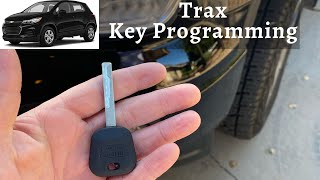

We Have This Part in Stock


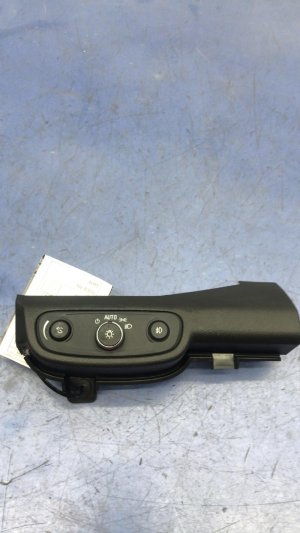



The information in this article is provided for general reference and educational purposes only. Vehicle specifications, procedures, and part compatibility can vary by production date, trim level, and region. Always consult your vehicle's factory service manual and verify part numbers before purchasing or performing repairs. Safety-critical components such as airbags, seat belts, and braking systems should be installed by a qualified professional.
- Buick ENCORE:
- 🎬 Helpful Videos
- 🛍️ Shop This Part
- What's Unique About the 2013-2020 Buick ENCORE
- Diagnostic Flowchart
- Symptoms You May Notice
- Most Likely Causes
- Rare But Worth Checking
- Diagnosis Steps
- Parts You'll Likely Need
- Related Codes That Often Appear With This One
- Technical Service Bulletins (TSBs) & Recalls
- Platform-Specific Known Issues
- Hidden / Shadow Codes Worth Checking
- Scan Tool Commands That Help
- Wiring & Ground Locations
- Real Owner Repair Stories
- Model Year Variations Within This Range
- 🎟️ Get 5% Off