

B3055 on 2012-2016 GMC Yukon Denali XL: Key Not Detected, No-Start Causes and Fixes
On a 2012-2016 GMC Yukon Denali XL, code B3055 means the anti-theft system can't read your key, causing a no-start. The most common fixes are trying a spare key, removing phone chargers causing radio interference, or replacing a faulty ignition key for about $100-$250, which requires professional programming.
- B3055 means your Yukon's security system can't read the key, which disables the engine.
- Before any repairs, try your spare key and remove all phone chargers and other electronics from the vehicle's power outlets.
- If you have a flip-style key, make sure it is fully locked in the open position before inserting it into the ignition.
- If these simple steps don't work, the problem is likely a bad key or a failed ignition lock cylinder, both of which require professional service for programming.
What's Unique About the 2012-2016 Gmc YUKON DENALI XL
The 2012-2016 Yukon Denali XL spans two generations (GMT900 and K2XX), both of which are known for immobilizer issues. A key characteristic of these platforms is their high sensitivity to Radio Frequency Interference (RFI) from aftermarket devices like phone chargers, dash cams, and even non-standard LED interior lights, which can jam the key's 125 kHz signal and trigger a B3055 code. This is extensively documented in multiple versions of GM Technical Service Bulletin PIC5650. Additionally, models with a flip-out 'switchblade' key (typically 2012-2014) can set this code if the key isn't fully extended, a specific operational quirk noted in GM service bulletin PIT5030E.
Diagnostic Flowchart
Tap your situation to follow the diagnostic path that matches what you're seeing on this vehicle.
Generation note: This range covers two generations: the third generation (GMT900, 2012-2014) and the fourth generation (K2XX, 2015-2016). While the Passkey III+ anti-theft system is conceptually similar in both, part numbers for keys and ignition components differ. The K2XX platform is particularly noted for its sensitivity to RFI. The flip-key issue is more specific to the GMT900 models. The BCM is located behind the driver's side lower dash on both platforms, but specific ground points and wiring differ.
Symptoms You May Notice
- Vehicle will not crank when the key is turned
- Engine starts but stalls immediately
- Security light is illuminated or flashing on the dashboard.
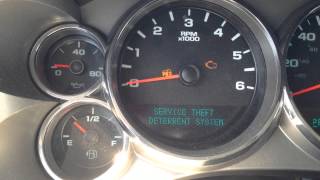
- "Service Theft Deterrent System" message on the driver information center (DIC)
- "Theft Attempted" message on the DIC.
- Replacing the starter motor. The BCM disables the starter when code B3055 is set; a no-crank condition is a symptom, not the cause.
- Replacing the vehicle's main battery. While a very low battery (<10.5V) can cause various electronic issues, a healthy battery will not solve a B3055 code if the key isn't being recognized. The battery should be fully charged before diagnosing the anti-theft system.
Most Likely Causes
- Radio Frequency Interference (RFI) 🔴 High Probability As documented in TSB PIC5650M and its later revisions (like PIC5650K), these vehicles are sensitive to RFI from aftermarket devices (phone chargers, dash cams, LED lights, toll passes) plugged into 12V outlets or near the ignition, which can jam the 125 kHz signal between the key and the vehicle.
How to confirm: Unplug all aftermarket electronic devices from the vehicle. Remove all other keys, fobs, and access cards from the keychain. If the vehicle starts, RFI was the cause.
Typical fix: Remove or replace the interfering device. Use high-quality, shielded chargers to prevent future issues.
Est. part cost: $0 - Faulty or Damaged Ignition Key 🔴 High Probability The transponder chip inside the key can be damaged from being dropped, water exposure, or from normal wear and tear. The plastic housing of the flip-key can also break where the key blade is mounted, causing intermittent connection issues.
How to confirm: Try starting the vehicle with a known-good spare key. If the spare key works consistently, the original key is faulty. A technician can also use a key tool to check if the transponder is emitting a signal.
Typical fix: The faulty key must be replaced and electronically programmed to the vehicle by a dealership or a qualified automotive locksmith. Alternatively, a locksmith with a key cloning tool can sometimes copy the data from the failing chip to a new chip.
Est. part cost: $75-$175 - Faulty Ignition Lock Cylinder / Transponder Reader 🟡 Medium Probability The exciter coil (antenna) that reads the key's transponder is integrated into the ignition lock cylinder housing. This component can fail electronically or suffer from broken wiring, preventing it from energizing or reading the key chip.
How to confirm: If multiple known-good keys fail to start the vehicle and there is no RFI, the reader coil is the primary suspect. A technician can use a scan tool to monitor the 'Transponder Key Status' PID in the BCM; if it reads 'Not Present' with good keys, the reader is likely faulty.
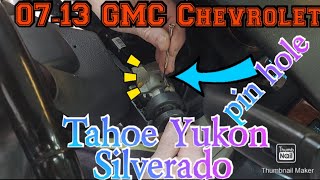
Typical fix: Replace the ignition lock cylinder assembly. This part must be programmed to the vehicle using either a scan tool or a manual 30-minute relearn procedure. 🎬 See how to perform the 30-minute key relearn procedure
Est. part cost: $100-$250 - Incorrect Flip-Key Position ⚪ Low Probability As noted in GM TSB PIT5030E, if the 'switchblade' style key (common on 2012-2014 models) is not fully extended and locked in the straight position, the transponder chip may be too far from the antenna to be read correctly, setting a B3055 in history.
How to confirm: Ensure the flip-key is fully clicked open and straight before inserting it into the ignition. If the vehicle starts, this was the issue.
Typical fix: Properly extend the key before use. Inform the vehicle owner of this operational quirk.
Est. part cost: $0
Rare But Worth Checking
- Failing Body Control Module (BCM): The BCM is the computer that manages the theft deterrent system. While it can fail, it is much less common than key or reader coil issues and should only be considered after all other causes have been ruled out. A poor ground connection for the BCM can also cause intermittent issues. Per GM bulletin 07-08-47-004D, the BCM can be permanently damaged if its ground path is removed while the module is powered, so the negative battery cable must be disconnected before servicing BCM grounds.
- Damaged Wiring: The wires running from the ignition lock cylinder to the BCM within the steering column can chafe or break, especially with frequent use of a tilt/telescoping steering wheel, causing an intermittent signal loss. A visual inspection of the harness and checking for continuity from the BCM connector to the lock cylinder may be required.
Diagnosis Steps
- Scan the Body Control Module (BCM) for DTCs. Confirm B3055 is present and note any other codes like B3060 or B3935.
- Remove ALL aftermarket devices (phone chargers, dash cams, LED lights, etc.) from 12V power outlets and the cabin.
- Separate the ignition key from all other keys, fobs, and RFID cards on the keychain.
- If you have a flip-key, ensure it is fully extended and locked straight.
- Attempt to start the vehicle. If it starts, the issue was RFI or key position.
- If it does not start, try a known-good spare key. If the spare key works, the primary key is faulty.
- If the spare key also fails, inspect the wiring and connector at the back of the ignition lock cylinder for any visible damage or looseness.
- Using a capable scan tool, monitor the live data for 'Transponder Key Status' in the BCM. If it reads 'Not Present' or 'Invalid Key' with known-good keys, the issue points towards the ignition lock cylinder/reader coil or its wiring.
- If no obvious issues are found, the ignition lock cylinder/reader coil is the most likely cause. This requires professional diagnosis with a scan tool to confirm before replacement.
Parts You'll Likely Need
- Transponder Ignition Key (Flip Style)
(OEM #23375564 (Verify by VIN))— This is the most common failure. The internal transponder chip is damaged or the key housing breaks, making the key unrecognizable to the vehicle.
Trusted brands: ACDelco, Strattec
OEM price range: $100-$175
Aftermarket price range: $50-$100 - Ignition Lock Cylinder with Transponder Reader
(OEM #13579531 (K2XX, 2015-16) or 22876200 (GMT900, 2012-14) - Verify by VIN)— If multiple keys fail, the reader coil that communicates with the key has likely failed. It is typically replaced as an assembly with the lock cylinder.
Trusted brands: ACDelco, Dorman (Verify P/N for application)
OEM price range: $150-$250
Aftermarket price range: $80-$150
Related Codes That Often Appear With This One
- B3060 — This code ('Unlearned Key') also relates to the transponder key system and is often listed alongside B3055 in GM Technical Service Bulletins for this fault, indicating a communication breakdown.
- B3935 — Indicates a transponder authentication error, which can be set when the key cannot be detected (B3055). It is also mentioned in TSB PIC5650M and PIE0232.
Technical Service Bulletins (TSBs) & Recalls
- PIC5650M
- PIT5030E
- PIE0232
- 07-08-47-004D
Platform-Specific Known Issues
- An intermittent no-crank or start-stall condition with the security light on and DTC B3055 is a known issue, as documented in TSB PIC5650M. The bulletin specifically calls out RFI from aftermarket accessories like phone chargers and LED lights as a primary cause to investigate before replacing parts.
- GM issued TSB PIT5030E to address intermittent no-start conditions caused by the flip-style key not being fully extended, which can trigger B3055. This is an operational issue, not a part failure.
- A preliminary information bulletin, PIE0232, was created for low-mileage 2013 models to gather data on the root cause of B3055, B3060, and B3935 codes, indicating this was a known concern early in the vehicle's life.
Mechanic-Grade Diagnostic Values
- BCM Live Data PID - Transponder Key Status — expected: Should read 'Present' or show a valid key part number when a known-good key is in the ignition and turned to ON.. Failure: Reads 'Not Present' or 'Invalid' with multiple known-good keys, pointing to a faulty ignition lock cylinder reader coil or wiring.
- Ignition Lock Cylinder Exciter Coil Signal — expected: A specialized key tool should show 'Coil Detection Present' when held near the ignition cylinder with the key turned ON, indicating the BCM is attempting to energize the coil.. Failure: No coil detection suggests a wiring issue between the BCM and the coil, or a faulty BCM.
Hidden / Shadow Codes Worth Checking
- B3055 00: The '00' is a standard symptom byte for 'No Sub Type Information'. It means the main DTC provides all available failure details and there are no more specific sub-faults to investigate. (see via Dealer-level scan tools like a GM Tech 2 or GDS2, or some advanced aftermarket scan tools.)
Scan Tool Commands That Help
- Manual Procedure (No Scan Tool): 30-Minute Security Relearn Procedure — Used after replacing the ignition lock cylinder or BCM to make the system learn the new component and existing keys. It can also sometimes resolve software glitches. The procedure involves 3 cycles of turning the key to 'ON' for 10-11 minutes each until the security light goes out.
- GM GDS2/Tech 2: Immobilizer Learn / VTD Re-Learn — This is the professional, scan-tool-driven method for programming keys or modules. It's required when adding new keys or replacing security components like the BCM. It is faster than the manual 30-minute procedure.
Wiring & Ground Locations
- BCM Location — On both GMT900 (2012-14) and K2XX (2015-16) platforms, the BCM is located inside the cabin, behind the lower dashboard panel on the driver's side, often near the interior fuse block.. The BCM is the control module for the Passkey III+ system. All wiring from the ignition lock cylinder's transponder reader terminates here. Access is required for advanced electrical testing or module replacement.
- BCM Ground (K2XX) — A critical BCM ground is located inside the cab, beside the front left (driver's side) A-pillar speaker. Access requires removing the A-pillar trim and pulling up the front dash trim.. A poor or corroded ground at this location can cause intermittent BCM operation, leading to a variety of faults including B3055. This should be inspected before condemning the BCM itself.
- BCM Ground Service Warning — Applies to all BCM ground connections.. Per GM service bulletin 07-08-47-004D, the BCM may be permanently damaged if a ground path is removed while the module is powered. ALWAYS disconnect the negative battery cable before inspecting, cleaning, or removing any BCM ground connections.
Real Owner Repair Stories
- YouTube channel 'ADD AUTOMOBILE SERVICES' (2013 Chevrolet Equinox (similar Passkey III+ system)) — Intermittent no-start with security light on and code B3055.
❌ Tried (didn't work) The original key would sometimes work and sometimes fail to be detected.
✅ What actually fixed it A technician used a VVDI key tool to read and clone the data from the intermittently failing original transponder chip. He wrote this data to a new 'super chip' and placed the new chip inside the original key fob. This created a redundant, strong signal that the vehicle could read every time, resolving the intermittent no-start without needing a full key replacement and programming procedure.
OEM Part Supersession History
Dorman 924-794 (from Pass 2)→N/A - Incorrect Application— Correction
Heads up: The Dorman 924-794 ignition lock cylinder kit is listed for various Ford and Mazda vehicles from the early 2000s, not the 2012-2016 GMC Yukon. Using this part will not work. Always verify aftermarket and OEM part numbers with the vehicle's VIN before purchase.
Model Year Variations Within This Range
- 2012-2014 (GMT900): These models are part of the GMT900 platform. They are more commonly associated with the TSB regarding the flip-key not being fully extended (PIT5030E). Ground locations and some wiring will follow the GMT900 architecture.
- 2015-2016 (K2XX): These models are the first years of the K2XX platform. While the Passkey III+ system is functionally the same, the BCM and other modules feature more complex software and networking. They are particularly sensitive to RFI as noted in TSB PIC5650M. Specific part numbers for keys and modules are different from the GMT900 generation.
Helpful Videos
Used OEM Parts in Stock


New Aftermarket Parts Available


The information in this article is provided for general reference and educational purposes only. Vehicle specifications, procedures, and part compatibility can vary by production date, trim level, and region. Always consult your vehicle's factory service manual and verify part numbers before purchasing or performing repairs. Safety-critical components such as airbags, seat belts, and braking systems should be installed by a qualified professional.
- Gmc YUKON DENALI XL:
- 🎬 Helpful Videos
- 🛍️ Shop This Part
- What's Unique About the 2012-2016 Gmc YUKON DENALI XL
- Diagnostic Flowchart
- Symptoms You May Notice
- Most Likely Causes
- Rare But Worth Checking
- Diagnosis Steps
- Parts You'll Likely Need
- Related Codes That Often Appear With This One
- Technical Service Bulletins (TSBs) & Recalls
- Platform-Specific Known Issues
- Mechanic-Grade Diagnostic Values
- Hidden / Shadow Codes Worth Checking
- Scan Tool Commands That Help
- Wiring & Ground Locations
- Real Owner Repair Stories
- OEM Part Supersession History
- Model Year Variations Within This Range
- 🎟️ Get 5% Off