

B3055 on 2007-2011 GMC Yukon Denali: No Start Causes and Fixes
Code B3055 on a Yukon Denali means the anti-theft system can't read your key, causing a no-start. The most common fix is to remove other RFID fobs from your keychain or use a spare key. If that fails, you may need a new key or ignition lock cylinder.
- Before any repairs, remove your ignition key from the keychain and try starting the vehicle with the key by itself to rule out radio frequency interference.
- If isolating the key doesn't work, try your spare key. If the spare works, the original key is bad.
- Do not immediately assume you need a new starter or fuel pump. B3055 indicates a security system issue that is designed to prevent cranking and/or cut fuel.
- If you replace a key or other security component, a 'key relearn' procedure is required, which can sometimes be performed by a DIYer but may require a professional.
- Always check that the main vehicle battery is fully charged, as low voltage can cause a wide range of electronic issues, including this one.
What's Unique About the 2007-2011 Gmc YUKON DENALI
The GMT900 platform, which includes the 2007-2011 Yukon Denali, uses the Pass-Key III (PK3) immobilizer system. This system is highly susceptible to radio frequency (RF) interference. GM even issued multiple technical service bulletins (PIC5650 series) warning technicians that a common cause for this code is simply having other keys, building access cards, or gas station speed passes on the same keychain as the ignition key. Another unique, documented issue is the code being set if a flip-style key is not fully extended and locked straight when inserted into the ignition. Before suspecting expensive component failure, the first step is always to isolate the key from any other electronic devices.
Diagnostic Flowchart
Tap your situation to follow the diagnostic path that matches what you're seeing on this vehicle.
Symptoms You May Notice
- Engine will not crank
- Engine starts briefly and then immediately shuts off
- Security indicator light is on or flashing in the instrument cluster
- "Service Theft System" message may appear on the Driver Information Center (DIC)
- "Theft Attempted" message may appear on the DIC.
- Starter Motor: A no-crank condition caused by the security system is often mistaken for a failed starter motor. A real-world technician report confirms a customer towed in a vehicle with B3055 believing the starter had failed.
- Fuel Pump: A start-and-stall condition caused by the security system cutting fuel is often misdiagnosed as a bad fuel pump.
Most Likely Causes
- Radio Frequency Interference (RFI) 🔴 High Probability As noted in GM TSBs PIC5650B, PIC5650C, and PIC5650M, the Pass-Key III system is extremely sensitive to external RFID signals. Sources include not only other vehicle keys and access cards, but also aftermarket LED lighting (especially dome lights), USB phone chargers, power banks, and even decorative trim rings placed around the ignition cylinder.
How to confirm: Remove the ignition key from the keychain so it is by itself. Remove any aftermarket chargers or devices from the vehicle's power outlets. Try to start the vehicle. If it starts, the issue is RFI.
Typical fix: Keep the ignition key separate from other fobs and RFID-enabled cards. Remove any low-quality aftermarket electronic accessories.
Est. part cost: $0 - Damaged or Defective Ignition Key 🔴 High Probability
How to confirm: Try starting the vehicle with a spare key. If the spare key works reliably, the primary key's internal transponder chip is likely faulty or damaged. A physically broken or worn key can also cause this issue. A professional scan tool can confirm this by showing a "No key detected" status in the immobilizer data list.
Typical fix: Replace the faulty key. A new key must be cut to match and then programmed to the vehicle using a key relearn procedure.
Est. part cost: $40-$150 - Low Vehicle Battery Voltage 🟡 Medium Probability Modern vehicles have numerous electronic modules that can behave erratically when system voltage is low. A voltage below 12.2V can prevent the theft deterrent module from functioning correctly during startup. The battery must remain above 12 volts throughout any key relearning procedure.
How to confirm: Test the 12V battery with a multimeter or battery tester. A healthy battery should read approximately 12.6 volts with the engine off. A reading below 12.2V indicates a need for charging or replacement. A technician confirmed a B3055 was accompanied by a battery reading 10.5V. 🎬 Watch: Diagnosing a no-start with multiple warning messages and codes.
Typical fix: Charge or replace the 12V vehicle battery.
Est. part cost: $150-$300 - Faulty Ignition Lock Cylinder / Exciter Coil ⚪ Low Probability The exciter coil that powers the key's transponder is housed in the ignition lock cylinder assembly. Over time, this component or its wiring can fail from wear and tear. Some owners have reported success by simply cleaning old, hardened grease from the lock cylinder and sensor area.
How to confirm: If multiple known-good keys fail to start the vehicle and there is no RFI, the problem is likely in the lock cylinder or its wiring. Diagnosis involves testing the wiring for continuity and resistance between the module and the cylinder.
Typical fix: Replace the ignition lock cylinder and perform a key relearn procedure.
Est. part cost: $100-$250 - Improperly Seated Flip-Key ⚪ Low Probability GM issued a Preliminary Information bulletin (PIT5030) noting that if the flip-style key is not fully extended and locked in the straight position, it may not align correctly with the exciter coil, causing an intermittent B3055.
How to confirm: If you have a flip-key, ensure it is fully locked open before inserting it into the ignition. If the vehicle starts consistently in this position, this was the likely cause.
Typical fix: Develop the habit of ensuring the key is fully extended before starting the vehicle.
Est. part cost: $0
Rare But Worth Checking
- Faulty Body Control Module (BCM) or Theft Deterrent Module (TDM): This is a 'last resort' diagnosis. These modules are generally reliable. All other possibilities, especially keys and wiring, should be eliminated before condemning the BCM or TDM.
- Wiring Harness Damage: A short or open circuit in the wiring between the BCM/TDM and the ignition lock cylinder can cause the code. The GMT900 platform is known for potential wire harness chafing where it passes near the ECM/TCM bracket, the driver-side upper control arm, or the shock tower. While not directly linked to this circuit in TSBs, a visual inspection of these areas for damage is prudent in a difficult diagnosis.
Diagnosis Steps
- Check for TSBs: Review GM TSBs PIC5650M, PIC5650C, and PIT5030, which directly address this code and its common causes like RFI and flip-key position.
- Isolate the Key: Remove the ignition key from your keychain. Ensure no other keys, fobs, or RFID cards are near the ignition. Also, unplug any aftermarket USB chargers or accessories.
- Try the Spare Key: Attempt to start the vehicle with a known-good spare key. If it works, the original key is faulty.
- Check Battery Voltage: Use a multimeter to test the 12V battery. Ensure it is fully charged and providing stable voltage (above 12.4V). A weak battery can cause various electronic glitches, including this one.
- Perform a Key Relearn Procedure: If you suspect a programming glitch, you can try the 30-minute relearn procedure. 🎬 Watch: How to reset the antitheft light and relearn your key. It is critical to connect a battery charger during this process. Turn the key to 'ON' for 10-11 minutes (or until the security light goes out), then 'OFF' for 10 seconds. Repeat this cycle a total of three times. On the third cycle, the key should be learned and the vehicle should start.
- Inspect Ignition Cylinder Wiring: If the above steps fail, inspect the wiring and connector at the ignition lock cylinder for any visible damage or looseness. Some owners have had success simply by cleaning old grease from the sensor area 🎬 See this walkthrough on how to remove the ignition cylinder. of the lock cylinder.
- Professional Diagnosis: If the problem persists, a technician will use a scan tool to monitor the 'TDM Transponder Key' data parameter to see if it reads 'Present'. A 'No key detected' status points to a bad key or exciter coil issue. They can also test the signal circuit for resistance and continuity between the module and the ignition cylinder to pinpoint the fault.
Parts You'll Likely Need
- Transponder Ignition Key (PK3) — The transponder chip inside the key head is the most common failure point in the system, after RFI is ruled out. The key blade is often stamped with 'PK3'.
Trusted brands: ACDelco, Strattec
OEM price range: $60-$100
Aftermarket price range: $25-$50 - Ignition Lock Cylinder with Passkey
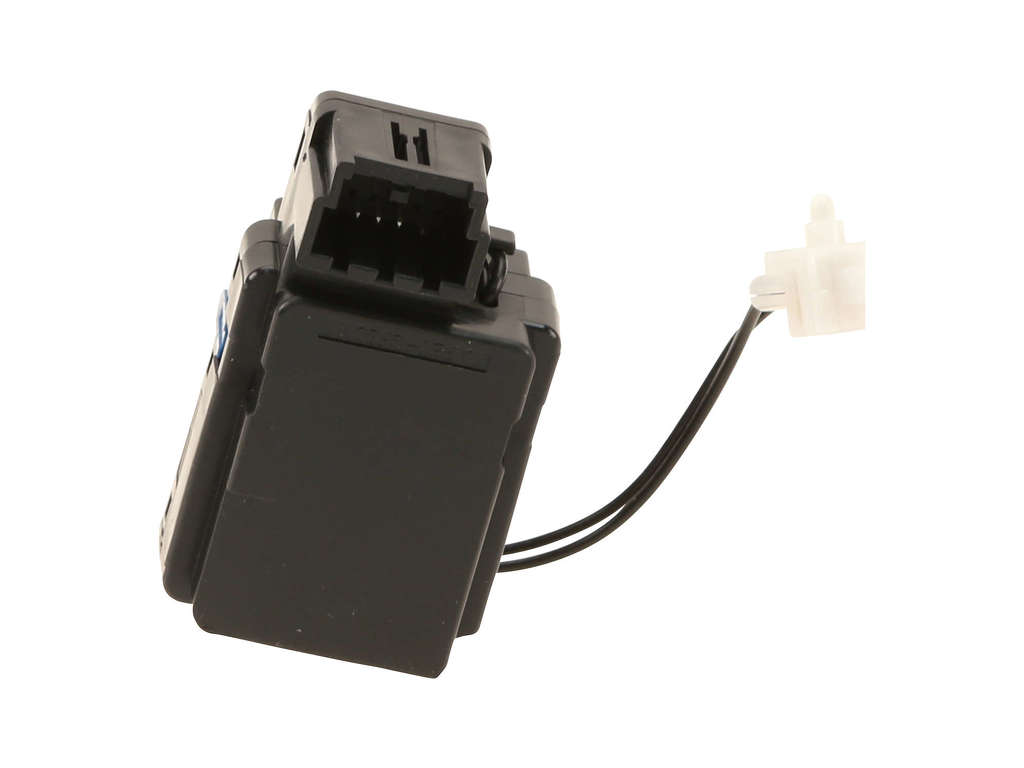
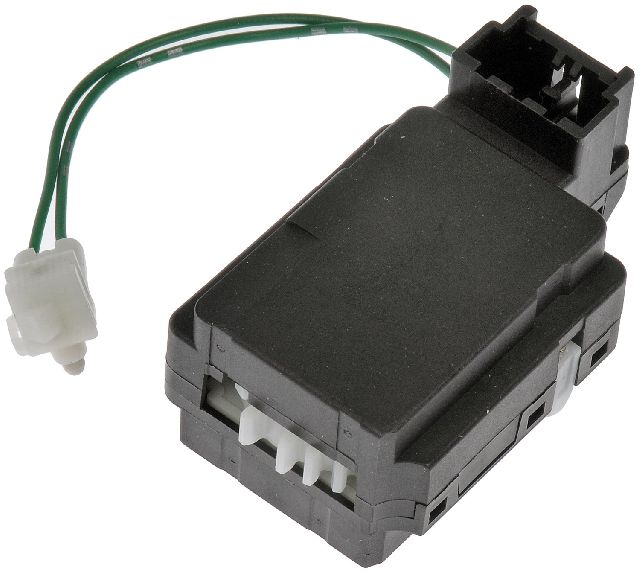
(OEM #ACDelco D1462G (Housing only), Dorman 924-796 (Full assembly))— This part contains the exciter coil that reads the key. If the coil fails, the entire cylinder assembly must be replaced. The Dorman 924-796 is a commonly cited replacement for this platform. Note that the ACDelco D1462G part is only the housing and sensor, not the lock cylinder itself.
Trusted brands: ACDelco, Dorman
OEM price range: $150-$250
Aftermarket price range: $80-$150
Related Codes That Often Appear With This One
- B3060 — This code also relates to the key transponder system, often indicating an unprogrammed key or a fault in the sensor circuit. It is frequently listed alongside B3055 in GM service bulletins.
- B3935 — This code points to a transponder mismatch, meaning the key's signal was received but not recognized. It can be set alongside B3055 during a security system fault.
- B2955 — This code indicates a fault in the Security Sensor Data Circuit and can appear with B3055 when the system fails to read the key correctly.
Technical Service Bulletins (TSBs) & Recalls
- PIC5650M / PIC5650C / PIC5650B: Addresses intermittent no-crank/no-start with security light on and DTC B3055, highlighting RFI from devices on the key ring and other in-cabin electronics like LED lights and chargers as a primary cause.
- PIE0232: An engineering information bulletin seeking data on low-mileage vehicles with B3055, also instructing technicians
- PIT5030E: Describes an intermittent no-crank condition caused by a flip-style key not being fully extended, which can set a history code B3055.
Platform-Specific Known Issues
- The GM Pass-Key III (PK3) system used in this vehicle generation is known to be sensitive, with Technical Service Bulletins issued specifically to address intermittent no-start conditions caused by Radio Frequency Interference.
- A flip-style key that is not fully extended can cause a B3055 code by misaligning the transponder with the exciter coil in the ignition cylinder.
Scan Tool Commands That Help
- GM Tech2 / GDS2 / Professional Aftermarket (Autel, Topdon, etc.): Immobilizer Data / Theft Deterrent Data List — Use this to view live data from the theft deterrent system. Look for a parameter like 'Transponder Key Status'. A reading of 'No Key Detected' when a key is in the ignition strongly suggests a bad key transponder or a faulty exciter coil.
- GM Tech2 / GDS2 / Professional Aftermarket (Auto Pro Pad, Autel IM608, etc.): Program Keys / Vehicle Security Learn — This function is required after replacing an ignition key, ignition lock cylinder, or the Body Control Module (BCM). It pairs the new components to the vehicle's security system.
Wiring & Ground Locations
- BCM (Body Control Module) — Inside the passenger cabin, to the left of the steering column, often attached to the interior fuse block assembly.. The BCM is the primary module that manages the Pass-Key III anti-theft system. All communication from the key and ignition cylinder is processed here.
- G103 — On the cowl at the left rear of the engine compartment, typically located above the brake booster.. This is a primary ground point for the Body Control Module (BCM), Instrument Panel Cluster (IPC), and Data Link Connector (DLC). A poor or corroded connection at G103 can cause intermittent and difficult-to-diagnose electronic issues, including security system faults like B3055.
- Anti-Theft System Fuse — In the under-hood fuse box, a 2-amp fuse often located at position #35.. This fuse provides power to the alarm system components. While a blown fuse might cause other symptoms, it's a simple and critical check when troubleshooting the anti-theft system.
Real Owner Repair Stories
- Hands On Auto Training YouTube Channel (2015 Chevy Malibu (similar GM Passkey system)) — No crank, no start, security light on, DTC B3055 and B2955 present.
❌ Tried (didn't work) Clearing codes (B3055 returned immediately).
✅ What actually fixed it The technician used a scan tool to view the immobilizer data and saw 'environment identification no key detected'. He confirmed the original key's transponder was dead. The fix was to program a brand new key to the vehicle using a professional scan tool (Auto Pro Pad), which resolved the no-start condition. - ADD AUTOMOBILE SERVICES YouTube Channel (2013 Chevy Equinox (similar GM Passkey system)) — Intermittent no start, security light sometimes stays on, DTC B3055.
❌ Tried (didn't work) Simply trying to start the vehicle again would sometimes work, indicating an intermittent fault.
✅ What actually fixed it The technician diagnosed a failing transponder chip in the original key. Using a key cloning tool (VVDI Key Tool), he read the data from the intermittently-failing original chip and wrote it to a new 'super chip'. He then placed this new, cloned chip inside the original key fob alongside the old one. This provided a reliable signal, and the vehicle started consistently afterward.
OEM Part Supersession History
GM 15794826, 15919460, 19120038→Dorman 924-796 (aftermarket assembly)— These are the original GM part numbers for the ignition lock cylinder assembly.
Heads up: The Dorman 924-796 is a popular aftermarket replacement that includes the lock cylinder, housing, and new keys, whereas the OEM ACDelco D1462G is often just the housing with the sensor, requiring the original lock cylinder to be swapped over.
Model Year Variations Within This Range
- 2011+: While the Pass-Key III transponder system remained consistent, some sources indicate that programming the remote keyless entry (RKE) functions (lock/unlock/remote start) may require professional tools on 2011 and newer models, whereas 2007-2010 models often allow for a simpler DIY procedure via the Driver Information Center (DIC). This suggests a possible change in BCM software or architecture around the 2011 model year.
Helpful Videos
Used OEM Parts in Stock



New Aftermarket Parts Available


The information in this article is provided for general reference and educational purposes only. Vehicle specifications, procedures, and part compatibility can vary by production date, trim level, and region. Always consult your vehicle's factory service manual and verify part numbers before purchasing or performing repairs. Safety-critical components such as airbags, seat belts, and braking systems should be installed by a qualified professional.
- Gmc YUKON DENALI:
- 🎬 Helpful Videos
- 🛍️ Shop This Part
- What's Unique About the 2007-2011 Gmc YUKON DENALI
- Diagnostic Flowchart
- Symptoms You May Notice
- Most Likely Causes
- Rare But Worth Checking
- Diagnosis Steps
- Parts You'll Likely Need
- Related Codes That Often Appear With This One
- Technical Service Bulletins (TSBs) & Recalls
- Platform-Specific Known Issues
- Scan Tool Commands That Help
- Wiring & Ground Locations
- Real Owner Repair Stories
- OEM Part Supersession History
- Model Year Variations Within This Range
- 🎟️ Get 5% Off