

B3055 on 2007-2014 GMC Yukon: No Start, Security Light Causes and Fixes
Code B3055 on a 2007-2014 GMC Yukon means the anti-theft system can't read the ignition key. This results in a no-start condition with the security light on. The most common fixes are trying a spare key, checking for radio frequency interference from other devices on your keychain, or replacing the ignition lock cylinder (OEM Part No. 25832354). Repairs can range from $0 to over $450.
- B3055 means your Yukon's anti-theft system can't read your key, which prevents the engine from starting.
- Before attempting any repairs, try the simplest fixes: remove all other fobs/cards from your keychain and try a spare key.
- A common cause is a faulty ignition lock cylinder, which contains the antenna that communicates with the key.
- Repair often requires programming new keys or modules, making professional service necessary for a permanent fix.
What's Unique About the 2007-2014 Gmc YUKON
The GMT900 platform, which includes the Yukon, Chevrolet Tahoe, and Cadillac Escalade, is well-documented for having intermittent security system issues that trigger code B3055. A notable quirk is sensitivity to Radio Frequency Interference (RFI) from other devices on the keychain, like building access cards, other car fobs, or even aftermarket USB chargers and LED lights, which can block the key's 125 kHz signal. Additionally, some models use a switchblade-style key that can cause a no-start condition if it's not fully extended and locked straight, as the angle can prevent a proper reading by the exciter ring.
Diagnostic Flowchart
Tap your situation to follow the diagnostic path that matches what you're seeing on this vehicle.
Symptoms You May Notice
- Engine will not crank or start.
- Engine starts briefly and then stalls (typically within 1-2 seconds).
- Security light is illuminated or flashing on the dashboard.
- "Service Theft Deterrent System" message on the Driver Information Center (DIC).
- Replacing the battery or starter without checking for security codes first. A no-crank condition caused by the anti-theft system can mimic a dead battery or failed starter.
- Replacing the BCM or TDM before thoroughly testing the key, RFI, and ignition lock cylinder circuits. The module is often the most expensive component and the least likely to fail.
Most Likely Causes
- Radio Frequency Interference (RFI) 🔴 High Probability The theft deterrent system is sensitive to external radio signals. GM issued multiple technical service bulletins (PIC5650 series) about this issue, listing everything from other key fobs and access cards to aftermarket LED lights and USB chargers as potential sources of interference.
How to confirm: Remove all other keys, fobs, access cards, and electronic devices from the keychain. Try starting the vehicle with the bare GMC key. If it starts, RFI was the cause.
Typical fix: Keep other RFID devices separate from the ignition key. Remove any aftermarket plug-in devices (chargers, lights) to test.
Est. part cost: $0 - Damaged or Defective Ignition Key 🟡 Medium Probability The transponder chip in the key head can be damaged from being dropped or from normal wear and tear. The internal components can fail, preventing it from sending a signal.
How to confirm: Try starting the vehicle with a known-good spare key. If the spare key works consistently, the original key is faulty. A locksmith or dealer can also test the key's transponder signal.
Typical fix: Replace the defective key. A new key must be cut to match and then programmed to the vehicle using a specific relearn procedure or a diagnostic scan tool.
Est. part cost: $50-$150 - Faulty Ignition Lock Cylinder / Exciter Ring 🟡 Medium Probability
How to confirm: If multiple known-good keys fail to start the vehicle, the problem is likely with the component that reads the key. A mechanic can test the circuits for the exciter ring (antenna) within the ignition lock cylinder housing. Wiggling the key in the ignition or tapping on the steering column near the keyhole may temporarily allow it to start, pointing to a faulty cylinder or connection.
Typical fix: Replace the ignition lock cylinder assembly. This part contains the exciter coils that energize the key's transponder. A key relearn procedure is required after replacement. The most common OEM part is GM #25832354, which supersedes #15822350.
Est. part cost: $70-$200 - Switchblade Key Not Fully Extended ⚪ Low Probability On models with a folding key, if the key is not fully locked in the straight position, it may be too far from the exciter ring to be read properly, triggering a B3055 code. This is documented in GM TSB PIT5030E.
How to confirm: If you have a folding key, ensure it is fully extended and locked before inserting it into the ignition. If this resolves the no-start, it was the cause.
Typical fix: Be mindful to fully open the key before use. No parts replacement is needed.
Est. part cost: $0
Rare But Worth Checking
- Failing Theft Deterrent Module (TDM) or Body Control Module (BCM): While less common, the module responsible for reading the key and enabling the start can fail. This is usually diagnosed after all other possibilities (key, RFI, ignition cylinder) have been ruled out. A user on Tahoe Yukon Forum reported that replacing the BCM was the ultimate fix for their security light issues.
- Wiring Harness Damage: The wires connecting the ignition lock cylinder to the TDM/BCM can become damaged, loose, or corroded, especially within the steering column or at the main fuse block. One owner on a forum fixed their security light issue by repairing a broken ground braid strap at the rear of the engine that connected to the firewall.
Diagnosis Steps
- Check for the security light on the dashboard. If it's on or flashing, the issue is with the anti-theft system. Note that a standard OBD-II reader may not see B-codes; a more advanced scanner is needed.
- Remove all other keys, fobs, and RFID cards from your keychain to eliminate Radio Frequency Interference (RFI). Also check for aftermarket phone chargers or LED lights, which are known to cause issues.
- If you have a folding 'switchblade' key, ensure it is fully extended and locked straight before inserting it into the ignition.
- Try starting the vehicle with a known-good spare key. If it starts, the primary key is the problem.
- If the spare key also fails, perform the '10-Minute Relearn Procedure': Turn the key to the 'ON' position (do not crank), and leave it for 10-15 minutes until the security light stops flashing and turns off. Turn the key off for 20-30 seconds, then try to start the engine. Some users report this may need to be repeated up to three times. This procedure is often necessary after replacing the ignition cylinder or key.
- If the relearn procedure fails, inspect the wiring and connector at the ignition lock cylinder for any visible damage or looseness. Also check main engine and chassis ground straps.
- If wiring appears okay, the next logical step is to test or replace the ignition lock cylinder assembly (e.g., GM Part #25832354).
- If a new ignition cylinder and keys do not solve the problem, the Theft Deterrent Module (TDM) or Body Control Module (BCM) may be faulty and require professional diagnosis with a scan tool.
Parts You'll Likely Need
- Ignition Lock Cylinder with Passkey
(OEM #25832354 (supersedes 15822350, 19168637))— This assembly contains the exciter ring that reads the key's transponder chip. It is a very common failure point for this code when keys and RFI have been ruled out.
Trusted brands: ACDelco (GM Genuine), Standard Motor Products, Dorman (e.g., 924-719)
OEM price range: $120-$200
Aftermarket price range: $70-$130 - Transponder Ignition Key — The chip inside the key can fail, preventing the car from recognizing it. This is often the fix if a spare key works perfectly.
Trusted brands: ACDelco
OEM price range: $80-$150
Aftermarket price range: $40-$70
Related Codes That Often Appear With This One
- B3060 — This code, 'Unprogrammed Transponder Key,' often appears with B3055 as it relates to a failure in the key identification process.
- B3935 — This code, 'Transponder Key Authentication Error,' is another related security code that can be set when the key's signal is not properly validated.
Technical Service Bulletins (TSBs) & Recalls
- PIC5650M: Mentions intermittent no crank, no start, or start stall concerns with the security light on, specifically citing DTC B3055 and a long list of potential RFI sources including aftermarket LED lights.
- PIC5650B/F/K: Discusses how Radio Frequency Identification Devices (RFID) can interfere with the Passkey system, causing intermittent no-start conditions and setting B3055. The bulletin advises checking for RFI on 125 kHz, 315 MHz, and 433 MHz frequencies.
- PIT5030E: Describes how a partially folded switchblade-style key can cause a no-start and set a B3055.
Platform-Specific Known Issues
- This vehicle generation is noted in GM Technical Service Bulletin PIC5650M for intermittent no-crank/no-start conditions related to the security system and code B3055.
- Owners on forums frequently report success by replacing the ignition lock cylinder. A user on TahoeYukonForum.com described the classic symptoms and confirmed the fix was a new cylinder.
- The 10-minute relearn procedure is a very common topic in owner forums, with some users successfully fixing the issue after a battery drain, while others find it does not resolve the underlying hardware fault.
Scan Tool Commands That Help
- Tech2 / GDS2 / Professional Scan Tool: Live Data Parameter: TDM Transponder Key — When diagnosing a B3055, view this parameter while trying each available key. The parameter should read 'Present' for a valid, recognized key and 'Not Present' if the key's transponder is not being read.
- Tech2 / MDI with SPS2: Programming Theft Deterrent System Components — This function is required after replacing the Theft Deterrent Module (TDM) or Body Control Module (BCM) to learn the new module to the vehicle and existing keys.
- Professional Scan Tool: BCM Primary Key Reset / Setup New BCM — After installing a new or reprogrammed BCM, a procedure is needed to establish a handshake with the SDM (Airbag Module). Failure to do this will leave the airbag warning light on.
Wiring & Ground Locations
- Theft Deterrent Module (TDM) — On the right side of the steering column, integrated with the ignition lock cylinder housing.. This module contains the exciter coil (antenna) that reads the key. Its connector and wiring are a primary inspection point.
- Body Control Module (BCM) — Located vertically behind the driver's side of the dashboard, to the left of the steering column.. The BCM communicates with the TDM and other modules to enable or disable starting. Poor connections or a faulty BCM can cause this code.
- G103 — A primary engine ground located on the rear of the driver's side cylinder head.. A poor engine ground can cause a voltage differential between modules, leading to communication errors and unpredictable behavior in the theft deterrent system.
- G201 — An instrument panel ground located under the driver's side dash, near the A-pillar kick panel.. This is a critical ground point for interior electronics, including the BCM. Corrosion or looseness here can directly impact the BCM and theft system operation.
- Underhood Fuse Block (MBEC) — On the driver's side of the engine bay.. This fuse block contains the fuse for the alarm system (Fuse #35, a 2A fuse in some configurations) and provides power to the BCM and other related modules.
Real Owner Repair Stories
- Reddit user, r/MechanicAdvice (2008 Chevrolet Silverado (GMT900 platform)) — No crank, no start, code B3055 set as current.
❌ Tried (didn't work) Programming the theft module and performing a 12-minute relearn procedure.
✅ What actually fixed it The diagnosis was complex. First, the mechanic found the owner was using a non-chipped key with the head of the old, broken, chipped key taped to it. After another relearn, the truck would crank but not start. The final root cause of the no-start was a missing 20A fuel pump fuse that the previous mechanic had apparently removed. The vehicle started after installing the fuse. The recommendation was still to replace the ignition cylinder and get a new, properly programmed key to prevent future B3055 issues.
"I Checked Everything" — The Actual Cause
- In a case involving a B3055, after resolving the theft system issue to the point where the engine would crank, the vehicle still wouldn't start. The actual cause was a missing fuel pump fuse, a problem completely separate from the diagnostic path for the B3055 code. This highlights how a technician can fix the reported code but miss a secondary, unrelated fault that presents as part of the same overall symptom (no start).
OEM Part Supersession History
15822350, 12458191, 12533953, 19168637→25832354— Standard part consolidation and revision by the manufacturer.
Heads up: While this part is correct for the 2007-2014 Yukon, be aware that many third-party vendors list this part number with an extremely broad application list, sometimes dating back to 1997. Always verify fitment specifically for the GMT900 platform, as internal electronics may differ from older Passlock systems even if the cylinder is physically similar.
Model Year Variations Within This Range
- 2007-2014: The fundamental Passkey III+ system that sets code B3055 is consistent across this generation. However, higher trim levels (like Denali) or vehicles with the optional 'Advanced Theft Deterrent' package may have additional sensors (inclination, interior movement, glass breakage) and a battery-backed siren. These additional components do not change the diagnosis of B3055 but add complexity to the overall security system.
Used OEM Parts in Stock



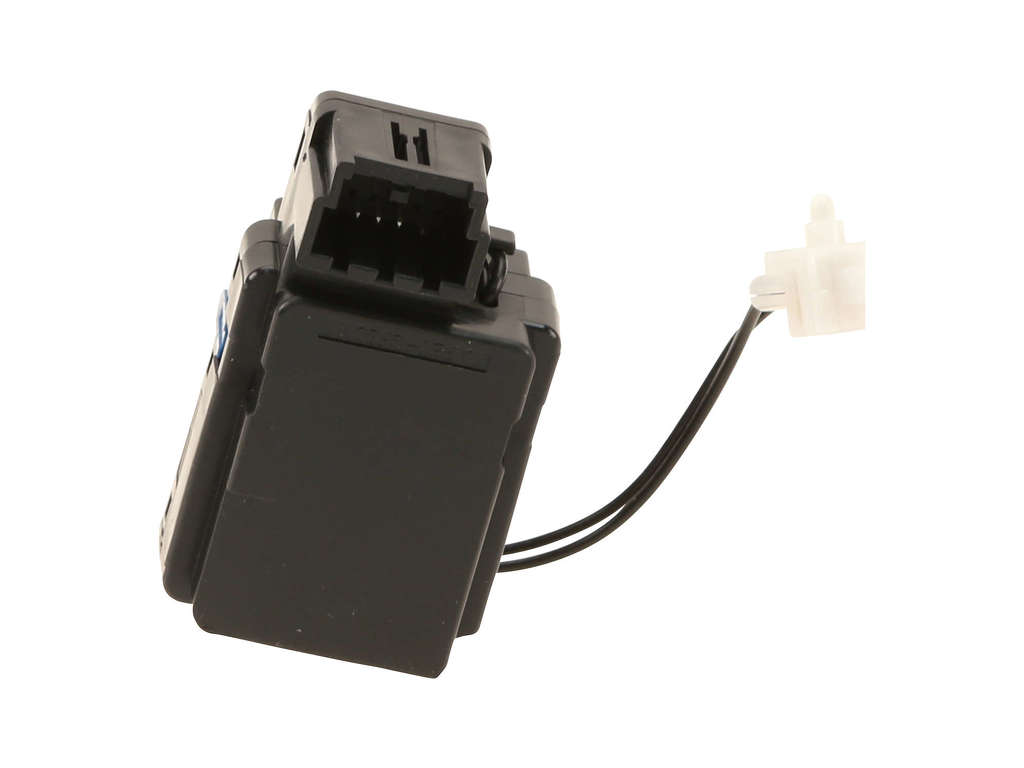
New Aftermarket Parts Available

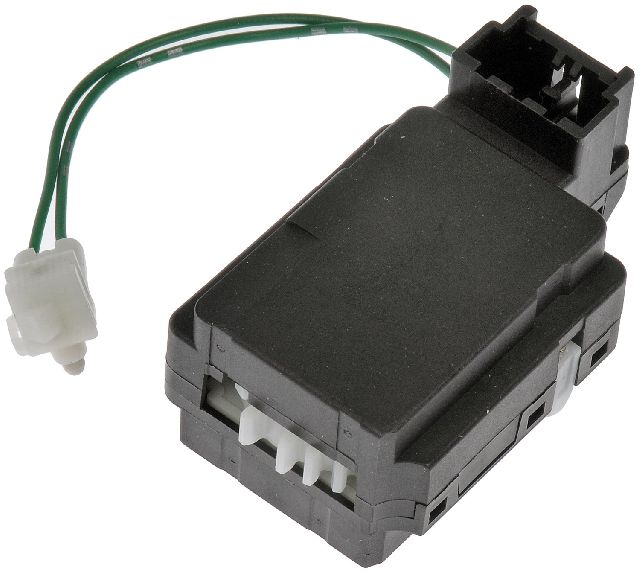

The information in this article is provided for general reference and educational purposes only. Vehicle specifications, procedures, and part compatibility can vary by production date, trim level, and region. Always consult your vehicle's factory service manual and verify part numbers before purchasing or performing repairs. Safety-critical components such as airbags, seat belts, and braking systems should be installed by a qualified professional.
- Gmc YUKON:
- 🛍️ Shop This Part
- What's Unique About the 2007-2014 Gmc YUKON
- Diagnostic Flowchart
- Symptoms You May Notice
- Most Likely Causes
- Rare But Worth Checking
- Diagnosis Steps
- Parts You'll Likely Need
- Related Codes That Often Appear With This One
- Technical Service Bulletins (TSBs) & Recalls
- Platform-Specific Known Issues
- Scan Tool Commands That Help
- Wiring & Ground Locations
- Real Owner Repair Stories
- "I Checked Everything" — The Actual Cause
- OEM Part Supersession History
- Model Year Variations Within This Range
- 🎟️ Get 5% Off