

B3055 on 2007-2010 GMC Sierra 3500: No-Start, Security Light Causes & Fixes
On a 2007-2010 GMC Sierra 3500, code B3055 means the anti-theft system can't read your key, causing a no-start and a security light. The most common causes are a bad key, radio frequency interference (RFI) from other fobs or even phone chargers, or a faulty ignition lock cylinder which houses the key reader. Trying a spare key, removing all other devices from the keychain and unplugging accessories are the first steps. If that fails, the ignition lock cylinder is the next likely culprit.
- B3055 means your truck's anti-theft system has disabled the engine because it cannot read the key.
- Before spending any money, try your spare key and remove ALL other fobs, cards, and phone chargers to rule out a bad key or radio interference.
- If you have a flip-key, make sure it is fully locked in the open position before use.
- Do not mistake this security issue for a bad starter or battery; the security light is the key symptom.
- If simple fixes don't work, the most likely failed part is the ignition lock cylinder, which contains the key's sensor.
What's Unique About the 2007-2010 Gmc SIERRA 3500
The GMT900 platform, which includes the 2007-2010 Sierra, uses the Passkey III+ anti-theft system. This system is notoriously sensitive to radio frequency interference (RFI), a fact detailed in GM Technical Service Bulletin PIC5650M. Owners frequently experience no-start conditions caused by something as simple as an aftermarket phone charger, aftermarket LED lights, a second transponder key, or even a toll pass (like E-ZPass) on the same ring. The ignition lock cylinder, which houses the reader antenna, is also a very common failure point where its thin internal wiring can break from years of rotational stress, causing an intermittent or complete loss of signal. Additionally, the main body ground point (G218) for the BCM is known to cause widespread electrical issues, including no-starts, if the connection becomes loose or corroded.
Diagnostic Flowchart
Tap your situation to follow the diagnostic path that matches what you're seeing on this vehicle.
Symptoms You May Notice
- Engine will not crank or start.
- Engine starts and then immediately stalls.
- Security light is illuminated or flashing on the dashboard.
- A "Service Theft Deterrent System" message may appear on the Driver Information Center (DIC).
- Key is difficult to turn or feels gritty in the ignition (points to a mechanical failure of the lock cylinder itself).
- Replacing the starter motor. A no-crank condition is a symptom of the security system disabling the starter; the starter itself is usually not the problem when B3055 is present.
- Replacing the battery. While a weak battery can cause various electrical issues, it is not the root cause of a B3055 code if the security light is on. A healthy battery is, however, required for proper diagnosis and for the relearn procedure to succeed.
Most Likely Causes
- Radio Frequency Interference (RFI) 🔴 High Probability The Passkey III+ system's 125 kHz signal is easily 'jammed' by other RFID devices or poorly shielded electronics. This is a well-documented issue in GM TSB PIC5650M, which lists sources like other car keys, office key cards, toll passes, and aftermarket USB chargers or LED lights.
How to confirm: Remove all other keys, fobs, and cards from the keychain. Unplug all aftermarket accessories (phone chargers, dash cams, etc.) from the power outlets. If the truck starts consistently, RFI was the cause. One owner on a forum identified a cheap USB charger as the culprit.
Typical fix: Keep other RFID devices on a separate keychain. Remove or replace low-quality electronic accessories. Use high-quality, well-shielded chargers.
Est. part cost: $0 - Defective or Damaged Ignition Key 🔴 High Probability The transponder chip inside the plastic head of the key can be damaged from being dropped or from normal wear and tear over many years. The key blade itself can also become worn, causing alignment issues.
How to confirm: Attempt to start the vehicle with a known-good spare key. If the spare key works reliably, the original key's transponder has failed.
Typical fix: The faulty key must be replaced. A new key (like a GM B111-PT blank) will need to be cut and then programmed to the vehicle using the 30-minute security relearn procedure.
Est. part cost: $70-$150 - Faulty Ignition Lock Cylinder / Exciter Coil 🟡 Medium Probability The exciter coil (antenna) that reads the key's transponder is integrated into the ignition lock cylinder housing. The fine wires in this component can break or fatigue over time due to repeated key insertions and steering column adjustments, leading to an intermittent or complete signal loss.
How to confirm: If multiple known-good keys fail to start the vehicle and RFI has been ruled out, the lock cylinder is the most likely culprit. A professional scan tool can monitor the 'Transponder Key' status in the TDM/BCM; if it reads 'Not Present' for all keys, the reader is likely bad. A resistance test of the exciter coil should read between 5-15 Ohms; an infinite reading indicates a broken coil.
Typical fix: Replace the ignition lock cylinder housing. This part often comes with a new lock and keys. A security relearn procedure is required after replacement.
Est. part cost: $100-$250
Rare But Worth Checking
- Incorrect Flip-Key Position: On models with a flip-style key, if the key is not fully extended and locked straight, it can be misaligned with the exciter coil, triggering a B3055 code. This is noted in GM TSB PIT5030E. Ensure the key is fully locked open before inserting it.
- Faulty Theft Deterrent Module (TDM) or Body Control Module (BCM): While uncommon, the module responsible for reading the key and enabling the engine can fail internally. This should only be considered after all other causes (key, RFI, lock cylinder, wiring, grounds) have been definitively ruled out.
- Damaged Wiring Harness: The wiring between the ignition lock cylinder and the TDM/BCM can become chafed or broken within the steering column, especially on vehicles with tilt/telescoping wheels. A visual inspection of the harness near the column is warranted if other fixes fail. Other known chafe points on these trucks exist near the ECM/TCM bracket and shock tower, which can cause various electrical faults.
- Poor BCM Ground at G218: The main ground for the Body Control Module, G218, is located under the driver's side dash. A loose or corroded connection here, sometimes caused by dash insulation getting trapped under the terminal, 🎬 Watch: How to find and fix common GM ground issues. can cause the BCM to malfunction and set a B3055, along with other seemingly unrelated electrical issues.
Diagnosis Steps
- Check for the security light on the dashboard. If it's on or flashing, the issue is with the anti-theft system.
- Remove ALL other keys, fobs, toll passes, and RFID cards from the keychain. Unplug any and all aftermarket phone chargers, LED lights, or accessories from the power outlets.
- If you have a flip-style key, ensure it is fully extended and locked in the straight position before inserting it into the ignition.
- Try starting the truck with a known-good spare key. If it starts, the primary key is faulty.
- If the vehicle still doesn't start, attempt the 30-minute security relearn procedure. This can resolve software glitches and is required for new keys/parts. The steps are: 1. Ensure the battery is fully charged. 2. Turn the key to the 'ON' position (do not start) and observe the security light. 3. Wait for approximately 10-11 minutes, or until the security light turns off. 4. Turn the key 'OFF' for 10 seconds. 5. Repeat steps 2-4 two more times for a total of three 10-minute cycles. 6. After the third 'OFF' cycle, the vehicle should be relearned. Attempt to start the engine. 🎬 Watch: A quick walkthrough of the 30-minute security relearn procedure.
- If the relearn procedure fails and multiple keys do not work, inspect the wiring harness at the base of the steering column for any visible damage or chafing.
- Inspect the BCM ground point G218, located under the driver's side dash, for looseness or corrosion. Ensure the dash insulation is not trapped under the ground terminal.
- If no wiring or ground issues are found, test the resistance of the exciter coil in the ignition lock cylinder. It should be between 5-15 Ohms. If it's out of spec, the ignition lock cylinder/exciter coil is faulty and needs replacement.
Parts You'll Likely Need
- Ignition Key
(OEM #B111-PT (Key Blank))— The transponder chip in the original key is a very common failure point. Trying a spare key is the easiest way to diagnose this.
Trusted brands: ACDelco, GM Genuine, Strattec
OEM price range: $70-$120
Aftermarket price range: $40-$80 - Ignition Lock Cylinder Housing
(OEM #20869121)— This component contains the exciter coil (antenna) that reads the key. The internal wiring is a known failure point that causes an inability to read any key.
Trusted brands: ACDelco (D14A1A), Dorman (924-719), Standard Motor Products
OEM price range: $150-$250
Aftermarket price range: $100-$180
Related Codes That Often Appear With This One
- B3060 — This code means 'Unprogrammed Transponder Identification Code Received'. It often appears with B3055, indicating the system detected a signal, but it wasn't a recognized key, which can happen during a system fault or failed programming attempt.
- B3935 — This code indicates 'Transponder Authentication Failed', meaning a signal was received but was incorrect. It can be set alongside B3055 during a general security system fault.
- U0140 — This code for 'Lost Communication With Body Control Module' can appear with B3055 if the BCM itself is failing or has a poor ground connection (like at G218), preventing it from communicating with other modules.
Technical Service Bulletins (TSBs) & Recalls
- PIC5650M: Addresses intermittent no crank, no start, or start stall concerns with the security light on, listing B3055 as a potential code and highlighting RFI as a cause.
- PIT5030E: Notes that on vehicles with flip-keys, not having the key fully extended can cause a poor reading and set code B3055.
- PIT5405C: While for a slightly newer generation, this TSB identifies a poor BCM ground at G218 as a cause for no-start and various electrical issues, a problem known to affect GMT900s as well.
Platform-Specific Known Issues
- A Technical Service Bulletin (TSB), #PIC5650M, was issued for intermittent no-crank or start/stall conditions with the security light on, specifically mentioning DTC B3055. It strongly points to Radio Frequency Interference (RFI) from aftermarket electronics (USB chargers, LED lights) and other RFID devices (toll passes, other keys) as a primary cause to investigate before replacing parts.
Mechanic-Grade Diagnostic Values
- Ignition Lock Cylinder Exciter Coil Resistance — expected: 5-15 Ohms. Failure: A reading of infinite resistance (open circuit) or very high resistance indicates a broken/failed coil.
- BCM Ground Circuit Resistance (at G218) — expected: Less than 10 Ohms. Failure: Resistance greater than 10 ohms indicates a poor ground connection at G218 or a problem in the wiring harness.
Scan Tool Commands That Help
- Tech2 / GDS2 or equivalent professional scan tool: View TDM/BCM Live Data > 'Transponder Key' Parameter — This is a primary diagnostic step to confirm if the vehicle's security module is detecting the key's presence at all. If the parameter reads 'Not Present' or 'Invalid' with multiple known-good keys, it strongly suggests the problem is with the reader coil (exciter), wiring, or the module itself, rather than the key.
Wiring & Ground Locations
- G218 — Under the driver's side of the dashboard, to the left of the steering column, often near the A-pillar.. This is a primary ground point for the Body Control Module (BCM). TSBs and owner forums identify that this ground can become loose or have high resistance if dash insulation gets trapped under the terminal, causing the BCM to malfunction and potentially setting a B3055 code among other electrical problems.
- Theft Deterrent Module (TDM) — On these models, the TDM is integrated with the ignition lock cylinder housing, located on the steering column.. This is the component that reads the key. Knowing its location is critical for testing its wiring harness connector for power, ground, and signal integrity back to the BCM.
- Body Control Module (BCM) — Located under the driver's side of the dash, to the left of the steering column.. The BCM is the central computer that receives the key data from the TDM and makes the decision to enable or disable the engine. All related wiring and grounds ultimately lead back to this module.
Real Owner Repair Stories
- Compilation of multiple threads on silveradosierra.com and gmtrucks.com (2007-2010 GMC Sierra / Chevy Silverado (various trims)) — Intermittent no-crank, no-start with security light illuminated. Sometimes starts and stalls immediately.
❌ Tried (didn't work) Performing the 30-minute relearn procedure multiple times., Replacing the battery., Trying a brand new, programmed key.
✅ What actually fixed it The most common definitive fix reported by owners, after ruling out keys and RFI, was the replacement of the entire ignition lock cylinder housing (often using the Dorman 924-719 or ACDelco D14A1A part), followed by a successful 30-minute relearn procedure. This points to the internal exciter coil wiring as the eventual failure point.
When the Usual Fixes Don't Work
- While the most common fixes for B3055 involve the key or the ignition lock cylinder, a significant number of GMT900 truck owners have traced persistent, intermittent electrical issues, including no-starts, to a poor Body Control Module ground at location G218. Before replacing an expensive BCM, a technician should always inspect this ground under the driver's side dash. A TSB for a later generation (PIT5405C) highlights this exact issue, where dash insulation gets trapped under the ground nut, causing high resistance and erratic module behavior that can mimic a component failure.
OEM Part Supersession History
12458191, 12533953, 15822350, 19168637→25832354— Part consolidation and revision.
Heads up: This part number series (25832354) primarily fits older GM W-Body cars (e.g., 2000-2005 Impala/Monte Carlo) and is likely incorrect for the 2007-2010 Sierra. The correct OEM part is likely 20869121.
Helpful Videos
Used OEM Parts in Stock

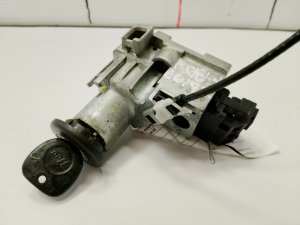
New Aftermarket Parts Available
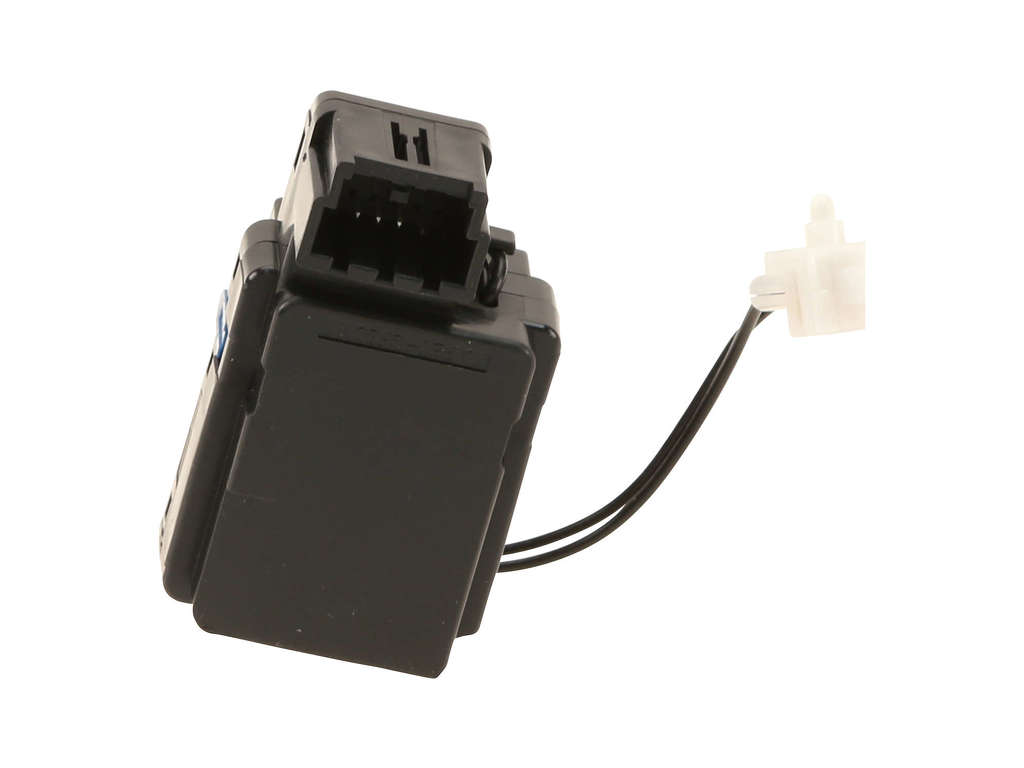
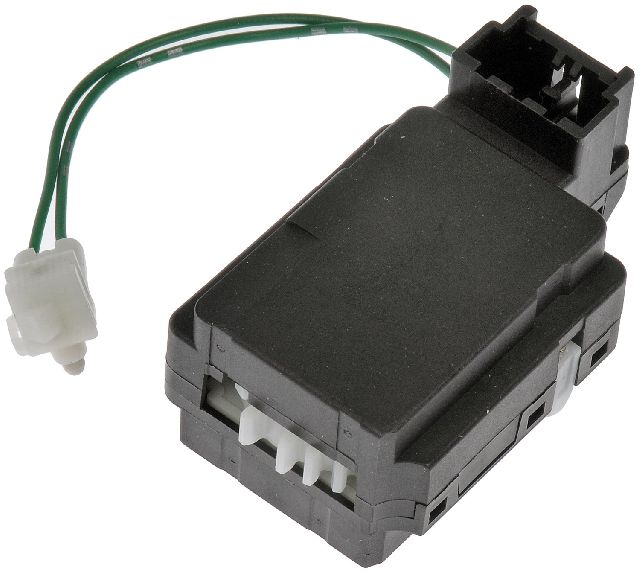


The information in this article is provided for general reference and educational purposes only. Vehicle specifications, procedures, and part compatibility can vary by production date, trim level, and region. Always consult your vehicle's factory service manual and verify part numbers before purchasing or performing repairs. Safety-critical components such as airbags, seat belts, and braking systems should be installed by a qualified professional.
- Gmc SIERRA 3500:
- 🎬 Helpful Videos
- 🛍️ Shop This Part
- What's Unique About the 2007-2010 Gmc SIERRA 3500
- Diagnostic Flowchart
- Symptoms You May Notice
- Most Likely Causes
- Rare But Worth Checking
- Diagnosis Steps
- Parts You'll Likely Need
- Related Codes That Often Appear With This One
- Technical Service Bulletins (TSBs) & Recalls
- Platform-Specific Known Issues
- Mechanic-Grade Diagnostic Values
- Scan Tool Commands That Help
- Wiring & Ground Locations
- Real Owner Repair Stories
- When the Usual Fixes Don't Work
- OEM Part Supersession History
- 🎟️ Get 5% Off