

B3055 on 2007-2014 GMC Savana 2500: No-Start, Security Light Causes and Fixes
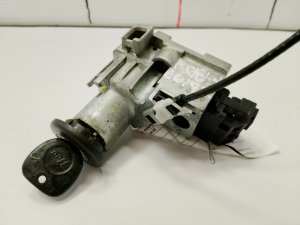
On a 2007-2014 GMC Savana, code B3055 means the anti-theft system can't read your key, causing a no-start or start-and-stall condition. The most likely fix is replacing the ignition lock cylinder housing, which contains the key reader, or replacing a faulty key. A security relearn procedure is required after replacement.
- B3055 means your Savana's anti-theft system has been triggered and is preventing the engine from starting.
- Before buying any parts, try your spare key and remove all other fobs or RFID cards from your keychain to rule out the simplest causes.
- Do not immediately replace the starter or battery; the security light is the key indicator that this is an immobilizer issue.
- If you replace the ignition lock cylinder housing or key, a 30-minute security relearn procedure is mandatory for the vehicle to start.
What's Unique About the 2007-2014 Gmc SAVANA 2500
The GM Passkey III+ system used in this generation of Savana vans is known for the transponder reader (exciter coil) failing over time. This reader is integrated into the ignition lock cylinder housing, not the lock cylinder itself. This leads to the common symptom of an intermittent no-crank or start-and-stall condition, which is well-documented by GM in Technical Service Bulletin PIC5650M. Unlike some other issues, the problem is less often the computer (BCM) and more frequently the physical components at the ignition switch or the key itself. The issue is shared directly with its platform mate, the Chevrolet Express.
Symptoms You May Notice
- Engine will not crank or start.
- Engine starts briefly then immediately stalls.
- Security light on the dashboard is illuminated solid or flashing.
- 'Service Theft Deterrent System' message on the instrument cluster.
- Remote start function is disabled.
- Replacing the starter motor or starter relay without checking for security codes first. The security system intentionally disables the starter relay.
- Replacing the battery without confirming it has failed a load test and that security codes are not the root cause of the no-start.
- Replacing only the mechanical ignition lock cylinder. The reader coil is in the surrounding housing, so replacing just the cylinder where the key inserts will not fix a sensor-related B3055.
Most Likely Causes
- Faulty Ignition Lock Cylinder Housing (Passlock Sensor/Exciter Coil) 🔴 High Probability The sensor/exciter coil that reads the key is a known failure point on this platform. It is integrated into the lock cylinder housing and can fail from wear, vibration, and age.
How to confirm: After ruling out the key and RFI, this is the most likely component. A technician with a scan tool can monitor the 'Transponder Key' data parameter; if it intermittently switches between 'Present' and 'Not Present' while wiggling the key, the housing/coil is failing.
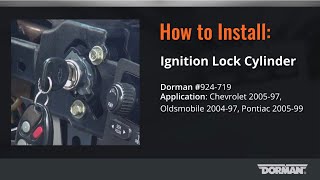
Typical fix: Replace the ignition lock cylinder housing and perform the 30-minute security relearn procedure. The OEM part number is often 25832354 (which supersedes 12458191, 15822350, and others). Aftermarket options include Dorman 924-719.
Est. part cost: $70-$170 - Faulty or Damaged Ignition Key 🟡 Medium Probability The transponder chip (often a PK3+ chip) inside the key head can be damaged if the key is dropped, exposed to moisture, or simply fails internally over time.
How to confirm: The easiest and most definitive test is to try a known-good spare key. If the vehicle starts and runs with the spare, the original key is faulty. A locksmith can also test the transponder signal directly.
Typical fix: A new key (such as a B111-PT blank) must be purchased, cut to match the ignition, and then electronically programmed to the vehicle. This can be done via the 30-minute relearn procedure or with a locksmith's/dealer's scan tool.
Est. part cost: $70-$150 - Radio Frequency Interference (RFI) 🟡 Medium Probability The Passkey system operates on a low-frequency (125 kHz) signal that is susceptible to interference from other RFID devices, as noted in GM TSB PIC5650M. As work vans, Savanas are often filled with aftermarket electronics like phone chargers, power inverters, and tool trackers that can cause RFI.
How to confirm: Remove all other keys, fobs, access cards, and gas station payment tags from the keychain. Also unplug any aftermarket chargers or devices inside the cab. Try to start the vehicle with only the single ignition key. If it starts, RFI was the cause.
Typical fix: Keep other RFID-enabled devices and aftermarket electronics separate from the ignition key when starting the vehicle.
Est. part cost: $0 - Wiring or Connector Issue ⚪ Low Probability
How to confirm: Visually inspect the small wires coming from the ignition lock cylinder housing for any signs of chafing, breaks, or loose pins at the connector where it joins the main harness in the steering column. This requires removing the steering column shrouds.
Typical fix: Repair the damaged section of wiring or re-seat the connector.
Est. part cost: $5-$50
Rare But Worth Checking
- Low Vehicle Battery Voltage: A weak or failing battery can cause a drop in voltage during cranking that leads to communication errors between modules, sometimes setting a false B3055 code. Always ensure the battery is fully charged (above 12.4V) and healthy before diagnosing other components. A stable voltage is required for a successful relearn procedure.
- Faulty Body Control Module (BCM): While the BCM is the control center for the anti-theft system, it is not a common failure point for this specific code. It should only be considered after all other causes (key, lock cylinder housing, wiring) have been definitively ruled out.
Diagnosis Steps
- Scan the Body Control Module (BCM) for codes. Confirm B3055 is present and note any other codes like B3060, B3935, or B2955.
- Observe the security light on the dashboard when trying to start the vehicle. A solid or flashing light confirms a theft system issue.
- Rule out Radio Frequency Interference (RFI) by removing all other keys, fobs, and RFID cards from the keychain and unplugging any aftermarket devices. Try to start the vehicle again.
- Try to start the vehicle with a known-good spare key. If it starts, the primary key is the problem.
- Check the vehicle's battery voltage to ensure it is above 12.4V and stable. A low or weak battery can cause communication errors and prevent a successful relearn.
- Attempt the 30-minute security relearn procedure. The steps are: 1. Turn the key to 'ON' (run position) and wait about 10-11 minutes for the security light to turn off. 2. Turn the key 'OFF' for 5-10 seconds. 3. Repeat this process two more times for a total of three 10-minute cycles. 4. After the third cycle, turn the key off, then try to start the engine. If this works, it confirms a security data mismatch and points toward a failing hardware component.
- If the above steps fail, inspect the wiring and connectors between the ignition lock cylinder housing and the BCM for damage.
- If all other diagnostics fail, the ignition lock cylinder housing (containing the exciter coil) is the most likely failed component and should be replaced.
Parts You'll Likely Need
- Ignition Lock Cylinder Housing
(OEM #25832354)— This part contains the Passlock sensor and exciter coil that reads the key's transponder. It is the most common hardware failure for code B3055 on this platform.
Trusted brands: ACDelco, Dorman (924-719), Standard Motor Products
OEM price range: $150-$285
Aftermarket price range: $70-$150 - Transponder Ignition Key
(OEM #22733524 (GM Blank PK3+))— If a spare key works, the original key's internal transponder chip has failed. A new key is required.
Trusted brands: ACDelco, Strattec
OEM price range: $70-$150
Aftermarket price range: $40-$80
Related Codes That Often Appear With This One
- B3060 — This code for 'Unlearned Key Detected' often appears with B3055, as the system may see a transponder but fail to recognize its programming during a failed read attempt.
- B3935 — This code for 'Transponder Authentication Error' is part of the same security event, indicating the key's signal was received but deemed invalid, which can happen due to interference or a failing component.
- B2955 — Indicates a 'Security System Sensor Data Circuit Malfunction' and can be set alongside B3055, pointing more directly to an electrical issue with the exciter coil circuit.
Technical Service Bulletins (TSBs) & Recalls
- PIC5650M (and later revisions like PIC5650K): Addresses intermittent no crank, no start, or start/stall with the security light on, listing B3055 as a possible cause. The bulletin emphasizes checking for Radio Frequency Interference (RFI) from aftermarket devices like phone chargers, LED lights, and even other keys before replaci
Platform-Specific Known Issues
- GM Technical Service Bulletin PIC5650M directly addresses an intermittent no crank, no start, or start/stall concern with the security light on, specifically listing B3055 as a potential diagnostic code for this issue.
- GM TSB PIT5030E, while for other models with flip-keys, highlights the sensitivity of the Passkey system to key position. If a key is not fully inserted or is angled, it can cause a B3055. This principle applies even with the Savana's standard key.
Mechanic-Grade Diagnostic Values
- Scan Tool Live Data: TDM/BCM 'Transponder Key' Parameter — expected: Present. Failure: Parameter reads 'Not Present' when a known-good key is in the ignition and turned to ON.
- TDM/BCM Ground Circuit Resistance — expected: Less than 10 ohms. Failure: A resistance value greater than 10 ohms between the BCM ground pin and a clean chassis ground point indicates an open or high-resistance ground connection.
- Passkey III+ Exciter Coil Resistance — expected: Not Applicable. Failure: The Passkey III+ system uses an RFID transponder and does not rely on a measurable resistance pellet in the key like the older VATS/Passlock systems. Testing resistance of the key itself is not a valid diagnostic procedure for B3055.
Hidden / Shadow Codes Worth Checking
- B3055 00: The '00' is a standard symptom byte that means 'No Sub Type Information.' It indicates that the base DTC B3055 provides the complete description of the fault, and no more specific detail is available from a sub-code. (see via Visible on dealer-level scan tools like the GM Tech2 or GDS2, as well as some advanced aftermarket tools when reading codes from the Body Control Module (BCM).)
Scan Tool Commands That Help
- Tech2 / GDS2: Immobilizer Data / TDM Data Display — Use this to monitor the 'Transponder Key State' or 'Transponder Key' parameter in the BCM/TDM live data. When a valid key is turned ON, this should change from 'Not Present' to 'Present'. If it fails to change for all keys, it points to a failed exciter coil or wiring. If it fails for only one key, that key is bad.
- Tech2 / GDS2: Special Functions > Add/Replace Keys or VTD Re-Learn — This function is required after replacing a key, the BCM, or the ignition lock cylinder housing. It initiates the security relearn process so the vehicle will accept the new or existing components. It is a more robust method than the manual 30-minute procedure.
- Tech2 / GDS2: Special Functions > New BCM Setup — This is required ONLY when replacing the Body Control Module. It programs the vehicle's VIN and specific options (RPO codes) into the new module before key programming can be performed.
Wiring & Ground Locations
- G201 — In the upper left corner of the instrument panel, near the driver-side A-pillar.. This is a primary instrument panel ground. A poor connection here can cause intermittent issues with modules located in the dash, including the BCM or instrument cluster, potentially leading to communication errors that could manifest as a B3055.
- G304 — Behind the right (passenger side) kick panel.. This ground serves several instrument panel components. According to GM Service Information, it is critical to disconnect the negative battery cable before servicing BCM-related grounds to prevent module damage. A fault at G304 could interrupt the BCM's ground path.
- Ignition Switch Connector — On the steering column, connecting to the ignition lock cylinder housing.. This connector contains the wiring for the Passkey III+ exciter coil. The small-gauge wires in this harness are susceptible to damage or chafing from the tilt/telescope function of the steering column, which can cause an open or short in the circuit and trigger a B3055 code.
Real Owner Repair Stories
- Chevrolet Forum user (2009 Chevrolet Express (platform twin)) — Intermittent no-start with code B3055 after the steering column was disassembled for other work.
❌ Tried (didn't work) Initial diagnosis was unclear due to the intermittent nature.
✅ What actually fixed it The wiring harness between the ignition lock cylinder and the BCM was found to be damaged during the prior steering column work. Repairing the damaged wires resolved the B3055 code and the no-start condition.
OEM Part Supersession History
12458191, 15822350→25832354— Part consolidation and potential design updates over time.
Heads up: Part number 25832354 is the widely recognized replacement for the ignition lock cylinder housing for this platform. While it may also fit other GM cars like the Impala/Monte Carlo, it is the correct service part for the Savana/Express vans in this year range. Always verify fitment with the vehicle's VIN.
Model Year Variations Within This Range
- 2007-2014: Throughout this generation, the anti-theft functions were primarily handled by a dedicated Theft Deterrent Module (TDM) or were integrated within the Body Control Module (BCM). While the diagnostic approach for B3055 is nearly identical regardless of the specific module, a technician with a scan tool would need to know whether to communicate with the TDM or the BCM to view the relevant security data.
Helpful Videos
We Have This Part in Stock


The information in this article is provided for general reference and educational purposes only. Vehicle specifications, procedures, and part compatibility can vary by production date, trim level, and region. Always consult your vehicle's factory service manual and verify part numbers before purchasing or performing repairs. Safety-critical components such as airbags, seat belts, and braking systems should be installed by a qualified professional.
- Gmc SAVANA 2500:
- 🎬 Helpful Videos
- 🛍️ Shop This Part
- What's Unique About the 2007-2014 Gmc SAVANA 2500
- Symptoms You May Notice
- Most Likely Causes
- Rare But Worth Checking
- Diagnosis Steps
- Parts You'll Likely Need
- Related Codes That Often Appear With This One
- Technical Service Bulletins (TSBs) & Recalls
- Platform-Specific Known Issues
- Mechanic-Grade Diagnostic Values
- Hidden / Shadow Codes Worth Checking
- Scan Tool Commands That Help
- Wiring & Ground Locations
- Real Owner Repair Stories
- OEM Part Supersession History
- Model Year Variations Within This Range
- 🎟️ Get 5% Off