

B3055 on 2007-2009 GMC Envoy: Security Light, No-Start Causes and Fixes
Code B3055 on a 2007-2009 GMC Envoy almost always means the anti-theft system has failed, causing a no-start or start-and-stall condition. The most common cause is a faulty ignition lock cylinder/switch assembly which contains the key reader coil. The fix typically involves replacing the switch and performing a 30-minute security relearn procedure.
- B3055 means your Envoy's anti-theft system is preventing it from starting.
- Before buying parts, try a spare key and perform the 30-minute security relearn procedure.
- The most common mechanical failure is the ignition lock cylinder/switch, not the key or computer.
- After replacing the ignition switch, the 30-minute relearn procedure is not optional; it's required to make the vehicle start.
- Do not immediately suspect the starter or fuel pump; the security light is the key clue pointing to an immobilizer issue.
What's Unique About the 2007-2009 Gmc ENVOY
The GMC Envoy from this era uses GM's Passkey III (PK3) immobilizer system, which is known for being sensitive. Unlike some systems where the issue is just the key, on the GMT360 platform (which the Envoy, Chevrolet Trailblazer, Buick Rainier, Isuzu Ascender, and Saab 9-7x are built on), the ignition switch and the lock cylinder that houses the reader coil are very common failure points. Owners frequently experience the classic 'start-and-stall' or 'no-crank' symptom accompanied by a flashing security light, which points directly to this well-documented weakness in the ignition and security handshake.
Diagnostic Flowchart
Tap your situation to follow the diagnostic path that matches what you're seeing on this vehicle.
Symptoms You May Notice
- Engine will not crank or start.
- Engine starts for a second and then immediately dies (start-stall).
- Security indicator light is on solid or flashing on the instrument cluster.
- A "Service Theft Deterrent System" message may appear on the Driver Information Center.
- Key is not recognized intermittently.
- Replacing the starter motor. A no-crank symptom can be mistaken for a bad starter, but the presence of the security light and code B3055 points to the anti-theft system.
- Replacing the fuel pump. A start-and-stall symptom can be mistaken for a failing fuel pump, but the security system is what's actually cutting the fuel supply.
Most Likely Causes
- Faulty Ignition Lock Cylinder / Switch 🔴 High Probability The internal contacts and the exciter coil within the ignition switch assembly wear out over time, a common issue on the GMT360 platform. This part is responsible for energizing and reading the key's transponder chip, and its failure is the most frequent cause of B3055.
How to confirm: After ruling out the key and RFI, this is the most likely component. A professional scan tool can monitor the BCM's key-reading status. If the status is 'Invalid Key' or 'Not Present' with a known-good key, the switch assembly is the prime suspect.
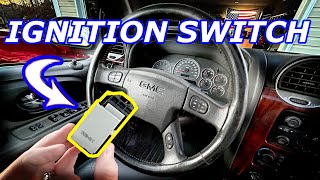
Typical fix: Replace the ignition lock cylinder housing (which includes the sensor) and/or the electrical portion of the ignition switch. 🎬 See this step-by-step ignition switch replacement walkthrough A security relearn procedure is mandatory after replacement.
Est. part cost: $60-$150 - Defective or Damaged Ignition Key 🟡 Medium Probability The transponder chip in the key head can fail from being dropped or from internal electronic failure. Keys with a flip-out design can also fail to make proper contact if not fully extended.
How to confirm: Attempt to start the vehicle with a spare key. If the spare key works consistently, the original key's internal transponder chip is faulty. A locksmith can also test the transponder directly.
Typical fix: Replace the faulty key. A new key must be cut and programmed to the vehicle using a relearn procedure.
Est. part cost: $40-$120 - Radio Frequency Interference (RFI) ⚪ Low Probability GM TSB PIC5650M specifically calls out RFI as a cause for B3055. The Passkey III system operates on a low frequency (125 kHz) that can be easily 'jammed' by other electronic devices.
How to confirm: Remove all other keys, fobs, toll passes, and electronic devices (like aftermarket phone chargers or LED lights) from the keychain and from the immediate vicinity of the ignition switch. Attempt to start the vehicle with the bare key. If it starts, RFI was the issue.
Typical fix: Keep other electronic devices and keys away from the ignition key when starting the vehicle.
Est. part cost: $0 - Wiring Harness Damage ⚪ Low Probability The wiring from the ignition switch runs through the steering column and can become chafed, pinched, or damaged over time, especially in vehicles with tilt steering. This can cause an intermittent connection to the BCM.
How to confirm: Visually inspect the wiring harness connected to the ignition lock cylinder for any signs of damage, loose connections, or corrosion. This requires removing the steering column shrouds. A multimeter can be used to check for continuity between the switch connector and the BCM.
Typical fix: Repair the damaged section of the wiring harness and secure it to prevent future damage.
Est. part cost: $5-$50
Rare But Worth Checking
- Faulty Body Control Module (BCM): While rare, the BCM itself can fail. This should only be considered after all other possibilities, including the ignition switch, key, and wiring, have been thoroughly ruled out, as it is an expensive and complex repair requiring dealer-level programming.
Diagnosis Steps
- Check for Radio Frequency Interference (RFI). Remove all other keys and electronic devices from your keychain and try starting the vehicle again.
- Try a spare key. If the vehicle starts and runs with the spare key, the original key is defective.
- Check the vehicle's main battery. Ensure the battery is fully charged and the terminals are clean and tight. A low voltage condition can cause erratic behavior in the security system.
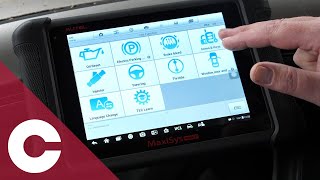
- Attempt the Security Relearn Procedure. This can sometimes temporarily resolve the issue, confirming a security system fault. Turn the key to the 'ON' position (do not start). The security light will be on or flashing. Wait for approximately 10 minutes until the light turns off. Turn the ignition completely off for 20 seconds. Repeat this cycle two more times for a total of three cycles (about 30 minutes). After the third cycle, the key should be relearned. 🎬 Watch: How to correctly perform the GM security relearn procedure
- If the relearn fails, inspect the wiring to the ignition lock cylinder for any visible damage. This will require removing the plastic steering column covers.
- If wiring is okay, the most likely cause is a failed ignition lock cylinder/switch. Replace this component.
- After replacing the ignition switch, perform the 30-minute security relearn procedure again to program the new components to the vehicle.
Parts You'll Likely Need
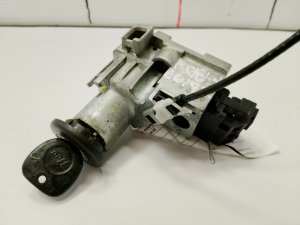
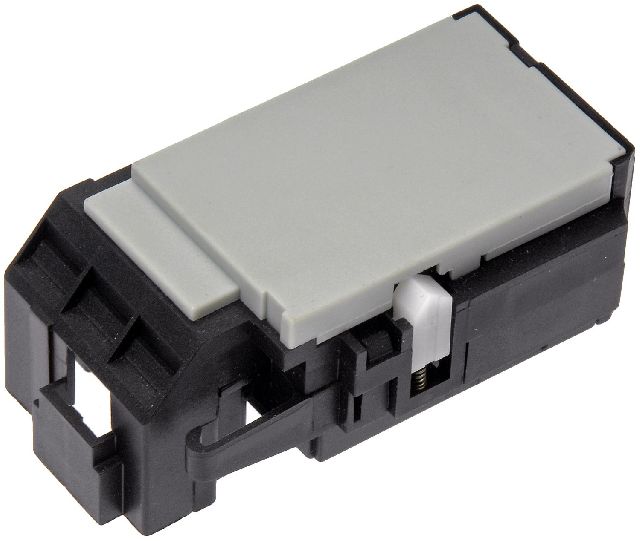
- Ignition Lock Cylinder with Passlock Sensor
(OEM #ACDelco D1462G (replaces GM 15822350))— This is the most common failure point for code B3055 on this platform. The sensor (exciter coil) that reads the key is integrated into this assembly and wears out.
Trusted brands: ACDelco, Standard Motor Products (SMP US286L), Dorman
OEM price range: $100-$150
Aftermarket price range: $60-$110 - Transponder Ignition Key
(OEM #GM B111-PT (PK3+))— If the transponder chip inside the key head has failed, the key itself will need to be replaced and programmed.
Trusted brands: ACDelco, JMA, Ilco
OEM price range: $70-$120
Aftermarket price range: $40-$80
Related Codes That Often Appear With This One
- B3060 — This code for 'Unprogrammed Transponder' often appears with B3055 because they both relate to a communication failure between the key and the theft deterrent module.
- B3935 — Another transponder circuit malfunction code that can be triggered by the same root causes as B3055, such as a faulty ignition switch or key.
Technical Service Bulletins (TSBs) & Recalls
- PIC5650M: Addresses intermittent no crank, no start, or start stall concerns with the security light on, and lists B3055 as a potential DTC. It emphasizes diagnosing RFI from aftermarket accessories.
- PIT5030E: While for newer models, it's relevant as it describes a no-crank condition caused by flip-style keys not being fully extended, which can also set a B3055.
Platform-Specific Known Issues
- A Technical Service Bulletin (TSB #PIC5650M) was issued for these vehicles regarding an intermittent no crank, no start, or start/stall with the security light on, specifically mentioning DTC B3055 as a related code. The TSB strongly advises checking for Radio Frequency Interference (RFI) from aftermarket devices like phone chargers, LED lights, or even non-GM keys on the same keychain before replacing any parts.
Mechanic-Grade Diagnostic Values
- Passlock Sensor Signal Wire (Yellow) Voltage — expected: 4.7-5.0V with key in IGN 0 (OFF). Should drop to a specific, stable voltage when key is turned to IGN 1 (ON) or CRANK.. Failure: Voltage is erratic, does not drop, or drops to 0V when the key is turned. Comparing the voltage during a no-start event to a normal start can confirm the fault.
- Passlock Sensor Power Wire (Red/White to Black) Voltage — expected: 9.0V or higher in all key positions (IGN 0, IGN 1, CRANK).. Failure: Voltage below 9.0V indicates a power supply issue to the sensor, likely from the BCM or related wiring.
Hidden / Shadow Codes Worth Checking
- B3055 00: No Transponder Modulation or No Transponder - No Sub Type Information. This is the most common variant, indicating the BCM received no signal at all from the key's transponder chip. (see via GM Tech2, GDS2, or other professional-grade scan tools that can read manufacturer-specific symptom bytes.)
- B3055 5A: No Transponder Modulation or No Transponder - Plausibility Failure. This indicates the BCM received a signal, but it was illogical, corrupt, or outside the expected range, which can point towards Radio Frequency Interference (RFI) or an intermittent failure of the key's chip. (see via GM Tech2, GDS2, or other professional-grade scan tools.)
Scan Tool Commands That Help
- GM Tech2 / GDS2: View Live Data > BCM (or TDM) > Immobilizer Data — Use this to monitor the 'TDM Transponder Key' or similar parameter. With a key in the ignition, it should read 'Present' or 'Valid'. If it reads 'Not Present' or 'Invalid Key', it confirms a failure in reading the key, pointing to the key itself, the ignition switch/reader coil, or wiring.
Wiring & Ground Locations
- BCM Location — Attached to the fuse block located under the left rear seat.. This is the control module for the Passkey III system. All wiring from the ignition switch's key reader coil terminates here. A poor connection at the BCM is a possible point of failure.
- G302 — On the lower left 'B' pillar (the pillar between the front and rear doors).. This is a primary ground point for the Body Control Module (BCM). A loose or corroded G302 can cause intermittent BCM operation, leading to a B3055 code and other electrical issues.
- G103 — On the cowl in the left rear of the engine compartment, typically above the brake booster.. This is another critical ground that serves the BCM, Instrument Panel Cluster (IPC), and Data Link Connector (DLC). A fault here can disrupt communication and power, triggering security faults.
Real Owner Repair Stories
- GMTNation Forum user 'TJBaker57' (2006 GMC Envoy SLT (same platform and system)) — An intermittent no-start condition with Passlock security codes (B2960 mentioned, similar to B3055) that persisted for over 5 years.
❌ Tried (didn't work) The owner was considering a resistor bypass, but noted that if the problem was a poor connection in the wiring, the bypass would not work, indicating a need for proper diagnosis.
✅ What actually fixed it The resolution was found in proper diagnosis rather than parts replacement. The user provided specific voltage tests for the three wires at the Passlock sensor (power, ground, and signal). By back-probing the connector and measuring the yellow signal wire's voltage during a no-start event, one could confirm if the ignition lock cylinder's sensor was failing to send the correct signal drop to the BCM, thus isolating the fault to the switch itself.
OEM Part Supersession History
GM 15822350→ACDelco D1462G— Standard part number update from GM OE to ACDelco Genuine Parts branding.
Heads up: No known incompatibilities. D1462G is the direct replacement for the original part on this platform.
Helpful Videos
Used OEM Parts in Stock
New Aftermarket Parts Available


The information in this article is provided for general reference and educational purposes only. Vehicle specifications, procedures, and part compatibility can vary by production date, trim level, and region. Always consult your vehicle's factory service manual and verify part numbers before purchasing or performing repairs. Safety-critical components such as airbags, seat belts, and braking systems should be installed by a qualified professional.
- Gmc ENVOY:
- 🎬 Helpful Videos
- 🛍️ Shop This Part
- What's Unique About the 2007-2009 Gmc ENVOY
- Diagnostic Flowchart
- Symptoms You May Notice
- Most Likely Causes
- Rare But Worth Checking
- Diagnosis Steps
- Parts You'll Likely Need
- Related Codes That Often Appear With This One
- Technical Service Bulletins (TSBs) & Recalls
- Platform-Specific Known Issues
- Mechanic-Grade Diagnostic Values
- Hidden / Shadow Codes Worth Checking
- Scan Tool Commands That Help
- Wiring & Ground Locations
- Real Owner Repair Stories
- OEM Part Supersession History
- 🎟️ Get 5% Off