

B3055 on 2011-2018 Chevrolet Volt: Key Not Detected, No Start Causes and Fixes
Code B3055 on a Chevy Volt almost always means the car's security system can't read the key, causing a no-start. The most common fix is to remove aftermarket phone chargers or other electronic devices causing radio interference. If that fails, try the spare key or replace the key fob battery (CR2032).
- B3055 means your Volt cannot read your key, and it will not start.
- The most likely cause is a phone charger or other electronic device interfering with the key's signal. Unplug everything before spending money on repairs.
- Your next steps are to try your spare key and replace the battery in the key fob that isn't working.
- If a new key or module is needed, it must be professionally programmed to your vehicle's security system.
- Do not replace the starter or 12V battery for this code until all security system checks have been performed.
What's Unique About the 2011-2018 Chevrolet VOLT
The Chevrolet Volt, like many modern GM vehicles, is highly susceptible to Radio Frequency Interference (RFI). Multiple GM Technical Service Bulletins (TSBs), including the PIC5650 series, highlight that aftermarket devices, especially phone chargers plugged into the 12V outlets, can 'jam' the low-power signal used by the immobilizer system, triggering a B3055 code. This is not a part failure but an environmental issue. Before suspecting expensive modules, the first step on a Volt is always to unplug all aftermarket electronics and remove other RFID-enabled cards from the keychain. This issue is so common that GM has released multiple bulletins about it across its vehicle lineup.
Diagnostic Flowchart
Tap your situation to follow the diagnostic path that matches what you're seeing on this vehicle.
Generation note: This range covers the 1st generation (2011-2015) and 2nd generation (2016-2018) Volt. The primary cause, RFI, affects both. However, Gen 1 models with a traditional flip key can also trigger this code if the key is not fully extended and locked straight when inserted into the ignition, a condition noted in GM TSB PIT5030E. Gen 2 models use a keyless push-to-start system, where a weak fob battery is a more common issue; placing the fob in the designated transmitter pocket inside the center console may allow the car to start as a backup method.
Symptoms You May Notice
- Vehicle will not crank when the start button is pushed or key is turned.
- Engine starts briefly and then immediately shuts off (start-stall).
- The security indicator light (often a car with a padlock symbol) is illuminated or flashing on the dashboard.
- A 'Service Theft Deterrent System' message may appear on the driver information center.
- Remote keyless entry functions may be intermittent or inoperative.
- Message on DIC may read 'No Fob Detected' or 'Theft Attempted'.
- Replacing the starter motor. A no-crank condition from B3055 is due to a security command, not a failed starter. A technician on Reddit shared a story of a customer who was convinced the starter was bad when the issue was a broken key causing a B3055 code.
- Replacing the 12V battery without checking for RFI first. While a bad battery can cause issues, B3055 is most often an interference problem.
- Assuming a used BCM can be swapped in. A replacement BCM must be a new unit and programmed specifically to the vehicle's VIN and security information.
Most Likely Causes
- Radio Frequency Interference (RFI) from Aftermarket Devices 🔴 High Probability As documented in GM TSB PIC5650 and its revisions, the vehicle's security system operates on a low-power frequency that is easily disrupted by poorly shielded electronics like phone chargers, dash cams, power inverters, or even toll passes. This is the most common cause for an intermittent B3055.
How to confirm: Unplug ALL aftermarket devices from the 12V power outlets/USB ports. Remove any other RFID cards (office key cards, etc.) from the key ring. Try to start the vehicle again. If it starts, the issue is interference.
Typical fix: Identify and remove the interfering device. Replace it with a high-quality, well-shielded alternative if needed. Owners on forums often recommend reputable brands that are less likely to cause RFI.
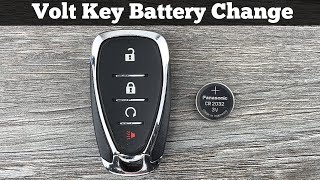
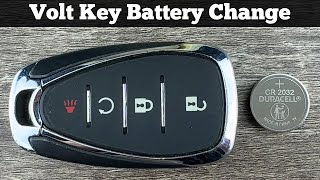
Est. part cost: $0-$50 - Defective or Weak Key Fob 🟡 Medium Probability Key fobs can be damaged by being dropped, and the internal CR2032 battery will weaken over time, typically lasting 1-2 years. 🎬 Watch: How to replace your Gen 2 key fob battery. The transponder chip itself can also fail internally, rendering the key useless for starting the car even if the buttons work.
How to confirm: First, try replacing the CR2032 battery. If that doesn't work, try starting the car with your spare key fob. If the spare key works perfectly, the original key is the problem. A technician can also test the key's transponder output.
Typical fix: Replace the CR2032 battery. If the key is damaged, a new key must be purchased and programmed to the vehicle by a dealer or an automotive locksmith with the proper tools.
Est. part cost: $5-$400 - Incorrect Key Usage (Gen 1) ⚪ Low Probability On 2011-2015 models with a flip key, if the key is not fully extended and locked in the straight position, it may not align correctly with the antenna in the ignition cylinder, preventing a successful read. This is documented in GM TSB PIT5030E.
How to confirm: Remove the key, ensure it is fully clicked into the open/straight position, and re-insert it firmly into the ignition before turning.
Typical fix: Ensure the key is fully extended before use. If the key is worn and will not lock open, it may need to be replaced.
Est. part cost: $0 - Faulty Body Control Module (BCM) ⚪ Low Probability While less common for this specific code, the BCM is the central computer that reads the key and can fail internally due to manufacturing defects or short circuits. A BCM failure on a Volt can present with many strange electrical symptoms.
How to confirm: This requires a professional diagnosis with a scan tool that can communicate with the BCM to check for internal faults after all other causes have been ruled out.
Typical fix: Replacement of the BCM, which must be programmed to the vehicle by a dealer or qualified shop with access to GM's programming software. A user on a Car Talk forum reported a BCM replacement cost of around $1000 for their 2017 Volt 🎬 Watch: A professional guide to replacing the battery control module. due to a wiring short.
Est. part cost: $300-$700
Rare But Worth Checking
- Faulty Immobilizer Exciter Coil (Antenna): This is the small antenna ring around the ignition cylinder or start button that powers the key's transponder. It can fail or have its wiring damaged, but it's much less common than key or interference issues. The part number for the Gen 1 antenna is often listed as 13580788, and for Gen 2 as 13502554 or 13580789. 🎬 See this walkthrough for replacing the remote keyless entry receiver.
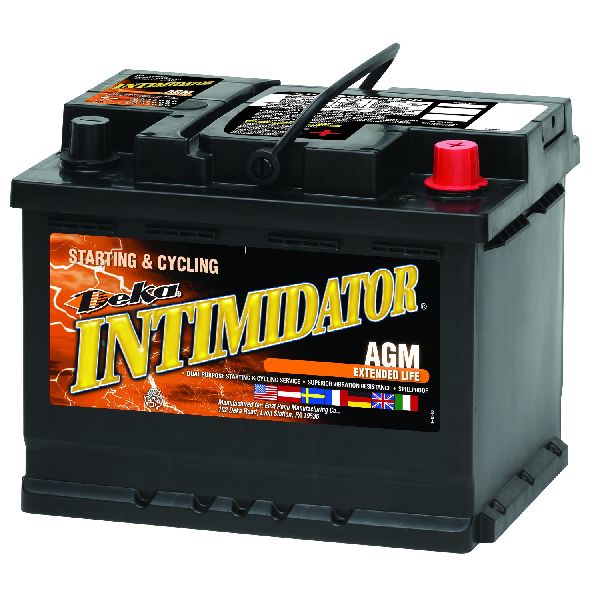
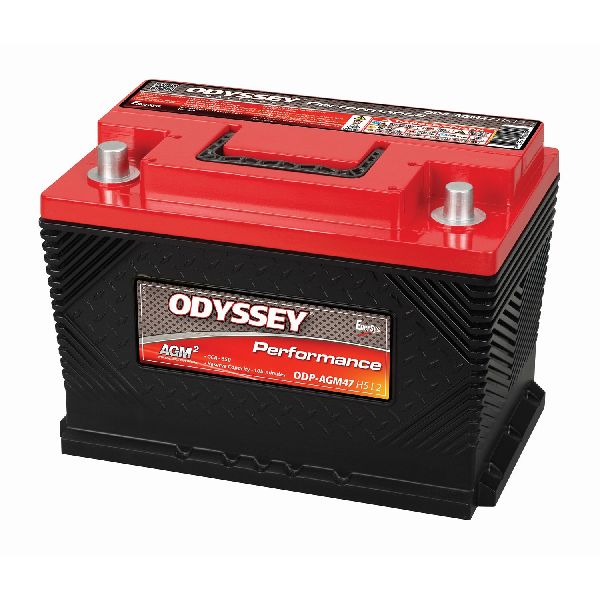
- Low 12V Vehicle Battery: A very low or failing 12V AGM battery can cause a wide range of unpredictable electronic issues in the Volt, including communication errors between modules that could potentially trigger a B3055. A Reddit user's story about a no-start with B3055 involved a vehicle battery that tested at only 10.5V.
Diagnosis Steps
- Check for a security light on the dash. This confirms an anti-theft issue.
- Remove ALL aftermarket devices plugged into 12V/USB ports (phone chargers, dash cams, etc.). This is the most common fix.
- Remove all other keys and RFID cards from the key ring.
- Attempt to start the vehicle. If it starts, one of the removed items was the cause.
- If it does not start, try the spare key. If the spare key works, the first key is faulty.
- Replace the battery (CR2032) in the non-working key fob.
- For Gen 2 (push-start) models, place the non-working fob in the designated transmitter pocket (in the center console storage area) and try to start the car. This is a backup designed for a weak fob battery.
- For Gen 1 (flip-key) models, ensure the key is fully extended and locked straight before inserting it into the ignition, as per TSB PIT5030E.
- Check the health of the 12V vehicle battery. A voltage below 12.0V at rest can cause myriad electronic problems.
- If the vehicle still won't start, the issue likely lies with the vehicle's immobilizer antenna, wiring, or BCM, requiring professional diagnosis with a GM-compatible scan tool.
Parts You'll Likely Need
- Key Fob Battery
(OEM #CR2032)— This is the easiest and cheapest first part to replace when troubleshooting a key-related issue. Battery life is typically 1-2 years.
Trusted brands: Energizer, Duracell, Panasonic
OEM price range: $5-$10
Aftermarket price range: $2-$8 - Key Fob / Transmitter
(OEM #Gen 1 (2011-2015): 22923862, 22755321; Gen 2 (2016-2018): 13529638, 13585728, 13529664)— If the key's internal transponder chip is damaged, the entire key fob must be replaced and programmed.
Trusted brands: ACDelco (OEM), Strattec
OEM price range: $150-$300
Aftermarket price range: $50-$150 - Body Control Module (BCM) — In the rare event the module itself fails, it will need to be replaced. This is a last resort after all other causes are eliminated. A Reddit user shared an experience of a dealer quoting over $2,000 for a BECM (Battery Energy Control Module) replacement, which is a different module but shows the p
OEM price range: $300-$700
Related Codes That Often Appear With This One
- B3060 — This code relates to an issue with the transponder key system's antenna (exciter coil), which is part of the same security circuit. TSB PIC5650 lists them together.
- B3935 — This is a general transponder key system fault code that often appears alongside B3055, as noted in multiple GM service bulletins.
Technical Service Bulletins (TSBs) & Recalls
- PIC5650 (A, B, C, K, M, etc.): A long-running series of bulletins addressing intermittent no-start/no-crank with B3055, B3060, and B3935. The primary cause identified is Radio Frequency Interference (RFI) from devices plugged into the power outlets.
- PIT5030E: Specifically addresses an intermittent no-crank on flip-key models (including the 2011-2014 Cruze, a platform mate) if the key is not fully extended and locked straight. This can set a history code B3055.
- PIE0232: An engineering information bulletin asking for data on low-mileage vehicles with B3055, indicating GM's active investigation into the root causes.
Platform-Specific Known Issues
- The vehicle is highly prone to RFI from aftermarket electronics, as documented in TSB PIC5650 and its successors.
- For Gen 1 models, failure to fully extend the flip key is a known cause for a no-start with code B3055, as per TSB PIT5030E.
Mechanic-Grade Diagnostic Values
- Immobilizer Antenna Signal Circuit Voltage — expected: Less than 1 V. Failure: A reading of 1 V or greater indicates a short to voltage in the circuit.
- Immobilizer Antenna Low Reference Circuit Resistance to BCM — expected: Less than 2 Ω. Failure: A reading of 2 Ω or greater indicates an open or high resistance in the circuit, pointing to a wiring issue rather than a module failure.
Scan Tool Commands That Help
- GDS2 (GM): Immobilizer Learn / Add or Replace Key Fobs — This function is required after replacing a key fob or the Body Control Module (BCM). It guides the technician through the 10-minute or 30-minute relearn procedure to program new keys to the vehicle's immobilizer system.
- GDS2 (GM): Clear Secured High Voltage DTCs — While not directly for B3055, if other high-voltage system faults are present and resolved, this special function in the Hybrid Powertrain Control Module 2 (HPCM2) may be necessary to clear interlocking codes before the vehicle will operate, even after the B3055 is fixed.
- GDS2 (GM): Module Diagnostics > BCM > Data Display — To view live data from the Body Control Module. A technician can observe parameters like 'Environment Identification' which may show 'No Key Detected', confirming the BCM is not receiving the signal from the key transponder.
Wiring & Ground Locations
- K9 Body Control Module (BCM) - Gen 1 — Located in the right-hand (passenger side) of the engine compartment on a 2012 Volt.. The BCM is the central module that receives and validates the key transponder signal. All wiring for the immobilizer system originates or terminates here. A poor connection or corrosion at the BCM connectors can cause B3055.
- Keyless Entry Control Module (Gen 2) — Located behind the trim panel in the rear cargo area. It can be accessed by partially removing the top trim panel near the hatch opening.. On Gen 2 models, this module acts as the receiver for the key fob signals. A failure or poor connection at this module can cause intermittent 'Fob Not Detected' messages and B3055. A known TSB (16-NA-396) addresses replacing this module for such issues.
- Transmitter Pocket (Gen 2) — Inside the center console storage area, under the removable rubber mat.. This is the backup location to place the key fob if its battery is dead. It contains a low-power antenna that can read the passive RFID chip in the fob without battery power, allowing the car to start and bypassing the immediate cause of B3055 if it's due to a weak fob battery.
Real Owner Repair Stories
- YouTube user 'siegfried's stuff' (2017 Chevrolet Volt) — Intermittent 'fob not detected' messages, even with a fresh fob battery.
❌ Tried (didn't work) Replacing the key fob battery.
✅ What actually fixed it The owner replaced the Remote Keyless Entry Receiver module located in the rear cargo area, following GM TSB 16-NA-396. The original part had a part number ending in 9518, and the updated replacement part number ended in 5511. This resolved the intermittent connection issue.
OEM Part Supersession History
Unknown, ending in '9518'→Unknown, ending in '5511'— To fix intermittent key fob detection issues as described in TSB 16-NA-396.
Heads up: The original part is prone to intermittent failure causing 'fob not detected' messages. The updated part is the correct fix for this specific issue on Gen 2 Volts.23263544, 23285010, 24279214, 24283058, 24288760, 24289067, 24294960→24296900— These are part numbers for the Battery Energy Control Module (BECM), not the BCM. However, they are often confused. These parts were superseded due to known failure issues causing a variety of problems, though not typically B3055.
Heads up: It is critical to distinguish between the BCM (Body Control Module) which handles theft deterrent, and the BECM (Battery Energy Control Module) which manages the high-voltage battery. B3055 relates to the BCM.
Model Year Variations Within This Range
- 2011-2015 (Gen 1): Uses a capacitive touch center stack for controls which can be difficult to use. The immobilizer system uses an antenna ring around a physical ignition cylinder for the flip key. The BCM is located in the engine bay.
- 2016-2018 (Gen 2): Switched to physical buttons for climate and radio controls. The immobilizer system is fully keyless with a push-button start and multiple antennas, including a primary receiver module in the rear of the vehicle and a backup antenna in the center console.
Helpful Videos


Used OEM Parts in Stock




New Aftermarket Parts Available


The information in this article is provided for general reference and educational purposes only. Vehicle specifications, procedures, and part compatibility can vary by production date, trim level, and region. Always consult your vehicle's factory service manual and verify part numbers before purchasing or performing repairs. Safety-critical components such as airbags, seat belts, and braking systems should be installed by a qualified professional.
- Chevrolet VOLT:
- 🎬 Helpful Videos
- 🛍️ Shop This Part
- What's Unique About the 2011-2018 Chevrolet VOLT
- Diagnostic Flowchart
- Symptoms You May Notice
- Most Likely Causes
- Rare But Worth Checking
- Diagnosis Steps
- Parts You'll Likely Need
- Related Codes That Often Appear With This One
- Technical Service Bulletins (TSBs) & Recalls
- Platform-Specific Known Issues
- Mechanic-Grade Diagnostic Values
- Scan Tool Commands That Help
- Wiring & Ground Locations
- Real Owner Repair Stories
- OEM Part Supersession History
- Model Year Variations Within This Range
- 🎟️ Get 5% Off