

B3055 on 2013-2020 Chevrolet Trax: Key Not Learned & No-Start Fixes
On a 2013-2020 Chevrolet Trax, code B3055 almost always means there's a problem with the anti-theft system recognizing the key. This usually results in a no-start or start-and-stall condition. The fix is often reprogramming a key, replacing a faulty key, or in some cases, replacing the ignition lock cylinder. Expect costs to range from a simple key battery to several hundred dollars for a new key and programming at a dealer or locksmith.
- B3055 on your Trax means the car's anti-theft system doesn't recognize your key, which is why it won't start.
- Before calling a mechanic, try your spare key. If it works, the problem is your primary key.
- If you have a flip-style key, make sure it's fully extended and locked straight before you put it in the ignition. This is a known issue.
- Do not immediately assume you need a new starter or battery; the flashing security light is the key clue.
- Fixing this code almost always requires a new key to be programmed or an existing one to be re-learned, which requires special tools.
What's Unique About the 2013-2020 Chevrolet TRAX

The Chevrolet Trax from this era uses a common General Motors immobilizer system. A notable issue, identified in GM technical bulletins PIT5030E and PIC5650M, is related to the flip-style key fob. If the key is not fully extended and locked into position when inserted into the ignition, the transponder chip may be too far from the antenna ring, causing an intermittent no-start and setting a B3055 code. This is a frequent and often overlooked cause of this specific code on the Trax and its platform mates like the Buick Encore and Chevy Sonic.
Diagnostic Flowchart

Tap your situation to follow the diagnostic path that matches what you're seeing on this vehicle.
Generation note: The 2013-2020 range covers the first generation of the Chevrolet Trax, including its 2017 facelift. The immobilizer system, key design (GM part number family 23209427), and the potential for this fault code are consistent across these years. The 2017 refresh introduced new options like keyless entry and ignition but did not fundamentally change the standard key-and-cylinder immobilizer system for trims that retained it.
Symptoms You May Notice

- Engine will not crank or start
- Engine starts and then immediately stalls
- Security indicator light on the dashboard is illuminated or flashing
- "Service Theft Deterrent System" message on the driver information center
- "Theft Attempted" message on the driver information center
- Remote start fails to work
- Replacing the starter motor without checking for security codes first. A no-crank condition caused by the immobilizer can be mistaken for a bad starter.
- Replacing the vehicle's 12V battery. While a very low battery can cause various electrical issues and prevent programming, B3055 specifically points to the security system, not just the main power source. However, a stable voltage is required for accurate diagnosis and programming.
Most Likely Causes
- Unprogrammed or Incorrectly Programmed Key 🔴 High Probability Using a new key that has not been learned by the vehicle's BCM, or a cloned key that was not copied correctly, is a primary trigger for this code. This often happens after a key replacement.
How to confirm: Try starting the vehicle with a known-good spare key. If the spare key works, the issue is with the first key. If neither key works, the problem is likely with the vehicle. A scan tool may show a status like "Invalid Key" or "No Key Detected".
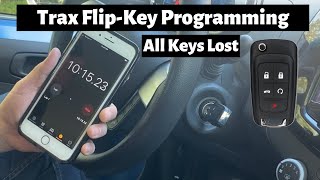
Typical fix: The key must be professionally programmed to the vehicle using a compatible scan tool. Some GM vehicles allow a 30-minute manual relearn procedure 🎬 Watch: Step-by-step DIY tutorial for programming a new flip key, which can be attempted by the owner.
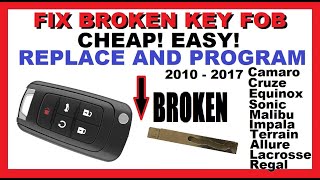
Est. part cost: $50-$200 for programming - Faulty or Damaged Key Transponder 🔴 High Probability Keys that have been dropped, gotten wet, or have a broken case can have a 🎬 Watch: How to easily move your key to a new fob damaged internal transponder chip. A technician on Reddit shared a story of a customer's car setting a B3055 due to a completely destroyed key, even though the customer insisted the starter was the problem.
How to confirm: If a spare key works and the problematic key does not, even after attempting a relearn, the key itself is likely faulty. A locksmith or a technician with a key tool can test the transponder's output directly. A scan tool may show "No Key Detected" or "Transponder Key: Not Present".
Typical fix: Replacement of the key and programming it to the vehicle. A new key is required.
Est. part cost: $75-$300 for a new key and programming - Key Not Fully Extended in Ignition 🟡 Medium Probability As noted in GM TSB PIT5030E, the flip-key design can cause this issue if the key blade is not fully locked straight out from the fob when inserted into the ignition. This moves the transponder chip out of the optimal range of the exciter antenna.
How to confirm: If you experience an intermittent no-start, remove the key, ensure it is fully extended and clicks into place, and re-insert it firmly. If the car then starts, this was the likely cause.
Typical fix: User awareness. Ensure the key is always fully extended before use. No parts needed.
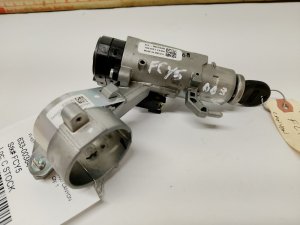
Est. part cost: $0 - Faulty Immobilizer Antenna (Exciter Ring) ⚪ Low Probability The antenna ring around the ignition lock cylinder can fail, though it's less common than key issues. It is responsible for powering the key's transponder.
How to confirm: This requires diagnostic testing. If multiple known-good keys fail to start the car and a scan tool consistently shows no key detected, the antenna becomes a primary suspect. A technician can test for signal output from the ring.
Typical fix: The ignition lock cylinder, which typically includes the antenna, needs to be replaced. This part often requires programming after installation.
Est. part cost: $100-$250 - Faulty Body Control Module (BCM) ⚪ Low Probability While rare, the BCM itself can fail. This is usually the last resort after all other components (keys, antenna, wiring) have been tested and ruled out.
How to confirm: Requires advanced diagnostics with a high-end scan tool to check for communication errors and internal module faults. A diagnostic check by a dealer can cost between $49 and $72.
Typical fix: Replacement and programming of the BCM, which must be done by a dealer or qualified shop. Used BCMs are generally not recommended as they can be VIN-locked.
Est. part cost: $400-$800
Rare But Worth Checking
- Wiring Harness Damage: Damage to the wires between the BCM and the ignition lock cylinder can cause a loss of communication, mimicking a component failure. TSB 21-NA-149 discusses various engine harness chafing issues on GM trucks that can cause a no-start, highlighting the importance of checking wiring.
- Radio Frequency (RF) Interference: As detailed in TSB PIC5650, having other transponder keys, keyless fobs, or strong RF-emitting devices (like gas station speed passes or building access cards) on the same keychain can interfere with the signal from the ignition key. The immobilizer operates at 125 kHz, and other devices in that range can cause a problem. Try starting the car with only the single ignition key present.
Diagnosis Steps
- Check for the security light on the dashboard. If it's on or flashing, it confirms an active anti-theft issue.
- Try starting the vehicle with a known-good spare key. If it starts, the problem is the original key.
- If using a flip key, remove it, ensure it is fully extended and locked, and re-insert it firmly into the ignition.
- Remove all other keys and RF-emitting devices from the keychain and try starting the vehicle again to rule out interference.
- Attempt the 30-minute manual key relearn procedure. Turn the key to 'ON' (without starting) for 10 minutes until the security light turns off. Turn the key off for 5-10 seconds. Repeat this process two more times for a total of three 10-minute cycles. On the third cycle, the key should be learned.
- Inspect the key for physical damage. A cracked or water-damaged key is a prime suspect for a bad transponder.
- Scan the Body Control Module (BCM) for codes. B3055 confirms a transponder issue. A professional scan tool can read data PIDs like "Transponder Key Status," which might show "Not Present" or "Invalid."
- If all keys fail and the relearn procedure doesn't work, the vehicle will need professional diagnosis to test the immobilizer antenna (exciter ring) and the BCM.
Parts You'll Likely Need
- Transponder Ignition Key
(OEM #ACDelco 23209427 (or B119-PT))— The most common cause is a faulty, damaged, or unprogrammed key. A new key must be cut and programmed to the vehicle.
Trusted brands: ACDelco (GM Genuine)
OEM price range: $150-$300
Aftermarket price range: $75-$150 - Ignition Lock Cylinder with Immobilizer Antenna
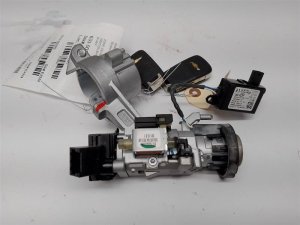
(OEM #GM 13528553 (supercedes 13521844, 13522814, 13526234))— If multiple known-good keys fail to work, the antenna (exciter ring) that reads the key, which is part of the lock cylinder assembly, may be faulty. This part requires programming.
Trusted brands: ACDelco, Standard Motor Products
OEM price range: $150-$250
Aftermarket price range: $80-$150
Related Codes That Often Appear With This One
- B3060 — Often seen with B3055, relating to an "Unprogrammed Transponder Identification Code Received." This can happen when trying to use a new, unprogrammed key. Both point to a key/immobilizer communication issue. (Cited in TSB #PIC5650M)
- B3935 — Relates to transponder key circuit failure, commonly set alongside B3055 when there is an intermittent signal or interference. (Cited in TSB #PIC5650M)
- B2955 — This code for the 'Security Sensor Data Circuit' can be set along with B3055, indicating a problem in the circuit between the BCM and the immobilizer coil itself.
Technical Service Bulletins (TSBs) & Recalls
- PIC5650M: Mentions an intermittent no crank, no start, or start stall concern with the security light coming on, listing B3055 as a potential DTC. It strongly suggests checking for Radio Frequency Interference (RFI) from aftermarket devices or other fobs on the keychain before replacing parts.
- PIT5030E: Describes an intermittent no-crank condition specifically caused by the flip-key blade not being fully extended and locked straight. This misalignment prevents the BCM from reading the transponder. It explicitly lists the 2013-2014 Trax, Encore, and Sonic as affected vehicles.
Platform-Specific Known Issues
- An intermittent no-crank or no-start condition can be caused by the flip-key not being fully extended, as detailed in GM TSB PIT5030E.
Mechanic-Grade Diagnostic Values
- Immobilizer Exciter Module Ground Circuit Resistance — expected: Less than 10 ohms. Failure: A value greater than 10 ohms indicates an open or high resistance in the ground circuit.
- Immobilizer Exciter Module B+ Circuit Voltage — expected: Battery Positive Voltage (B+). Failure: Less than battery voltage indicates a problem with the power supply circuit to the module.
- Immobilizer Signal Circuit Voltage (at BCM) — expected: Less than 1 V. Failure: Voltage significantly higher than 1 V suggests a short to voltage in the signal wire between the exciter module and the BCM.
- Immobilizer Signal Circuit Resistance to Ground — expected: Infinite resistance (OL). Failure: Any reading less than infinite indicates a short to ground on the signal circuit.
Hidden / Shadow Codes Worth Checking
- B3055 00: The '00' is a symptom byte that means 'No Sub Type Information'. It indicates the base DTC provides the complete failure description and is common on many GM codes when viewed on a professional scanner. (see via GM GDS2, Topdon, advanced Autel scanners, or other professional-grade diagnostic tools.)
Scan Tool Commands That Help

- GDS2 (GM Global Diagnostic System 2): Immobilizer Data Display — This function is critical for initial diagnosis. It allows a technician to view live data PIDs such as 'Transponder Key Status' (e.g., Present, Not Present, Invalid) and 'Environment Identification' (e.g., No Key Detected), which confirms if the BCM is seeing the key at all.
- GDS2 (GM Global Diagnostic System 2): VTD Re-Learn / Theft Module Re-Learn — This service function is used after replacing a key, the BCM, or the ignition lock cylinder. It initiates the automated relearn process required for the components to synchronize and allow the vehicle to start.
- GDS2 (GM Global Diagnostic System 2): Data Bus Diagnostic Tool — If communication issues are suspected, this tool within GDS2 can be used to monitor the voltage and state of the communication bus, helping to diagnose issues like an open or shorted wire that could prevent the BCM from communicating with other modules.
Wiring & Ground Locations
- Body Control Module (BCM) — Located under the driver's side dashboard, to the right of the gas pedal and below the radio. The connectors typically face the driver's side of the vehicle.. The BCM is the central module for the theft deterrent system. All wiring from the ignition lock cylinder's immobilizer antenna runs to the BCM. Accessing its connectors is necessary for testing power, ground, and signal circuits.
- BCM Connectors (Brown, Purple, Light Blue) — Plugged into the BCM under the driver's side dash. The Trax BCM has up to 7 different colored connectors.. Wiring diagrams for similar GM platforms indicate that key theft-deterrent system wires are located in these specific connectors. For example, power lock/unlock signals are often in the brown plug, while door trigger and disarm signals can be in the purple or light blue plugs. A fault in these connectors or their wiring can cause related security issues.
- Instrument Panel Ground (G200-G299 range) — GM vehicles follow a zone-based numbering system for grounds. Grounds in the G2xx range are located in the dash/instrument panel area. For example, on some GM trucks, G200/G201 are located under the dash near the parking brake area.. A poor ground for the BCM or related instrument panel components can cause a wide range of electrical issues, including intermittent operation of the theft deterrent system. Verifying the integrity of the main BCM ground is a key diagnostic step.
Real Owner Repair Stories
- YouTube channel 'ADD AUTOMOBILE SERVICES' (2013 Chevrolet Equinox (platform shares similar immobilizer system)) — Intermittent no-start with security light staying on. Scan tool showed code B3055, indicating no transponder modulation.
❌ Tried (didn't work) Starting the vehicle with the original key would sometimes work and sometimes fail.
✅ What actually fixed it The technician suspected an intermittent failure of the original key's transponder chip. Using a VVDI Key Tool, he cloned the original chip's data onto a new VVDI Super Chip and placed the new chip inside the original key fob. This provided a redundant, working signal, permanently fixing the intermittent no-start issue.
OEM Part Supersession History
13521844, 13522814, 13526234→13528553— Part consolidation and potential design updates by GM.
Heads up: The replacement part 13528553 requires programming and/or special setup procedures after installation using GM Service Information to ensure proper operation. It is not a plug-and-play part.
Model Year Variations Within This Range
- 2017-2020: The 2017 facelift introduced a redesigned interior, a new 'Premier' trim, and the option for keyless entry and ignition. While the base immobilizer system for standard key models remained similar, vehicles equipped with the optional keyless start system use a different push-button start logic and do not use the same ignition lock cylinder, making diagnosis for those specific trims different.
Helpful Videos

We Have This Part in Stock




The information in this article is provided for general reference and educational purposes only. Vehicle specifications, procedures, and part compatibility can vary by production date, trim level, and region. Always consult your vehicle's factory service manual and verify part numbers before purchasing or performing repairs. Safety-critical components such as airbags, seat belts, and braking systems should be installed by a qualified professional.
- Chevrolet TRAX:
- 🎬 Helpful Videos
- 🛍️ Shop This Part
- What's Unique About the 2013-2020 Chevrolet TRAX
- Diagnostic Flowchart
- Symptoms You May Notice
- Most Likely Causes
- Rare But Worth Checking
- Diagnosis Steps
- Parts You'll Likely Need
- Related Codes That Often Appear With This One
- Technical Service Bulletins (TSBs) & Recalls
- Platform-Specific Known Issues
- Mechanic-Grade Diagnostic Values
- Hidden / Shadow Codes Worth Checking
- Scan Tool Commands That Help
- Wiring & Ground Locations
- Real Owner Repair Stories
- OEM Part Supersession History
- Model Year Variations Within This Range
- 🎟️ Get 5% Off