

B3055 on 2015-2022 Chevrolet Tahoe: No Start Causes and Fixes
Code B3055 on a 2015-2022 Tahoe means the vehicle's security system cannot read the transponder chip in your key. This results in a no-start or intermittent start with the security light on. The most common causes are radio frequency interference, a weak key fob battery, or a faulty key fob.
- B3055 means your Tahoe's security system has lost communication with your key, preventing the engine from starting.
- Before suspecting expensive part failures, the first and most important step is to remove all potential sources of radio frequency interference (RFI) from your keychain and car.
- Trying your spare key is a critical diagnostic step. If the spare works, the problem is isolated to the original key or its battery.
- Do not immediately replace the starter or other major components. This code points specifically to a security system communication failure.
- If simple fixes don't work, professional service is required for diagnostics and potential key programming.
What's Unique About the 2015-2022 Chevrolet TAHOE
For the 2015-2022 Tahoe, GM has issued multiple Technical Service Bulletins (TSBs) that group B3055 with other security and communication codes (like B3060, B3935, and various C-codes). This indicates that a B3055 code on this specific platform is often a symptom of a broader, intermittent issue related to radio frequency interference (RFI) from aftermarket devices, rather than just a simple key failure. The problem is common enough that GM has specific diagnostic guidance for dealers to investigate RFI sources before replacing any parts, as detailed in TSB PIC5650M and its revisions. The TSB explicitly warns against replacing parts before ruling out interference from toll passes, phone chargers, and even other keys on the same ring.
Diagnostic Flowchart
Tap your situation to follow the diagnostic path that matches what you're seeing on this vehicle.
Generation note: This year range covers the end of the fourth generation (2015-2020, K2UC) and the beginning of the fifth generation (2021-2022, T1UC) Tahoe. Both generations use sophisticated key fob and immobilizer systems. The TSBs covering this issue include models up to 2022, indicating that the potential for radio frequency interference and related security codes exists across both generations. The key fob style, part numbers, and underlying electrical architecture (Global B for 2021+) differ significantly between these generations.
Symptoms You May Notice
- Intermittent no-crank, no-start condition.
- Engine starts and immediately stalls.
- Security indicator light (a car with a padlock icon) is illuminated or flashing on the dashboard.
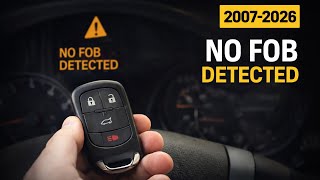
- Message on the driver information center (DIC) such as 'Service Theft Deterrent System', 'No Fob Detected', or 'Theft Attempted'.
- Replacing the starter motor. A no-crank condition caused by the security system is often mistaken for a bad starter. However, with B3055, the computer is intentionally preventing the starter from engaging.
- Replacing the main vehicle battery without confirming it's bad. While low voltage can cause issues, it's important to test the battery first before replacing it. However, a stable voltage is required for reliable key programming.
Most Likely Causes
- Radio Frequency Interference (RFI) 🔴 High Probability As documented in TSB PIC5650M, these vehicles are sensitive to RFI from aftermarket devices like phone chargers, LED lights, toll passes, or even other keys on the same keychain. The interference jams the 125 kHz signal between the key and the car's immobilizer antenna. GM explicitly advises dealers to check for these interference sources before any parts are replaced.
How to confirm: Remove all other keys, fobs, access cards, and aftermarket electronic devices (especially USB chargers) from the key ring and the vehicle's interior. Try starting the vehicle again. If it starts consistently, one of the removed items was the cause.
Typical fix: Isolate and remove the source of the RFI from the vehicle or keychain. Advise the vehicle owner to keep other RFID-emitting devices separate from the vehicle key.
Est. part cost: $0 - Weak or Dead Key Fob Battery 🟡 Medium Probability
How to confirm: Try starting the vehicle with your spare key fob. If the spare key works reliably, the issue is with the primary key. Before replacing the key, replace its internal battery (typically a CR2032). For push-button start models, placing the 'dead' fob in the designated transmitter pocket (usually in the center console storage bin or a slot under the cupholders) may allow the vehicle to start, as this pocket has a dedicated antenna.
Typical fix: Replace the CR2032 battery inside the key fob.
Est. part cost: $5-$15 - Faulty Key Fob 🟡 Medium Probability Key fobs can be damaged from being dropped or from internal component failure, such as cracked solder joints on the battery holder. A damaged transponder chip will not be able to communicate with the vehicle.
How to confirm: If replacing the battery doesn't work and the spare key does, the original key fob is likely faulty. A locksmith or dealership can test the transponder's signal. Sometimes, resoldering the battery contacts on the fob's circuit board can fix the issue.
Typical fix: Replace the key fob and have it professionally programmed to the vehicle. 🎬 Watch: DIY tutorial for adding a new smart key fob
Est. part cost: $75-$400 - Incorrect Key Usage (Switchblade Keys) ⚪ Low Probability On models with a switchblade-style key (primarily 2015-2020 with keyed ignition), if the key is not fully extended and locked into the straight position, its transponder may be too far from the immobilizer antenna in the ignition lock cylinder to be read properly. GM released TSB PIT5030E and PIC5650B specifically to address this user-induced condition which can set a B3055.
How to confirm: Ensure the switchblade key is fully extended and locked before inserting it into the ignition. If this resolves the intermittent no-start, it was a user-induced issue.
Typical fix: Educate the driver on the correct way to use the key.
Est. part cost: $0
Rare But Worth Checking
- Faulty Immobilizer Antenna/Transceiver: The ring-shaped antenna around the ignition lock cylinder (or receiver for keyless start) can fail, preventing it from energizing and reading the key's transponder. This is less common than key or interference issues. The part is relatively inexpensive, but diagnosis requires testing the circuit. An example part is ACDelco 13580790, costing around $35.
- Body Control Module (BCM) or Theft Deterrent Module (TDM) Fault: In rare cases, the control module that manages the security system can fail. This is typically the last item to be diagnosed after all other possibilities have been eliminated, as it is an expensive repair and requires dealer-level programming. A specific GM bulletin for 2021 models points to an internal BCM fault that can cause a 'No Fob Detected' message and prevent starting.
- Low Vehicle Battery Voltage: A weak main vehicle battery can cause various electronic modules, including the theft deterrent system, to malfunction and set codes. A stable voltage above 12V is critical for reliable diagnostics and key programming.
Diagnosis Steps
- Check for a security light on the dashboard. An active light confirms a theft system issue.
- Remove ALL items from your keychain and vehicle interior that could cause Radio Frequency Interference (RFI), including other fobs, access cards, and aftermarket chargers. This is GM's first recommended step.
- Try starting the vehicle with your spare key. If it works, the problem lies with the first key.
- If the spare key works, replace the battery (CR2032) in the non-working key fob.
- For vehicles with a physical ignition (2015-2020), ensure the switchblade key is fully extended and locked straight, per TSB PIT5030E.
- For push-button start vehicles, try placing the problematic fob in the designated transmitter pocket in the center console to see if it will start. This uses a low-power, direct antenna that can overcome a weak fob battery or some interference. 🎬 See this guide for fixing a 'No Fob Detected' message
- If the issue persists, have the vehicle's main battery tested to ensure it has adequate voltage. Low voltage can cause unpredictable electronic faults.
- If all else fails, the vehicle needs to be diagnosed with a professional scan tool to check the Theft Deterrent Module data, test the immobilizer antenna circuit, and check for other related DTCs.
- A professional may need to perform a key relearn procedure or program a new key.
Parts You'll Likely Need
- Key Fob Battery
(OEM #CR2032)— This is the simplest and often most successful first step in fixing a key-related communication issue.
Trusted brands: Energizer, Duracell
OEM price range: $5-$15
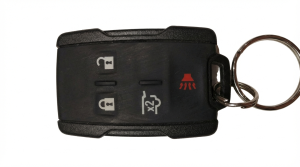
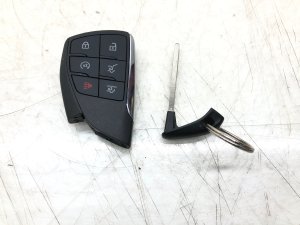
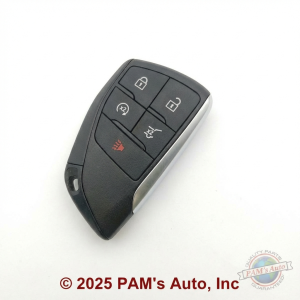
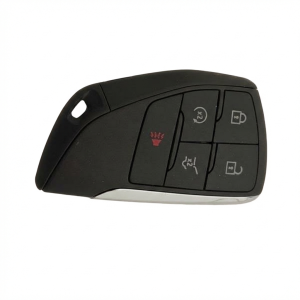
Aftermarket price range: $2-$10 - Key Fob / Transmitter (2015-2020)
Related Codes That Often Appear With This One
- B3060 — This code relates to an 'Unprogrammed Transponder Key,' often appearing with B3055 when there's a communication breakdown in the security system.
- B3935 — This code indicates a 'Transponder Authentication Error' and is part of the same family of security codes that can be triggered by interference or key issues.
- C0750, C0755, C0760, C0765, C0775 — These are Tire Pressure Monitor (TPM) sensor codes. TSB PIC5650M notes that these can appear alongside B3055 because the TPM system also uses radio frequency and can be affected by the same RFI sources.
Technical Service Bulletins (TSBs) & Recalls
- PIC5650M: Diagnostic Tip for intermittent no-crank, no-start, or stall with security light on, often due to RFI. Lists B3055 as a primary code.
- PIE0232: An early engineering bulletin for 2013 models seeking information on the root cause of no-start conditions with codes B3055, B3060, or B3935.
- PIT5030E: Diagnostic tip explaining that an intermittent no-crank can be caused by the switchblade key not being fully extended, which can set B3055.
Platform-Specific Known Issues
- GM Technical Service Bulletin PIC5650M specifically addresses an intermittent no-crank/no-start with security light on, citing B3055 and a host of other codes. The primary cause identified is Radio Frequency Interference (RFI) from aftermarket devices.
- GM Technical Service Bulletin PIT5030E addresses intermittent no-crank on vehicles with switchblade keys, noting that if the key is not fully locked in the open position, it can fail to be read and set code B3055.
Mechanic-Grade Diagnostic Values
- Immobilizer Antenna Signal Circuit Voltage — expected: Less than 1 V. Failure: 1 V or greater indicates a short to voltage in the circuit.
- Immobilizer Antenna Low Reference Circuit Resistance — expected: Less than 2 Ω. Failure: 2 Ω or greater indicates an open or high resistance in the circuit.
Hidden / Shadow Codes Worth Checking
- B3055 00: The '00' is a symptom byte indicating 'No Sub Type Information'. This means the base code description 'No Transponder Modulation or No Transponder' is the most specific information available from the module for this fault. (see via GM GDS2 or other professional scan tool capable of reading manufacturer-specific codes and symptom bytes.)
Scan Tool Commands That Help
- GDS2: Immobilizer Data Display — When diagnosing a B3055, this function allows a technician to see live data from the theft deterrent system. Key parameters include 'Environment Identification', which will show 'No Key Detected' if the transponder signal is not being received.
- GDS2 / SPS2: Add/Replace Key Fobs or Immobilizer Key Relearn — This function is required after replacing a key or the Body Control Module (BCM). It initiates a 10-minute security procedure to program the new component to the vehicle.
Wiring & Ground Locations
- BCM Ground (K2UC) — Inside the cabin, beside the front left speaker. Requires removal of the A-pillar cover and pulling up the front dash trim to access.. A poor ground connection for the Body Control Module can cause a wide range of intermittent electrical issues, including problems with the theft deterrent system that can trigger a B3055 code.
- G218 — A primary instrument panel ground point, located at the base of the driver-side A-pillar.. Multiple GM service bulletins identify a poor connection at G218 as a cause for various BCM-related malfunctions, including battery drain and other electrical faults that could precipitate a B3055 code.
- Frame Grounds — On the frame, directly behind both front wheels.. These grounds are in a location prone to corrosion from road spray. While not directly tied to the BCM in all diagrams, poor frame grounds can introduce electrical noise and voltage drops that affect sensitive electronic modules.
- Immobilizer Fuse F29 — In the instrument panel fuse block on the driver's side of the dash for 2015-2020 models.. This 10-amp fuse provides power to the immobilizer system. While a blown fuse is a simple issue, it will cause a complete loss of communication and a B3055 code.
Real Owner Repair Stories
- YouTube channel 'Handz On Auto Training' (2015 Chevrolet Malibu (similar Passkey III+ system)) — No-crank, no-start with security light on. Scan tool confirmed current DTC B3055 'No Transponder Modulation'.
❌ Tried (didn't work) Clearing the DTCs with a scan tool (code immediately returned)., Cycling the ignition with the original key.
✅ What actually fixed it The technician diagnosed a faulty original key. The physical key blade was swapped into a new key fob shell with a new transponder. An Auto Pro Pad scan tool was then used to perform the 10-minute security relearn procedure, which successfully programmed the new key and resolved the no-start condition.
Model Year Variations Within This Range
- 2015-2020 (K2UC Platform): These models often use a switchblade-style key with a physical ignition cylinder. They are prone to the B3055 code if the key is not fully extended and locked, a user-induced error documented in TSB PIT5030E. The BCM and general electrical system are from the previous generation architecture.
- 2021-2022 (T1UC Platform): These models use GM's new Vehicle Intelligence Platform (VIP) or 'Global B' electrical architecture. The BCM is a more complex and integrated module. A known issue on 2021 models is an internal BCM fault that prevents passive key detection without setting any DTCs, requiring BCM replacement. These models are also noted to have potential engine harness chafing issues.
Helpful Videos
Used OEM Parts in Stock


New Aftermarket Parts Available


The information in this article is provided for general reference and educational purposes only. Vehicle specifications, procedures, and part compatibility can vary by production date, trim level, and region. Always consult your vehicle's factory service manual and verify part numbers before purchasing or performing repairs. Safety-critical components such as airbags, seat belts, and braking systems should be installed by a qualified professional.
- Chevrolet TAHOE:
- 🎬 Helpful Videos
- 🛍️ Shop This Part
- What's Unique About the 2015-2022 Chevrolet TAHOE
- Diagnostic Flowchart
- Symptoms You May Notice
- Most Likely Causes
- Rare But Worth Checking
- Diagnosis Steps
- Parts You'll Likely Need
- Related Codes That Often Appear With This One
- Technical Service Bulletins (TSBs) & Recalls
- Platform-Specific Known Issues
- Mechanic-Grade Diagnostic Values
- Hidden / Shadow Codes Worth Checking
- Scan Tool Commands That Help
- Wiring & Ground Locations
- Real Owner Repair Stories
- Model Year Variations Within This Range
- 🎟️ Get 5% Off