

B3055 on 2007-2014 Chevrolet Tahoe: No-Start, Security Light Causes and Fixes
Code B3055 on a 2007-2014 Tahoe means the vehicle's anti-theft system can't read the key, causing a no-start and a security light. The most common fixes are trying a spare key, replacing a worn-out key, or replacing the ignition lock cylinder assembly. A key replacement can cost $75-$250, while an ignition cylinder is typically $150-$400 installed.
- B3055 means your Tahoe's anti-theft system isn't recognizing your key, which will prevent the engine from starting.
- Before attempting any expensive repairs, always try your spare key first. This is the quickest way to determine if the problem is the key itself.
- Remove all other electronic fobs and RFID tags from your keychain to eliminate the possibility of signal interference.
- If a new key or ignition cylinder is needed, be aware that programming will be required, which often necessitates a trip to a locksmith or dealer with the proper tools.
What's Unique About the 2007-2014 Chevrolet TAHOE
The GMT900 platform, which includes the 2007-2014 Tahoe, uses the Pass-Key III+ (PK3+) immobilizer system. This system is a true transponder system, not to be confused with the older GM Passlock systems that used resistors in the lock cylinder. With PK3+, the security component is a chip in the key itself. This system is known for developing intermittent communication issues between the key and the vehicle, often leading to the frustrating no-start condition described in manufacturer bulletins. In fact, GM has issued multiple Technical Service Bulletins (TSBs) acknowledging that intermittent no-start conditions with code B3055 are a known issue on these trucks and related SUVs.
Diagnostic Flowchart
Tap your situation to follow the diagnostic path that matches what you're seeing on this vehicle.
Symptoms You May Notice
- Vehicle will not crank when the key is turned
- Engine starts but stalls immediately after 🎬 Watch: Troubleshooting a flashing security light and stalling engine.
- Security indicator light is solid or flashing on the instrument cluster.
- A "Service Theft Deterrent System" message may appear on the driver information center.
- A "Theft Attempted" message may appear on the driver information center.
- Replacing the starter motor
- Replacing the battery without checking for a security system fault
- Replacing the fuel pump
Most Likely Causes
- Damaged or Worn Ignition Key 🔴 High Probability The transponder chip in the key head can be damaged from drops or wear over time. The flip-style keys can also fail to fully extend, causing poor signal transmission. A Reddit user's post detailed a no-start with B3055 caused by a key that was physically broken and held together, preventing a proper signal.
How to confirm: First, try starting the vehicle with a spare key. If the spare key works reliably, the primary key is the issue. Inspect the key for visible damage, especially cracks in the plastic head where the transponder resides.
Typical fix: Replace the faulty key. A new key must be cut and programmed to the vehicle by a locksmith or dealership.
Est. part cost: $50-$150 - Radio Frequency Interference (RFI) 🟡 Medium Probability Other electronic devices on the keychain, such as building access cards, other RFID tags, or even some aftermarket USB chargers and LED lights, can interfere with the 125 kHz signal from the ignition key transponder.
How to confirm: Remove all other keys and electronic fobs from the key ring so only the single ignition key is present. Attempt to start the vehicle. If it starts, RFI was the cause. This is a primary diagnostic step recommended by GM in TSB PIC5650M.
Typical fix: Keep other RFID-emitting devices separate from the ignition key when starting the vehicle.
Est. part cost: $0 - Faulty Ignition Lock Cylinder / Passlock Sensor 🟡 Medium Probability The exciter coil and sensor that reads the key are part of the ignition lock cylinder assembly, which also serves as the Theft Deterrent Module (TDM) on this platform. This component can wear out or fail electrically, preventing it from energizing or reading the key chip. The part is often sold as a kit with new tumblers that must be assembled.
How to confirm: This requires diagnostic testing with a scan tool to monitor data from the Theft Deterrent Module. If no key is ever detected (even known good ones) and wiring is intact, the lock cylinder is the likely culprit.
Typical fix: Replace the ignition lock cylinder assembly. This is often sold with a new set of keys that will need to be programmed to the vehicle, or as a kit to be re-pinned for the original keys. A 30-minute key relearn procedure is often required after replacement.
Est. part cost: $100-$250 - Wiring or Connector Issue ⚪ Low Probability The wiring between the ignition lock cylinder and the Body Control Module (BCM) can become loose or damaged, particularly around the tilt-steering column due to repeated movement.
How to confirm: Visually inspect the wiring harness at the base of the steering column. A technician would test for continuity, shorts to ground, and proper voltage at the connector for the Theft Deterrent Module as per diagnostic flow charts.
Typical fix: Repair the damaged wire or secure the loose connector.
Est. part cost: $5-$50
Rare But Worth Checking
- Failing Body Control Module (BCM): While less common, the BCM itself can fail. This is usually the last part to suspect after all other components (key, ignition cylinder, wiring) have been ruled out. A failing BCM will often be accompanied by other strange electrical issues. A technician would confirm this after verifying power, ground, and signal wires to the module are all intact.
- Low Battery Voltage: Extremely low system voltage during cranking can sometimes cause communication errors within various modules, including the theft deterrent system. A technician on Reddit noted a B3055 car also had a battery testing at only 10.5V, and a new battery was required before a new key could be programmed.
Diagnosis Steps
- Scan the vehicle for all Diagnostic Trouble Codes (DTCs). Note if B3055 is current or in history.
- Try starting the vehicle with a known-good spare key. If it starts, the original key is faulty.
- Remove all other electronic fobs, RFID cards, and keys from the key ring and try starting again to rule out Radio Frequency Interference. This is a key step in GM TSB PIC5650.
- Check the vehicle's battery. Ensure it is fully charged (above 12.4V) and terminals are clean and tight. Low voltage can cause security system faults.
- Inspect the ignition key for any cracks or damage to the plastic head.
- If you have a flip-key, ensure it is fully extended and locked straight before inserting it into the ignition, as noted in TSB PIT5030E.
- Using a capable scan tool (like a GM Tech 2), access the Theft Deterrent Module (TDM) or Body Control Module (BCM) data and observe the 'Transponder Key' parameter while attempting to start. It should show 'Present' or 'Valid'. If it shows 'Not Present' with a known-good key, the issue is likely with the ignition cylinder/TDM or its wiring.
- Inspect the wiring and connector at the base of the ignition lock cylinder for any visible damage, chafing, or loose pins.
- If a new key or ignition cylinder is installed, perform the security system relearn procedure. This is typically a 30-minute process involving three 10-minute cycles of turning the key 🎬 Watch: How to perform the 30-minute security relearn procedure. to 'ON' without starting the engine.
- If all keys and the ignition cylinder are ruled out, a technician will perform continuity and voltage checks on the wiring between the lock cylinder and the BCM before condemning the module itself.
Parts You'll Likely Need
- Transponder Ignition Key
(OEM #GM B111 (Circle Plus/+))— The chip inside the key is the most common failure point, either through damage or simple end-of-life. A new key must be programmed to the vehicle.
Trusted brands: ACDelco, Strattec
OEM price range: $70-$120
Aftermarket price range: $40-$80 - Ignition Lock Cylinder with Passlock Sensor
(OEM #ACDelco D1493F (cross-references to GM 25832354, 15822350))— This assembly contains the exciter coil that powers and reads the key chip. If this coil fails, no key will be detected. It is typically replaced as a complete unit.
Trusted brands: ACDelco, Dorman (e.g., 924-719), Standard Motor Products, Strattec (e.g., 709271)
OEM price range: $120-$200
Aftermarket price range: $80-$150
Related Codes That Often Appear With This One
- B3060 — This code also relates to the transponder key system, specifically an "Unlearned Key" error. It often appears with B3055 when there's a communication breakdown, and is cited alongside it in TSBs.
- B3935 — This is a general "Transponder Authentication Error" code, indicating a failure in the security handshake process, and is frequently cited alongside B3055 in GM service bulletins.
- P0615 — This code for the "Starter Relay Circuit" can be misleading. A no-start command from the theft system (due to B3055) can prevent the starter relay from being activated, leading some to misdiagnose the starter circuit itself.
Technical Service Bulletins (TSBs) & Recalls
- PIC5650M: Addresses intermittent no crank, no start, or start/stall with securi
Platform-Specific Known Issues
- A known issue documented in TSB PIC5650M involves an intermittent no-crank or start-stall condition with code B3055 present. The bulletin strongly advises checking for Radio Frequency Interference (RFI) from aftermarket devices like phone chargers, LED lights, or other fobs on the keychain before replacing any parts.
- TSB PIT5030E notes that on vehicles with flip-keys, not having the key fully extended can cause a no-crank and set a history code for B3055.
- TSB PIE0232 was created for GM Engineering to specifically investigate the root cause of no-start conditions with B3055 on low-mileage 2013 models, indicating it was a significant concern that year.
Scan Tool Commands That Help
- GM Tech 2 / High-End Aftermarket: Immobilizer Data Display — This is the first step after code retrieval. Use this to view the 'Transponder Key' status PID. It should read 'Present' or 'Valid' when a key is in the ignition and turned on. If it reads 'Not Present' with all available keys, it points towards a faulty ignition lock cylinder (TDM) or wiring, rather than a bad key.
- GM Tech 2 / Autel / Topdon: Special Functions -> Program Immobilizer Functions — This function is used after replacing a key or the Theft Deterrent Module (ignition lock cylinder). It initiates the key learning process, which can be either the 10-minute or 30-minute relearn procedure, to synchronize the new components with the BCM and ECM.
Wiring & Ground Locations
- Theft Deterrent Module (TDM) — The TDM is not a separate box; it is integrated into the ignition lock cylinder assembly located in the steering column.. This is the component that contains the exciter coil responsible for energizing the key's transponder chip. If the coil or internal circuitry fails, it will set a B3055. The entire lock cylinder assembly must be replaced.
- G201 — In the upper left corner of the instrument panel, near the driver's side A-pillar. Access requires removing dash trim panels.. This is a primary instrument panel ground. A poor connection here can cause a host of electrical issues, including intermittent communication problems with the Body Control Module (BCM), which processes the signal from the TDM.
- G300 — Under the vehicle on a body mount, near the driver's door area.. This is a body ground point. While less likely to be the primary cause, poor body grounds can introduce electrical noise and unstable voltages that may affect sensitive modules like the BCM.
- Fuse #35 (Underhood Fuse Block) — In the main engine fuse box, located on the driver's side of the engine bay.. This 2-amp fuse is specifically for the anti-theft system. While a blown fuse is a rare cause for this code, it should be checked as a basic step, as it supplies power to the system.
Real Owner Repair Stories
- YouTube channel 'ADD AUTOMOBILE SERVICES' (2013 Chevrolet Equinox (uses a similar PK3+ system)) — Intermittent no-start with security light on and code B3055 stored.
❌ Tried (didn't work) The original key would sometimes work and sometimes not, causing confusion.
✅ What actually fixed it The technician used a VVDI key tool to read the intermittently failing transponder chip from the original key. He then cloned this data onto a new 'super chip' and placed that new chip inside the original key fob alongside the old one. This provided a reliable signal, permanently fixing the intermittent no-start. - YouTube channel 'Hands On Auto Training' (2015 Chevrolet Malibu (uses a similar PK3+ system)) — No crank, no start with security light on. Scan tool showed B3055 'No Transponder Modulation'.
❌ Tried (didn't work) Holding a new, unprogrammed key next to the ignition cylinder while trying the old key. This did generate a new code (B3935 - Transponder Authentication Error), confirming the exciter coil was working but the original key was not communicating at all.
✅ What actually fixed it The original key's transponder chip had failed completely. A new key was cut and programmed to the vehicle using an Autel scan tool to perform the 10-minute security learn procedure. The vehicle started immediately after the new key was learned.
OEM Part Supersession History
15822350→25832354— Part has been updated by the manufacturer over time.
Heads up: While part number 25832354 (and its aftermarket equivalent ACDelco D1493F) is listed for the Tahoe, many parts catalogs associate it with pre-2007 models using the older Passlock II system. However, the physical housing is similar. It is critical to ensure the replacement part is specified for the Pass-Key III+ (PK3+) transponder system used in the 2007-2014 models, not the older resistor-based system.
Helpful Videos

Used OEM Parts in Stock



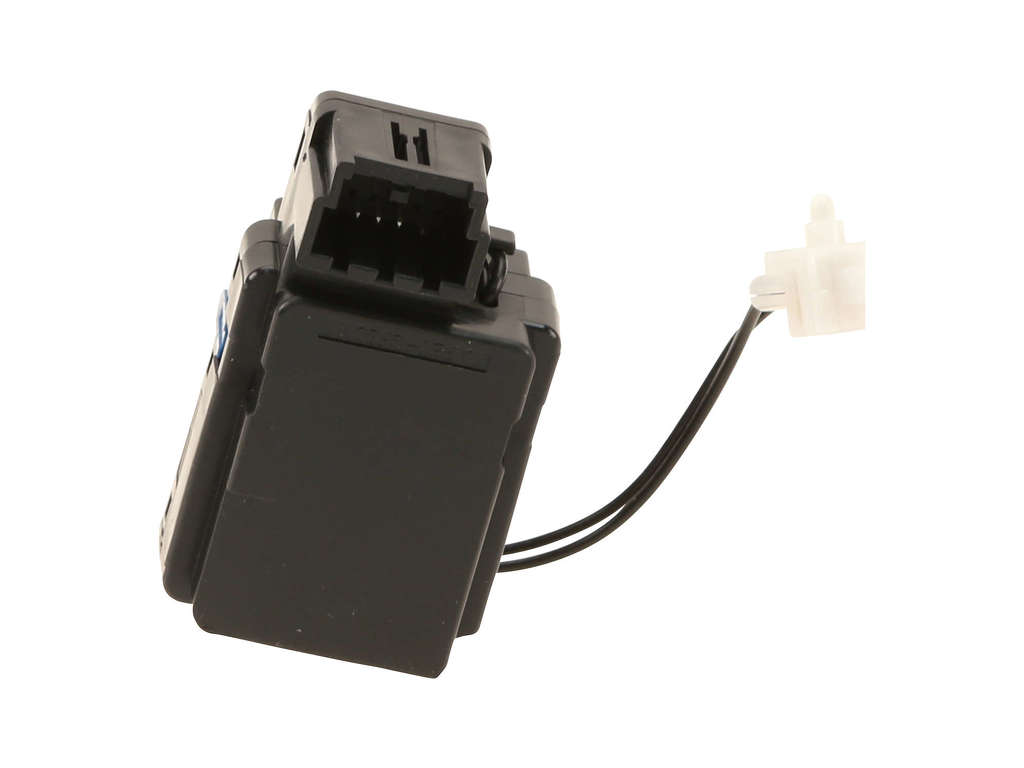
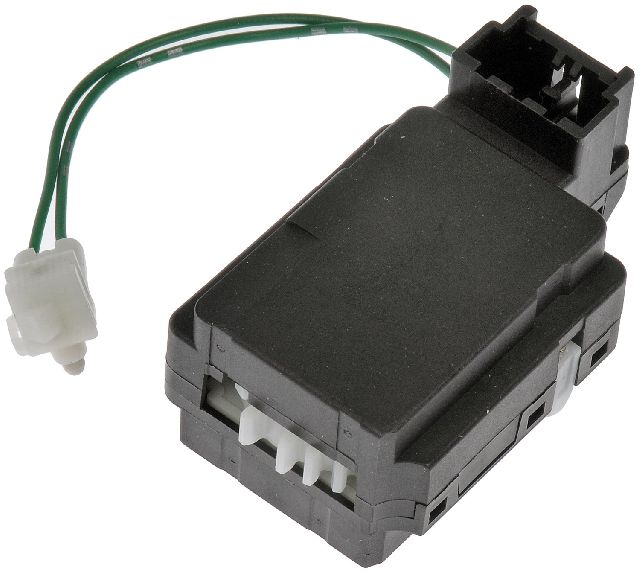
New Aftermarket Parts Available


The information in this article is provided for general reference and educational purposes only. Vehicle specifications, procedures, and part compatibility can vary by production date, trim level, and region. Always consult your vehicle's factory service manual and verify part numbers before purchasing or performing repairs. Safety-critical components such as airbags, seat belts, and braking systems should be installed by a qualified professional.
- Chevrolet TAHOE:
- 🎬 Helpful Videos
- 🛍️ Shop This Part
- What's Unique About the 2007-2014 Chevrolet TAHOE
- Diagnostic Flowchart
- Symptoms You May Notice
- Most Likely Causes
- Rare But Worth Checking
- Diagnosis Steps
- Parts You'll Likely Need
- Related Codes That Often Appear With This One
- Technical Service Bulletins (TSBs) & Recalls
- Platform-Specific Known Issues
- Scan Tool Commands That Help
- Wiring & Ground Locations
- Real Owner Repair Stories
- OEM Part Supersession History
- 🎟️ Get 5% Off