

B3055 on 2014-2017 Chevrolet Spark EV: No Start & Security Light Causes
Code B3055 on a Spark EV means the car's security system can't detect the key fob, causing a no-start. The most common fix is replacing the CR2032 battery in the key fob. If that fails, try the spare key or place the faulty key in the designated, but unmarked, transmitter pocket in the center console.
- B3055 means your Spark EV can't detect your key, which prevents it from starting.
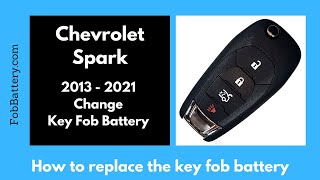
- The first and most common fix is to replace the CR2032 battery in your key fob.
- If a new battery doesn't work, try your spare key to determine if the original fob is faulty.
- For an emergency start, place the key fob in the unmarked transmitter pocket located in one of the center console storage bins.
- Do not replace the 12V battery or suspect the drive motor for this code; the problem is isolated to the security system's communication with the key.
What's Unique About the 2014-2017 Chevrolet SPARK EV
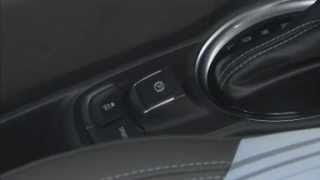
The Chevrolet Spark EV, being an all-electric vehicle with a push-button start, relies entirely 🎬 Watch: How to use the push button start system on its keyless entry system to operate. Unlike a traditional car with a mechanical key, there is no standard ignition cylinder to bypass a faulty key transponder. The system is sensitive to radio frequency interference, and the primary symptom is a complete inability to start the vehicle, which can be confusing for owners accustomed to gasoline cars. Furthermore, as a limited-production "compliance car," some replacement parts may become difficult to source over time.
Diagnostic Flowchart
Tap your situation to follow the diagnostic path that matches what you're seeing on this vehicle.
Symptoms You May Notice
- Vehicle will not crank or start.
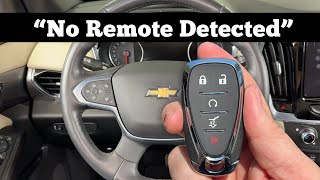
- "No Fob Detected" or "Place Key in Transmitter Pocket" message on the Driver Information Center (DIC).
- Security indicator light on the dashboard is illuminated or flashing.
- Vehicle may start and then immediately stall.
- Keyless entry functions (lock/unlock) may work intermittently or not at all.
- Replacing the vehicle's 12V battery. While a low 12V battery can cause a no-start, it typically won't set a B3055 code specifically.
- Replacing the starter motor. The Spark EV does not have a traditional starter motor; the B3055 code indicates a security lockout, not a component failure in the drive system.
Most Likely Causes
- Weak or Dead Key Fob Battery 🔴 High Probability Keyless entry systems constantly communicate, draining the small CR2032 battery over 2-3 years.
How to confirm: Try using the spare key fob. If the spare key works, the battery in the primary fob is almost certainly the issue. A 'low key fob battery' message may also appear on the dash.
Typical fix: Replace the CR2032 battery inside the key fob.
Est. part cost: $1-$5 - Radio Frequency Interference (RFI) 🟡 Medium Probability Aftermarket devices like phone chargers, dash cams, or even aftermarket LED dome lights can emit signals that jam the 125 kHz key fob communication. GM TSB PIC5650M specifically calls out inspecting for and removing such devices as a primary diagnostic step.
How to confirm: Remove all aftermarket electronic devices from the vehicle. Remove all other keys and access cards from the keychain. Try to start the vehicle again.
Typical fix: Identify and remove the source of the interference. Keep the keychain free of other RFID-enabled cards or fobs.
Est. part cost: $0 - Defective Key Fob ⚪ Low Probability Internal components of the key fob, like the transponder chip or battery contacts, can fail from being dropped or from normal wear.
How to confirm: If a new battery doesn't fix the issue and the spare key works perfectly, the original key fob is likely faulty. A professional scan tool can also fail to read the transponder ID from the suspect fob.
Typical fix: The key fob must be replaced and programmed to the vehicle by a dealership or a qualified automotive locksmith.
Est. part cost: $150-$400 - Faulty Keyless Entry Control Module or Antenna ⚪ Low Probability
How to confirm: This requires professional diagnosis with a scan tool that can monitor the BCM and keyless entry system data. The technician will check for signals from the vehicle's internal antennas and may test the resistance of the antenna circuits.
Typical fix: Replace the faulty module or antenna and program it to the vehicle.
Est. part cost: $200-$500
Diagnosis Steps
- Check the dashboard for a security light or a 'Key Not Detected' message.
- Replace the CR2032 battery in the key fob. This is the most common and cheapest fix.
- If a new battery doesn't work, try using the spare key. If the car starts, the first key fob is faulty.
- If no key works, try placing the key fob in the vehicle's transmitter pocket. On the Spark EV, this is an unmarked slot inside the center console storage area. You may need to try each storage compartment to find the correct one. This allows the car to read the fob even with a weak or dead battery.
- Remove all other keys, fobs, and aftermarket electronics (like phone chargers, dash cams, LED lights) from the vehicle to rule out radio frequency interference, as recommended by GM TSB PIC5650M.
- If the vehicle still won't start, it will require professional diagnosis with a scan tool to check the Body Control Module (BCM) and keyless entry antennas.
- A professional will need to program any new key fobs or modules to the vehicle.
Parts You'll Likely Need
- Key Fob Battery
(OEM #CR2032)— This is the most frequent cause of failure for the B3055 code due to its limited lifespan.
Trusted brands: Energizer, Duracell, Panasonic
OEM price range: $2-$5
Aftermarket price range: $1-$3 - Keyless Entry Transmitter (Key Fob)
(OEM #95074386 (for 2014-2016 models))— If the internal transponder fails, the entire key fob must be replaced and programmed.
Trusted brands: ACDelco, GM Genuine Parts
OEM price range: $150-$400
Aftermarket price range: $50-$150
Related Codes That Often Appear With This One
- B3060 — This code is also related to the immobilizer system and often appears with B3055, indicating a general failure in key signal communication. [⭐ MANUFACTURER TSB — highest authority] Bulletin #PIC5650M
- B3935 — Another code related to the transponder circuit, often logged alongside B3055 when the key signal is not detected. [⭐ MANUFACTURER TSB — highest authority] Bulletin #PIC5650M
Technical Service Bulletins (TSBs) & Recalls
- PIC5650M: Addresses intermittent no-crank, no-start, or start-stall concerns with the security light on, where DTC B3055 may be found. It strongly advises checking for and removing sources of Radio Frequency Interference (RFI) before replacing any parts. [⭐ MANUFACTURER TSB — highest authority] Bulletin #PIC5650M
Platform-Specific Known Issues
- A GM Technical Service Bulletin (PIC5650M) directly addresses an intermittent no-crank or no-start condition with the security light on, specifically listing B3055 as a potential diagnostic code and pointing heavily towards RFI from aftermarket accessories. [⭐ MANUFACTURER TSB — highest authority] Bulletin #PIC5650M
- As a limited-production vehicle, owners have reported increasing difficulty in sourcing certain vehicle-specific parts, including suspension components. While the key fob is currently available, owners should be aware that long-term parts availability could be a concern for this model.
Mechanic-Grade Diagnostic Values
- Immobilizer Antenna Signal Circuit Voltage — expected: Less than 1 V with key ON.. Failure: A reading of 1V or greater indicates a short to voltage in the circuit.
- Serial Data Communication Enable Circuit to Ground — expected: Infinite resistance. Failure: Less than infinite resistance indicates a short to ground on the circuit.
- Serial Data Communication Enable Circuit End-to-End Resistance — expected: Less than 2 ohms. Failure: 2 ohms or greater indicates an open or high resistance in the circuit.
Hidden / Shadow Codes Worth Checking
- B3055 00: No Transponder Modulation or No Transponder. This is a generic failure indicating the BCM received no signal at all from the key's transponder chip. (see via GM GDS2 or other professional-grade scan tools that can read manufacturer-specific symptom bytes.)
- B3055 5A: No Transponder Modulation or No Transponder - Plausibility Failure. This indicates the BCM received a signal, but it was illogical or corrupt. This can point towards strong Radio Frequency Interference (RFI) or an intermittent failure of the key's internal chip. (see via GM GDS2 or other professional-grade scan tools that can read manufacturer-specific symptom bytes.)
Scan Tool Commands That Help
- GM GDS2 / Tech2Win: Immobilizer Learn — This function is required after replacing a key fob or the Body Control Module (BCM). It programs the new component's unique security ID to the vehicle's immobilizer system. A forum user noted this must be done by the dealer or with a tool like a VCX Nano with GDS2 software.
- GM GDS2: Module Diagnostics > Keyless Entry Control Module > Data Display — To view live data parameters such as 'TDM Transponder Key' status ('Present' or 'Not Present') for each key to determine if a specific key is faulty or if the vehicle is failing to read any keys.
- SPS (Service Programming System): IMMO Immobilizer Theft Learn — This is the official GM service function for programming keys and modules. A GM document notes that if this procedure fails, it may be due to the OnStar module interrupting the process. The fix involves temporarily removing a specific fuse to disable the OnStar module during the learn event.
Wiring & Ground Locations
- K9 Body Control Module (BCM) — Located on the left side of the passenger compartment, sometimes described as being at the left lower A-pillar or behind the left kick panel.. The BCM is the central module that manages the anti-theft system. It receives the key transponder signal and decides whether to authorize the vehicle to start. All related wiring converges here.
- Immobilizer Control Module — Located near the top of the steering column.. This module, working in conjunction with the BCM, directly handles the signal from the key transponder via the antenna ring around the ignition.
- G201 — At the base of the left 'A' pillar.. This is a primary ground point for components in the driver's side dash area, including potentially the immobilizer and BCM circuits. A poor ground here can cause intermittent communication failures.
- G211 — Located behind the right side of the glove box.. A ground point for passenger-side dash components. A loose or corroded G211 could affect BCM operation.
- G302 / G310 / G311 — Various ground points in the rear of the luggage compartment.. While less likely to be the primary cause, these grounds serve various body-related functions and can contribute to general electrical noise if compromised, potentially interfering with sensitive modules.
OEM Part Supersession History
95074386→94543198— Part number consolidation or minor revision.
Heads up: Both part numbers are listed for the 2014-2016 Spark EV and appear to be interchangeable.
Model Year Variations Within This Range
- 2014-2016: The key fob (transmitter) part number is 95074386, which was superseded by 94543198.
- 2017: The key fob part numbers change for the 2017 model year. Common part numbers include 13529650, 13584498, 13529665, and 13585723, all under FCC ID HYQ4AA.
Helpful Videos

We Have This Part in Stock


The information in this article is provided for general reference and educational purposes only. Vehicle specifications, procedures, and part compatibility can vary by production date, trim level, and region. Always consult your vehicle's factory service manual and verify part numbers before purchasing or performing repairs. Safety-critical components such as airbags, seat belts, and braking systems should be installed by a qualified professional.
- Chevrolet SPARK EV:
- 🎬 Helpful Videos
- 🛍️ Shop This Part
- What's Unique About the 2014-2017 Chevrolet SPARK EV
- Diagnostic Flowchart
- Symptoms You May Notice
- Most Likely Causes
- Diagnosis Steps
- Parts You'll Likely Need
- Related Codes That Often Appear With This One
- Technical Service Bulletins (TSBs) & Recalls
- Platform-Specific Known Issues
- Mechanic-Grade Diagnostic Values
- Hidden / Shadow Codes Worth Checking
- Scan Tool Commands That Help
- Wiring & Ground Locations
- OEM Part Supersession History
- Model Year Variations Within This Range
- 🎟️ Get 5% Off