

B3055 on 2016-2022 Chevrolet Spark: Key Not Detected, No Start Causes and Fixes
Code B3055 on a Chevy Spark means the car's anti-theft system isn't recognizing the key. The most common causes are a weak key fob battery, radio interference from chargers, or a faulty key. Trying the spare key and removing electronics from the car are the first steps to a fix.
- B3055 means your Spark thinks it's being stolen because it can't read the key.
- Before calling a mechanic, try your spare key and unplug all phone chargers or other aftermarket gadgets.
- The easiest DIY fix is replacing the CR2032 battery in your key fob.
- If simple fixes don't work, the car is not drivable and will need professional service for key programming or diagnostics.
- Do not replace the starter or car battery for this code; the problem is with the security system.
What's Unique About the 2016-2022 Chevrolet SPARK
The Chevrolet Spark from this generation uses a standard GM vehicle theft deterrent (VTD) system. What's notable is its sensitivity to Radio Frequency Interference (RFI), a point GM has emphasized in multiple technical service bulletins. Unlike older, simpler systems, the Spark's BCM can be easily 'jammed' by the 125 kHz frequency noise from common aftermarket devices like USB phone chargers, dash cams, or even non-factory LED interior lights. This can lead to an intermittent B3055 code that can be difficult for technicians to replicate, as the interfering device may have been removed by the owner before service.
Diagnostic Flowchart
Tap your situation to follow the diagnostic path that matches what you're seeing on this vehicle.
Symptoms You May Notice
- Engine will not crank or start.
- Engine starts but stalls within a few seconds.
- Security light (often a car with a lock symbol) on the dashboard is solid or flashing.
- Message on the driver information center like 'No Fob Detected' or 'Service Theft Deterrent System'.
- Replacing the starter motor. A no-crank condition from B3055 is due to the BCM disabling the starter relay, not a faulty starter.
- Replacing the vehicle's main 12V battery. While a low battery can cause many electrical issues, B3055 specifically points to the key communication, not overall system voltage.
Most Likely Causes
- Radio Frequency Interference (RFI) from Aftermarket Devices 🔴 High Probability As highlighted in GM TSB PIC5650M, the vehicle's security system operates on a frequency (125 kHz) that is easily disrupted by the 'noise' from unshielded aftermarket electronics. GM specifically calls out aftermarket LED lights, USB chargers, dash cams, and even building access cards on the keychain as potential sources.
How to confirm: Unplug all aftermarket devices (phone chargers, dash cams, LED lights) from the 12V outlets. Remove all other keys, fobs, and access cards from your keychain. If the car starts, RFI was the cause. A technician may use an RFI meter to find the source if it's not obvious.
Typical fix: Remove the interfering device. If the device is necessary, replace it with a high-quality, well-shielded version from a reputable brand. Do not use decorative rings around the ignition cylinder.
Est. part cost: $0-$50 - Weak or Dead Key Fob Battery 🔴 High Probability The transponder chip in the key is passive and doesn't require a battery. However, on keys where the remote is integrated, a dying battery in the remote portion can cause general electrical anomalies and signal issues that the BCM may misinterpret.
How to confirm: Try starting the car with your spare key. If the spare key works reliably, the primary key's battery is a likely suspect, though the transponder chip itself could also be the issue.
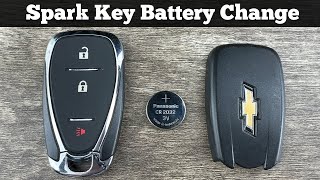
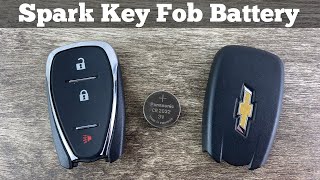
Typical fix: Replace the CR2032 coin battery inside the key fob. This is a simple DIY task. 🎬 Watch: How to replace your key fob battery
Est. part cost: $1-$5 - Damaged or Faulty Ignition Key 🟡 Medium Probability The transponder chip inside the key head is small and can be damaged if the key is dropped, exposed to water, or simply fails internally. An intermittent failure of the chip can be particularly hard to diagnose.
How to confirm: If the spare key works perfectly and the primary key fails even with a new battery, the key itself is likely damaged. A diagnostic scan tool may show 'Invalid Key' or 'Transponder Key Not Present' when trying to use the faulty key.
Typical fix: A new key must be purchased from a dealer or automotive locksmith and programmed to the vehicle using a specialized tool.
Est. part cost: $75-$250 - Faulty Immobilizer Exciter Antenna ⚪ Low Probability The antenna is a simple coil of wire around the ignition lock cylinder that energizes the key transponder. It can fail over time due to an internal open or short in the coil, though it's not a high-failure part.
How to confirm: This requires professional diagnosis. A technician will use a scan tool to check for a signal from the antenna and test the wiring between the antenna and the BCM. The resistance of the coil itself can be measured; a reading outside the typical 5-20 ohm range indicates a fault.
Typical fix: Replace the immobilizer antenna ring (also called a transceiver). The part is relatively inexpensive, but labor involves removing steering column shrouds. On a 2020 Spark, the owner noted a new part was about $60 and did not require programming.
Est. part cost: $40-$80
Rare But Worth Checking
- Faulty Body Control Module (BCM): While rare, the BCM is the brain of the security system. Diagnostic procedures often state to replace the BCM only after all other components (keys, antenna, wiring) have been proven to be good. This is an expensive repair that requires programming by a dealer or a well-equipped independent shop.
- Key Not Fully Extended (Flip Keys): A GM service bulletin (PIT5030E) notes that if the flip key is not fully locked in the straight position, it can be angled incorrectly when inserted. This changes the distance and angle between the transponder chip and the antenna ring, preventing a good read and triggering B3055. The fix is to simply retract and fully extend the key before trying again.
Diagnosis Steps
- Check for a security light on the dashboard. Its presence confirms an anti-theft issue.
- Remove all items from your keychain except the single ignition key. Unplug all devices from the 12V power outlets (chargers, dash cams, etc.). Try to start the vehicle again.
- If the no-start condition persists, try your spare key. If the spare key works, the issue is with your primary key.
- If the primary key is the problem, replace its internal CR2032 battery first 🎬 See this quick walkthrough for changing the battery as a simple check.
- For flip-style keys, ensure the key is fully locked in the extended, straight position before inserting it into the ignition.
- If neither key works and all interference sources are removed, the vehicle needs professional diagnosis. A technician will use a scan tool to check the BCM's immobilizer data (e.g., 'Key In Ignition', 'Transponder Key Present') and test the ignition antenna circuit for resistance and voltage.
- Based on scan tool data, the technician will pinpoint the faulty component: the key, the antenna, the wiring, or the BCM itself.
- If required, a key relearn procedure or BCM/key programming will be performed by the technician.
Parts You'll Likely Need
- Key Fob Battery
(OEM #CR2032)— This is the most common and cheapest fix when a key stops communicating reliably.
Trusted brands: Energizer, Duracell, Panasonic
OEM price range: $5-$10
Aftermarket price range: $1-$5 - Transponder Ignition Key
(OEM #13579235 (for 2016-2019 models, verify by VIN))— If the internal transponder chip is damaged, the entire key must be replaced and programmed.
Trusted brands: ACDelco (OEM)
OEM price range: $150-$250
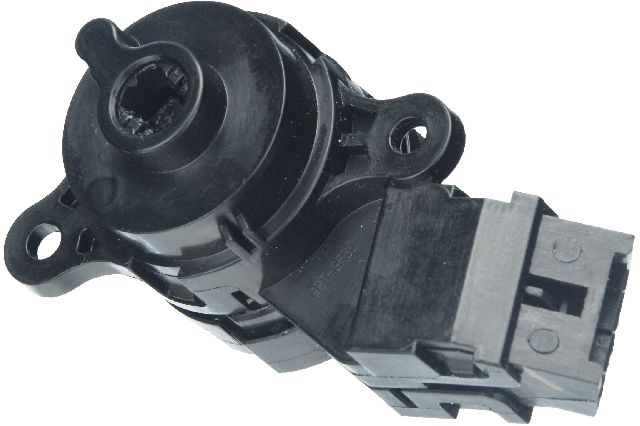
Aftermarket price range: $75-$150 - Immobilizer Antenna Ring
(OEM #13539917 (also listed for Trax))— If the antenna that reads the key fails, it must be replaced. This is less common than a key failure but is a known issue.
Trusted brands: ACDelco (OEM)
OEM price range: $60-$100
Aftermarket price range: $40-$80
Related Codes That Often Appear With This One
- B3060 — This code, 'Un-learned Transponder Key', often appears with B3055 as part of the same diagnostic event when the BCM is having trouble reading or authenticating the key. [Bulletin #PIC5650M]
- B3935 — Related to a transponder authentication error, indicating the BCM received a signal but could not validate it. It's frequently cited alongside B3055 in GM's RFI-related TSBs. [Bulletin #PIC5650M]
Technical Service Bulletins (TSBs) & Recalls
- PIC5650M (and previous versions K, C, B): Addresses intermittent no-crank/no-start, security light on, and DTCs including B3055. It provides an extensive list of RFI sources, from USB chargers and LED lights to building access cards, and advises removing them as a first diagnostic step.
- PIT5030E: Describes an intermittent no-crank condition caused by the flip key not being fully extended, which can set a history code for B3055.
Platform-Specific Known Issues
- This platform is highly susceptible to radio frequency interference from aftermarket electronics, as documented in GM TSB PIC5650M. Owners should be questioned about phone chargers, LED lights, and dash cams as a first step.
- The flip key design can cause intermittent no-starts if not fully extended, as noted in TSB PIT5030E. This is an operator-error issue but logs the same B3055 code.
Mechanic-Grade Diagnostic Values
- Immobilizer Antenna Coil Resistance — expected: 5-20 Ohms. Failure: A reading of infinite resistance (open circuit) or near zero (short circuit).
- Immobilizer Antenna Signal Circuit to Ground — expected: Infinite resistance (OL). Failure: Any reading less than infinite resistance indicates a short to ground in the wiring.
- Immobilizer Antenna Signal Circuit Voltage — expected: Less than 1 V with key ON. Failure: A reading of 1V or greater indicates a short to voltage in the circuit.
Hidden / Shadow Codes Worth Checking
- B3055 00: No Transponder Modulation or No Transponder. This is a generic failure type indicating the BCM received no signal from the key's transponder chip. (see via GM GDS2 or other professional-grade scan tools that can read manufacturer-specific symptom bytes.)
- B3055 5A: No Transponder Modulation or No Transponder - Plausibility Failure. This indicates the BCM received a signal, but it was illogical or corrupt, which can point towards RFI or an intermittent key chip failure. (see via GM GDS2 or other professional-grade scan tools.)
Scan Tool Commands That Help
- GDS2 (GM): Immobilizer Learn — This function is required after replacing the BCM or adding/replacing keys. It guides the technician through the security procedures, which may include a 10-minute wait period to authorize the new components.
- GDS2 (GM): Add/Replace Keys — Used when a new key needs to be programmed to the vehicle. This process will erase all previously known keys, so all keys for the vehicle must be present for reprogramming.
- GDS2 (GM): BCM Data Display — During diagnosis, a technician will monitor parameters like 'TDM Transponder Key' status (Present/Not Present) or 'Key Part Number' to see if the BCM is successfully reading the key in real-time.
Wiring & Ground Locations
- K9 Body Control Module (BCM) — Located on the driver's side, behind the instrument panel, to the left of the steering column. It may be necessary to remove the fuse box panel to access it.. The BCM is the central module that receives and validates the signal from the key's transponder via the antenna. All wiring for the immobilizer system terminates here.
- G203 — A common ground point located on the left side of the instrument panel, near the A-pillar.. The BCM and other related instrument panel components rely on this ground. A loose or corroded G203 can cause a variety of intermittent electrical issues, including problems with the immobilizer system.
- Immobilizer Antenna Connector — Connected to the antenna ring that encircles the ignition lock cylinder, located within the steering column shrouds.. This is the primary connection point to test the antenna coil's resistance and check for voltage/ground from the BCM before condemning the antenna itself.
Real Owner Repair Stories
- Forum User, chevysparkforum.com (2018 Chevrolet Spark) — Intermittent no-start with security light, B3055 code stored.
❌ Tried (didn't work) Replacing the key fob battery., Trying the spare key.
✅ What actually fixed it The immobilizer antenna ring (transceiver) around the ignition cylinder was faulty. The owner replaced the part (PN 13539917) themselves, and the issue was resolved without needing to program the new antenna. - Mechanic anecdote from online forums (2017 Chevrolet Spark) — B3055 code appeared randomly, sometimes weeks apart. No-start condition that would resolve itself.
❌ Tried (didn't work) Customer replaced key fob battery., Dealer checked keys and found no issues., Technician could not replicate the issue during service.
✅ What actually fixed it An improperly installed aftermarket remote starter was back-feeding a small amount of voltage into the immobilizer circuit, confusing the BCM. Removing the aftermarket remote starter system permanently resolved the intermittent B3055 code.
OEM Part Supersession History
13518997, 13527798→13539917— Part consolidation and revision by GM.
Heads up: Part 13539917 is the correct immobilizer antenna/module for the Spark and is also shared with the Chevrolet Trax. No incompatibilities are noted within this generation.
Helpful Videos
Used OEM Parts in Stock

New Aftermarket Parts Available

The information in this article is provided for general reference and educational purposes only. Vehicle specifications, procedures, and part compatibility can vary by production date, trim level, and region. Always consult your vehicle's factory service manual and verify part numbers before purchasing or performing repairs. Safety-critical components such as airbags, seat belts, and braking systems should be installed by a qualified professional.
- Chevrolet SPARK:
- 🎬 Helpful Videos
- 🛍️ Shop This Part
- What's Unique About the 2016-2022 Chevrolet SPARK
- Diagnostic Flowchart
- Symptoms You May Notice
- Most Likely Causes
- Rare But Worth Checking
- Diagnosis Steps
- Parts You'll Likely Need
- Related Codes That Often Appear With This One
- Technical Service Bulletins (TSBs) & Recalls
- Platform-Specific Known Issues
- Mechanic-Grade Diagnostic Values
- Hidden / Shadow Codes Worth Checking
- Scan Tool Commands That Help
- Wiring & Ground Locations
- Real Owner Repair Stories
- OEM Part Supersession History
- 🎟️ Get 5% Off