

B3055 on 2015-2019 Chevrolet Silverado 3500: No-Start Causes and Fixes
Code B3055 on a 2015-2019 Silverado 3500 means the truck's anti-theft system can't read the key, causing a no-start. The most likely cause is a faulty key or radio frequency interference. Trying your spare key is the first step; a new key and programming can cost between $150 and $400.
- B3055 means your truck's security system can't read your key, which is why it won't start.
- The very first step is to try your spare key. If it works, the problem is your primary key.
- Before replacing parts, remove all other keys and unplug all aftermarket chargers/devices to rule out radio frequency interference, a known issue on these trucks.
- Do not replace the starter or battery without confirming they are faulty; the no-start is usually a command from the security system.
- A permanent fix involving a new key or module will require professional programming.
What's Unique About the 2015-2019 Chevrolet SILVERADO 3500
The 2015-2019 Silverado 3500 uses a common GM Pass-Key III+ immobilizer system. A significant issue, highlighted in multiple versions of GM Technical Service Bulletin PIC5650 (including PIC5650M), is the system's sensitivity to Radio Frequency Interference (RFI). Aftermarket devices like phone chargers, dash cams, non-OEM LED lights, toll passes, or even other keys on the same keychain can 'jam' the 125 kHz signal between the key and the truck, causing an intermittent B3055 and a no-start condition. Another TSB, PIT5030E, notes that on models with a flip-style key, not having the key fully extended and locked straight can cause a poor reading and trigger the code.
Diagnostic Flowchart
Tap your situation to follow the diagnostic path that matches what you're seeing on this vehicle.
Symptoms You May Notice
- Engine will not crank (no-crank)
- Engine starts and immediately stalls
- Flashing or solid security light on the dashboard.
- "Service Theft Deterrent System" message on the driver information center.
- Key may become trapped in the ignition cylinder.
- Replacing the starter motor. The no-crank symptom is a direct result of the security system disabling the starter relay; the starter itself is rarely the problem.
- Replacing the battery without proper testing. While a low battery can cause this code, B3055 specifically points to a security communication failure, which won't be solved by a new battery if the key or reader is the true cause.
Most Likely Causes
- Defective or Damaged Ignition Key 🔴 High Probability The transponder chip inside the key housing can fail from being dropped, water damage, or internal failure. Cloned aftermarket keys are also a frequent source of this problem. The flip-key mechanism can also wear, causing intermittent connection issues.
How to confirm: The easiest way to confirm is to try starting the vehicle with a known-good spare key. If the spare key works consistently, the original key is faulty.
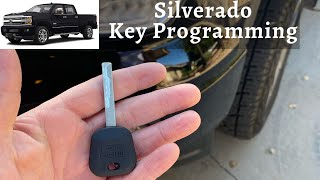
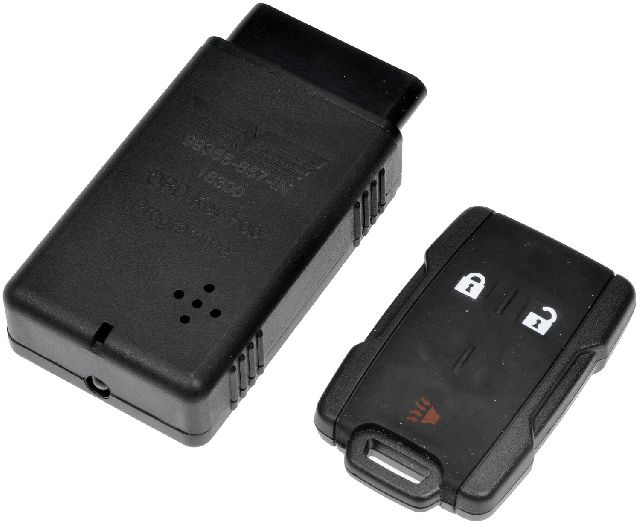
Typical fix: The faulty key must be replaced. A new OEM or high-quality aftermarket key needs to be cut and then electronically programmed to the vehicle 🎬 Watch this fast and easy guide to programming your key. using a specialized tool.
Est. part cost: $75-$250 - Radio Frequency Interference (RFI) 🟡 Medium Probability As noted in TSB PIC5650M, the GM theft deterrent system is sensitive to RFI. Common sources include aftermarket phone chargers, other vehicle key fobs on the same ring, building access cards, aftermarket stereos (especially data interfaces like the Metra Axxess), or even some LED lighting.
How to confirm: Remove all other keys, fobs, and access cards from the keychain. Unplug all aftermarket devices (phone chargers, dash cams, etc.) from the 12V and USB ports. If the vehicle starts with a bare key, RFI was the cause.
Typical fix: Isolate and remove the source of the interference. Avoid keeping other transponder keys or access cards on the same ring as the truck key. Shielding or relocating aftermarket device wiring may be necessary.
Est. part cost: $0 - Faulty Ignition Lock Cylinder / Transponder Reader ⚪ Low Probability The exciter coil (antenna) that reads the key's transponder is part of the ignition lock cylinder assembly. This coil or its wiring can fail over time, preventing it from powering or reading the key chip.
How to confirm: If multiple known-good keys fail to start the vehicle and RFI has been ruled out, the problem is likely with the reader. A technician can use a scan tool to monitor the transponder key data while wiggling the key in the ignition. If the signal cuts in and out, the lock cylinder assembly is the culprit.
Typical fix: The ignition lock cylinder assembly, which includes the transponder reader coil, needs to be replaced. This part will require a security relearn procedure after installation.
Est. part cost: $100-$300 - Low Vehicle Battery Voltage ⚪ Low Probability A weak or failing vehicle battery can cause a wide range of unpredictable electronic issues. The Body Control Module may not operate correctly with low voltage, leading to a communication failure with the key.
How to confirm: Test the vehicle's battery with a multimeter or battery tester. A healthy battery should read approximately 12.6 volts with the engine off. If the voltage is below 12.0V, it may be the cause.
Typical fix: Recharge or replace the vehicle's 12-volt battery. Ensure battery terminals and ground connections are clean and tight.
Est. part cost: $150-$350
Rare But Worth Checking
- Faulty Body Control Module (BCM): This is the least likely cause and should only be considered after all other possibilities (keys, RFI, wiring, and ignition cylinder) have been exhaustively tested. The BCM is an expensive component and requires professional programming.
- Wiring Issue: A damaged or corroded wire or a loose connection in the circuit between the ignition lock cylinder and the BCM can cause this code. This is uncommon but possible, especially if other recent work has been done under the dash or on the steering column.
Diagnosis Steps
- Attempt to start the vehicle with a known-good spare key. If it starts, the primary key is faulty.
- Remove all other keys, fobs, and aftermarket electronics from the vehicle and keychain to eliminate Radio Frequency Interference (RFI). This is the primary step recommended by GM TSB PIC5650M. Retest with the original key.
- If the vehicle has a flip-style key, ensure it is fully extended and locked straight before inserting it into the ignition, as per TSB PIT5030E.
- Check the vehicle's battery voltage to ensure it is above 12.4 volts. Charge or replace if necessary.
- Scan the Body Control Module (BCM) with a professional scan tool. Confirm B3055 is the active code and check for other related DTCs like B3060 or B3935.
- Inspect the wiring and connector at the ignition lock cylinder for any visible damage or looseness.
- If all keys fail and RFI is ruled out, perform the 30-minute key relearn procedure. This involves cycling the key to 'ON' for 10 minutes (until the security light goes out), turning it OFF for 10 seconds, and repeating this for a total of three cycles. Note: This relearns the key to the module but will not fix a hardware failure.
- If the relearn fails, the ignition lock cylinder (transponder reader) is the next likely suspect and requires testing and probable replacement.
Parts You'll Likely Need
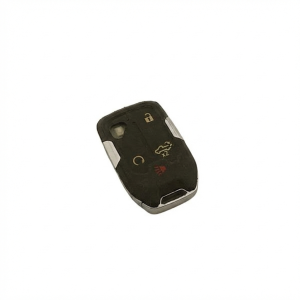
- Transponder Ignition Key (Flip Key)
(OEM #13530755 (replaces 13529073))— The internal transponder chip is the most common point of failure for this code. A damaged or faulty key cannot communicate with the vehicle's security system.
Trusted brands: ACDelco, Strattec
OEM price range: $60-$120
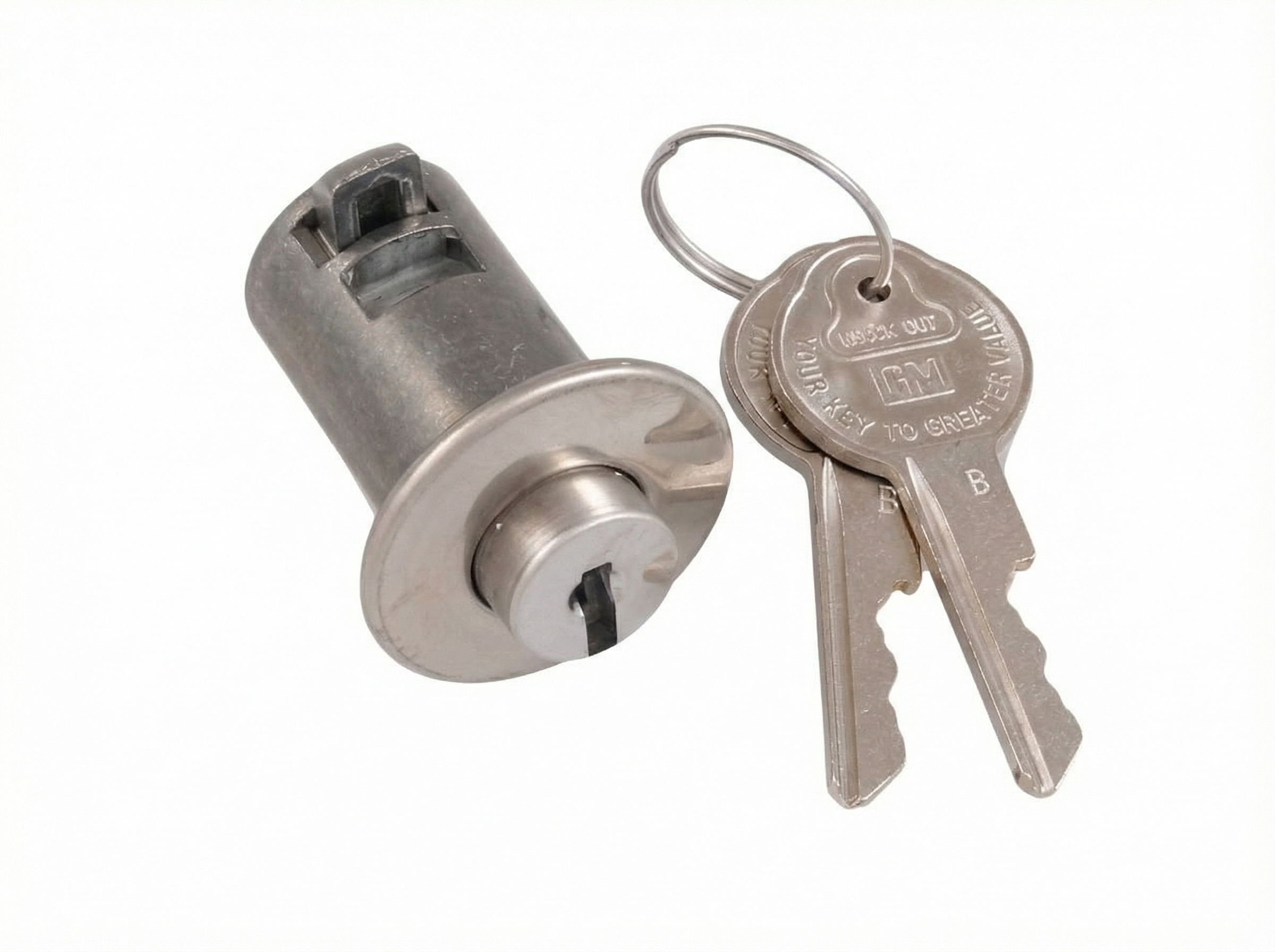
Aftermarket price range: $40-$80 - Ignition Lock Cylinder with Transponder Reader
(OEM #84668679)— If multiple keys fail to work, the reader coil (antenna) that is part of the lock cylinder assembly is the next most likely component to have failed.
Trusted brands: ACDelco, Dorman (p/n 924-795), Standard Motor Products
OEM price range: $150-$300
Aftermarket price range: $100-$200
Related Codes That Often Appear With This One
- B3060 — This code for 'Unprogrammed Transponder' often appears with B3055, indicating a general failure in the key communication and security validation process, as noted in TSB PIC5650M.
- B3935 — Also related to the transponder key circuit, this code for 'Transponder Authentication Status' can be set alongside B3055 when there are issues with the security data being transmitted or received.
Technical Service Bulletins (TSBs) & Recalls
- PIC5650M: Addresses intermittent no-crank, no-start, or stalling with the security light on, listing B3055 as a potential code. It heavily points towards investigating Radio Frequency Interference (RFI) from a long list of aftermarket devices (chargers, LEDs, toll passes, access cards) before replacing any parts.
- PIT5030E: A diagnostic tip that specifically notes an intermittent no-crank with B3055 can be caused by the flip-style key not being fully extended and locked in the straight position, preventing a proper read by the antenna.
Platform-Specific Known Issues
- As per TSB PIC5650M, these trucks are highly susceptible to intermittent no-start conditions caused by Radio Frequency Interference from aftermarket devices like phone chargers, toll passes, or even non-OEM LED lights.
- Per TSB PIT5030E, the flip-style key must be fully extended and locked straight, or it may fail to be read by the ignition cylinder's antenna, causing an intermittent B3055.
Scan Tool Commands That Help
- GDS2 (Global Diagnostic System 2): Module Diagnostics -> BCM -> Data Display -> Immobilizer Data — Use this function to monitor live data PIDs like 'TDM Transponder Key' and 'Environment Identification (Key Detected)'. This allows a technician to see in real-time if the Body Control Module is recognizing the key's presence in the ignition, which is a critical first step before condemning parts.
- GDS2 (Global Diagnostic System 2): Module Diagnostics -> Remote Control Door Lock Receiver -> Configure/Reset Functions -> Add/Replace Key Fobs — This service function is required after replacing a key or the Body Control Module (BCM). It initiates the security relearn procedure to program the new key's transponder value to the vehicle's immobilizer system, allowing it to start.
Wiring & Ground Locations
- G218 — Located on the driver's side, under the dash, near the A-pillar and speaker.. This is a primary ground point for the Body Control Module (BCM). It is notoriously faulty on this platform because sound-deadening insulation often gets trapped between the ground terminal and the body, causing a poor, intermittent connection. This can cause the BCM to malfunction, leading to a host of electrical issues, including the inability to read the key and setting code B3055.
- K9 BCM X1 Connector, Pin 21 — On the Body Control Module (BCM), which is typically located under the driver's side of the dashboard.. This pin, with a Gray (GY) wire, is the specific circuit for 'Security Indicator Control'. A fault on this circuit could potentially be related to security system issues, and it can be used as a test point for technicians diagnosing the system's electrical integrity.
Real Owner Repair Stories
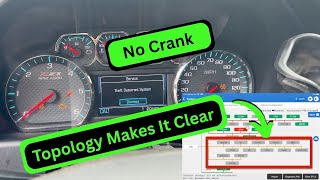
- YouTube channel 'KenKej AutoElecTrix' (2016 Chevrolet Silverado) — No crank, no start, with DTC B3055 stored.
❌ Tried (didn't work) The video focuses on the successful diagnosis, not a list of failed attempts.
✅ What actually fixed it The problem was solved by replacing the faulty ignition key and performing the security relearn procedure to program the new key to the truck. - Reddit user in r/MechanicAdvice (2004 Silverado (similar GM system) with an aftermarket iDatastart remote start system.) — Remote start worked, but then the key fob stopped working for locking/unlocking doors.
❌ Tried (didn't work) Pushing buttons on the fob only resulted in flashing headlights.
✅ What actually fixed it The user had to jump-start the truck, after which the remote start and fob functions returned to normal. The user suspected a pending code or low voltage condition that the aftermarket system did not like. This highlights how low battery voltage or aftermarket components can trigger security system faults.
"I Checked Everything" — The Actual Cause
- While not a smoke test, a similar diagnostic dead-end can occur with B3055. A technician may test the key, the ignition reader coil, and the BCM itself, finding all components function correctly on the bench. The actual root cause may be the poor G218 ground connection, which causes the BCM to fail intermittently under real-world vehicle voltage loads, a condition not easily replicated by standard component tests.
OEM Part Supersession History
13529073→13530755— Standard part lifecycle update or revision.22855177, 23476975, 84553528→84668679— Part consolidation and lifecycle updates for the ignition lock cylinder assembly.
Helpful Videos

Used OEM Parts in Stock


New Aftermarket Parts Available


The information in this article is provided for general reference and educational purposes only. Vehicle specifications, procedures, and part compatibility can vary by production date, trim level, and region. Always consult your vehicle's factory service manual and verify part numbers before purchasing or performing repairs. Safety-critical components such as airbags, seat belts, and braking systems should be installed by a qualified professional.
- Chevrolet SILVERADO 3500:
- 🎬 Helpful Videos
- 🛍️ Shop This Part
- What's Unique About the 2015-2019 Chevrolet SILVERADO 3500
- Diagnostic Flowchart
- Symptoms You May Notice
- Most Likely Causes
- Rare But Worth Checking
- Diagnosis Steps
- Parts You'll Likely Need
- Related Codes That Often Appear With This One
- Technical Service Bulletins (TSBs) & Recalls
- Platform-Specific Known Issues
- Scan Tool Commands That Help
- Wiring & Ground Locations
- Real Owner Repair Stories
- "I Checked Everything" — The Actual Cause
- OEM Part Supersession History
- 🎟️ Get 5% Off