

B3055 on 2007-2014 Chevrolet Silverado 3500: No-Start Causes and Fixes
Code B3055 on a 2007-2014 Silverado 3500 means the anti-theft system can't read your key, causing a no-start. The most likely fix is trying a spare key or removing other RFID devices from your keychain. If that fails, the ignition lock cylinder, which contains the key reader, is a common failure point.
- B3055 means your truck's anti-theft system has disabled the engine because it cannot read the ignition key.
- Before any repairs, try your spare key and remove all other electronic fobs, cards, and chargers from the truck to rule out a bad key or signal interference.
- A simple '30-minute relearn' procedure can sometimes resolve the issue without replacing parts.
- If simple fixes fail, the most common failed part is the ignition lock cylinder assembly, which contains the key reader.
- Replacement of the key or lock cylinder will require a security relearn procedure, which may need professional tools.
What's Unique About the 2007-2014 Chevrolet SILVERADO 3500
For the GMT900 platform Silverado (2007.5-2014), the B3055 code is a very common issue often leading to a frustrating intermittent no-start. GM has issued multiple service bulletins, including PIC5650M, that point towards radio frequency interference (RFI) as a primary culprit before any parts are replaced. Unlike some other vehicles where the key itself is the most common failure, on these trucks, the entire ignition lock cylinder assembly, which houses the reader coil, is a frequent point of failure due to wear and tear over time. Another TSB, PIT5030E, notes that on models with a flip-key, not having the key fully extended can cause a poor reading angle and trigger the code.
Diagnostic Flowchart
Tap your situation to follow the diagnostic path that matches what you're seeing on this vehicle.
Symptoms You May Notice
- Engine will not crank when the key is turned
- Engine starts briefly and then immediately stalls
- Security light is illuminated or flashing on the dashboard.
- Intermittent no-start condition that may be hard to replicate.
- "Service Theft Deterrent System" message on the Driver Information Center (DIC).
- Replacing the starter motor. A no-crank symptom with the security light on is almost always caused by the anti-theft system, not a bad starter.
- Replacing the battery without proper testing. While a low battery can cause this code, it's important to test the battery's health before replacing it, as the root cause is often elsewhere.
- Replacing the entire ignition lock cylinder (the mechanical part with tumblers) when only the housing with the electronic sensor has failed.
Most Likely Causes
- Radio Frequency Interference (RFI) 🔴 High Probability The Passkey III+ system is sensitive to other RFID devices. GM TSB PIC5650M specifically highlights this as a primary diagnostic step for intermittent no-starts with a B3055 code. Sources can include other car keys, gate access cards, gas station speed passes, and even aftermarket electronics like phone chargers and LED lights plugged into the truck.
How to confirm: Remove all other keys, key fobs, access cards, and aftermarket electronics (like phone chargers) from the vehicle and keychain. Attempt to start the truck with only the single Silverado key. If it starts consistently, RFI was the cause. TSB PIC5650M advises technicians to check for these items before replacing any parts.
Typical fix: Keep other RFID-enabled cards and fobs separate from the vehicle's ignition key. Remove or relocate non-essential aftermarket electronics.
Est. part cost: $0 - Defective or Damaged Ignition Key 🟡 Medium Probability The transponder chip inside the key head can be damaged from being dropped, or the key itself can become worn. Using cheap, poorly cloned aftermarket keys can also trigger this code. For trucks with a flip-style key, TSB PIT5030E notes that if the key is not fully extended and locked, it can cause a misread.
How to confirm: Try starting the vehicle with a known-good spare key. If the spare key works every time, the original key is faulty. Also, ensure any flip-key is fully extended and locked straight before insertion.
Typical fix: Replace the faulty key. A new key must be cut and programmed to the vehicle using a specific relearn procedure or a scan tool.
Est. part cost: $50-$150 - Faulty Ignition Lock Cylinder with Passkey Sensor 🟡 Medium Probability The exciter coil (antenna) that reads the key is part of the ignition lock cylinder assembly. The wiring for this coil can break from the repeated stress of turning the key over many years, leading to a failure to read the transponder. This is a widely discussed failure on owner forums for GMT900 trucks.
How to confirm: If multiple known-good keys fail to start the vehicle and RFI has been ruled out, the lock cylinder assembly is the next most likely cause. A technician can test the resistance and signal from the coil at the BCM connector. Wiggling the key in the ignition while monitoring scan tool data may show the key signal dropping in and out, confirming a bad reader coil.
Typical fix: Replace the ignition lock cylinder housing. This part often requires a security relearn procedure after installation. Several YouTube videos demonstrate the replacement process, which involves removing the steering column shrouds.
Est. part cost: $70-$200
Rare But Worth Checking
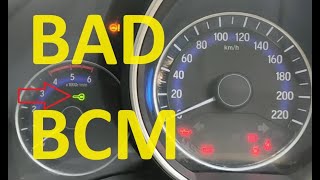
- Failing Body Control Module (BCM): While less common, the BCM itself can fail. This is usually suspected only after all other causes (keys, RFI, ignition cylinder) have been ruled out. A failing BCM may also cause other strange electrical issues in the cabin. 🎬 Watch: Learn how to identify symptoms of a failing BCM. Diagnosis requires a professional scan tool to confirm the module is unresponsive or internally faulted.
- Low Vehicle Battery Voltage: A weak battery can cause a variety of unpredictable electronic faults, including causing the TDM/BCM to malfunction during the key-read sequence. Before diagnosing complex security issues, ensure the battery is fully charged and healthy. One owner on a forum replaced both batteries on his Duramax only to find the issue was the Passlock system, highlighting the potential for misdiagnosis.
- Wiring Harness or Connector Issues: A poor connection or broken wire between the ignition lock cylinder and the BCM can cause an intermittent loss of signal, triggering B3055. This can be difficult to diagnose and may require checking for continuity and inspecting connectors at the steering column and BCM. A known chafe point on this platform is the engine harness near the driver's side shock tower.
Diagnosis Steps
- Check for a solid or flashing 'Security' light on the instrument cluster. This confirms the anti-theft system is involved.
- Remove all other keys, fobs, and RFID cards from the keychain and any aftermarket chargers from the cab to eliminate Radio Frequency Interference (RFI), as recommended by TSB PIC5650M.
- Try to start the vehicle with a known-good spare key. If it starts, the primary key is the problem.
- If using a flip-style key, ensure the key blade is fully extended and locked straight before inserting it into the ignition, per TSB PIT5030E.
- Check the vehicle's battery voltage to ensure it is above 12.4 volts.
- If the issue persists with all keys, perform the '30-minute relearn procedure': Turn the key to the 'ON' position (do not attempt to start) for about 10 minutes until the security light goes out. Turn the key off for 10 seconds. Repeat this process two more times for a total of three cycles. On the fourth attempt, the vehicle should start.
- If the relearn fails, the next step is to inspect the wiring and connector at the ignition lock cylinder and the BCM for damage or chafing.
- If wiring is intact, use a scan tool to monitor the 'Transponder Key' data parameter while wiggling the key. If the signal is intermittent, the ignition lock cylinder/reader coil is faulty.
- If all the above steps fail, the remaining causes are likely a faulty ignition lock cylinder/reader coil or a faulty BCM, which require professional diagnosis.
Parts You'll Likely Need
- Transponder Ignition Key — The internal transponder chip can fail, or the key can be physically damaged. This is a common and simple fix if a spare key works.
Trusted brands: ACDelco, Strattec
OEM price range: $75-$150
Aftermarket price range: $40-$90 - Ignition Lock Cylinder with Passkey Sensor
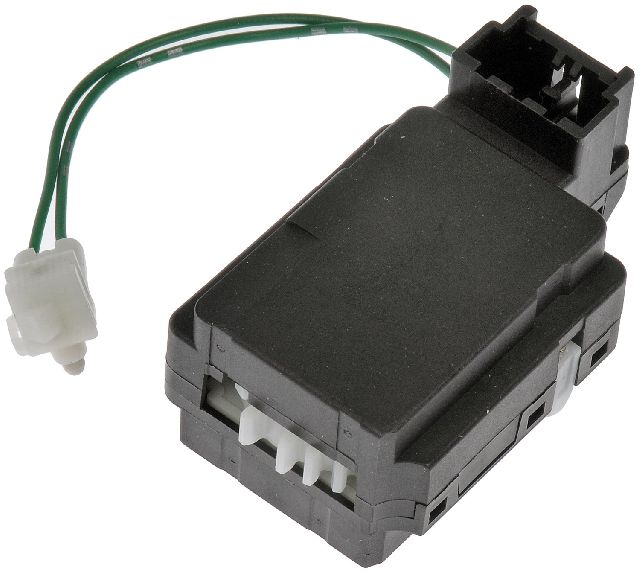
(OEM #25832354)— The integrated sensor (exciter coil) that reads the key is a very common failure point on this platform. The entire housing is typically replaced. The part is also listed under ACDelco P/N D1493F.
Trusted brands: ACDelco, Dorman, Standard Motor Products
OEM price range: $150-$250
Aftermarket price range: $70-$150
Related Codes That Often Appear With This One
- B3060 — This code for 'Unprogrammed Transponder' often appears with B3055, indicating the system detected a key but couldn't authenticate it, which is part of the same failure event.
- B3935 — This code for 'Transponder Authentication Failed' is also logged when the security system cannot validate the key's signal, directly relating to the B3055 fault.
Technical Service Bulletins (TSBs) & Recalls
- PIC5650M: Addresses an intermittent no crank, no start, or start/stall with security light on, pointing to DTCs B3055, B3060, and B3935 and advising technicians to check for Radio Frequency Interference (RFI) from a wide range of aftermarket devices before replacing parts.
- PIT5030E: A diagnostic tip explaining that flip-style keys not fully extended can cause a no-crank condition and set DTC B3055 in history.
- PIE0232: An engineering information request for 2013 Silverado/Sierra models to gather data on the root cause of B3055, B3060, and B3935 codes on low-mileage vehicles, showing a known issue from the factory.
Platform-Specific Known Issues
- As noted in TSB PIC5650M, these trucks are particularly susceptible to intermittent no-start conditions caused by RFI from devices on the keychain or even aftermarket electronics inside the cab, such as phone chargers or LED lights.
- TSB PIT5030E highlights that flip-style keys not fully extended can cause a misread and trigger a B3055, a simple user-error issue to check first.
- An engineering-level bulletin, PIE0232, was issued specifically for 2013 models to gather data on low-mileage vehicles setting B3055, indicating GM was actively investigating the root cause of this frequent problem.
Mechanic-Grade Diagnostic Values
- Scan Tool TDM/BCM Live Data 'Transponder Key' Parameter — expected: Should read 'Present' when a valid key is in the ignition and turned to ON.. Failure: Reads 'Not Present' or 'Invalid Key'. If 'Not Present' with multiple known-good keys, it points to a faulty exciter coil (in the ignition lock cylinder) or a bad BCM/TDM.
- Immobilizer System Operating Frequency — expected: 125 kHz. Failure: The system operates at this frequency. Interference from other devices operating near 125 kHz can disrupt the signal and set B3055. This is not a direct measurement but a known sensitivity.
- Vehicle Battery Voltage — expected: Approximately 12.6 volts at rest.. Failure: Voltage below 12.4V can cause unpredictable behavior in various modules, including the BCM/TDM, leading to security faults.
Scan Tool Commands That Help
- Tech2/GDS2: Theft Deterrent Module (TDM) or Body Control Module (BCM) Data Display — Use this to monitor the 'Transponder Key' status live. Wiggling the key in the ignition while watching this parameter can help confirm an intermittent failure in the lock cylinder's reader coil if the status flickers between 'Present' and 'Not Present'.
- Tech2/GDS2: Add/Replace Keys — This function is required after replacing a key or the ignition lock cylinder. It guides the technician through programming the new transponder(s) to the vehicle's BCM. All existing keys will be erased and must be relearned.
Wiring & Ground Locations
- BCM (Body Control Module) — Under the driver's side of the dashboard, to the left of the steering column.. The BCM houses the Theft Deterrent Module (TDM) logic on GMT900 trucks. All wiring from the ignition cylinder's transponder reader coil terminates here, making its connectors a key point for electrical testing.
- BCM Connectors (JST HIT Series) — Plugged into the BCM under the driver's side dash.. These are the specific connectors for the BCM. Diagnosing a wiring issue requires checking for pushed-out pins or corrosion here. A special tool (like Aptiv 15315247-1) is needed to properly de-pin the terminals for inspection without causing damage.
- G218 — Under the driver's side door sill plate/kick panel area, near the B-pillar.. This is a major body ground point. On GMT900 trucks, it's known that the dash insulator foam can get trapped under this ground, causing a poor connection and a host of strange electrical issues that can mimic module failures. Ensuring this ground is clean and tight is a critical step when diagnosing any electrical fault on this platform.
- Security Indicator Control Wire — Pin 7 (Gray wire) of a BCM connector.. This is the specific circuit that controls the 'Security' light on the dash. A wiring diagram shows this as the control wire from the BCM.
Real Owner Repair Stories
- Chevrolet Forum user (2008 Silverado) — Truck would not start, anti-theft system was armed.
❌ Tried (didn't work) Waiting 15 minutes and trying a spare key, as suggested by OnStar.
✅ What actually fixed it A tow truck driver performed a hard reset by disconnecting both battery cables and holding the cable ends together for 45-60 seconds. After reconnecting them to the battery, the truck started, successfully resetting the locked-out system. - Reddit user on r/Silverado (2014 Silverado) — Intermittent no-start with 'theft deterrent system' message on the screen. Occurred with both keys. Sometimes it would start on the second try with the security light on.
❌ Tried (didn't work) Using a spare key.
✅ What actually fixed it The user was advised that the issue could be the electrical portion of the ignition switch, as a fault in the 'key in switch' circuit can improperly trigger the security system.
When the Usual Fixes Don't Work
- In one documented case, a user with a no-start and security light on their 2008 Silverado found a resolution not by replacing parts, but by performing a hard reset. After trying a spare key failed, they disconnected both battery terminals and held the cable ends together for about a minute. This reset the modules, and the truck started normally afterward, suggesting a module logic lock-up rather than a hard part failure.
OEM Part Supersession History
25832354→ACDelco D1493F— This is the ACDelco service part number for the original GM part.
Heads up: This part requires programming/special setup procedures after installation to learn the key transponders to the vehicle's theft deterrent system.
Model Year Variations Within This Range
- 2007-2013: These models are all on the GMT900 platform and share the same BCM location and general theft deterrent system architecture.
- 2014: The 2014 model year marked the transition to the new K2XX platform. While the user-facing year range is '2007-2014', a 2014 Silverado 3500 is a K2XX truck with a significantly different electrical architecture. While it still uses a Passkey-type system, the BCM and its integration are different from the GMT900 trucks. Diagnosis and parts may differ significantly for a true 2014 model year vehicle versus a 2007-2013.
Helpful Videos
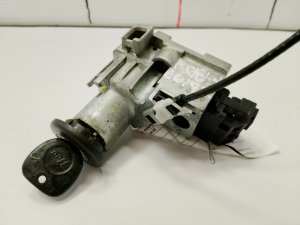
Used OEM Parts in Stock



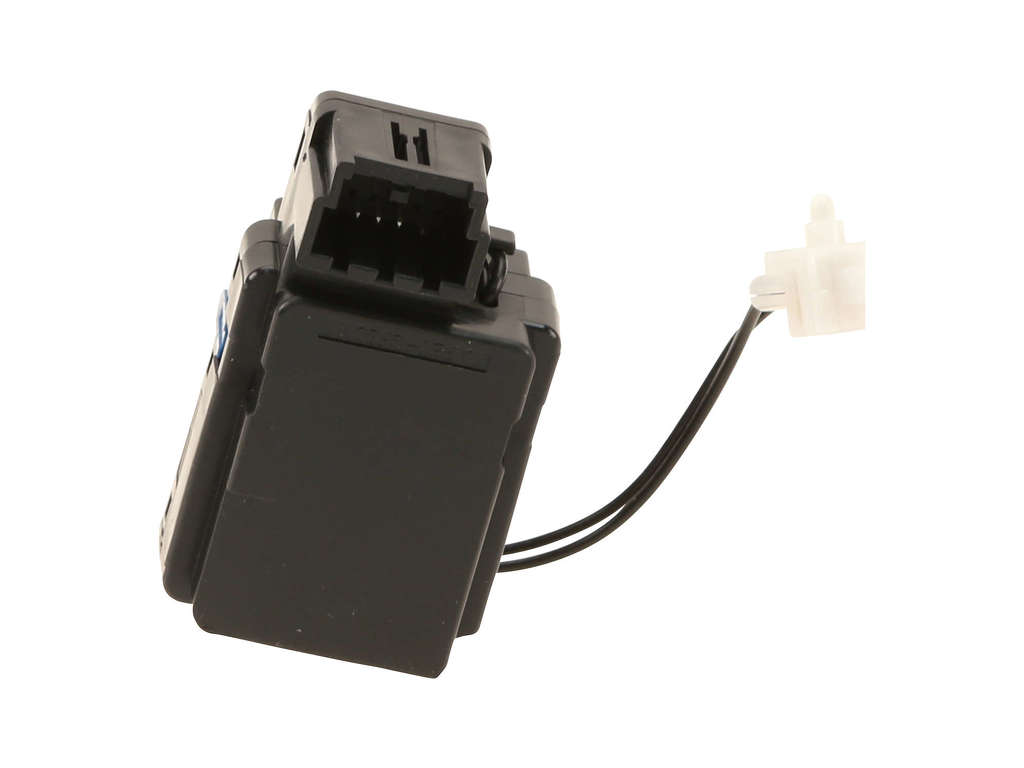
New Aftermarket Parts Available


The information in this article is provided for general reference and educational purposes only. Vehicle specifications, procedures, and part compatibility can vary by production date, trim level, and region. Always consult your vehicle's factory service manual and verify part numbers before purchasing or performing repairs. Safety-critical components such as airbags, seat belts, and braking systems should be installed by a qualified professional.
- Chevrolet SILVERADO 3500:
- 🎬 Helpful Videos
- 🛍️ Shop This Part
- What's Unique About the 2007-2014 Chevrolet SILVERADO 3500
- Diagnostic Flowchart
- Symptoms You May Notice
- Most Likely Causes
- Rare But Worth Checking
- Diagnosis Steps
- Parts You'll Likely Need
- Related Codes That Often Appear With This One
- Technical Service Bulletins (TSBs) & Recalls
- Platform-Specific Known Issues
- Mechanic-Grade Diagnostic Values
- Scan Tool Commands That Help
- Wiring & Ground Locations
- Real Owner Repair Stories
- When the Usual Fixes Don't Work
- OEM Part Supersession History
- Model Year Variations Within This Range
- 🎟️ Get 5% Off