

B3055 on 2007-2014 Chevy Silverado 1500: No Start, Security Light Causes and Fixes
This code means your truck's anti-theft system can't read the key, causing a no-start or start-and-stall condition. The most common fixes are trying a spare key, checking for RFID interference on your keychain, or replacing a worn ignition lock cylinder. A key relearn procedure may also be required.
- B3055 means your truck's anti-theft system is preventing it from starting because it can't read the key.
- Before spending any money, try the simplest fixes: remove all other fobs from your keychain and try your spare key.
- A common cause is a worn-out ignition lock cylinder, which contains the sensor that reads the key.
- While a DIY 'key relearn' procedure exists, a permanent fix involving part replacement will likely require programming by a professional with a capable scan tool.
What's Unique About the 2007-2014 Chevrolet SILVERADO 1500

This generation of Silverado uses GM's Passkey III+ (PK3+) transponder-based anti-theft system. Unlike the older Passlock systems that used a resistor in the key, this system uses a more modern RFID chip. However, the system is known to be sensitive to interference from other RFID devices on the keychain and can be affected by low battery voltage or worn ignition components. The immobilizer system operates at a frequency of 125 kHz, and other devices operating in or near this range can cause interference. Several Technical Service Bulletins (TSBs), most notably the PIC5650 series, have been issued for intermittent no-start conditions related to this system across a wide range of GM vehicles from this era, including the Silverado.
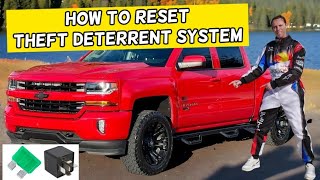
🎬 Watch: How to reset the theft deterrent system.Diagnostic Flowchart
Tap your situation to follow the diagnostic path that matches what you're seeing on this vehicle.
Generation note: The 2007-2014 range covers the second generation (GMT900, 2007-2013) and the first model year of the third generation (K2XX, 2014). Both generations use a similar transponder-based anti-theft system (Passkey III+), so the causes and diagnostic approaches for code B3055 are largely the same. A Reddit user with a 2011 model reported replacing the key cylinder, ignition switch, and immobilizer to fix the issue. TSBs like PIC5650M apply to models up to 2015, confirming the system's shared vulnerabilities.
Symptoms You May Notice

- Engine will not crank (no-crank)
- Engine starts and immediately stalls
- Security or theft deterrent system light is illuminated or flashing on the dashboard.
- "Service Theft Deterrent System" message on the Driver Information Center (DIC)
- Replacing the starter without checking for a security-related no-crank condition.
- Replacing the fuel pump when the engine starts and stalls, as the anti-theft system also cuts fuel.
- Replacing the battery without confirming it failed a load test, as a no-start can be mistaken for a dead battery.
Most Likely Causes

- Radio Frequency (RF) Interference 🔴 High Probability The GM anti-theft system operates at 125 kHz and can be disrupted by other RFID devices like key fobs for other vehicles, gate access cards, gas station speed-pass fobs, and even some aftermarket phone chargers or LED lights. GM TSB PIC5650M specifically calls out this issue as a primary cause for intermittent no-starts.
How to confirm: Remove all other keys, fobs, and cards from the keychain. Try starting the vehicle with only the single Silverado key. If it starts, interference was the cause.
Typical fix: Keep other RFID-emitting devices separate from the vehicle key. Instructing the customer on this is a key step noted in service bulletins.
Est. part cost: $0 - Worn or Damaged Ignition Key 🟡 Medium Probability The transponder chip in the key head can be damaged from being dropped or from general wear and tear, preventing it from communicating with the vehicle. The key may have "PK3" embossed on the metal shank.
How to confirm: Try starting the vehicle with a spare key. If the spare key works consistently, the primary key is faulty. A scan tool can also confirm this by showing the faulty key as 'Not Present' while the good key shows 'Present'.
Typical fix: Replace the faulty key and have the new key programmed to the vehicle by a dealership or qualified automotive locksmith.
Est. part cost: $75-$200 - Faulty Ignition Lock Cylinder / Exciter Coil 🟡 Medium Probability The exciter coil that energizes the key's transponder is part of the ignition lock cylinder assembly. Over time, the wiring or the coil itself can fail, leading to an intermittent or complete loss of signal. This is a well-documented failure point discussed in owner forums.
How to confirm: A technician can use a scan tool to monitor the transponder key data while wiggling the key in the ignition. If the signal cuts in and out, the lock cylinder assembly is likely the culprit. If all available keys fail to be read by the system, the lock cylinder/exciter coil or the TDM itself is suspect.
Typical fix: Replace the ignition lock cylinder and perform a key relearn procedure. Several YouTube videos demonstrate this process, which involves removing the steering column shrouds.
Est. part cost: $100-$250 - Improper Key Use (Flip Keys) ⚪ Low Probability A GM TSB (PIT5030E) notes that on vehicles with flip-style keys, if the key is not fully extended and locked straight, the angle can prevent the transponder from being read correctly, setting a B3055 in history.
How to confirm: If you have a flip key, ensure it is fully extended and locked before inserting it into the ignition. If this resolves the no-start, it was user error.
Typical fix: Ensure the key is fully extended before use. The TSB advises dealers to share this information with customers.
Est. part cost: $0
Rare But Worth Checking
- Failing Body Control Module (BCM): While less common, the BCM (or TDM on some models) is the module that reads the key data. If all other components (key, lock cylinder) test good, and wiring checks out, the module itself may have an internal fault. Diagnostic procedures point to replacing the BCM/TDM if circuits test normal but the problem persists.
- Low Battery Voltage: A weak or failing vehicle battery can cause voltage drops during cranking that may trigger security system faults. One owner on a forum replaced both batteries on his Duramax only to find the issue was the Passlock system, highlighting the potential for misdiagnosis.
- Wiring Harness Damage: Damage to the wiring between the ignition lock cylinder and the BCM/TDM can cause a loss of communication. This is uncommon but possible, especially if other work has been done under the dash. Technicians can test for opens, shorts to ground, or high resistance in the signal circuit.
Diagnosis Steps
- Check for RF Interference: Remove all other fobs and cards from your keychain and try starting with just the Silverado key. This is the first step recommended by GM TSBs.
- Try the Spare Key: Attempt to start the vehicle with a known-good spare key. If it works, the original key is the problem. This is a critical diagnostic step.
- Perform the 30-Minute Relearn Procedure: Insert the key and turn it to the 'ON' position (do not start). Wait for the security light to turn off, which takes about 10 minutes. Turn the key off for 10 seconds. Repeat this process two more times (for a total of 3 cycles / ~30 minutes). After the third cycle, the key should be relearned. This procedure is often cited in forums and videos as a potential fix after component replacement.
- Inspect Battery and Connections: Ensure the battery is fully charged and the terminals are clean and tight. Low voltage can cause various electrical issues, including security system faults.
- Scan the System: Use a professional scan tool to read codes from the Body Control Module (BCM). Check the live data for the 'Transponder Key' parameter to see if the module recognizes the key's presence ('Present' or 'Not Present').
- Inspect Ignition Cylinder Wiring: Visually inspect the wiring and connector at the back of the ignition lock cylinder for any signs of damage or loose connections.
- Test Components: If the issue persists, a technician will need to test the continuity and resistance of the wiring between the lock cylinder and the BCM and potentially test the BCM's outputs before condemning a specific part.
Parts You'll Likely Need

- Transponder Ignition Key — The chip inside the key can fail, or the key can be damaged. This is a common point of failure.
Trusted brands: ACDelco, Strattec
OEM price range: $60-$120
Aftermarket price range: $25-$70 - Ignition Lock Cylinder with Passkey Sensor
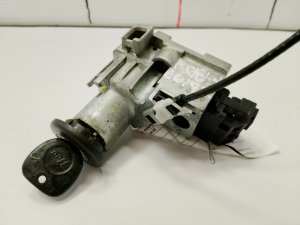
(OEM #25832354 (supersedes 12458191, 15822350))— The exciter coil that reads the key is integrated into this assembly. Failure of the coil or its wiring is a frequent cause of B3055.
Trusted brands: ACDelco, Dorman, Standard Motor Products
OEM price range: $160-$285
Aftermarket price range: $80-$150 - Ignition Lock Housing
(OEM #D1462G)— In some cases, the entire housing which contains the lock cylinder and sensor may need replacement due to wear or damage.
Related Codes That Often Appear With This One
- B3060 — This code often relates to a secondary issue with the transponder key system, such as an unprogrammed key, and is frequently cited alongside B3055 in TSBs like PIC5650M and PIE0232.
- B3935 — This code is also related to the transponder key circuit and can be set due to the same interference or hardware faults that trigger B3055, as noted in multiple GM service bulletins.
Technical Service Bulletins (TSBs) & Recalls
- PIC5650M: Mentions B3055 in relation to intermittent no-crank/no-start/stall issues caused by Radio Frequency Interference (RFI) from aftermarket devices like LED lights, phone chargers, or even other keys on the same ring.
- PIE0232: An engineering information bulletin specifically for 2013 Silverado/Sierra models to gather data on the root cause of B3055, B3060, and B3935 codes on low-mileage vehicles.
- PIT5030E: A diagnostic tip explaining that flip-style keys not fully extended can cause a no-crank and set a B3055 code.
Platform-Specific Known Issues
- Intermittent no-start conditions caused by RF interference are well-documented in GM service bulletins for this vehicle.
- Some models with flip-style keys can set this code if the key is not fully extended when inserted into the ignition, as per TSB PIT5030E.
- Owners have documented the repair process extensively in forums and videos, with many successfully replacing the ignition lock cylinder themselves.
Mechanic-Grade Diagnostic Values
- Scan Tool TDM/BCM Live Data — expected: The 'Transponder Key' parameter should read 'Present' when a valid key is in the ignition and turned to ON.. Failure: Parameter reads 'Not Present' or 'Invalid Key'. If 'Not Present' with all known-good keys, it points to a faulty exciter coil or TDM/BCM.
- Immobilizer System Operating Frequency — expected: 125 kHz. Failure: Interference from other devices operating near 125 kHz (or multiples thereof) can disrupt the signal and set B3055.
Hidden / Shadow Codes Worth Checking
- B2955: Security Sensor Data Circuit. This code was seen alongside B3055 on a similar GM platform (2015 Malibu), indicating a fault in the circuit between the key reader (exciter coil) and the control module. (see via Professional scan tool with access to Body Control Module (BCM) fault codes.)
Scan Tool Commands That Help

- Tech2 / GDS2: View Live Data: TDM/BCM > Immobilizer Data > Transponder Key — This is the primary diagnostic step to determine if the control module is receiving any signal from the key's transponder chip. It quickly differentiates a bad key from a bad reader/module.
- GDS2 / SPS (Service Programming System): BCM/TDM > Immobilizer Learn or Add/Replace Key Fobs — This function is required after replacing a key or the Theft Deterrent/Body Control Module. It involves a 10-12 minute security access wait time and programs the new component to the vehicle.
Wiring & Ground Locations
- G218 — On 2014+ K2XX models, this ground is located on a stud under the driver's side of the dashboard, near the A-pillar/kick panel area.. This is a main ground for the Body Control Module (BCM). A GM TSB (PIT5405C) identifies a poor connection at G218 as a cause for a wide range of electrical issues, including no-start conditions and setting immobilizer-related codes. The failure is often caused by the dash insulator mat getting trapped between the ground eyelet and the body, creating an intermittent connection that can be sensitive to electrical loads.
OEM Part Supersession History
N/A→22738087— Theft Deterrent Module (TDM) for 2007-2013 GMT900 models.
Heads up: This module is specific to the GMT900 platform and is not compatible with 2014+ K2XX models.N/A→13500157— Anti-Theft/Immobilizer Control Module for 2014 K2XX models.
Heads up: This module is specific to the new K2XX platform electrical architecture and is not backward-compatible with 2007-2013 GMT900 models.
Model Year Variations Within This Range
- 2007-2013 (GMT900): These models use the GMT900 electrical architecture. The anti-theft system is managed by a dedicated Theft Deterrent Module (TDM) in many cases, with part number 22738087 being a common replacement.
- 2014 (K2XX): The 2014 model year marked the introduction of the new K2XX platform with a completely different electrical architecture (GM Global A). The immobilizer function is handled by a different module (PN 13500157) and is more deeply integrated into the BCM. This year is also subject to specific issues like the poor G218 ground described in TSB PIT5405C, which does not apply to the earlier GMT900 trucks.
Helpful Videos
Used OEM Parts in Stock



New Aftermarket Parts Available

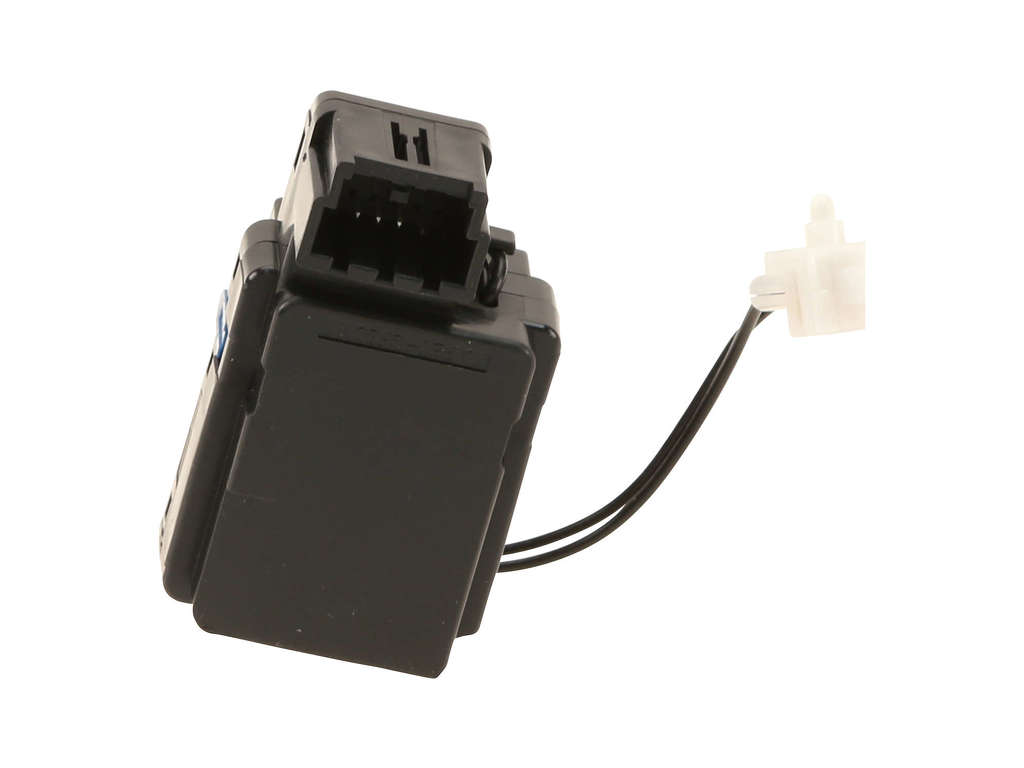
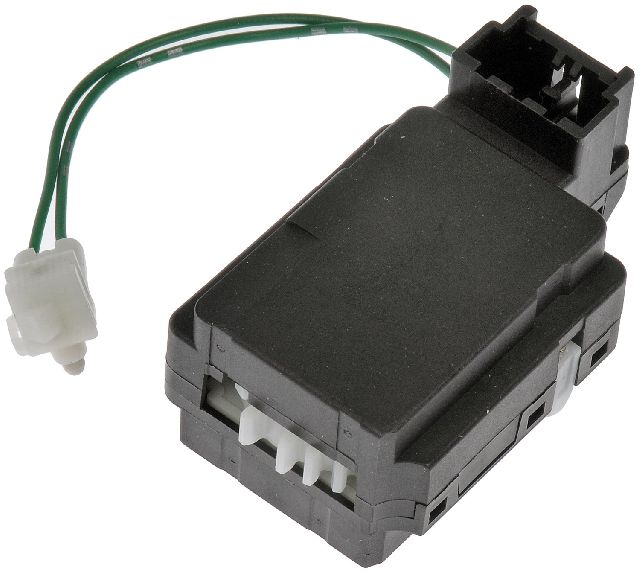

The information in this article is provided for general reference and educational purposes only. Vehicle specifications, procedures, and part compatibility can vary by production date, trim level, and region. Always consult your vehicle's factory service manual and verify part numbers before purchasing or performing repairs. Safety-critical components such as airbags, seat belts, and braking systems should be installed by a qualified professional.
- Chevrolet SILVERADO 1500:
- 🎬 Helpful Videos
- 🛍️ Shop This Part
- What's Unique About the 2007-2014 Chevrolet SILVERADO 1500
- Diagnostic Flowchart
- Symptoms You May Notice
- Most Likely Causes
- Rare But Worth Checking
- Diagnosis Steps
- Parts You'll Likely Need
- Related Codes That Often Appear With This One
- Technical Service Bulletins (TSBs) & Recalls
- Platform-Specific Known Issues
- Mechanic-Grade Diagnostic Values
- Hidden / Shadow Codes Worth Checking
- Scan Tool Commands That Help
- Wiring & Ground Locations
- OEM Part Supersession History
- Model Year Variations Within This Range
- 🎟️ Get 5% Off