

B3055 on 2007-2014 Chevrolet Malibu: No Start, Security Light Causes & Fixes
Code B3055 on a 2007-2014 Malibu indicates a problem with the anti-theft system, which is preventing the car from starting. The most common causes are a faulty ignition key transponder or a bad ignition lock cylinder. A fix typically requires professional programming of the new component and can cost between $200 and $600.
- B3055 means your car's anti-theft system doesn't recognize your key and is preventing the engine from starting.
- Before attempting costly repairs, try starting the car with a spare key to rule out a simple bad key.
- For flip-style keys, make sure the key is fully extended and locked straight before inserting it.
- Fixing this code almost always requires programming by a dealer or qualified locksmith, as keys and related modules are not 'plug and play'.
- Do not mistake this security issue for a bad starter or fuel pump, especially if the security light is on.
What's Unique About the 2007-2014 Chevrolet MALIBU
The GM Passkey III (and later versions) immobilizer system used in this era of Malibu is highly effective but sensitive. The system relies on a clean signal from the key's transponder chip (often a Philips ID 46 'Circle +'), which is read by an antenna ring (exciter coil) around the ignition cylinder. Failures in the key itself (from being dropped or worn out) or the reader coil are common points of failure that lead directly to this no-start condition, a frequent complaint among owners of these vehicles.
Diagnostic Flowchart
Tap your situation to follow the diagnostic path that matches what you're seeing on this vehicle.
Generation note: This range covers the end of the 6th generation (2007), the full 7th generation (2008-2012), and the start of the 8th generation (2013-2014). While the core anti-theft system concept is similar, specific part numbers for keys and ignition components may differ between generations. The 8th generation models often use a 'flip key' style fob which can also cause this code if not fully extended when inserted into the ignition, as noted in TSB PIT5030E.
Symptoms You May Notice
- Engine will not crank (no-crank, no-start)
- Engine starts and immediately stalls
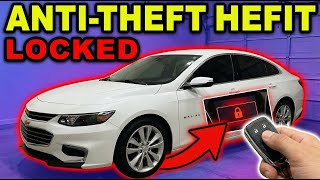
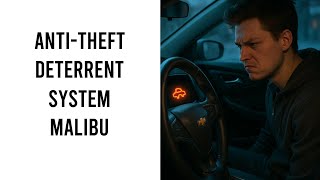
- Security light is on solid or flashing on the dashboard.
- "Service Theft Deterrent System" message on the driver information center (DIC)
- "Theft Attempted" message on the DIC.
- Replacing the starter motor. A bad starter will typically not cause a security light to illuminate. A technician on a forum reported a customer who was certain the starter was bad, but the actual issue was a B3055 caused by a broken key.
- Replacing the fuel pump. While a start-and-stall symptom can point to a fuel issue, the presence of B3055 strongly indicates the immobilizer is cutting fuel as a security measure.
Most Likely Causes
- Defective Ignition Key Transponder 🔴 High Probability The transponder chip (Philips ID 46 Circle+) in the key head is sensitive and can be damaged from being dropped, getting wet, or from general wear and tear. The key blade can also break away from the fob, damaging the internal electronics, which is a direct cause of B3055.
How to confirm: Try starting the vehicle with a spare key. If the spare key works reliably, the original key is faulty. A diagnostic scan tool can show a 'No Key Detected' status or fail to read the transponder value, confirming the issue.
Typical fix: Replace the faulty key. A new key must be cut and programmed to the vehicle by a dealership or an automotive locksmith. Common part numbers for the key blank include GM 23372322 and Strattec 5903089.
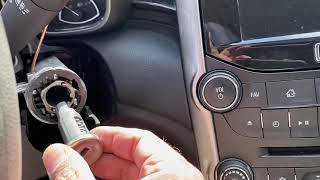
Est. part cost: $50-$150 - Faulty Ignition Lock Cylinder or Exciter Coil 🟡 Medium Probability The exciter coil (antenna) that energizes and reads the key's transponder is part of the ignition lock cylinder assembly. This component or its wiring can fail over time, preventing it from reading any key, even a good one. Heavy keychains can accelerate wear on the cylinder.
How to confirm: If multiple known-good keys fail to start the vehicle and code B3055 returns, the issue is likely with the reader component in the steering column. A technician can test the circuit for continuity and proper signal.
Typical fix: Replace the ignition lock cylinder assembly. This new part will also require programming (relearning) to the vehicle's existing keys.
Est. part cost: $100-$250 - Low Battery Voltage ⚪ Low Probability The Passkey system requires a stable voltage to operate correctly. A weak or dying car battery can cause intermittent communication errors within the security system, triggering the B3055 code. A technician on a forum noted a battery at 10.5V while diagnosing a B3055.
How to confirm: Test the vehicle's battery with a multimeter. A healthy battery should read approximately 12.4-12.6 volts with the engine off. If the voltage is low, charge and re-test the battery.
Typical fix: Charge or replace the vehicle's battery.
Est. part cost: $150-$250
Rare But Worth Checking
- Faulty Body Control Module (BCM): While rare, the BCM itself can fail. This is usually the last item to suspect after all other components (key, ignition cylinder, wiring) have been ruled out. A failed BCM will often be accompanied by other seemingly unrelated electrical issues, such as problems with windows or interior lights.
- Aftermarket Remote Starter or Alarm: Improperly installed aftermarket systems can interfere with the factory immobilizer wiring, causing intermittent signal loss and triggering code B3055. TSB PIC5650M specifically warns technicians to inspect for aftermarket equipment that can cause Radio Frequency Interference (RFI) before replacing parts.
- Incorrect Key Position (Flip Keys): On models with a flip-style key, if the key is not fully extended and locked into position, it may not align correctly with the exciter coil, causing a no-start and setting a B3055. TSB PIT5030E addresses this specific issue, instructing to remove the key, ensure it's fully extended, and re-insert it.
- Wiring Harness Issues: Damage to the wiring harness leading to the ignition lock cylinder's exciter coil can cause an open or short, preventing the BCM from reading the key. This can be due to chafing or previous improper repairs. A technician would need to test the signal and ground circuits between the BCM and the coil.
Diagnosis Steps
- Check for a security light on the dashboard. This confirms an anti-theft issue.
- Try starting the car with a spare key. If it starts, the first key is bad.
- If you have a flip key, ensure it is fully extended and locked straight before inserting it into the ignition, as per TSB PIT5030E.
- Inspect the key for visible damage. A broken key housing can damage the internal transponder chip.
- Check the vehicle's battery voltage to ensure it is above 12.4V.
- Check for any aftermarket devices (phone chargers, LED lights, etc.) near the ignition that could cause radio frequency interference (RFI), as mentioned in TSB PIC5650M.
- Attempt the 30-minute key relearn procedure: Turn the key to 'ON' (run position) for 10 minutes or until the security light turns off. Turn the key 'OFF' for 10 seconds. Repeat this process two more times for a total of three 10-minute cycles. After the third cycle, turn the key off and then try to start the vehicle. Note: This often works for adding new keys but may not fix a hardware failure. Performing this procedure will erase any keys not present during the process.
- If the above steps fail, have the vehicle scanned with a professional tool that can read BCM codes to confirm B3055 is active and view immobilizer data.
- If the code is present with all keys, professional diagnosis of the ignition lock cylinder circuit and BCM is required.
Parts You'll Likely Need
- Transponder Ignition Key
(OEM #23372322, 15824471)— The transponder chip inside the key is the most common failure point for this code.
Trusted brands: ACDelco, Strattec
OEM price range: $70-$120
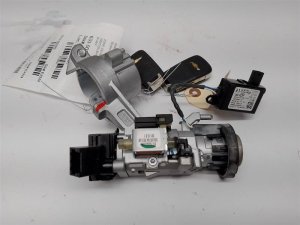
Aftermarket price range: $30-$60 - Ignition Lock Cylinder and Switch — Contains the exciter coil that reads the key. If this part fails, no key will be recognized. The switch itself can also fail, causing similar symptoms.
Trusted brands: ACDelco, Standard Motor Products
OEM price range: $150-$250
Aftermarket price range: $80-$150
Related Codes That Often Appear With This One
- B3060 — This code often relates to an unprogrammed transponder or a failure in the security system's sensor circuit, directly related to the B3055 issue. TSB PIC5650M lists both codes together as part of the same potential fault.
- B3935 — This code for 'Transponder Authentication Failed' can appear alongside B3055, indicating the BCM read a key but did not recognize its value. TSB PIC5650M also groups this code with B3055.
Technical Service Bulletins (TSBs) & Recalls
- PIC5650M: Addresses intermittent no crank, no start, or start stall with the security light on. Lists B3055, B3060, and B3935 as potential DTCs and strongly advises checking for aftermarket devices causing Radio Frequency Interference (RFI) before replacing any components.
- PIT5030E: Notes that an intermittent no-crank on vehicles with a flip key can be caused by the key not being fully extended and locked. This can set B3055 in history. The fix is to instruct the customer on proper key usage.
Platform-Specific Known Issues
- A known issue documented in TSB PIC5650M involves an intermittent no-crank or start-and-stall condition with the security light on, where B3055 is a primary diagnostic code. The TSB advises checking for aftermarket radio frequency interference (RFI) sources before replacing parts.
- Another TSB, PIT5030E, notes that on models with flip keys (common on 2010-2014 models), not having the key fully extended can cause an intermittent no-crank and set code B3055 in history.
Mechanic-Grade Diagnostic Values
- Theft Deterrent Module ground circuit resistance — expected: Less than 10 ohms. Failure: A value greater than 10 ohms indicates an open or high resistance in the ground circuit.
- Theft Deterrent Module B+ circuit voltage — expected: Battery Positive Voltage (B+). Failure: Low or no voltage indicates a problem with the power supply to the module.
- Theft Deterrent Module signal circuit voltage to BCM (Key ON) — expected: Less than 1 V. Failure: Voltage greater than 1V suggests a short to voltage in the signal wire.
- Theft Deterrent Module signal circuit end-to-end resistance — expected: Less than 2 ohms. Failure: A higher reading indicates an open or high resistance in the signal wire between the module and the BCM.
Hidden / Shadow Codes Worth Checking
- B2955: Security Sensor Data Circuit. This code can appear alongside B3055, indicating a problem in the communication line between the theft deterrent module/exciter coil and the BCM. (see via Professional scan tools like the Topdon Phoenix Smart can display this code from the BCM.)
Scan Tool Commands That Help
- GDS2, Autel, Topdon, Auto Pro Pad: Immobilizer Data Display — Use this function within the BCM or Immobilizer module to view live data. Look for parameters like 'Transponder Key Status' to see if the system reports 'Present' or 'No Key Detected' when a key is in the ignition. This helps confirm if the BCM is receiving any signal at all.
- GDS2 (GM SPS2), Autel IM608, Auto Pro Pad: Immobilizer Learn / Add Key — This function is required after replacing an ignition key or the BCM. It initiates a 10-minute automated procedure that programs the new component to the vehicle's security system.
Wiring & Ground Locations
- Body Control Module (BCM) — On 2008-2012 models, it is typically located under the center console. On 2013-2014 models, it is located behind the left side of the dashboard.. The BCM is the central module for the Passkey III system. It receives the key data from the theft deterrent module and decides whether to allow the engine to start.
- Theft Deterrent Module Connector — Located on the steering column, connected to the ignition lock cylinder assembly.. This is the primary test point. Pin B is the ground, Pin A is battery voltage, and Pin E is the signal wire to the BCM. Testing these pins can isolate a wiring fault from a component failure.
- G201 — Under the center console (on 7th generation models).. This is a key ground point for the Body Control Module. A poor connection at G201 can cause various BCM-related issues, including immobilizer faults.
Real Owner Repair Stories
- Hands On Auto Training YouTube Channel (2015 Chevrolet Malibu) — No crank, no start. Security light was on. Scan tool found active code B3055 and live data showed 'no key detected'.
❌ Tried (didn't work) Clearing the DTC did not work; the code returned immediately.
✅ What actually fixed it The technician diagnosed a bad transponder in the original key itself. He replaced the key (swapping the blade into a new fob with a new chip) and then used an Auto Pro Pad scan tool to perform the 10-minute 'vehicle security learn' procedure. The car started and ran normally afterward. - Reddit user in r/Chevy (2013 Chevrolet Malibu) — The key blade physically detached from the key fob. When the blade alone was inserted into the ignition, an 'anti-theft' alert appeared on the dash and the engine would not turn on.
❌ Tried (didn't work) Using the key blade by itself.
✅ What actually fixed it The immediate problem is the separation of the key blade from the fob containing the transponder chip. The fix is to get a new key fob assembly, have the blade cut, and program it to the car. A common temporary workaround is to hold the head of the broken fob (containing the chip) directly against the ignition cylinder while turning the blade.
OEM Part Supersession History
15824471 (and many others)→23372322— Part consolidation and design updates over many model years.
Heads up: Part number 23372322 is the current uncoded key blank (with transponder) that replaces dozens of previous part numbers for this platform, including 12451816, 15289761, 15824470, 20985619, and others. Always verify fitment with VIN, but this is the most common service part.
Model Year Variations Within This Range
- 2008-2012 vs 2013-2014: The physical location of the Body Control Module (BCM) changed between the 7th and 8th generations. For 2008-2012 models, the BCM is generally found in the center console area. For 2013-2014 models, it was moved to behind the left side of the dashboard, near the steering column.
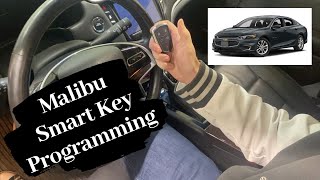
Helpful Videos

We Have This Part in Stock


The information in this article is provided for general reference and educational purposes only. Vehicle specifications, procedures, and part compatibility can vary by production date, trim level, and region. Always consult your vehicle's factory service manual and verify part numbers before purchasing or performing repairs. Safety-critical components such as airbags, seat belts, and braking systems should be installed by a qualified professional.
- Chevrolet MALIBU:
- 🎬 Helpful Videos
- 🛍️ Shop This Part
- What's Unique About the 2007-2014 Chevrolet MALIBU
- Diagnostic Flowchart
- Symptoms You May Notice
- Most Likely Causes
- Rare But Worth Checking
- Diagnosis Steps
- Parts You'll Likely Need
- Related Codes That Often Appear With This One
- Technical Service Bulletins (TSBs) & Recalls
- Platform-Specific Known Issues
- Mechanic-Grade Diagnostic Values
- Hidden / Shadow Codes Worth Checking
- Scan Tool Commands That Help
- Wiring & Ground Locations
- Real Owner Repair Stories
- OEM Part Supersession History
- Model Year Variations Within This Range
- 🎟️ Get 5% Off