

B3055 on 2007-2011 Chevrolet HHR: Key Not Detected, No-Start Causes and Fixes
Code B3055 on a Chevy HHR means the anti-theft system doesn't recognize the key, causing a no-start. The most common fixes are trying a spare key, performing a 30-minute key relearn procedure, or replacing the ignition lock cylinder assembly, which is a frequent failure point on this vehicle. Other potential causes include a weak battery or RF interference from other devices on the keychain.
- B3055 means your HHR's anti-theft system is activated, which is why it won't start.
- Before spending any money, try your spare key and attempt the 30-minute key relearn procedure. This solves the problem for many owners.
- The most common part to fail is not the key, but the ignition switch/lock cylinder assembly in the steering column.
- If you have a flip-style key, make sure it is fully locked in the straight position before inserting it into the ignition.
- If you need to replace the Body Control Module (BCM), it must be professionally programmed to your vehicle.
What's Unique About the 2007-2011 Chevrolet HHR
The Chevrolet HHR, along with its GM Delta platform mates like the Chevrolet Cobalt and Pontiac G5, uses a Passkey III (PK3) anti-theft system known for being sensitive. The primary issue is not usually the key itself, but the components that read it. The ignition lock cylinder and the connected electrical switch are well-documented failure points, leading to intermittent signal loss and no-start conditions. This makes diagnosing B3055 on an HHR less about the key and more about the hardware in the steering column, a common complaint in owner forums.
Diagnostic Flowchart
Tap your situation to follow the diagnostic path that matches what you're seeing on this vehicle.
Symptoms You May Notice
- Engine will not crank or start
- Engine starts and immediately stalls
- Security light is on solid or flashing on the instrument cluster.
- Message on the driver information center (DIC) may show "Service Theft Deterrent System" or "Theft Attempted".
- Horn may sound when attempting to start with an unrecognized key.
- Replacing the starter motor when the engine doesn't crank. A Reddit thread details a case where a user was convinced the starter failed, but the root cause was a B3055 from a broken key.
- Replacing the battery without performing a key relearn procedure afterward.
- Replacing the Engine Control Module (ECM) when the issue lies within the Body Control Module (BCM) and theft system.
Most Likely Causes
- Worn or Faulty Ignition Lock Cylinder/Switch 🔴 High Probability The ignition switch assembly, which contains the contacts that read the key's transponder, is a well-documented weak point on the HHR and similar GM platforms, leading to intermittent signal loss. Forum users on Chevy HHR Network frequently discuss this failure, with some noting the replacement parts are a revised design, suggesting the original was flawed.
How to confirm: Wiggle the key in the ignition while trying to start the vehicle. If the car starts intermittently when the key is moved, the lock cylinder/switch assembly is likely faulty. A scan tool can also monitor the live data for the 'TDM Transponder Key' parameter to see if it reads 'Present'.
Typical fix: Replace the ignition lock cylinder and/or the electronic ignition switch. The ACDelco D1493G is a common replacement part. After installation, a 30-minute key relearn procedure is required.
Est. part cost: $50-$150 - Defective or Damaged Ignition Key 🟡 Medium Probability The transponder chip inside the key can be damaged from being dropped or from internal failure. For flip-out style keys, if the blade is not fully extended and locked, it can cause an intermittent connection and trigger a B3055 code, as noted in GM bulletin PIT5030E.
How to confirm: The easiest way to confirm is to try starting the vehicle with a known-good spare key. If the spare key works consistently, the original key is the problem. Also, ensure the flip key is fully locked in the straight position before insertion.
Typical fix: Replace the faulty key. A new key must be cut to match and then programmed to the vehicle using the 30-minute relearn procedure.
Est. part cost: $40-$120 - Loss of Key Programming 🟡 Medium Probability A weak or recently replaced battery, or a voltage spike from jump-starting, can sometimes cause the BCM to lose its memory of the programmed keys. This is a common occurrence across many GM vehicles with the Passkey system.
How to confirm: Attempt the 30-minute key relearn procedure. If the procedure is successful and the vehicle starts, then lost programming was the issue.
Typical fix: Perform the 30-minute key relearn procedure. This involves turning the key to the 'ON' position for approximately 10-11 minutes, three consecutive times.
Est. part cost: $0 - Failing Body Control Module (BCM) ⚪ Low Probability While less common than key or ignition switch issues, the BCM can fail internally, losing its ability to communicate with the theft deterrent system. A user on a Chevy HHR forum traced a no-start and a missing 5V reference signal at the ignition switch back to a likely bad BCM.
How to confirm: This is typically a diagnosis of exclusion. If a new key and ignition switch do not resolve the code, and all wiring has been checked, the BCM is the likely culprit. A professional scan tool is needed to confirm by checking for communication errors and internal faults.
Typical fix: Replace the Body Control Module. A new BCM must be programmed to the vehicle's VIN and existing options using dealer-level software.
Est. part cost: $200-$400
Rare But Worth Checking
- Radio Frequency (RF) Interference: As detailed in TSB PIC5650M (and its predecessors), other RFID devices on the keychain (like other car keys, gas station speed passes, or office access cards) can interfere with the signal from the ignition key's transponder, causing an intermittent B3055 code. Remove all other devices from the keychain and re-test.
- Damaged Wiring: Check the wiring harness between the ignition lock cylinder and the BCM for any signs of chafing, breaks, or loose connections, especially if other electrical issues are present.
- Aftermarket Remote Starter: An improperly installed remote starter can interfere with the factory anti-theft system's ability to read the key transponder, causing intermittent B3055 codes.
- Loose Underhood Fuse Box: On the HHR platform, a recurring theme in forums is that the main bolts holding the underhood fuse box can become loose after service (like a transmission replacement), leading to a host of electrical issues including no-start conditions. Ensure the four main bolts are securely tightened.
Diagnosis Steps
- Verify the complaint: Confirm the no-start/start-stall condition and check for a flashing or solid security light on the dash.
- Try a spare key: If a second key is available, try starting the vehicle with it. If it works, the first key is faulty.
- Check the key position: For flip-style keys, ensure the key is fully extended and locked straight before inserting it into the ignition, as per GM bulletin PIT5030E.
- Isolate the Key: Remove all other keys, fobs, and RFID cards from the keychain to eliminate potential radio frequency interference, as recommended by TSB PIC5650M.
- Attempt the 30-Minute Key Relearn Procedure: Insert the key, turn to 'ON' (not start), and wait for the security light to turn off (approx. 10-11 minutes). Turn the key off for 5-10 seconds. Repeat this process two more times for a total of three cycles (about 30-35 minutes). On the final cycle, turn the key off and then try to start the engine.
- Inspect the Ignition Cylinder: Gently wiggle the key in the ignition. If this allows the car to start, it points to a worn ignition switch or lock cylinder.
- Scan for Codes: Use an OBD-II scanner capable of reading Body (B) codes to confirm B3055 is present and check for other related DTCs like B3060 or B3935.
- Inspect Wiring: Visually inspect the wiring and connectors at the base of the steering column going to the BCM for any obvious damage. Also, check that the main bolts on the underhood fuse box are tight.
- Professional Diagnosis: If the above steps fail, a technician with an advanced scan tool will be needed to monitor live data from the BCM/TDM to determine if the fault lies in the key, the exciter ring, the switch, or the module itself.
Parts You'll Likely Need
- Ignition Lock Cylinder and Switch
(OEM #25832354 (Cylinder Kit), D1493G (Switch))— This is the most common mechanical and electrical failure point for this code on the HHR. The switch contains the contacts that read the key, and the cylinder housing wears out. The OEM GM part number for the cylinder kit is 25832354.
Trusted brands: ACDelco, Standard Motor Products (SMP), Dorman, TRQ
OEM price range: $100-$180
Aftermarket price range: $50-$100 - Transponder Ignition Key — The chip in the key can fail or the key can be physically damaged, preventing the BCM from reading it.
Trusted brands: ACDelco, Strattec
OEM price range: $60-$120
Aftermarket price range: $40-$80
Related Codes That Often Appear With This One
- B3060 — This code, 'Unprogrammed Transponder,' often appears with B3055, indicating a general failure in the key-reading process. TSB PIC5650M lists them together as related codes for a no-start condition.
- B3935 — Also related to 'Transponder Authentication Error' and listed in TSB PIC5650M as a potential companion code to B3055.
- U0140 — A 'Lost Communication With Body Control Module' code can indicate that the BCM itself is failing, which would explain why it cannot read the key.
Technical Service Bulletins (TSBs) & Recalls
- Links intermittent no-crank/start-stall with security light and codes B3055, B3060, B3935. A key diagnostic aid is to check for Radio Frequency (RF) interference from other devices on the keychain.
- Advises that on vehicles with a flip-out key, if the key is not fully extended and locked straight, it can cause an intermittent no-crank and may set a history code for B3055.
- A Special Coverage Adjustment for HHR and platform mates for a condition where the transmission shifter fails to signal 'Park', preventing key removal. While not a direct cause of B3055, it relates to the known issues with the ignition and shifter assemblies on these vehicles.
Platform-Specific Known Issues
- A GM Technical Service Bulletin (PIC5650M) directly links B3055 with intermittent no-crank or start-stall conditions on the HHR, and suggests checking for RF interference from other devices on the keychain.
- Another bulletin, PIT5030E, notes that on vehicles with flip-out keys (like the HHR), failing to fully extend and lock the key blade can cause an intermittent B3055.
- Owner forums like ChevyHHR.net contain numerous threads where owners fixed a B3055 code by replacing the ignition lock cylinder and switch, confirming this as the most common point of failure.
- Special Coverage Adjustment 14632C covers a related issue where the shifter fails to signal 'Park', preventing key removal. While not directly causing B3055, it involves the same ignition components and highlights their known issues on this platform.
Mechanic-Grade Diagnostic Values
- Theft Deterrent Module (Exciter) Signal Circuit Voltage to Ground — expected: Less than 1 V with key ON. Failure: Voltage greater than 1 V indicates a short to voltage in the circuit.
- Theft Deterrent Module (Exciter) Signal Circuit Resistance to Ground — expected: Infinite resistance (OL) with key OFF. Failure: Any reading less than infinite indicates a short to ground.
- Theft Deterrent Module (Exciter) Signal Circuit End-to-End Resistance — expected: Less than 2.0 ohms. Failure: Resistance greater than 2.0 ohms indicates an open or high resistance in the wire.
- 5V Reference at BCM Connector X2, Pin 62 (White/Black wire) — expected: Approximately 5 Volts with key ON. Failure: Significantly less than 5V (e.g., 0.3V as reported in one case) points to a problem with the BCM's reference voltage output or a short on the circuit.
Scan Tool Commands That Help
- GDS2/Tech2: Immobilizer Learn / Vehicle Theft Deterrent Learn — This function is required after replacing the ignition lock cylinder, Theft Deterrent Module, or Body Control Module to program the components and keys to the vehicle.
- GDS2/Tech2: BCM Setup/Programming — Required when a new Body Control Module is installed. It programs the vehicle's VIN and specific RPO codes (options) into the new module.
- GDS2/Tech2: Record Key Data / Transfer to New Module — Before replacing a functioning-but-faulty Theft Deterrent Module, this procedure can be used to extract the existing key data. This data can then be transferred to the new module, avoiding the need to purchase and program all new keys. This is not possible if the old module is completely dead and non-communicative.
Wiring & Ground Locations
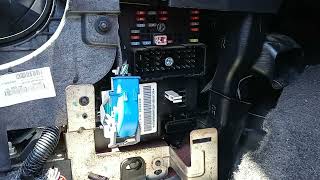
- Body Control Module (BCM) — Under the center dash, below the radio, integrated into the fuse box on the passenger side of the center console.. The BCM is the central module that receives and interprets the signal from the key transponder via the Theft Deterrent Module. All related wiring terminates here.
- Theft Deterrent Module (TDM) — A ring-shaped module located directly at the ignition switch, on the right side of the steering column.. This module contains the exciter coil that energizes the key's transponder chip and reads its signal before sending it to the BCM. It is a primary component in the B3055 fault chain.
- G201 / G203 — Both are primary interior ground points located behind the left end of the dashboard, near the driver's side kick panel.. A poor ground at these locations can cause a wide range of BCM and instrument panel-related electrical issues, including problems with the anti-theft system.
- G107 — A major chassis ground located on the front left corner of the transmission.. While primarily for the powertrain, poor grounding here can introduce electrical noise that affects various modules. Forum discussions on HHR electrical issues often point to checking all major engine bay grounds.
- BCM Connector X2 (Gray 72-pin) — One of the main connectors at the Body Control Module.. This connector contains critical pins for the anti-theft system, including Pin 62 (White/Black wire), which should provide a 5V reference signal to the ignition switch.
Real Owner Repair Stories
- Reddit user in r/Justrolledintotheshop (Unknown GM Vehicle) — No-start, horn sounds when key inserted, 'Theft Attempted' message on DIC, code B3055 present.
❌ Tried (didn't work) Customer was convinced it was the starter motor.
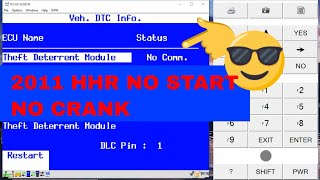
✅ What actually fixed it The key fob was physically destroyed and the battery was dead (10.5V). The final repair was replacing the battery and replacing/reprogramming a new key. - Hands-On Auto Training YouTube Channel (2011 Chevrolet HHR) — No-start, no communication with the Theft Deterrent Module via scan tool.
❌ Tried (didn't work) Initial diagnosis could not proceed due to no communication with the module.
✅ What actually fixed it The Theft Deterrent Module (TDM) itself had failed completely. The technician replaced the TDM. Because the old module was dead and key data could not be transferred, new Circle Plus keys were required and programmed to the new module using the SPS2 service. - Chevy HHR Network Forum User (2006 Chevrolet HHR) — Intermittent no-crank no-start, which became permanent. Starter was replaced but did not fix the issue.
❌ Tried (didn't work) Replacing the starter motor.
✅ What actually fixed it The user diagnosed a lack of 5V on the white/black wire (key resistor signal) at the ignition switch, coming from BCM connector X2, pin 62. The thread concluded the BCM was the likely failure point preventing the 5V reference signal from being sent.
OEM Part Supersession History
12458191, 12533953, 15822350, 19168637→25832354— Part consolidation and potential design updates by the manufacturer.
Heads up: The replacement part 25832354 is the current correct service part for the specified application. Using older stock or incorrect aftermarket parts may lead to continued issues. This part requires programming after installation.
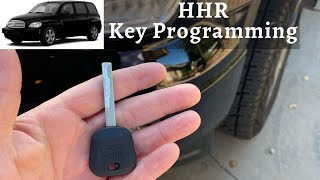
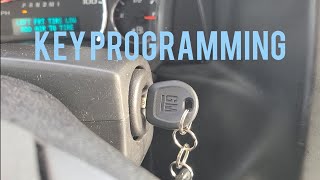
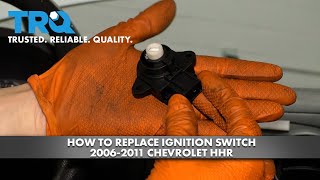
Helpful Videos
Used OEM Parts in Stock

New Aftermarket Parts Available


The information in this article is provided for general reference and educational purposes only. Vehicle specifications, procedures, and part compatibility can vary by production date, trim level, and region. Always consult your vehicle's factory service manual and verify part numbers before purchasing or performing repairs. Safety-critical components such as airbags, seat belts, and braking systems should be installed by a qualified professional.
- Chevrolet HHR:
- 🎬 Helpful Videos
- 🛍️ Shop This Part
- What's Unique About the 2007-2011 Chevrolet HHR
- Diagnostic Flowchart
- Symptoms You May Notice
- Most Likely Causes
- Rare But Worth Checking
- Diagnosis Steps
- Parts You'll Likely Need
- Related Codes That Often Appear With This One
- Technical Service Bulletins (TSBs) & Recalls
- Platform-Specific Known Issues
- Mechanic-Grade Diagnostic Values
- Scan Tool Commands That Help
- Wiring & Ground Locations
- Real Owner Repair Stories
- OEM Part Supersession History
- 🎟️ Get 5% Off