

B3055 on 2017-2021 Chevrolet Express: Security Light, No-Start Causes and Fixes
On a 2017-2021 Chevy Express, code B3055 means the anti-theft system can't read your key, causing a no-start and security light. The most likely fix is replacing a faulty ignition key or the ignition lock cylinder that reads it. Professional programming is required.
- B3055 on a Chevy Express means the van's anti-theft system has been triggered and will not allow the engine to start.
- The first and easiest diagnostic step is to try a spare key to rule out a faulty primary key.
- Do not immediately suspect a bad starter or battery; the security light is the key indicator of an immobilizer problem.
- Repairs almost always require professional programming for new keys or security-related modules.
- Check for simple causes like Radio Frequency Interference from other devices on your keychain before seeking expensive repairs.
What's Unique About the 2017-2021 Chevrolet EXPRESS
The Chevrolet Express and its twin, the GMC Savana, use a long-standing and generally reliable Passkey III+ immobilizer system. However, this GMT610 platform is known for intermittent electrical issues that can sometimes trace back to the Body Control Module (BCM) or its grounding points. While the B3055 code itself is common across many GM vehicles, on these vans, it's crucial to rule out simple key or ignition cylinder reader failures before suspecting a more complex BCM or wiring harness problem. The provided TSB #PIC5650M confirms that GM is aware of intermittent no-start conditions related to this system on these specific vans, often caused by Radio Frequency Interference (RFI).
Diagnostic Flowchart
Tap your situation to follow the diagnostic path that matches what you're seeing on this vehicle.
Symptoms You May Notice
- Engine will not crank or start
- Engine starts briefly and then immediately stalls
- Security light is illuminated or flashing on the dashboard
- Remote start is disabled (if equipped)
- "Service Theft Deterrent System" message on the Driver Information Center (DIC)
- Replacing the starter motor. A no-crank symptom with the security light on is the anti-theft system disabling the starter relay, not a failed starter. A technician on Reddit shared an experience where a customer insisted the starter was bad, but the B3055 code pointed to the key.
- Replacing the vehicle battery. While a low battery can cause many electrical problems, it will not typically set a B3055 code on its own unless the voltage is critically low. Always diagnose the security system first.
Most Likely Causes
- Defective or Damaged Ignition Key 🔴 High Probability The transponder chip embedded in the plastic head of the key can be damaged from being dropped, exposed to moisture, or simply fail electronically over time. A technician on Reddit noted a case where a physically broken key set a B3055 and caused a no-start.
How to confirm: Try starting the vehicle with a known-good spare key. If the spare key works and the original does not, the original key is faulty. A professional scan tool can also monitor the 'Transponder Key' status to see if it changes to 'Present' when the key is inserted.
Typical fix: Replace the faulty key. A new key must be cut to match the ignition and then programmed to the vehicle's BCM using a specialized scan tool or the 30-minute relearn procedure.
Est. part cost: $70-$150 - Faulty Ignition Lock Cylinder / Transponder Reader 🟡 Medium Probability The exciter coil (antenna) that surrounds the ignition cylinder and reads the key's transponder chip can fail. The wiring leading from this coil can also break due to the repeated stress of the steering column being tilted or adjusted. This component is often part of the ignition lock cylinder housing.
How to confirm: If multiple known-good keys fail to start the vehicle, the problem is likely with the reader in the steering column. A technician can test the continuity of the coil and its wiring. Using a scan tool, if the 'Transponder Key State' parameter remains 'Not Present' for all keys, it points to a failed reader coil.
Typical fix: Replace the ignition lock cylinder housing, which contains the transponder reader coil. The new component must be programmed to the vehicle, often via the 30-minute relearn procedure.
Est. part cost: $80-$200 - Radio Frequency Interference (RFI) ⚪ Low Probability The Passkey system operates at 125 kHz, which can be disrupted by other electronic devices. TSB PIC5650M specifically calls out aftermarket LED lights, cell phone chargers, and even toll passes as potential sources of RFI that can 'jam' the signal.
How to confirm: Remove all other keys, key fobs, and electronic devices (like gas station payment fobs, aftermarket chargers, dash cams) from the keychain and vehicle interior. If the van starts, RFI was the cause.
Typical fix: Keep interfering devices away from the ignition key when starting the vehicle. Instruct the customer on this as per GM recommendations.
Est. part cost: $0 - Failing Body Control Module (BCM) ⚪ Low Probability While not the most common cause, the BCM can fail internally. More specifically for GM trucks of this era, TSB PIT5405C notes that a poor ground at the G218 ground point (located under the driver's side dash) can cause various BCM-related issues, including no-start conditions. The insulation mat can get trapped under the ground nut, causing a poor connection.
How to confirm: This is a diagnosis of exclusion. If the keys, ignition lock cylinder, and wiring have all been tested and are known to be good, the BCM is the likely culprit. Before replacing the BCM, inspect and clean ground G218 under the driver's side dash.
Typical fix: First, clean and secure the G218 ground connection. If that fails, replace and program the Body Control Module. This must be done by a qualified technician with the proper equipment.
Est. part cost: $300-$600
Rare But Worth Checking
- Damaged Wiring Harness: The wiring between the ignition cylinder reader and the BCM can become chafed or broken, especially within the steering column or where it passes through the firewall. A visual inspection and continuity test are needed to confirm. A technician on YouTube found a broken pink power wire on the frame rail of a 2018 Express causing a module communication issue, highlighting a vulnerable area for wiring.
- Low Vehicle Battery Voltage: A weak or failing vehicle battery (testing below 12.4V) can cause various unpredictable electronic issues, including triggering security system faults like B3055 because the BCM/TDM may not function correctly. One technician reported a B3055 code was resolved after replacing a battery that tested at only 10.5V and programming a new key.
Diagnosis Steps
- Scan the Body Control Module (BCM) for codes. Confirm B3055 is present and note any other security codes like B3060 or B3935.
- Observe the security light on the dashboard. A solid or flashing light during a crank attempt confirms an anti-theft issue.
- Remove all other keys, fobs, and electronic devices from the keychain and vehicle interior to eliminate Radio Frequency Interference (RFI), as recommended by TSB PIC5650M.
- Attempt to start the vehicle with a known-good spare key. If the van starts, the original key is faulty.
- If the spare key also fails, inspect the wiring and connector at the ignition lock cylinder for any visible damage.
- Check the vehicle's battery voltage. Ensure it is above 12.4V and that terminals are clean and tight. A low battery can cause false codes.
- If no obvious issues are found, the vehicle will require professional diagnosis with a scan tool to test the ignition lock cylinder reader (exciter coil), wiring, and BCM data stream.
- As a final step before replacing parts, attempt the 30-minute key relearn procedure. Turn the key to 'ON' for 10-11 minutes until the security light goes out, turn OFF for 10 seconds, and repeat two more times for a total of three cycles. This can sometimes resolve software glitches but will not fix faulty hardware.
Parts You'll Likely Need
- Transponder Ignition Key
(OEM #GM P/N: 23335584 (Key) or 13585209 (Flip Key Assembly))— This is the most common point of failure. The internal PK3+ transponder chip can fail, causing the BCM to be unable to read it.
Trusted brands: ACDelco, Strattec
OEM price range: $70-$120
Aftermarket price range: $40-$80 - Ignition Lock Cylinder Housing with Passkey Sensor
(OEM #GM P/N: 25832354 (ACDelco D1493F) - Note: This part number fits many GM models and may have been superseded. Always verify with VIN.)— This part contains the antenna (exciter coil) that reads the key's transponder. If this coil or its wiring fails, no key will be detected.
Trusted brands: ACDelco, Dorman
OEM price range: $120-$200
Aftermarket price range: $80-$150
Related Codes That Often Appear With This One
- B3060 — This code for 'Unprogrammed Transponder' often appears with B3055, indicating the system sees a key but does not recognize its programming, such as with a new, unprogrammed key.
- B3935 — This code for 'Transponder Authentication Failed' means the key was read, but its security code was incorrect. It's another part of the same security event and can be caused by RFI.
- P0513 — Incorrect Immobilizer Key. This powertrain code can be set in the ECM when the BCM/TDM sends a start disable password due to a B3055 fault. TSB PIT5405C lists this as a possible related DTC.
Technical Service Bulletins (TSBs) & Recalls
- PIC5650M: Addresses intermittent no-start or start/stall concerns with security light and DTC B3055, focusing on RFI from aftermarket electronics.
- PIT5405C: Details electrical problems stemming from a poor BCM ground (G218), which can manifest as a no-start condition.
- PIT5030E: Describes how an improperly extended flip-key can cause a B3055 code.
Platform-Specific Known Issues
- TSB PIC5650M: GM has issued a technical service bulletin acknowledging intermittent no-crank/no-start conditions related to the security system and specifically mentions RFI as a potential cause.
Hidden / Shadow Codes Worth Checking
- B3055 00: The '00' is a symptom byte for 'No Sub Type Information'. This means the base DTC text string ('No Transponder Modulation or No Transponder') provides the complete description of the failure, and no further detail is available from a sub-code. (see via Visible on dealer-level scan tools like GM GDS2 or some advanced aftermarket scan tools when reading DTCs from the BCM.)
Scan Tool Commands That Help
- GDS2/Tech2: Immobilizer Data / TDM Data — Use this to monitor the 'Transponder Key State' parameter in the BCM/TDM live data. When a valid key is turned in the ignition, this should change from 'Not Present' to 'Present'. If it remains 'Not Present' for all known-good keys, it strongly indicates a failed exciter coil (reader) in the ignition lock cylinder housing.
- GDS2 / SPS: Add/Replace Keys or BCM Setup/Programming — This function is required after replacing a key, the BCM, or the ignition lock cylinder. It initiates the security relearn process so the vehicle will accept the new component. This often requires an online connection to GM's Service Programming System (SPS).
Wiring & Ground Locations
- G218 — Under the driver's side of the instrument panel (dash), often behind the kick panel or lower trim.. This is a primary ground for the Body Control Module (BCM). TSB PIT5405C notes that a poor connection here can cause numerous electrical issues, including no-start conditions and BCM-related DTCs. The dash insulator mat can get trapped under the ground's retaining nut, preventing a solid connection.
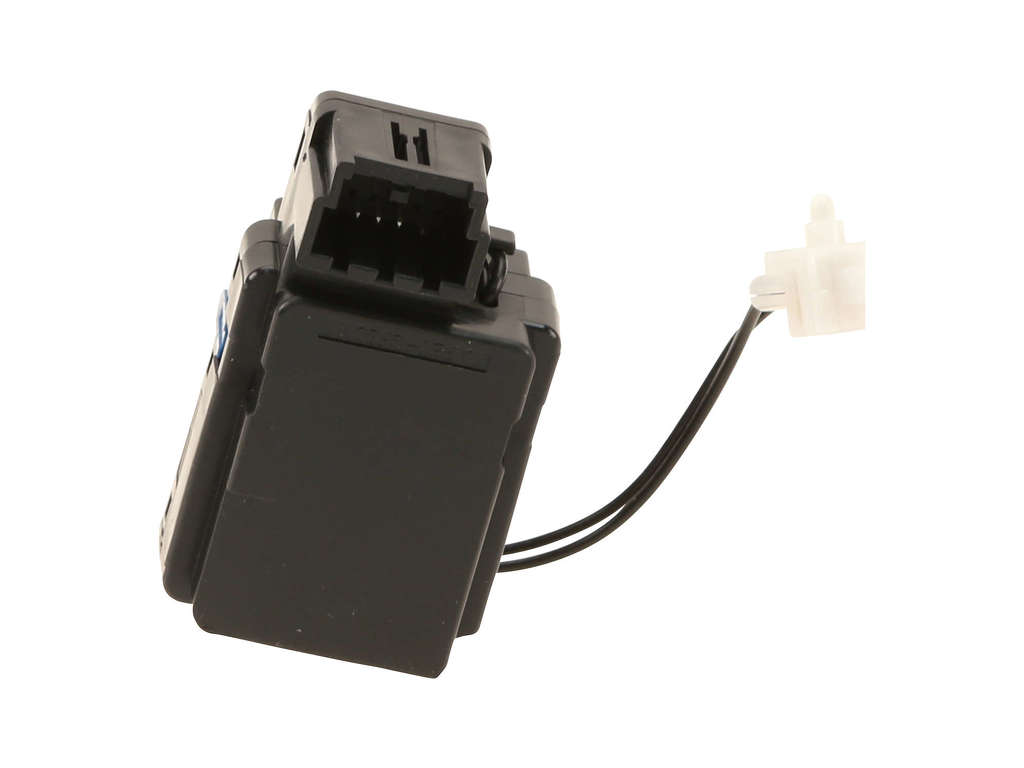
- Immobilizer Control Module Connector — A black 5-pin plug on the Immobilizer Control Module, which is located on the ignition switch assembly in the steering column.. This is the direct connection to the Passkey III+ reader. Pin 4 (Dark Green wire) is the IMMO Data line to the BCM, and Pin 1 (Red/White wire) is the power feed. A break or poor connection in these wires will cause a B3055.
- BCM Connector X1 (Light Green) — One of the main connectors on the Body Control Module (BCM), which is located under the passenger side of the dashboard.. This connector contains the main ignition power feed for the BCM. On similar year vans, the Pink ignition wire is on Pin 14. Loss of this signal could cause the BCM to malfunction and set various codes.
Real Owner Repair Stories
- iATN (International Automotive Technicians Network) forum post (2008 Chevrolet Express 1500 5.3L (Same platform and security system)) — No crank/no start, 'Service Theft Deterrent System' message on the cluster, security light on, code B3055 present.
❌ Tried (didn't work) The post focused on direct diagnosis rather than listing failed parts.
✅ What actually fixed it The confirmed fix was replacing the ignition lock cylinder housing, which contains the transponder exciter coil. The vehicle started and the code was resolved after replacement. - YouTube channel 'ADD AUTOMOBILE SERVICES' (2013 Chevrolet Equinox (Similar GM immobilizer system)) — Intermittent no-start with security light on, code B3055 present.
❌ Tried (didn't work) Using the original key, which would sometimes work and sometimes fail.
✅ What actually fixed it A technician used a VVDI Key Tool to clone the data from the intermittently failing original transponder chip onto a new 'super chip'. This new chip was then installed into the original key housing, resolving the intermittent failure.
OEM Part Supersession History
12458191, 12533953, 15822350, 19168637→25832354— Part consolidation and revision over time.
Heads up: Part number 25832354 (and its cross-reference D1493F) is primarily listed for pre-2006 GM vehicles. It is likely NOT the correct part for the 2017-2021 Express despite being a similar component type. Using this older part may result in fitment or electronic incompatibility. Always verify the correct part number with the vehicle's VIN.
Model Year Variations Within This Range
- 2017-2021: While these vans are considered 'Global A' architecture vehicles, they may retain the older Vehicle Theft Deterrent (VTD) programming logic for security components, rather than the newer Immobilizer (IMMO) programming logic found on other GM models of the same years. This means a technician may need to use the 'VATS/V.T.D' system procedure in GM's SPS2 software, not the 'IMMO' procedure, which can be a point of confusion.
Used OEM Parts in Stock


New Aftermarket Parts Available

The information in this article is provided for general reference and educational purposes only. Vehicle specifications, procedures, and part compatibility can vary by production date, trim level, and region. Always consult your vehicle's factory service manual and verify part numbers before purchasing or performing repairs. Safety-critical components such as airbags, seat belts, and braking systems should be installed by a qualified professional.
- Chevrolet EXPRESS:
- 🛍️ Shop This Part
- What's Unique About the 2017-2021 Chevrolet EXPRESS
- Diagnostic Flowchart
- Symptoms You May Notice
- Most Likely Causes
- Rare But Worth Checking
- Diagnosis Steps
- Parts You'll Likely Need
- Related Codes That Often Appear With This One
- Technical Service Bulletins (TSBs) & Recalls
- Platform-Specific Known Issues
- Hidden / Shadow Codes Worth Checking
- Scan Tool Commands That Help
- Wiring & Ground Locations
- Real Owner Repair Stories
- OEM Part Supersession History
- Model Year Variations Within This Range
- 🎟️ Get 5% Off