

B3055 on 2011-2018 Chevrolet Cruze: No Start Causes and Fixes
On a 2011-2018 Chevy Cruze, code B3055 usually means the car's security system can't read the key, causing a no-start. Before anything else, make sure your switchblade key is fully extended and locked straight. A slightly bent or worn key is a very common cause for this code, as documented in GM TSBs. If that doesn't work, the key's internal transponder chip may be damaged, requiring a new key and programming.
- First, check that your switchblade key is fully locked in the straight position before inserting it in the ignition.
- If the key position is correct, try your spare key. If the spare works, your primary key is bad.
- Remove other electronic fobs or keys from your keychain to rule out radio frequency interference.
- If no key works, the problem is likely the car's immobilizer antenna or wiring, requiring professional diagnosis.
- Do not replace the starter or battery for this code; the issue is with the anti-theft system.
What's Unique About the 2011-2018 Chevrolet CRUZE

The first-generation Cruze (2011-2016) and other GM vehicles from this era use a switchblade-style key that is a known source of this issue. A specific GM Technical Service Bulletin (TSB PIT5030E) highlights that if the key is not fully extended and locked in the straight position when inserted into the ignition, it can fail to communicate with the car's security system. This simple mechanical issue is often mistaken for a more complex electronic failure, making it a crucial first check for any Cruze owner seeing a B3055 code. The plastic housing of the key fob is also prone to breaking where the key blade pivots, causing a loose or misaligned key that also triggers this code.
Diagnostic Flowchart

Tap your situation to follow the diagnostic path that matches what you're seeing on this vehicle.
Generation note: This guide covers the first generation (2011-2016) and the second generation (2016.5-2018) of the Chevrolet Cruze. The issue with the switchblade key not being fully extended is most prominently documented in TSBs covering the first generation but can apply to any vehicle with this key design. The underlying security system principles are similar across both generations. Second generation models with push-button start have a different antenna location but operate on the same principles.
Symptoms You May Notice

- Engine will not crank or start
- Security indicator light is illuminated or flashing on the dashboard.
- Intermittent no-start condition that may resolve itself temporarily
- Message on the Driver Information Center (DIC) such as "Theft Attempted".
- Replacing the starter motor. A bad starter will typically not cause a security light to illuminate or set a B3055 code. A Reddit thread documented a case where a customer insisted the starter was bad, but the actual fix was a new, programmed key to resolve the B3055 code.
- Replacing the battery. While a low battery can cause a no-start and a host of electrical issues, it won't specifically set a B3055 code, though a stable battery voltage is required for proper diagnosis and programming.
Most Likely Causes

- Ignition Key Not Fully Extended 🔴 High Probability The switchblade key design can be inserted into the ignition even if not fully locked open. This slight angle is enough to misalign the transponder chip with the in-car reader, as noted in GM TSB PIT5030E.
How to confirm: Remove the key from the ignition. Ensure it is fully extended and locked straight. Re-insert the key and attempt to start the engine. If it starts, this was the cause. The TSB advises informing the customer of this quirk.
Typical fix: No parts needed. The fix is to ensure the key is fully extended before every use. Informing all drivers of the vehicle of this quirk is recommended.
Est. part cost: $0 - Defective Ignition Key 🟡 Medium Probability The transponder chip inside the key's plastic head can be damaged from being dropped, getting wet, or from internal failure. A common failure point is the plastic pivot mechanism of the switchblade, causing the key to become loose and misaligned. A technician on YouTube noted this was the first time they had seen the transponder itself fail on one of these keys, suggesting it's less common than the mechanical failure of the fob.
How to confirm: Attempt to start the vehicle with a spare key. If the spare key works consistently, the original key is faulty. A technician can also use a tool like the Key Tool Max to check if the key's transponder is emitting a signal.
Typical fix: Replace the faulty key. A new key must be cut to match and then programmed to the vehicle by a dealership or an automotive locksmith with tools like an Auto Pro Pad. Alternatively, for a broken fob housing, the original key blade and transponder can be transferred to a new shell.
Est. part cost: $20 (shell) - $150 (new key) - Radio Frequency (RF) Interference ⚪ Low Probability Other transponder keys, key fobs, or even RFID-enabled access cards on the same keychain can interfere with the signal from the ignition key. TSB PIC5650B specifically calls this out as a potential cause that can be hard to duplicate if the owner removes the interfering device before bringing the car for service.
How to confirm: Remove all other keys and electronic devices from the keychain. Attempt to start the car with the bare ignition key.
Typical fix: Keep the ignition key isolated from other RF-emitting devices when starting the car.
Est. part cost: $0 - Faulty Immobilizer Antenna (Exciter Coil) ⚪ Low Probability
How to confirm: This requires professional diagnosis. A technician will test the circuit between the antenna ring around the ignition cylinder and the BCM. If neither the primary nor spare key works, and RF interference is ruled out, this part is a suspect. The part is located under the steering column shrouds.
Typical fix: Replace the immobilizer antenna ring. This part is typically located behind the plastic shrouds on the steering column and may require programming after installation.
Est. part cost: $40-$100
Rare But Worth Checking
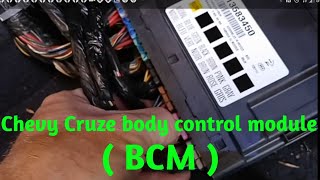
- Faulty Body Control Module (BCM) or Theft Deterrent Module (TDM): This is an unlikely cause and should only be considered after all other possibilities (key, antenna, wiring) have been ruled out. It is an expensive repair due to the cost of the module and the need for dealership-level programming. A BCM can be damaged by external electrical issues, such as a short circuit elsewhere in the vehicle. One owner on Reddit reported a final repair cost of around $700 for a BCM replacement. 🎬 Watch: How to remove the BCM for inspection or replacement
Diagnosis Steps
- Check the security light on the dashboard. If it's on or flashing, it confirms a security system issue.
- Remove the key. Make sure it is a switchblade key and that it is fully extended and locked in the straight position. Check for excessive looseness or damage at the pivot point.
- Re-insert the key and try to start the engine. If it starts, you have found the issue.
- If it still doesn't start, remove all other keys, fobs, and RFID cards from your keychain and try again to rule out interference.
- Try to start the vehicle with a known-good spare key. If the spare key works, the primary key is defective and needs to be replaced.
- If neither key works, the problem is likely in the vehicle's components (antenna, wiring, or BCM).
- Inspect the wiring and connector at the ignition switch immobilizer coil and the BCM for any visible damage or looseness.
- If the issue persists, professional diagnosis with a scan tool is required. The tool can read immobilizer data to see if a key is detected at all, helping to distinguish between a bad key and a bad antenna or module.
Parts You'll Likely Need
- Ignition Key
(OEM #13586785 (example, verify by VIN))— The transponder chip inside the key or the key's mechanical housing is the most common point of failure after the key position issue is ruled out.
Trusted brands: ACDelco, Strattec
OEM price range: $70-$120
Aftermarket price range: $20-$80 - Immobilizer Antenna / Transponder Reader Coil
(OEM #13523275)— This coil energizes and reads the key chip. It can fail, preventing communication even with a good key.
Trusted brands: ACDelco (OEM)
OEM price range: $60-$100
Aftermarket price range: $40-$70
Related Codes That Often Appear With This One
- B3060 — This code often relates to an unprogrammed transponder or a mismatch in the security data, which can appear alongside B3055 during a communication failure. [Bulletin #PIC5650M]
- B3935 — This code is also related to the transponder key circuit and can be set if there are issues with the security data being transmitted or received. [Bulletin #PIC5650M]
- B2955 — This code for 'Security System Sensor Data Circuit' can be logged with B3055, indicating a problem in the circuit between the immobilizer coil and the BCM.
Technical Service Bulletins (TSBs) & Recalls
- PIC5650M: Mentions B3055 in the context of intermittent no crank/no start or stall conditions, and points to possible RF interference.
- PIT5030E: Describes the diagnostic tip for an intermittent no-crank caused by the switchblade key not being fully extended, which can set code B3055.
Platform-Specific Known Issues
- A GM Technical Service Bulletin (PIC5650M) acknowledges an intermittent no crank or start stall concern on the 2011-2018 Cruze that can set code B3055, among others. It specifically mentions checking for RF interference from other devices on the keychain.
- Another TSB (PIT5030E) specifically calls out the switchblade key not being fully extended as a cause for an intermittent no-crank on 2011-2014 Cruze models, which can log a B3055 code in history.
Hidden / Shadow Codes Worth Checking
- B3055-00: The '-00' is a symptom byte indicating 'No Additional Symptom Information'. This is common for this code and confirms the primary fault is the lack of transponder communication, as seen on professional scan tools. (see via A professional scan tool like a Topdon Phoenix Smart or GM GDS2 can display the symptom byte along with the main DTC.)
Scan Tool Commands That Help
- GM GDS2 / Tech2 or equivalent: Immobilizer Data Display — Use this function within the Body Control Module (BCM) to see live data. A key parameter to watch is 'Environment Identification'. If it displays 'No Key Detected' with a known good key in the ignition, it points towards a faulty immobilizer antenna or wiring, rather than the key itself.
- GM GDS2 / Techline Connect (SPS2): Immobilizer Learn / Add or Replace Key Fobs — This function is required after replacing a key, the BCM, or the immobilizer module. It initiates a 10-12 minute security relearn procedure that programs the new component to the vehicle.
- GM GDS2 / Techline Connect (SPS2): BCM Programming and Setup — If the BCM is replaced, it must be programmed with the correct software for the vehicle's VIN and options. This is typically done online via GM's Service Programming System (SPS). After programming, the Immobilizer Learn function must be performed.
Wiring & Ground Locations
- Body Control Module (BCM) — Located on the passenger side of the center console, accessible by removing the side trim panel.. The BCM is the central module for the theft deterrent system. It receives the signal from the immobilizer antenna and determines if the key is valid. All related wiring terminates here.
- Immobilizer Control Module (Antenna) — It is the plastic ring located around the ignition lock cylinder, under the steering column shrouds.. This component energizes and reads the transponder chip in the key. A failure in the coil or its wiring to the BCM is a direct cause of code B3055.
- BCM Fuses (Interior Fuse Panel) — In the interior fuse panel, located on the driver's side of the dashboard. Relevant fuses include F3, F8, F9, F10, F23, and F24.. A blown fuse supplying power to the BCM can cause a loss of communication with the immobilizer system, potentially setting this code among many others.
- BCM Connectors X1, X2 — These are two of the seven main connectors on the BCM.. Connector X1 contains the main power and ground connections for the BCM. Pin 1 is a primary ground. Connector X2 also contains critical power inputs. A poor connection or corrosion at these specific connectors can cause intermittent BCM operation and security faults.
Real Owner Repair Stories
- Hands On Auto Training YouTube Channel (2015 Chevrolet Malibu (similar system to Cruze)) — No crank, no start, security light on, DTC B3055 and B2955 present.
❌ Tried (didn't work) Clearing codes (B3055 returned immediately)., Cycling the key.
✅ What actually fixed it The technician confirmed the original key was not being detected using a transponder tool (Key Tool Max). A new key was programmed to the vehicle using an Auto Pro Pad, which involved a 10-minute security learn procedure. This resolved the no-start condition.
Model Year Variations Within This Range
- 2016.5-2018 (Gen 2 with Push-Button Start): Models with keyless (push-button) start do not have an ignition cylinder antenna. Instead, they use multiple interior antennas to detect the key fob's presence. The B3055 code can still set if the fob's battery is dead or if there's interference, but the diagnostic process will focus on the key fob and the keyless entry control module rather than a switchblade key and ignition cylinder coil.
Helpful Videos
Used OEM Parts in Stock




New Aftermarket Parts Available


The information in this article is provided for general reference and educational purposes only. Vehicle specifications, procedures, and part compatibility can vary by production date, trim level, and region. Always consult your vehicle's factory service manual and verify part numbers before purchasing or performing repairs. Safety-critical components such as airbags, seat belts, and braking systems should be installed by a qualified professional.
- Chevrolet CRUZE:
- 🎬 Helpful Videos
- 🛍️ Shop This Part
- What's Unique About the 2011-2018 Chevrolet CRUZE
- Diagnostic Flowchart
- Symptoms You May Notice
- Most Likely Causes
- Rare But Worth Checking
- Diagnosis Steps
- Parts You'll Likely Need
- Related Codes That Often Appear With This One
- Technical Service Bulletins (TSBs) & Recalls
- Platform-Specific Known Issues
- Hidden / Shadow Codes Worth Checking
- Scan Tool Commands That Help
- Wiring & Ground Locations
- Real Owner Repair Stories
- Model Year Variations Within This Range
- 🎟️ Get 5% Off