

B3055 on 2014-2017 Chevrolet SS: No-Start, Security Light Causes and Fixes
On a 2014-2017 Chevrolet SS, code B3055 indicates the anti-theft system cannot read your key, causing a no-start or start-and-stall condition with the security light on. The most common causes are a faulty key, radio frequency interference (RFI) from aftermarket devices like phone chargers, or a bad ignition lock cylinder. Trying a spare key and removing all aftermarket electronics are the first diagnostic steps. For flip keys, ensure the key is fully extended and locked before inserting it into
- B3055 is a security code. If your SS won't start and the security light is on, this is the likely reason.
- Before any expensive repairs, try your spare key and remove all phone chargers, USB cables, and other electronics from the vehicle to rule out a bad key or RFI.
- Do not immediately replace the starter or battery. A no-start condition with a security light is almost always related to the anti-theft system.
- If a new key or module is needed, it will require programming with a specialized scan tool. This is not typically a DIY job.
What's Unique About the 2014-2017 Chevrolet CHEVEROLET SS
The Chevrolet SS, being a rebadged Australian Holden Commodore (VF), shares its core electronics and security system with its Australian counterpart. This means that diagnostic information and common faults from Holden forums are directly applicable. GM has issued a broad Technical Service Bulletin (TSB #PIC5650M) that specifically includes the Chevrolet SS and code B3055, linking it to intermittent no-start conditions. The TSB strongly points towards radio frequency interference (RFI) from aftermarket devices as a primary cause that technicians should investigate before replacing any parts. Another related TSB, #PIT5030E, notes that on vehicles with a flip-style key, not having the key fully extended and locked can cause this code.
Diagnostic Flowchart
Tap your situation to follow the diagnostic path that matches what you're seeing on this vehicle.
Symptoms You May Notice
- Engine will not crank or start
- Engine starts and immediately stalls
- Security indicator light is on or flashing on the dashboard.
- Message on the Driver Information Center (DIC) like "Theft Attempted" or "Service Steering Column".
- Remote Keyless Entry (RKE) may have poor range or be inoperative.
- Replacing the starter motor. A security fault will prevent the BCM from sending the signal to the starter; the starter itself is usually not the problem.
- Replacing the fuel pump. The security system can disable the fuel system, but the root cause is the key not being recognized, not a faulty pump.
Most Likely Causes
- Radio Frequency Interference (RFI) from Aftermarket Devices 🔴 High Probability TSB #PIC5650M specifically calls out RFI as a major cause for this code across many GM vehicles, including the SS. Common culprits include phone chargers, USB cables, dash cams, aftermarket LED lighting (especially dome lights), and even other RFID cards on the same keychain.
How to confirm: Remove all aftermarket devices, phone chargers, and extra fobs/cards from the vehicle and keychain. Try starting the vehicle again. If it starts, one of the removed items was causing the interference. Technicians may use an RFI meter to detect stray signals at 125 kHz, 315 MHz, or 433 MHz.
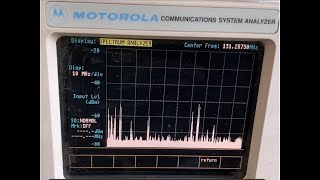
Typical fix: Identify and remove the source of the RFI. 🎬 See how to troubleshoot and identify radio frequency interference sources. No parts replacement is necessary.
Est. part cost: $0 - Defective or Damaged Ignition Key 🟡 Medium Probability The transponder chip (Philips ID46 in many cases) in the key head can fail internally or be damaged from being dropped. For flip keys, if the key is not fully extended and locked straight, it can fail to communicate, triggering a B3055. A weak battery in the key fob (typically a CR2032) can also cause intermittent communication issues, though the transponder itself is passive.
How to confirm: Try starting the vehicle with a known-good spare key. If the spare key works consistently, the original key is faulty. Also, ensure the flip key is fully extended before inserting it into the ignition.
Typical fix: Replace the faulty key and have the new key programmed to the vehicle by a dealer or qualified locksmith. Sometimes, simply replacing the key fob battery resolves the issue. For intermittent failures, cloning the existing transponder data to a new chip and adding it to the key housing can be a cost-effective fix.
Est. part cost: $75-$250 - Faulty Ignition Lock Cylinder / Transceiver ⚪ Low Probability The transceiver (also called an exciter coil or Theft Deterrent Module on some platforms) is a ring around the ignition lock cylinder that energizes the key's transponder. This component or its wiring can fail over time, preventing communication with the key.
How to confirm: If RFI is ruled out and multiple known-good keys fail to start the vehicle, the issue likely lies with the transceiver or its wiring. A professional scan tool can monitor the 'Transponder Key' data parameter; if it reads 'Not Present' or 'No Key Detected' for all keys, the transceiver/TDM is suspect.
Typical fix: Replace the ignition lock cylinder housing which contains the transceiver coil. This often requires a security relearn procedure afterward.
Est. part cost: $100-$300 - Low Vehicle Battery Voltage ⚪ Low Probability The Body Control Module (BCM) and other security modules are sensitive to low voltage. A weak or failing car battery can cause intermittent communication errors and trigger security-related codes like B3055, sometimes accompanied by other codes like B1325 (Low Voltage).
How to confirm: Test the vehicle's main 12V battery with a multimeter or battery tester. A healthy battery should read approximately 12.6V at rest and maintain voltage above 10V while cranking. A simple voltage reading is not enough; a load test is recommended to check for dead cells.
Typical fix: Replace the vehicle's battery.
Est. part cost: $150-$350
Rare But Worth Checking
- Body Control Module (BCM) Failure: While rare, the BCM itself can fail. This is usually the last item to suspect after all other causes (key, RFI, transceiver, wiring) have been thoroughly ruled out. On related platforms, water intrusion is a known cause of BCM failure.
Diagnosis Steps
- Check for the security light on the dash. If it's on or flashing, the problem is with the anti-theft system.
- Remove ALL aftermarket electronics from the vehicle, especially phone chargers, USB cables, and dash cams. Remove any extra RFID cards or key fobs from your keychain.
- If you have a flip key, ensure it is fully extended and locked in the straight position before inserting it into the ignition.
- Try to start the vehicle with a known-good spare key. If it starts, the primary key is the issue.
- Inspect the vehicle's main battery to ensure it has a full charge (at least 12.4V) and perform a load test if possible. Low voltage can cause various electronic glitches.
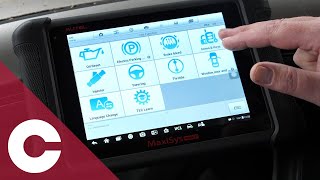
- Attempt the GM 30-minute security relearn procedure. This is necessary after replacing components and can sometimes resolve software glitches. It typically involves cycling the key to 'ON' for 10-11 minutes, three consecutive times. A battery charger should be connected during this process. 🎬 Watch: Step-by-step guide for the GM security relearn procedure.
- Inspect the wiring and connector at the ignition lock cylinder for any visible damage or looseness.
- If the issue persists, the vehicle needs to be diagnosed with a professional scan tool that can read BCM and theft-deterrent system data to determine if the fault lies in the transceiver or the BCM itself.
Parts You'll Likely Need
- Transponder Key Fob
(OEM #13523903 (Key), OHT05918179 / V2T01060514 (Fob))— The internal transponder chip in the key is a common failure point, leading to the B3055 code. The flip mechanism can also wear, preventing proper alignment.
Trusted brands: ACDelco, Strattec
OEM price range: $100-$200
Aftermarket price range: $30-$120 - Ignition Lock Cylinder with Transceiver
(OEM #19356477)— If multiple keys fail and RFI is not present, the transceiver coil that reads the key, often housed with the lock cylinder, may be faulty.
Trusted brands: ACDelco, Dorman, Locksmart
OEM price range: $150-$300
Aftermarket price range: $80-$180
Related Codes That Often Appear With This One
- B3060 — This code for 'Unprogrammed Key Transponder' often appears with B3055, indicating the system sees a key but cannot validate its programming.
- B3935 — Means 'Transponder Authentication Failed' and can be set along with B3055 during a communication fault between the key and module.
- C0750, C0755, C0760, C0765, C0775 — These are Tire Pressure Monitor (TPM) sensor codes. TSB PIC5650M lists them alongside B3055 as they also operate on radio frequencies and can be affected by the same RFI sources.
- P0513 / P0633 — These ECM codes for 'Incorrect Immobilizer Key' or 'Immobilizer Key Not Programmed' can be set when the BCM tells the ECM there is a security problem.
Technical Service Bulletins (TSBs) & Recalls
- PIC5650M: Addresses intermittent no crank, no start, or start stall concerns with security light on and DTCs B3055, B3060, B3935, etc. It points heavily towards RFI from aftermarket devices.
Platform-Specific Known Issues
- TSB #PIC5650M directly addresses an intermittent no crank, no start, or start/stall concern with the security light on and DTC B3055 set. The bulletin strongly advises checking for sources of Radio Frequency Interference (RFI) from items like phone chargers or aftermarket LEDs before replacing any components.
- TSB #PIT5030E points out that for flip-style keys, not having the key fully extended can cause an intermittent no-crank and set a B3055. The key head being angled down can prevent the transceiver from reading the chip.
Hidden / Shadow Codes Worth Checking
- B3055 00: The '00' is a symptom byte meaning 'No Sub Type Information'. This tells the technician that the base DTC (B3055) provides the complete description of the failure and that no more specific information is available in a sub-code. (see via Dealer-level scan tools like a GM GDS2 or some advanced aftermarket scan tools.)
Scan Tool Commands That Help
- GM GDS2: Immobilizer Data — To view live data from the theft deterrent system. Look for parameters like 'Environment Identification' to see if the system status is 'Key Detected' or 'No Key Detected' when a key is in the ignition.
- GM GDS2: Programming Theft Deterrent System Components / Immobilizer Learn — This function is required after replacing a key, the BCM, or the ignition lock cylinder. It guides the technician through the 10-minute or 30-minute relearn process to program the new components to the vehicle.
- GM GDS2: Add or Replace Key Fobs — Located under the 'Remote Control Door Lock Receiver' module, this specific function is used to program the remote (RKE) portion of the key fob.
Wiring & Ground Locations
- Body Control Module (BCM) — Located in the driver's footwell, accessible by removing the insulator panel above the pedals and the panel under the steering column.. The BCM is the primary module that manages the Passkey III+ immobilizer system. It receives the signal from the key via the transceiver and decides whether to authorize the engine start. All related wiring converges here.
- F1 & F4 (Instrument Panel Fuse Box) — In the passenger compartment fuse panel, located behind a cover on the side of the dashboard.. Fuse F1 (15A) is for 'BODY CONTROL MODULE 1' and F4 (15A) is for 'BODY CONTROL MODULE 2'. A loss of power on these circuits would cause the BCM to be inoperative, leading to a no-start and multiple communication codes, potentially including B3055.
Real Owner Repair Stories
- YouTube video from a technician diagnosing a 2013 Chevy Equinox (2013 Chevrolet Equinox (similar Passkey III+ system)) — Intermittent no-start with security light staying on. The car would sometimes start and run fine, and other times it would not crank at all. Code B3055 was present.
❌ Tried (didn't work) Simply clearing the code was not a permanent fix as the issue was intermittent.
✅ What actually fixed it The technician diagnosed an intermittent failure of the transponder chip inside the original key. Using a VVDI Mini Key Tool, he cloned the data from the intermittently-failing transponder onto a new 'super chip'. He then opened the original key fob and placed the newly cloned chip inside it alongside the old one. This provided a reliable signal to the car's immobilizer, fixing the intermittent no-start without requiring a full dealer key programming session.
OEM Part Supersession History
19356477→N/A for this vehicle— Correction
Heads up: The ignition lock cylinder part number 19356477 is incorrect for the 2014-2017 Chevrolet SS. It is for older GM models. A related security module, the Keyless Entry Module, is listed for the 2016 SS as part number 13599218. Always verify parts against the vehicle's VIN.
Helpful Videos
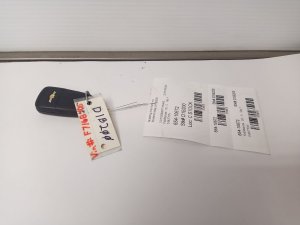
Used OEM Parts in Stock
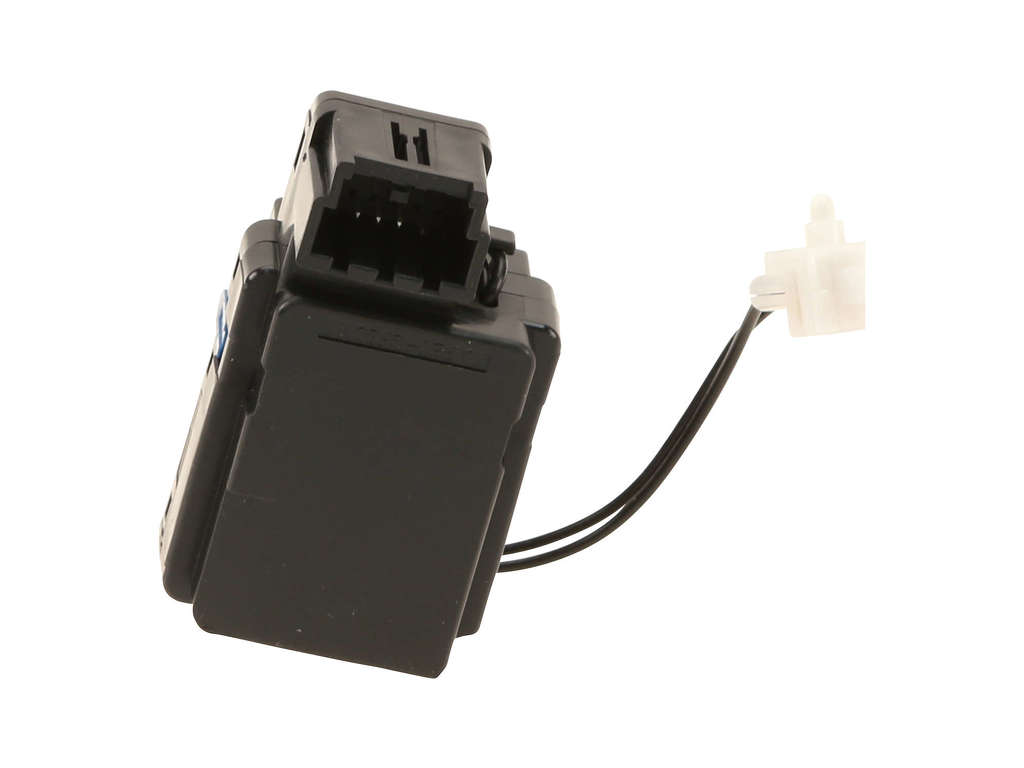
New Aftermarket Parts Available


The information in this article is provided for general reference and educational purposes only. Vehicle specifications, procedures, and part compatibility can vary by production date, trim level, and region. Always consult your vehicle's factory service manual and verify part numbers before purchasing or performing repairs. Safety-critical components such as airbags, seat belts, and braking systems should be installed by a qualified professional.
- Chevrolet CHEVEROLET SS:
- 🎬 Helpful Videos
- 🛍️ Shop This Part
- What's Unique About the 2014-2017 Chevrolet CHEVEROLET SS
- Diagnostic Flowchart
- Symptoms You May Notice
- Most Likely Causes
- Rare But Worth Checking
- Diagnosis Steps
- Parts You'll Likely Need
- Related Codes That Often Appear With This One
- Technical Service Bulletins (TSBs) & Recalls
- Platform-Specific Known Issues
- Hidden / Shadow Codes Worth Checking
- Scan Tool Commands That Help
- Wiring & Ground Locations
- Real Owner Repair Stories
- OEM Part Supersession History
- 🎟️ Get 5% Off