

B3055 on 2013-2017 Chevrolet Captiva: No-Start & Security Light Causes
Code B3055 on a 2013-2017 Chevrolet Captiva means the anti-theft system cannot read your key, causing a no-start or start-and-stall condition. The most common fix is trying a spare key or replacing a faulty key. If you have a flip-style key, ensure it's fully extended before inserting it into the ignition. If other fixes fail, the ignition lock cylinder containing the reader coil may need replacement, followed by a 30-minute key relearn procedure.
- B3055 means your Captiva's anti-theft system doesn't recognize the key, which is why it won't start.
- Before any repairs, try your spare key. If it works, your primary key is the problem.
- If you have a flip key, make sure it is fully locked in the straight position before inserting it in the ignition.
- Unplug all aftermarket phone chargers and USB devices to rule out radio frequency interference, a known issue.
- Do not replace the starter or battery based on a no-start symptom if the security light is on; the issue is with the anti-theft system.
What's Unique About the 2013-2017 Chevrolet CAPTIVA
The Chevrolet Captiva from this era shares its GM Theta platform with other vehicles like the Saturn Vue and Chevrolet Equinox. As a result, it can be susceptible to common GM immobilizer issues. 🎬 Watch: How to reset your Chevrolet anti-theft system to start your car. A notable problem, documented in GM Technical Service Bulletin PIT5030E, involves the flip-style key. If the key is not fully extended and locked straight when inserted, the transponder chip may be too far from the reader coil, causing an intermittent no-start and setting code B3055. This simple mechanical issue is a frequent and often overlooked cause on this platform. The issue is so common across these models that the ignition lock cylinder/housing is a top-selling part and a frequent point of failure.
Diagnostic Flowchart
Tap your situation to follow the diagnostic path that matches what you're seeing on this vehicle.
Symptoms You May Notice
- Engine does not crank or makes a single click
- Engine starts and then immediately stalls
- Security indicator light is solid or flashing on the dashboard
- Intermittent no-start condition that may seem random
- Message on Driver Information Center (DIC) related to security or theft system
- Replacing the starter motor. A no-crank symptom is often mistaken for a bad starter, but with code B3055, the security system is intentionally preventing the starter from engaging.
- Replacing the vehicle's main battery. While a very low battery can cause numerous electronic issues, a healthy battery will not fix a B3055 code if the key or reader is the root cause. It is, however, important to ensure the battery is fully charged before attempting the key relearn procedure.
Most Likely Causes
- Defective or Damaged Ignition Key 🔴 High Probability The transponder chip inside the key can be damaged from being dropped, getting wet, or from normal wear and tear. The internal electronics can simply fail with age.
How to confirm: The easiest way to confirm is to try starting the vehicle with a spare key. If the spare key works consistently, the original key is faulty. A technician can also use a scan tool to see if the BCM recognizes the key.
Typical fix: Replace the faulty key. A new key must be cut and electronically programmed to the vehicle. This can be done by a dealer or a qualified automotive locksmith with the proper tools.
Est. part cost: $75-$250 - Flip Key Not Fully Extended 🟡 Medium Probability As noted in GM TSB PIT5030E, the design of the flip key can lead to intermittent connection if not fully locked in the open position, increasing the distance between the transponder and the reader coil. This is a well-documented quirk for this platform.
How to confirm: If you experience an intermittent no-start, remove the key, ensure it is fully extended and locked straight, and re-insert it. If the vehicle starts, this was the likely cause.
Typical fix: This is a user-awareness issue. No parts are needed. The fix is to ensure the key is always fully extended before use.
Est. part cost: $0 - Radio Frequency Interference (RFI) 🟡 Medium Probability Aftermarket electronic devices, such as phone chargers, dash cams, toll passes, or even certain LED lights, can emit radio frequencies that jam the 125 kHz signal used by the immobilizer system. GM has issued TSB PIC5650M to address this, listing numerous potential sources like aftermarket LED lights, USB power banks, and even building access cards on the keychain.
How to confirm: Unplug all aftermarket devices from the vehicle's power outlets. Remove any extra fobs, access cards, or toll passes from the keychain. If the vehicle starts reliably after this, RFI was the cause.
Typical fix: Identify and remove the source of the interference. Replace low-quality aftermarket chargers with higher-quality ones that are properly shielded.
Est. part cost: $0-$50 - Faulty Immobilizer Antenna (Exciter Coil) ⚪ Low Probability The antenna is a thin coil of wire around the ignition lock cylinder. It can fail due to age, vibration, or damage to the wiring harness in the steering column. This is a very common failure point on the Captiva's platform mates like the Equinox.
How to confirm: A technician can use a scan tool to monitor key status data while checking the wiring and connector at the ignition cylinder. A DIY test involves checking for a 5-volt signal on the signal wire that drops as the key is turned. However, the most common confirmation is replacing the part as a process of elimination after ruling out the key.
Typical fix: Replace the ignition lock cylinder housing, which contains the antenna coil. After replacement, a 30-minute key relearn procedure must be performed. In a documented case on a 2005 Equinox, an owner fixed the issue with a $20 junkyard part and the relearn procedure.
Est. part cost: $50-$150
Rare But Worth Checking
- Faulty Body Control Module (BCM): The BCM is the computer that runs the immobilizer system. While it can fail, it is expensive and should be considered a last resort after all other causes (key, antenna, wiring) have been ruled out.
- Poor BCM Ground Connection: A loose or corroded ground wire for the BCM can cause a wide range of intermittent electrical problems, including setting a B3055 code. This should be inspected before condemning the BCM itself.
- Damaged Wiring: The wires running from the immobilizer coil in the steering column to the BCM can become chafed or broken, especially in vehicles with tilt steering. A visual inspection and continuity test can confirm this.
Diagnosis Steps
- Verify B3055 is the active code using an OBD-II scanner that can read Body (B) codes.
- Try starting the vehicle with a known-good spare key. If it works, the primary key is the problem.
- If you have a flip-style key, ensure it is fully extended and locked straight before inserting it into the ignition.
- Remove all other keys, fobs, and access cards from the keychain to eliminate interference. Unplug all aftermarket devices (phone chargers, dash cams, etc.) from the vehicle.
- Inspect the wiring and connector at the ignition lock cylinder for any visible damage or looseness.
- Attempt the GM 30-minute key relearn procedure. Turn the key to the 'ON' position (do not start). Wait for the security light to turn off (approx. 10-11 minutes). Turn the key 'OFF' for 10 seconds. Repeat this two more times for a total of 3 cycles / ~30 minutes. After the third cycle, turn the key off, wait 5 seconds, and then try to start the engine.
- If the problem persists, professional diagnosis is needed to test the immobilizer antenna and check live data from the Body Control Module with a professional scan tool.
Parts You'll Likely Need
- Transponder Ignition Key
(OEM #96624219)— The transponder chip in the key is the most common point of failure, either through damage or electronic failure.
Trusted brands: ACDelco, Strattec
OEM price range: $100-$200
Aftermarket price range: $50-$120 - Ignition Lock Cylinder with Transponder Coil
(OEM #19178590)— If the antenna/exciter coil that reads the key fails, it must be replaced. It is integrated with the ignition lock cylinder housing. This is a very common failure point on this platform.
Trusted brands: ACDelco, Dorman, Locksmart (LC65473)
OEM price range: $100-$200
Aftermarket price range: $60-$150
Related Codes That Often Appear With This One
- B3060 — This code relates to an unprogrammed transponder and often appears with B3055 during a key communication failure, as noted in TSB PIC5650M.
- B3935 — This code is for Transponder Authentication Status and is part of the same security handshake process that fails when B3055 is set.
- B2955 — This code points to a fault in the 'Security System Sensor Data Circuit', indicating a problem in the wiring between the immobilizer antenna and the BCM.
Technical Service Bulletins (TSBs) & Recalls
- PIC5650M
Platform-Specific Known Issues
- A known issue documented in TSB PIC5650M involves intermittent no-start conditions with a security light on, where DTC B3055 may be stored. The cause is often related to radio frequency interference from aftermarket electronics or even other fobs on the keychain.
- TSB PIT5030E specifically calls out that an intermittent no-crank condition can be caused by the flip-key not being fully extended, which can set code B3055.
Mechanic-Grade Diagnostic Values
- BCM Ground Pin Resistance to Chassis Ground — expected: Near 0 ohms. Failure: A reading of several ohms or higher indicates a poor ground connection that requires cleaning or repair.
- Passlock Sensor Signal Voltage — expected: Approximately 5 volts with key on, dropping to a specific, consistent voltage value as the key is rotated to crank.. Failure: An erratic, missing, or inconsistent voltage signal when turning the key points to a faulty sensor in the ignition lock housing or a wiring issue.
Hidden / Shadow Codes Worth Checking
- B3055 00: The '00' is a symptom byte meaning 'No Sub Type Information'. This indicates that the primary DTC (B3055) provides the complete description of the failure and no further detail is available from a sub-code. (see via Dealer-level scan tools like a GM Tech2 or GDS2, or some advanced aftermarket scan tools.)
Scan Tool Commands That Help
- GM GDS2 (Global Diagnostic System 2): View Immobilizer Data Stream — Use this to check live data parameters like 'TDM Transponder Key' status. It should read 'Present' when a valid key is in the ignition. This is a primary step to see if the BCM is detecting any key at all.
- GM GDS2 (Global Diagnostic System 2): Immobilizer Learn / Program Keys — This function is required after replacing a key or the BCM. It involves a 10-minute security access wait time before it allows programming of new keys to the theft deterrent module.
- GM GDS2 (Global Diagnostic System 2): BCM Programming/Setup — This is a mandatory function that must be performed after installing a new Body Control Module to configure it for the specific vehicle.
Wiring & Ground Locations
- BCM (Body Control Module) — Located at the front of the center floor console.. The BCM is the module that manages the Pass-Key III+ anti-theft system and sets code B3055. Access is needed to test its connectors and ground wires.
- G103 — Located at the left rear of the engine compartment on the cowl, above the brake booster.. This is a primary ground point for the Body Control Module (BCM), Instrument Panel Cluster (IPC), and Data Link Connector (DLC). A poor connection here can directly cause BCM malfunctions and communication errors, leading to code B3055.
- G203 — Located near the lower center of the dash, on the instrument panel fuse block.. This is another interior ground point related to the BCM and instrument panel. Verifying its integrity is important when troubleshooting electrical issues in this area.
- G218 (Potential Issue) — On similar GM platforms (Silverado/Sierra), this problematic ground is on the passenger-side A-pillar frame, behind the kick panel.. While not confirmed specifically for the Captiva in searches, GM TSBs for other vehicles cite a poor connection at G218 as a cause for BCM-related electrical problems. It is often compromised by paint under the lug or trapped insulation. This is a valuable check if direct BCM grounds appear clean.
Real Owner Repair Stories
- Chevrolet Forum user (2012 Chevrolet Captiva) — Random dash lights flashing, radio on/off, cruise control failure, and two separate BCM failures over time.
❌ Tried (didn't work) Replacing the Body Control Module (BCM) twice, at significant cost.
✅ What actually fixed it The owner added two 14-inch braided ground straps as a supplemental ground path. One was connected from the negative battery terminal to the shock tower, and the second was connected from the alternator mounting bracket to the frame. This suggests the root cause was an inadequate factory grounding system, which was causing voltage instability and damaging the BCM. - YouTube channel 'ADD AUTOMOBILE SERVICES' (2013 Chevrolet Equinox (similar GM immobilizer system)) — Intermittent no-start with security light on and code B3055.
❌ Tried (didn't work) Using the original key, which would only work sometimes.
✅ What actually fixed it A technician used a VVDI Key Tool to clone the electronic data from the intermittently failing original key onto a new 'super chip'. The new chip was then installed into the original key fob, resolving the problem. This confirms the key's internal transponder chip can fail intermittently. - Reddit user post (GM vehicle with B3055) — No-start condition.
❌ Tried (didn't work) Attempting to start with a physically broken key and a low battery.
✅ What actually fixed it The vehicle was towed to a shop. The fix required two steps: replacing the weak vehicle battery and programming a brand new key to the vehicle. The combination of a bad key and low system voltage was the cause.
Helpful Videos

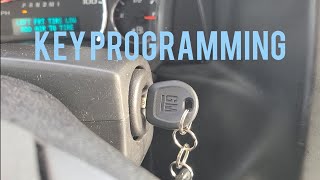
We Have This Part in Stock



The information in this article is provided for general reference and educational purposes only. Vehicle specifications, procedures, and part compatibility can vary by production date, trim level, and region. Always consult your vehicle's factory service manual and verify part numbers before purchasing or performing repairs. Safety-critical components such as airbags, seat belts, and braking systems should be installed by a qualified professional.
- Chevrolet CAPTIVA:
- 🎬 Helpful Videos
- 🛍️ Shop This Part
- What's Unique About the 2013-2017 Chevrolet CAPTIVA
- Diagnostic Flowchart
- Symptoms You May Notice
- Most Likely Causes
- Rare But Worth Checking
- Diagnosis Steps
- Parts You'll Likely Need
- Related Codes That Often Appear With This One
- Technical Service Bulletins (TSBs) & Recalls
- Platform-Specific Known Issues
- Mechanic-Grade Diagnostic Values
- Hidden / Shadow Codes Worth Checking
- Scan Tool Commands That Help
- Wiring & Ground Locations
- Real Owner Repair Stories
- 🎟️ Get 5% Off