

B3055 on 2007-2013 Chevrolet Avalanche: No Start, Security Light Causes & Fixes
Code B3055 on a 2007-2013 Avalanche almost always means there's a problem with the Passkey III+ vehicle immobilizer system. The most common fix is replacing the ignition lock cylinder housing, which contains the Passlock sensor and exciter coil. This is a moderately difficult DIY job that requires a security relearn procedure afterward. Before replacing parts, check for radio frequency interference from other devices on the keychain, as this is a known cause.
- B3055 points directly to the Passkey anti-theft system; do not immediately suspect the starter or battery.
- The most likely culprit is a failed Passlock sensor inside the ignition lock cylinder.
- Always try a spare key and the 30-minute relearn procedure before replacing parts, as these are free diagnostic steps.
- Be aware of potential radio frequency interference from other devices on your keychain.
- Any repair involving the ignition lock cylinder, keys, or BCM will require a security relearn procedure to allow the vehicle to start.
What's Unique About the 2007-2013 Chevrolet AVALANCHE
The 2007-2013 Avalanche uses GM's Passkey III+ (PK3+) immobilizer system. This system is known for being sensitive, and failures of the ignition lock cylinder's internal sensor or the surrounding exciter coil are a well-documented weak point across the entire GMT900 generation of GM trucks and SUVs. The issue is common enough that GM has issued multiple Technical Service Bulletins (TSBs) related to intermittent no-start conditions and this specific code, often advising technicians to first rule out radio frequency interference (RFI) from devices like toll passes or access cards before replacing any components.
Diagnostic Flowchart
Tap your situation to follow the diagnostic path that matches what you're seeing on this vehicle.
Symptoms You May Notice
- Vehicle will not crank (no-crank, no-start).
- Engine starts and immediately stalls.
- Security light on the dashboard is solid or flashing. It may flash for 10 minutes during a failed start attempt before going solid.
- "Service Theft Deterrent System" message may appear on the Driver Information Center (DIC).
- Remote keyless entry (RKE) may also be inoperative intermittently.
- Replacing the starter motor. A no-crank condition caused by the security system is often mistaken for a bad starter, but the BCM is what prevents the starter relay from engaging.
- Replacing the battery. While low battery voltage can cause various electrical problems, a healthy battery will not resolve a persistent B3055 code if the underlying security component has failed. However, it's always wise to ensure the battery is fully charged before diagnosis.
Most Likely Causes
- Faulty Ignition Lock Cylinder / Passlock Sensor 🔴 High Probability The sensor and its wiring within the ignition lock housing are known to wear out or fail over time on this GM truck platform, leading to intermittent signal loss. The fine wires for the exciter coil can break from the repeated stress of key insertions and rotations.
How to confirm: A professional would use a scan tool to monitor the 'TDM Transponder Key' parameter. If the data reads 'Not Present' or is erratic when wiggling the key, the lock cylinder assembly is the likely culprit. Visually inspecting the wires at the back of the cylinder may also reveal a break.
Typical fix: Replace the entire ignition lock cylinder housing assembly. This part contains the integrated Passlock sensor and exciter coil. After replacement, a 30-minute security relearn procedure is mandatory.
Est. part cost: $70-$150 - Worn or Damaged Ignition Key 🟡 Medium Probability The transponder chip embedded in the key head can be damaged from drops or wear, or the key itself can become worn, causing poor contact. Aftermarket or poorly cloned keys are also a common source of this code.
How to confirm: Try starting the vehicle with a spare, known-good OEM key. If the spare key works consistently, the original key is faulty. A scan tool may also show that only one specific key fails to be recognized.
Typical fix: Obtain a new key from a dealer or qualified locksmith and have it cut and programmed to the vehicle. If you have one working key, you can often program a new key yourself using a simple procedure.
Est. part cost: $50-$120 - Wiring or Connector Issues ⚪ Low Probability The wiring harness between the ignition lock cylinder and the BCM can become chafed or damaged, particularly within the steering column from tilt-wheel adjustments over time. The connector at the base of the ignition cylinder can also become loose.
How to confirm: Visually inspect the wiring harness for damage. Check for continuity and shorts on the signal, power, and ground wires running from the lock cylinder to the BCM using a multimeter, following the diagnostic steps outlined in service manuals.
Typical fix: Repair the damaged section of the wiring harness and secure it to prevent future damage. Reseat any loose connectors.
Est. part cost: $5-$50 - Failing Body Control Module (BCM) ⚪ Low Probability While not as common as sensor or key failure, the BCM itself can fail internally, causing a wide range of electrical issues, including this code. This is more likely if other unrelated body electrical functions are also malfunctioning. A poor ground connection to the BCM can also cause this issue.
How to confirm: This is typically a diagnosis of exclusion. If the key, lock cylinder, and wiring have all been tested and confirmed to be good, the BCM is the remaining likely cause. A technician would verify power and ground to the BCM before condemning it. GM issued a bulletin (07-08-47-004D) warning that BCMs can be damaged if a ground path is removed while power is supplied.
Typical fix: Replace the Body Control Module. This requires programming with a GM-specific scan tool (like a Tech 2 or MDI) to configure it to the vehicle's options and learn the existing keys.
Est. part cost: $250-$450
Rare But Worth Checking
- Radio Frequency Interference (RFI): Other electronic devices on the keychain (such as other car keys, gate openers, or office access fobs) can sometimes interfere with the signal from the key's transponder. TSB PIC5650M specifically warns technicians not to replace any parts until RFI from devices like toll passes, access cards, or even aftermarket LED lights has been ruled out. The immobilizer system operates at 125 kHz, and devices operating in the 120-135 kHz range are most likely to cause interference.
- Incorrectly Seated Flip Key: On models with a flip-style key, if the key is not fully extended and locked into position, it can be angled incorrectly in the ignition, preventing a good signal read. TSB PIT5030E notes this can cause an intermittent no-crank and set a history code for B3055.
- Blown DLIS Fuse: In some cases, a blown 2-amp fuse labeled "DLIS" in the underhood fuse block can cause a no-start with the theft light on. This fuse powers part of the immobilizer system. One owner found this fuse blown and replacing it allowed the vehicle to start.
Diagnosis Steps
- Verify the complaint and check for a solid or flashing security light on the dash.
- Scan for DTCs in all modules, paying close attention to any codes stored in the Body Control Module (BCM) or Theft Deterrent Module (TDM). Note codes B3055, B3060, or B3935.
- Check battery voltage. Ensure the battery has a full charge (12.4V+) before proceeding, as low voltage can cause unpredictable electronic issues.
- Remove all other electronic fobs, keys, or access cards from the keychain to eliminate Radio Frequency Interference (RFI), as recommended by TSB PIC5650M.
- If you have a spare key, try to start the vehicle with it. If it starts, the primary key is likely faulty.
- Attempt the 30-minute key relearn procedure: Turn the key to the 'ON' position (do not start) and wait about 10-11 minutes until the security light stops flashing and turns off. Turn the key off for 10-20 seconds. Repeat this process two more times for a total of three cycles and ~30 minutes. On the fourth attempt, try to start the engine.
- If the relearn procedure fails, visually inspect the wiring and connector at the base of the ignition lock cylinder for any visible damage, chafing, or loose connections.
- If wiring appears okay, the most probable cause is a faulty ignition lock cylinder/Passlock sensor. Replacement is the next logical step. The ACDelco D1462G is a common replacement part.
- If replacing the lock cylinder does not resolve the issue, a more advanced diagnosis of the BCM and its circuits with a multimeter is required, which should be performed by a professional following service manual procedures.
Parts You'll Likely Need
- Ignition Lock Cylinder Housing with Passlock Sensor
(OEM #ACDelco D1462G)— This is the most frequent failure point for code B3055 on this platform. The internal sensor and exciter coil that read the key's transponder fail.
Trusted brands: ACDelco, Standard Motor Products (SMP), Dorman
OEM price range: $120-$180
Aftermarket price range: $70-$130 - Transponder Ignition Key
(OEM #Varies by specific key cut, e.g., GM 15298923 (uncoded blank))
Related Codes That Often Appear With This One
- B3060 — This code, "Unlearned Key/Transponder," often appears with B3055 as it relates to the same immobilizer system communication failure. The TSB PIC5650M lists them together as common codes for a no-start concern.
- B3935 — Also related to transponder authentication, this code can be set alongside B3055 during a no-start event, as noted in TSB PIC5650M.
Technical Service Bulletins (TSBs) & Recalls
- PIC5650M: A broad diagnostic tip for many GM vehicles, including the Avalanche, for intermittent no-starts with security codes like B3055. Its primary recommendation is to investigate and eliminate sources of RFI before attempting repairs.
- PIE0232: An engineering information bulletin from 2012 seeking data on low-mileage 2013 models (Silverado/Sierra/Tahoe/Yukon) with no-start conditions and DTC B3055, indicating a known issue from the factory that GM was actively investigating.
- PIT5030E: A diagnostic tip noting that improperly seated flip-keys (not fully extended) can cause an intermittent no-crank and set a history code for B3055.
Platform-Specific Known Issues
- TSB #PIC5650M directly addresses intermittent no-crank, no-start, or start/stall conditions with the security light on, specifically citing DTC B3055. It strongly advises checking for Radio Frequency Interference (RFI) from aftermarket devices or other items on the key ring before replacing any parts.
Hidden / Shadow Codes Worth Checking
- B3055 00: The '00' is a symptom byte indicating 'No Sub Type Information'. This means the main code B3055 provides the full description of the fault without needing further classification. It's the most common variant seen on GM vehicles. (see via Professional scan tools like the GM Tech 2, GDS2, or high-end aftermarket scanners (Topdon, Autel) will display the symptom byte.)
Scan Tool Commands That Help
- GM Tech 2 / GDS2 / Professional Aftermarket: Immobilizer Data / TDM Data Stream — Use this to monitor the 'TDM Transponder Key' parameter. It should read 'Present' when a valid key is in the ignition. If it reads 'Not Present' or flickers, it points to a bad key or a faulty exciter coil/ignition lock housing.
- GM Tech 2 / GDS2 / Professional Aftermarket: Program Keys / Vehicle Theft Deterrent Learn — This function is required after replacing the ignition lock cylinder, BCM, or adding new keys. It guides the technician through the security relearn process, which can be a 10-minute or 30-minute procedure depending on the situation.
- Key Programming Tool (e.g., Xtool, Autel IM608): Coil Detection / Transponder Read — Specialized key programming tools can actively check if the exciter coil around the ignition cylinder is producing a signal. This can quickly confirm if the coil is functional before condemning the key or BCM.
Wiring & Ground Locations
- G201 — In the upper left corner of the instrument panel, near the driver-side A-pillar.. This is a primary instrument panel ground. A document for a similar platform identifies G103 (on the cowl above the brake booster) as a ground point for the BCM, Instrument Panel Cluster (IPC), and the ignition key alarm switch. A poor ground at these locations can cause intermittent communication issues with the theft deterrent system, leading to a B3055 code.
- BCM Location — Under the driver's side of the dashboard, to the left of the steering column.. This is the physical location of the Body Control Module, which manages the Passkey III+ system. Technicians need to access its connectors to test wiring continuity from the ignition lock cylinder.
- BCM Ground Path — The BCM ground path for the 2007 Avalanche runs through the left instrument panel junction block.. According to GM bulletin 07-08-47-004D, disconnecting this junction block without first disconnecting the negative battery terminal can damage the BCM. This is a critical warning for any technician working in this area.
Real Owner Repair Stories
- YouTube video by 'Salim ICM' (Chevrolet (model appears to be a Lumina/Caprice, but the Passkey system is analogous)) — Security light stays on, vehicle will not crank, "Service Theft Deterrent System" message displayed.
❌ Tried (didn't work) Scanning the vehicle, which only revealed the B3055 code.
✅ What actually fixed it The technician opened the key fob and found that a solder joint for the internal transponder chip had broken, likely from being dropped. After re-soldering the chip to the key's circuit board, the key was recognized by the vehicle and it started normally. - Reddit user in r/Justrolledintotheshop (Unspecified GM vehicle) — No-start, horn going off, "Theft Attempted" message on DIC, code B3055 present.
❌ Tried (didn't work) Customer insisted the problem was the starter motor.
✅ What actually fixed it The vehicle's battery was failing (10.5V) and the key head was broken. The technician replaced the battery and programmed a new key to the vehicle, which resolved the no-start condition. This highlights that a stable voltage is required for the system to work and for programming new keys.
OEM Part Supersession History
15795321→ACDelco D1462G— This is the standard service replacement part number for the ignition lock housing. While D1462G is the housing itself, it is often cross-referenced with the original GM part number 15795321.
Heads up: While this part fits many GM vehicles, including the Avalanche, it is also listed for the 2004-2012 Colorado/Canyon. Always verify fitment for the specific vehicle, as internal components or connectors can have minor differences between platforms.
Helpful Videos
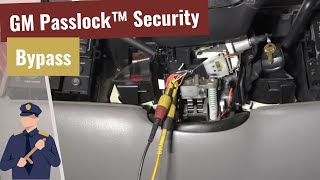

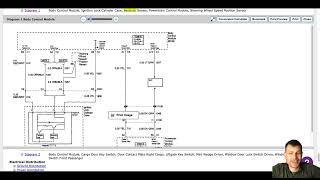

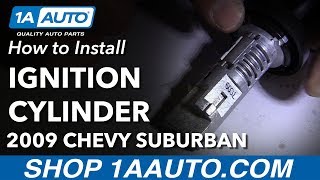
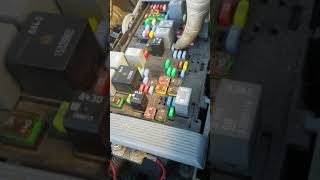
Used OEM Parts in Stock


New Aftermarket Parts Available

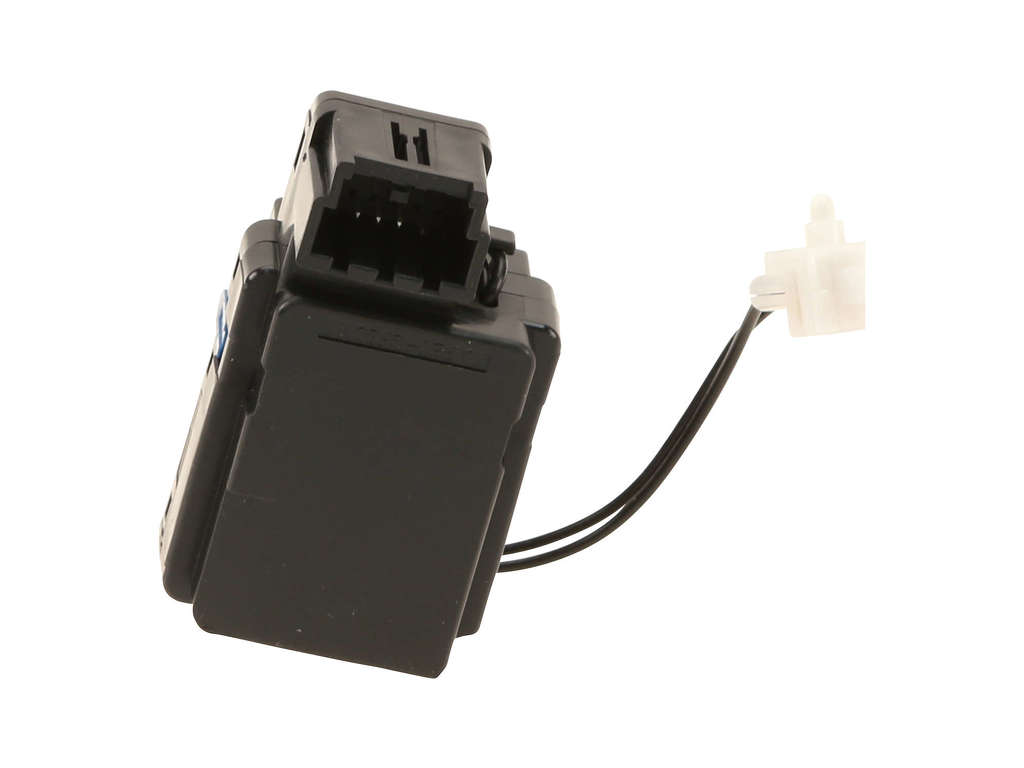
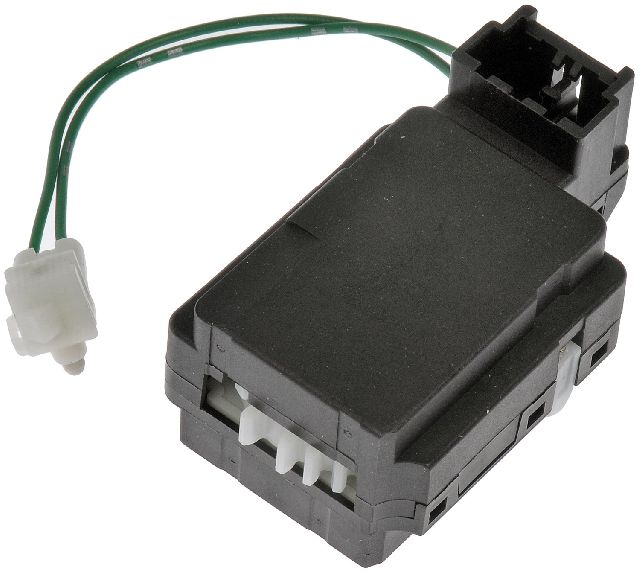

The information in this article is provided for general reference and educational purposes only. Vehicle specifications, procedures, and part compatibility can vary by production date, trim level, and region. Always consult your vehicle's factory service manual and verify part numbers before purchasing or performing repairs. Safety-critical components such as airbags, seat belts, and braking systems should be installed by a qualified professional.
- Chevrolet AVALANCHE:
- 🎬 Helpful Videos
- 🛍️ Shop This Part
- What's Unique About the 2007-2013 Chevrolet AVALANCHE
- Diagnostic Flowchart
- Symptoms You May Notice
- Most Likely Causes
- Rare But Worth Checking
- Diagnosis Steps
- Parts You'll Likely Need
- Related Codes That Often Appear With This One
- Technical Service Bulletins (TSBs) & Recalls
- Platform-Specific Known Issues
- Hidden / Shadow Codes Worth Checking
- Scan Tool Commands That Help
- Wiring & Ground Locations
- Real Owner Repair Stories
- OEM Part Supersession History
- 🎟️ Get 5% Off