

B3055 on 2013-2019 Cadillac XTS: No Start, Security Light Causes and Fixes
This code means your car's security system doesn't recognize your key, causing a no-start or start-and-stall condition. The most common fixes are ensuring your flip key is fully extended, removing other RFID devices from your keychain, trying a spare key, or ensuring the main 12V battery is healthy. If those fail, a new key or module programming may be needed.
- B3055 means your car's security system has disabled the engine because it can't read your key.
- Before spending any money, try the simple fixes: remove other RFID devices from your keychain and make sure your flip key is fully extended.
- Your next step should be to try a spare key to determine if the original key is faulty.
- Replacing a key or the Body Control Module requires special programming tools, making this a job for a professional locksmith or dealer.
What's Unique About the 2013-2019 Cadillac XTS

For the Cadillac XTS and similar GM Epsilon II platform vehicles, the B3055 code is frequently triggered by non-malfunctioning parts. Two GM Technical Service Bulletins highlight common user-related causes: interference from a wide array of other RFID-enabled cards or even aftermarket electronics, or simply not having the flip-out key fully extended when inserting it into the ignition. These simple issues can mimic a failed key or module, making them the first things to check before attempting any repairs.
Diagnostic Flowchart
Tap your situation to follow the diagnostic path that matches what you're seeing on this vehicle.
Symptoms You May Notice
- Engine will not crank or start.
- Engine starts and then immediately stalls.
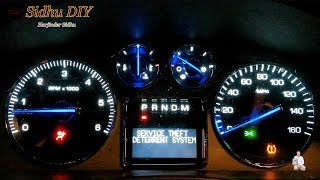
- Security indicator light is illuminated on the instrument panel.
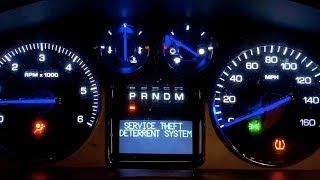
- A 'Service Theft Deterrent System' message appears on the Driver Information Center.
- A 'Theft Attempted' message may appear on the Driver Information Center.
- Replacing the starter motor when the engine doesn't crank. The no-crank condition is a command from the security system, not a failure of the starter itself.
- Replacing the vehicle's main battery without diagnosing the security system first. While a weak battery can be a cause, the presence of B3055 and a security light points specifically to the anti-theft system and should be investigated properly.
Most Likely Causes


- Radio Frequency (RF) Interference 🔴 High Probability A GM Technical Service Bulletin (PIC5650M) specifically warns that many devices can interfere with the key's transponder signal. This includes other car keys, fuel station speed passes, building access cards, aftermarket LED lights, and even some USB phone chargers.
How to confirm: Remove all other keys, fobs, and access cards from the Cadillac key ring. Unplug any aftermarket chargers or devices. Try to start the car with the isolated key.
Typical fix: Keep the vehicle key on a separate ring from other RFID-enabled devices and remove interfering aftermarket electronics.
Est. part cost: $0 - Key Not Fully Extended 🔴 High Probability For models with a flip-out key, GM issued a TSB (PIT5030E) noting that if the key isn't fully locked in the straight position, the transponder may not align correctly with the reader in the ignition, causing an intermittent no-start and setting code B3055.
How to confirm: Remove the key, ensure it is fully extended and locked, then re-insert it and attempt to start the engine.
Typical fix: Ensure the key is fully extended before use.
Est. part cost: $0 - Weak or Dead 12V Vehicle Battery 🔴 High Probability Low system voltage can cause erratic behavior in various electronic modules. The BCM is sensitive to voltage and may incorrectly trigger a security fault like B3055 if the main vehicle battery is failing. The DTC requires battery voltage to be above 9 volts to even run its check.
How to confirm: Test the 12V battery with a multimeter or battery tester. A healthy battery should read approximately 12.6V at rest. A reading below 12.2V indicates a weak battery that needs charging or replacement. A real-world repair case showed a B3055 was accompanied by a battery reading only 10.5V.
Typical fix: Charge or replace the 12V vehicle battery.
Est. part cost: $150-$300 - Defective or Unprogrammed Key 🟡 Medium Probability The transponder chip inside the key fob can fail over time, sometimes intermittently at first. This is also the primary cause if you are trying to use a new, unprogrammed key. A physically broken key can also cause this code.
How to confirm: Try starting the vehicle with a second, known-good key. If the vehicle starts with the spare key, the first key is faulty. A technician can also test the transponder signal directly.
Typical fix: The faulty key needs to be replaced and the new key must be programmed to the vehicle by a dealer or automotive locksmith. In some cases of intermittent failure, cloning the existing chip to a new chip placed in the same key has resolved the issue.
Est. part cost: $150-$400 - Weak Key Fob Battery ⚪ Low Probability While the transponder is passively powered by the car's exciter coil, a very weak fob battery can sometimes cause erratic behavior in the vehicle's entry and security systems, contributing to communication issues.
How to confirm: Replace the battery inside the key fob (typically a CR2032 coin cell).
Typical fix: Replace the key fob battery.
Est. part cost: $5-$10
Rare But Worth Checking
- Faulty Body Control Module (BCM): The BCM is the computer that manages the theft deterrent system. While module failure is less common than key issues, it can be the root cause if all keys fail to work and no interference is present. Symptoms pointing more toward a BCM failure include other unrelated electrical issues, like erratic lights, power windows, or random warning messages. The TSB PIC5650M mentions this as a possibility in conjunction with other codes.
- Damaged Ignition Lock Cylinder Exciter Coil: The exciter coil is a ring around the ignition lock cylinder that energizes the key's transponder. If this coil or its wiring is damaged, it cannot power the key chip, leading to a B3055 code. This is a rare failure but can happen due to physical damage or wear.
Diagnosis Steps
- Check for TSBs: Review TSBs PIC5650M and PIT5030E for detailed information on common non-failure causes.
- Check 12V Battery Voltage: Before deeper diagnosis, ensure the main vehicle battery is fully charged (above 12.4V). A weak battery is a known cause of electronic issues, and the system requires over 9V to operate correctly.
- Isolate the Key: Remove all other keys, fobs, access cards, and especially aftermarket electronics like phone chargers from the vehicle and keychain, as detailed in TSB PIC5650M. Try starting the vehicle again.
- Check Key Position: If you have a flip key, ensure it is fully extended and locked straight before inserting it into the ignition.
- Try a Spare Key: Attempt to start the vehicle with a different, known-good key. If it starts, the first key is the problem.
- Use the Fob Pocket (Push-to-Start models): If your XTS has a keyless start, place the fob in the designated transponder pocket (location is in the owner's manual, often in the center console or glove box). 🎬 Watch: How to start your XTS with a dead fob. This provides a stronger signal that can overcome interference. If the car starts this way, RF interference is the likely culprit.
- Attempt 10-Minute Key Relearn Procedure: As a DIY step, you can try a relearn procedure. Turn the ignition to the 'ON' position (do not start the engine) for 10-15 minutes, or until the security light stops flashing. Turn it 'OFF' for 10 seconds. Repeat this cycle three times. After the third cycle, try to start the engine. 🎬 See a demonstration of the 30-minute key relearn process.
- Scan for Other Codes: Use an OBD-II scanner to check for other related security codes, such as B3060 or B3935, which can help pinpoint the issue.
- Professional Diagnosis: If the above steps fail, the vehicle should be taken to a qualified technician to diagnose the BCM, wiring, and exciter coil. A critical step is to check BCM ground connections, but only after disconnecting the negative battery terminal to prevent module damage.
Parts You'll Likely Need

- Transponder Key Fob
(OEM #22856930 (2013-2015 models, verify with VIN))— This is the most common part to fail. The internal transponder chip (e.g., PCF7936 ID46) can be damaged or the key can lose its programming.
Trusted brands: ACDelco (GM Genuine), Strattec
OEM price range: $150-$300
Aftermarket price range: $75-$150 - Body Control Module (BCM)
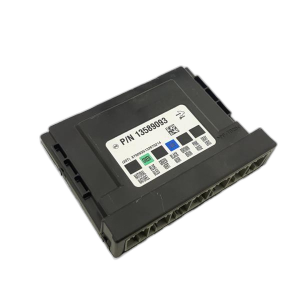
(OEM #13592137 (2015), 13594768 (2014) - Part is VIN specific, always verify.)— A rare but possible cause. The BCM is the control center for the security system and if it fails, it won't be able to recognize any keys. Replacement requires programming or cloning of the original module.
Trusted brands: ACDelco (GM Genuine)
OEM price range: $400-$600
Aftermarket price range: $250-$450
Related Codes That Often Appear With This One
- B3060 — This code relates to the transponder system as well and is often seen with B3055, as noted in TSB PIC5650M, indicating a broader security system communication issue.
- B3935 — Also mentioned in TSB PIC5650M, this code points to a Transponder Authentication Error, reinforcing that the vehicle is struggling to verify the key.
Technical Service Bulletins (TSBs) & Recalls
- PIC5650M: Addresses intermittent no crank/no start/stall with security light on. Lists B3055 as a primary DTC and details numerous sources of RFI, including aftermarket electronics like LED lights and phone chargers.
- PIT5030E: Notes that an intermittent no-crank can be caused by the flip-key not being fully extended and locked, which can set B3055.
Platform-Specific Known Issues
- TSB PIC5650M documents an intermittent no crank, no start, or start/stall condition associated with code B3055. It provides a long list of potential RF interference sources to check, from other keys to aftermarket LED lights.
- TSB PIT5030E identifies that an improperly extended flip-key can cause an intermittent no-crank and set code B3055 in history.
Mechanic-Grade Diagnostic Values
- System Voltage for DTC check — expected: > 9.0 Volts. Failure: If system voltage is below 9.0V, the theft deterrent module may not operate correctly or set the DTC properly.
- Scan Tool Live Data: 'TDM Transponder Key' parameter — expected: Present. Failure: If the parameter reads 'Not Present' when a key is in the ignition, it indicates the key's transponder is not being read.
Scan Tool Commands That Help
- GDS2 / Professional Scan Tool: Immobilizer Data Display: View 'TDM Transponder Key' status. — Use this to confirm if the BCM is detecting the presence of a transponder chip when the key is in the ignition. This helps differentiate between a key problem and a module/wiring problem.
- GM Service Programming System (SPS): K9 Body Control Module - Programming / Setup — This function is required after replacing the BCM to load the correct software and vehicle configuration. The 'Setup' function finalizes the installation.
- Professional Scan Tool: Setup SDM Primary Key in BCM — This may be required after cloning or replacing a BCM if the airbag (SDM) light illuminates, to re-establish the security handshake between the BCM and the airbag module.
Wiring & Ground Locations
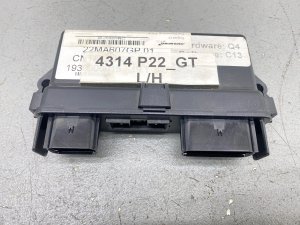
- Body Control Module (BCM) — Located on the left side of the instrument panel, accessible from the driver's footwell.. The BCM is the central module for the immobilizer system. All key data and security logic are processed here.
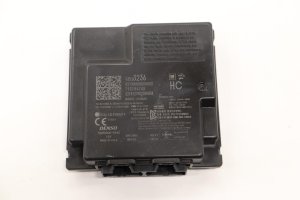
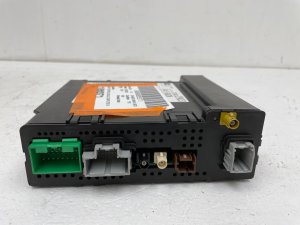
- Immobilizer Control Module / Reader — On some configurations, this is a separate module located inside the driver's door. On others, its function is integrated into the BCM and the exciter coil is around the ignition.. This component is responsible for energizing and reading the key's transponder chip. A wiring issue here directly causes B3055.
- G203 / G305 — Both are ground points located at the base of the left kick panel area.. These are potential ground points for the BCM or related wiring. A poor ground connection here can cause erratic BCM behavior and trigger false security codes.
- G303 — Located under the driver's seat.. This is a major body ground point that services the Body Control Module. Corrosion or looseness here can cause this and other electrical faults.
- BCM Ground Path Warning — Any ground connection for the BCM (e.g., G303, G203).. A GM service bulletin warns that the BCM may suffer internal damage if its ground path is removed while it is still supplied with battery power. The negative battery cable MUST be disconnected before servicing any BCM grounds.
Real Owner Repair Stories
- YouTube channel 'ADD AUTOMOBILE SERVICES' (2013 Chevrolet Equinox (similar GM system)) — Intermittent no-start with security light staying on. Code B3055 was present.
❌ Tried (didn't work) Using the original key would sometimes work and sometimes not, indicating an intermittent failure.
✅ What actually fixed it The technician used a VVDI key tool to read the intermittently failing transponder chip and clone its data onto a new 'super chip'. This new chip was then placed inside the original key fob. This created a redundant, strong signal that permanently fixed the intermittent no-start condition. - Reddit user post in r/Cadillac (2018 Cadillac XTS) — Theft deterrent system activated, preventing the engine from starting after a dead battery and while being jump-started.
❌ Tried (didn't work) Attempting to start the car with jumper cables connected and the hood open.
✅ What actually fixed it The theft system logic would not allow a start with the hood open. The fix was to manually depress the hood latch sensor/pin to make the vehicle's computer believe the hood was closed, allowing the jump-start to be successful.
When the Usual Fixes Don't Work
- While many B3055 codes are caused by simple issues like RF interference or an improperly extended flip key, a legitimate hardware failure within the key's transponder chip itself can cause the same intermittent symptoms. In one documented case on a similar GM vehicle, the original key worked sporadically. The ultimate solution was not to simply remove interference, but to use a specialized tool to clone the failing chip's data onto a new, more reliable chip, which was then installed into the key fob to provide a consistent signal. This confirms that a 'bad key' can be an intermittent electronic failure, not just a dead battery or physical damage.
OEM Part Supersession History
13580690→Unknown— Part revision or supplier change.
Heads up: A used BCM from another vehicle will not work without being professionally cloned or reprogrammed, as it contains the VIN and security information of the donor car.
Model Year Variations Within This Range
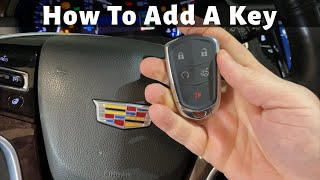
- 2018-2019: The Cadillac XTS received a major refresh in 2018, including a completely updated CUE system and other electronics. Key programming procedures may differ from pre-refresh models, with specific steps for adding a smart key via diagnostic tools noted for 2018+ vehicles.
Helpful Videos
We Have This Part in Stock



The information in this article is provided for general reference and educational purposes only. Vehicle specifications, procedures, and part compatibility can vary by production date, trim level, and region. Always consult your vehicle's factory service manual and verify part numbers before purchasing or performing repairs. Safety-critical components such as airbags, seat belts, and braking systems should be installed by a qualified professional.
- Cadillac XTS:
- 🎬 Helpful Videos
- 🛍️ Shop This Part
- What's Unique About the 2013-2019 Cadillac XTS
- Diagnostic Flowchart
- Symptoms You May Notice
- Most Likely Causes
- Rare But Worth Checking
- Diagnosis Steps
- Parts You'll Likely Need
- Related Codes That Often Appear With This One
- Technical Service Bulletins (TSBs) & Recalls
- Platform-Specific Known Issues
- Mechanic-Grade Diagnostic Values
- Scan Tool Commands That Help
- Wiring & Ground Locations
- Real Owner Repair Stories
- When the Usual Fixes Don't Work
- OEM Part Supersession History
- Model Year Variations Within This Range
- 🎟️ Get 5% Off