

B3055 on 2007-2011 Cadillac STS: Key Not Detected, No Start Causes and Fixes
Code B3055 on a Cadillac STS means the car's security system cannot detect the ignition key. This leads to a no-start condition with the security light on. The most common causes are a faulty key, a weak key or main car battery, or interference from other electronic devices on the keychain.
- B3055 means your Cadillac STS doesn't recognize your key, preventing it from starting.
- Before spending any money, try your spare key and remove all other fobs or cards from your keychain.
- If you have a flip-style key, make sure it's fully locked open before you try to start the car.
- If a new key is needed, it must be professionally programmed to your vehicle; it will not work off the shelf.
What's Unique About the 2007-2011 Cadillac STS
The Cadillac STS, built on the GM Sigma platform, uses a Pass-Key III+ system that is sensitive to interference and key condition. A notable issue, referenced in GM technical service bulletins, is that even the physical orientation of the key in the ignition can cause this code. If a flip-style key is not fully extended and locked, the transponder may be too far from the reader coil in the ignition cylinder, triggering the B3055 code and a no-start condition. Another common issue is radio frequency interference (RFI) from other RFID-enabled cards, fobs, or even aftermarket electronics like phone chargers and LED lights on the same keyring or inside the car.
Diagnostic Flowchart
Tap your situation to follow the diagnostic path that matches what you're seeing on this vehicle.
Symptoms You May Notice
- Engine will not crank or start.
- Engine starts briefly and then stalls.
- Security indicator light is illuminated or flashing on the instrument panel.
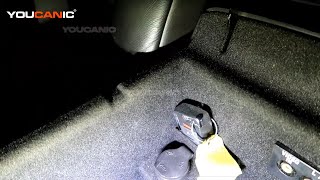
- "Service Theft System" message appears on the Driver Information Center (DIC). 🎬 See how to reset the 'Starting Disabled' theft system message.
- Replacing the starter motor. A no-crank condition caused by the security system is often mistaken for a failed starter. However, if the security light is on, the issue is almost certainly related to the anti-theft system, which is actively preventing the starter from engaging.
Most Likely Causes
- Damaged or Incorrect Ignition Key 🔴 High Probability The transponder chip in the key head is passive (no internal battery) but can be damaged from drops, water, or simple wear. Using a non-PK3+ key or a poorly cloned key will also set this code.
How to confirm: Try starting the vehicle with a spare key. If the spare key works, the original key is faulty. Inspect the key for any visible damage to the head.
Typical fix: Replace the faulty key. A new key must be cut and programmed to the vehicle. This can be done by a dealer or an automotive locksmith with the proper equipment.
Est. part cost: $100-$250 - Radio Frequency (RFID) Interference 🟡 Medium Probability As noted in TSB #PIC5650M, other RFID devices on the keyring (like other car fobs, building access cards, or gas station speed passes) can interfere with the 125 kHz signal from the key's transponder. The bulletin also warns against aftermarket phone chargers, USB power banks, and even decorative 'Bedazzle' trim rings around the ignition.
How to confirm: Remove all other keys, fobs, and cards from the Cadillac key ring. Try to start the vehicle with the key isolated. Unplug any aftermarket chargers or devices from the car's power outlets.
Typical fix: Keep the vehicle key on a separate ring from other RFID-emitting devices. Remove interfering aftermarket electronics.
Est. part cost: $0 - Weak Vehicle Battery 🟡 Medium Probability Modern vehicles like the STS are highly sensitive to system voltage. A weak or failing battery can cause insufficient voltage to power all modules correctly during the startup sequence, leading to communication errors between the Theft Deterrent Module and other components, which can erroneously trigger B3055.
How to confirm: Test the vehicle's battery with a multimeter. A healthy, resting battery should be at or above 12.4V. Check the battery voltage while attempting to crank; if it drops below 10V, the a battery is likely bad.
Typical fix: Charge or replace the vehicle's main battery. The battery for the STS is located in the trunk under the rear passenger-side panel.
Est. part cost: $150-$350 - Incorrect Key Position (Flip Keys) 🟡 Medium Probability A GM service bulletin (PIT5030E) notes that if the flip-style key is not fully extended and locked straight, the transponder may not be positioned correctly to communicate with the ignition's reader coil.
How to confirm: Ensure the key is fully locked in the straight, open position before inserting it into the ignition. If the car starts, this was the issue.
Typical fix: Make sure the key is fully extended before use. Clear the B3055 code from history.
Est. part cost: $0 - Faulty Ignition Lock Cylinder or Reader Coil ⚪ Low Probability The exciter coil (transponder reader) that surrounds the ignition lock cylinder energizes the key's transponder. A break in this coil's wiring or a failure of the coil itself will prevent communication. This is a known issue on older GM vehicles.
How to confirm: A technician can test the resistance and wiring of the reader coil circuit. Some owners report that tapping the dash near the ignition allows the car to start, indicating a loose connection or failing coil. This points directly to a fault in the lock cylinder assembly.
Typical fix: Replace the ignition lock cylinder assembly, which includes the reader coil. The GM part number for some model years is 15825349.
Est. part cost: $150-$300
Rare But Worth Checking
- Faulty Theft Deterrent Module / Body Control Module (BCM): If all available keys fail to start the vehicle, there is no interference, and the ignition cylinder coil tests good, the module responsible for reading the key (TDM) or the central BCM may have failed. This is an uncommon and expensive repair.
Diagnosis Steps
- Verify B3055 is the active code using an OBD-II scanner capable of reading body codes.
- Check the vehicle's main battery voltage. Ensure it is above 12.4V at rest. Charge or replace if necessary before proceeding.
- Remove all other keys, fobs, and RFID cards from the Cadillac key ring and try starting again.
- If you have a flip-key, ensure it is fully extended and locked straight before inserting it into theignition.
- Try starting the vehicle with all available spare keys. If another key works, the first key is faulty.
- Inspect the wiring and connector at the ignition lock cylinder for any signs of damage or looseness. Tapping the area while trying to start can sometimes reveal an intermittent connection.
- If the problem persists, professional diagnosis is needed to test the resistance of the reader coil, check the circuits, and potentially replace and program the Theft Deterrent Module or BCM.
Parts You'll Likely Need
- Ignition Key
(OEM #GM P/N: B111PT (also a cross-reference))— The transponder chip inside the key is the most common point of failure for this code.
Trusted brands: ACDelco, Strattec
OEM price range: $150-$250
Aftermarket price range: $70-$150 - Ignition Lock Cylinder
(OEM #15825349)— The reader coil that energizes the key transponder is integrated into this assembly and can fail, causing a no-read situation.
Trusted brands: ACDelco, Dorman, Standard Motor Products
OEM price range: $200-$300
Aftermarket price range: $100-$180
Related Codes That Often Appear With This One
- B3060 — This code often relates to a failure in the transponder key security system circuit, appearing alongside B3055.
- B3935 — This code indicates a transponder authentication failure, which is part of the same security handshake process as B3055.
- B2955 — Indicates a malfunction in the security system sensor data circuit, pointing to a problem with the communication between the key's transponder and the car's reader.
Technical Service Bulletins (TSBs) & Recalls
- PIC5650M: Addresses intermittent no crank/no start with security light on and DTC B3055, often caused by RFID interference from a huge list of possible sources including other keys, toll passes, and aftermarket chargers.
- PIT5030E: Notes that an intermittent no-crank with B3055 can be caused by a flip-key not being fully extended, preventing the transponder from being read correctly.
Platform-Specific Known Issues
- As per TSB #PIC5650M, the 2007-2011 STS is susceptible to intermittent no-start conditions with code B3055 due to radio frequency interference from other devices on the owner's keychain or even aftermarket electronics plugged into the car.
- A user on CaddyInfo Cadillac Forum with a similar platform vehicle reported that tapping the dashboard near the ignition switch would allow the car to start, which ultimately led to the replacement of the ignition lock cylinder due to a failing reader coil.
Mechanic-Grade Diagnostic Values
- Pass-Key III+ Transponder Check — expected: Unlike older VATS/Pass-key systems with a measurable resistor pellet, the Pass-Key III+ system uses a 125 kHz RFID transponder. There is no simple resistance or voltage value to measure with a standard multimeter. Diagnosis requires a scan tool.. Failure: On a scan tool, the 'TDM Transponder Key' parameter will not read 'Present' or a similar valid status when the key is in the ignition. The security light on the dash will also remain illuminated.
Scan Tool Commands That Help
- Tech 2 / GDS2: VTD Re-Learn (Vehicle Theft Deterrent Re-Learn) — This function is required after replacing the Body Control Module (BCM) or Powertrain Control Module (PCM). It forces the modules to learn the transponder key's password, which is necessary to allow the engine to start.
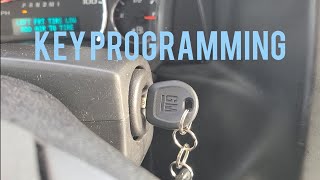
- None (Manual Procedure): 30-Minute Key Relearn Procedure — Used to program a new key when no master key is available or to attempt a system reset. Involves turning the key to 'ON' for 10 minutes, then OFF, repeated three times. The security light should turn off after each 10-minute cycle. This process teaches the TDM the new key's value.
Wiring & Ground Locations
- Instrument Panel Module (IPM) — Located on the right side of the dash, behind the glove box. This is one of the primary modules in the BCM system for this vehicle.. The IPM is a central part of the body control system. Poor connections or failure of this module can cause a variety of issues, including setting a B3055 code.
- G200 — In the passenger compartment, behind the left kick panel.. This is a major interior ground point. A loose or corroded G200 can cause intermittent electrical failures in multiple systems, including the theft deterrent module, leading to communication errors and codes like B3055.
- Engine Block Ground — A main ground cable connecting the engine block to the vehicle's frame.. A poor engine block ground can cause a significant voltage difference between the engine and the chassis. This can lead to low voltage at the underhood fuse block, causing modules powered by it (including the ECM/TDM) to malfunction and potentially set false codes.
Real Owner Repair Stories
- CaddyInfo Cadillac Forum user 'chazglenn3' (2000 Cadillac STS (similar Passkey system)) — Intermittent no-start with 'Service Theft System' message on the DIC. Codes B2955 and B3055 were present.
✅ What actually fixed it The user discovered that tapping on the dashboard around the ignition keyhole would allow the car to start. This confirmed the problem was a loose connection or failing reader coil within the ignition lock cylinder assembly, not a faulty key or module.
OEM Part Supersession History
88952546→15825349— Standard part revision or replacement.
Heads up: GM Part #15825349 has been reported as discontinued, which may require sourcing aftermarket parts or used components.
Model Year Variations Within This Range
- 2007-2011: The Cadillac STS does not use a single, simple Body Control Module (BCM). Its body electronics are managed by multiple modules, primarily the Instrument Panel Module (IPM) and the Rear Integration Module. Diagnosing body codes like B3055 requires understanding that the fault could be in the wiring between these modules, not just at the ignition switch.
Helpful Videos
Used OEM Parts in Stock

New Aftermarket Parts Available


The information in this article is provided for general reference and educational purposes only. Vehicle specifications, procedures, and part compatibility can vary by production date, trim level, and region. Always consult your vehicle's factory service manual and verify part numbers before purchasing or performing repairs. Safety-critical components such as airbags, seat belts, and braking systems should be installed by a qualified professional.
- Cadillac STS:
- 🎬 Helpful Videos
- 🛍️ Shop This Part
- What's Unique About the 2007-2011 Cadillac STS
- Diagnostic Flowchart
- Symptoms You May Notice
- Most Likely Causes
- Rare But Worth Checking
- Diagnosis Steps
- Parts You'll Likely Need
- Related Codes That Often Appear With This One
- Technical Service Bulletins (TSBs) & Recalls
- Platform-Specific Known Issues
- Mechanic-Grade Diagnostic Values
- Scan Tool Commands That Help
- Wiring & Ground Locations
- Real Owner Repair Stories
- OEM Part Supersession History
- Model Year Variations Within This Range
- 🎟️ Get 5% Off