

B3055 on 2008-2012 Cadillac Escalade Hybrid: No-Start, Security Light Causes and Fixes
On a 2008-2012 Escalade Hybrid, code B3055 means the anti-theft system can't read your key, causing a no-start or stall with the security light on. The most common causes are a bad key, radio frequency interference from chargers, or a faulty ignition lock cylinder. Trying your spare key and unplugging all chargers is the first step.
- B3055 means your Escalade's anti-theft system has disabled the engine because it cannot read the key.
- Before any repairs, try your spare key and remove all phone chargers, USB cables, and other fobs from the vehicle and keychain to rule out simple fixes.
- Do not immediately replace the starter or battery; the security light is the crucial clue pointing to an immobilizer issue.
- If a new key or ignition lock cylinder is needed, it will require professional programming to work with your vehicle.
What's Unique About the 2008-2012 Cadillac ESCALADE HYBRID
The GMT900 platform, which this Escalade Hybrid is built on, uses the Passkey III+ anti-theft system. This system is notoriously sensitive to both component failure and, especially, Radio Frequency Interference (RFI). GM has issued multiple versions of Technical Service Bulletin PIC5650, which directly addresses code B3055 and strongly recommends checking for RFI from aftermarket devices like cheap phone chargers, dash cams, or even other RFID access cards on the keychain before replacing any parts. This highlights a common, and often overlooked, cause for this specific no-start condition on these vehicles.
Diagnostic Flowchart
Tap your situation to follow the diagnostic path that matches what you're seeing on this vehicle.
Symptoms You May Notice
- Engine will not crank or start.
- Engine starts and immediately stalls.
- Security indicator light is illuminated or flashing on the dashboard.
- A "Service Theft System" or "Theft Attempted" message may appear on the driver information center (DIC).
- Replacing the starter motor. A no-crank condition caused by the security system will not be fixed with a new starter. The security light is the key differentiator.
- Replacing the 12V battery without proper testing. While low voltage can cause issues, it's not the root cause if the battery is healthy and the B3055 code is present.
Most Likely Causes
- Radio Frequency Interference (RFI) 🔴 High Probability As documented in TSB PIC5650M, the Passkey III+ system is sensitive to interference from common aftermarket devices, especially low-quality, unshielded phone chargers and USB adapters.
How to confirm: Remove all aftermarket devices from the vehicle (phone chargers, dash cams, USB cables) and remove all other keys, fobs, and RFID access cards from the Escalade's keychain. Attempt to start the vehicle again.
Typical fix: Identify and remove the source of the interference. Owners on forums frequently report that a cheap gas station charger was the culprit.
Est. part cost: $0 - Defective or Damaged Ignition Key 🔴 High Probability The transponder chip inside the key can be damaged from being dropped, the key housing can crack, or the chip can fail with age.
How to confirm: Try starting the vehicle with a known-good spare key. If the vehicle starts and runs normally with the spare, the original key is faulty.
Typical fix: Replace the faulty key. The new key must be cut and programmed to the vehicle by a dealer or qualified automotive locksmith.
Est. part cost: $70-$200 - Faulty Ignition Lock Cylinder / Reader Coil 🟡 Medium Probability The exciter coil that reads the key's transponder is a common wear item. It is housed with the ignition lock cylinder. Intermittent failures, such as needing to wiggle the key to start, often point to this part.
How to confirm: If multiple known-good keys fail to start the vehicle and RFI has been ruled out, the reader coil is the next likely suspect. This requires testing the circuit with a multimeter or using a scan tool to observe key data. A common symptom is the ability to start the vehicle by wiggling the key in the ignition.
Typical fix: Replace the ignition lock cylinder assembly, which includes the reader coil. This repair requires a security relearn procedure.
Est. part cost: $80-$300 - Low Vehicle Battery Voltage ⚪ Low Probability Complex electrical systems in modern vehicles, including hybrids, are sensitive to low voltage, which can cause communication errors between modules like the BCM.
How to confirm: Test the 12V battery with a multimeter. A resting voltage below 12.4V indicates a weak battery. Ensure voltage does not drop below 10V during a crank attempt.
Typical fix: Charge or replace the weak 12V battery.
Est. part cost: $150-$350
Rare But Worth Checking
- Faulty Body Control Module (BCM): This is a last resort after all other possibilities (key, RFI, reader coil, wiring) have been exhausted. A failing BCM will often cause other strange electrical issues with lights, windows, or other accessories.
- Flip Key Not Fully Extended: Some GM TSBs (like PIT5030E) note that if the switchblade-style key is not fully locked in the open position, it can be misaligned with the reader coil, causing an intermittent B3055.
- Damaged Wiring or Connector: The wiring harness leading to the ignition lock cylinder can become damaged or loose within the steering column. TSB PIC5650 also advises checking for bent or backed-out terminals in the 6-way connector at the switch.
Diagnosis Steps
- Scan the Body Control Module (BCM) for codes. Confirm B3055 is active or in history.
- Remove all items from the keychain except the single ignition key. Unplug all aftermarket phone chargers, dash cams, and USB devices from the vehicle.
- If you have a flip-key, ensure it is fully extended and locked in the straight position.
- Attempt to start the vehicle. If it starts, the issue was RFI or key position.
- If it does not start, try a known-good spare key. If the spare key works, the original key is defective and needs to be replaced and programmed.
- If all keys fail, check the vehicle's 12V battery voltage to ensure it is above 12.4V at rest.
- Inspect the wiring and 6-way connector at the ignition lock cylinder for any visible damage, looseness, or bent terminals.
- If all the above steps fail, the issue is likely a faulty ignition lock cylinder/reader coil or, more rarely, the BCM itself. This level of diagnosis requires professional tools.
- If a new key or ignition lock cylinder is installed, perform the '30-Minute Security Relearn Procedure': Turn the key to ON (don't start) and wait for the security light to turn off (approx. 10-11 mins). Turn key OFF for 5-10 seconds. Repeat this process two more times for a total of 3 cycles (~30 minutes). After the third cycle, turn the key off, then the vehicle should start, learning the new component.
Parts You'll Likely Need
- Transponder Ignition Key
(OEM #Example: GM 25836211 / Strattec 5912561 (Verify by VIN))— The internal transponder chip is a very common failure point, leading directly to the B3055 code.
Trusted brands: ACDelco, Strattec
OEM price range: $100-$200
Aftermarket price range: $30-$120 - Ignition Lock Cylinder with Transceiver
(OEM #25832354 (ACDelco D1496F))— If multiple keys fail and RFI is not the cause, the transceiver coil that reads the key is the next most likely part to have failed. It is sold with the lock cylinder.
Trusted brands: ACDelco, Dorman, Locksmart
OEM price range: $150-$300
Aftermarket price range: $80-$180
Related Codes That Often Appear With This One
- B3060 — Often appears with B3055 as it relates to the BCM/TDM's inability to properly identify the key transponder. It is listed as a related code in TSB PIC5650M.
- B3935 — Means 'Transponder Authentication Failed' and can be set during the same fault event. It is also mentioned in TSB PIC5650M.
- P0513 — This is an ECM code for 'Incorrect Immobilizer Key'. It can be set when the BCM tells the engine computer there is a security problem due to the B3055 fault.
Technical Service Bulletins (TSBs) & Recalls
- PIC5650M: Addresses intermittent no crank, no start, or start stall with security light on. Lists B3055 as a primary DTC and strongly suggests checking for Radio Frequency Interference (RFI) from aftermarket devices before replacing any components.
- PIT5030E: Notes that for vehicles with a flip-style key, if the key is not fully extended and locked, it can be angled incorrectly in the ignition and fail to be read, causing an intermittent B3055.
Platform-Specific Known Issues
- This vehicle is subject to the conditions described in GM Technical Service Bulletin #PIC5650M (and its later revisions). This TSB details how intermittent no-crank, no-start, or start-stall conditions with code B3055 are often caused by Radio Frequency Interference (RFI) from aftermarket electronic devices plugged into the vehicle or other RFID cards on the keychain.
Mechanic-Grade Diagnostic Values
- Passkey III+ Exciter Coil Operating Frequency — expected: Nominal 125 kHz or 131 kHz. Failure: No signal or incorrect frequency when viewed with an oscilloscope or frequency counter near the ignition cylinder.
- Transponder Reply Modulation Frequency — expected: 2 kHz modulation on top of the carrier frequency. Failure: Absence of the 2 kHz modulation when the key is in the ignition and energized.
Hidden / Shadow Codes Worth Checking
- B2955: Security Sensor Data Circuit Fault. This code points more specifically to a problem in the wiring between the ignition lock cylinder's reader coil and the Body Control Module (BCM). (see via Professional scan tool with access to Body Control Module (BCM) fault codes.)
- B3055 (History): If B3055 is only found in history codes, it could indicate an intermittent issue like a flip-key not being fully extended during a previous start attempt. (see via Scan tool capable of reading history DTCs from the BCM.)
Scan Tool Commands That Help
- GM GDS2 / Tech2: Data Display: TDM Transponder Key Parameter — Use this to verify if the BCM is recognizing a key as 'Present' or 'Not Present'. Testing all available keys this way can quickly determine if the fault is with one specific key or the vehicle's reader system.
- GM GDS2 / Techline Connect (SPS2): Immobilizer Learn / Add Key — This function is required after replacing an ignition key or the BCM to program the new component's security information into the vehicle's memory.
- GM GDS2 / Techline Connect (SPS2): BCM Programming/Setup — This is required after replacing the entire Body Control Module. It programs the vehicle's VIN and specific security configuration into the new module before key learning can be performed.
Wiring & Ground Locations
- Body Control Module (BCM) — Located behind the driver's side of the dashboard, sometimes accessible after removing the lower instrument panel trim.. The BCM is the control center for the Passkey III+ anti-theft system. All signals from the ignition reader coil are sent here for validation. A loose connector or internal BCM fault is a possible cause of B3055.
- BCM Ground Path — The BCM's primary ground path runs through the Left Instrument Panel Junction Block.. GM issued a specific bulletin (07-08-47-004D) warning technicians not to disconnect this ground path while the battery is connected, as it can cause internal damage to the BCM. An intermittent ground here can cause a host of issues, including B3055.
- Ignition Cylinder Harness Wires — In the wiring harness connecting the ignition lock cylinder to the BCM.. The Yellow wire is the signal wire carrying the transponder data, and the Black wire is the ground reference. A break, short, or poor connection on these specific wires will directly cause a B3055 fault.
Real Owner Repair Stories
- Go-Parts.com repair summary (2007-2011 Chevrolet Express (GMT610 platform relative)) — No-start condition with code B3055.
❌ Tried (didn't work) Not specified, but implied that replacing the entire ignition lock cylinder assembly was the next expected step.
✅ What actually fixed it The owner replaced only the black electrical switch component on the end of the ignition lock cylinder housing (ACDelco D1403G), not the entire mechanical housing. This isolated the failure to the electronic reader portion of the assembly and resolved the problem.
When the Usual Fixes Don't Work
- While the '30-Minute Security Relearn Procedure' is a valid step for resolving software glitches or learning new components, forum and owner experiences suggest it is often only a temporary fix if the root cause is a physically failing part, such as the ignition lock cylinder's reader coil. The B3055 code may disappear for a few days or weeks but will likely return as the component's internal wiring continues to degrade, eventually requiring part replacement for a permanent solution.
OEM Part Supersession History
12458191, 12533953, 15822350, 19168637→25832354 (ACDelco D1496F)— Part consolidation and revision over time.
Heads up: The listed part numbers are for the ignition lock cylinder assembly. While the fitment is for many GM vehicles, always verify the exact part number by VIN before ordering.
Model Year Variations Within This Range
- 2008-2012: No significant variations in the Passkey III+ anti-theft system have been identified within this specific model year range for the Escalade. The system and its common failure points are consistent across the GMT900 platform on which these vehicles are based.
Used OEM Parts in Stock



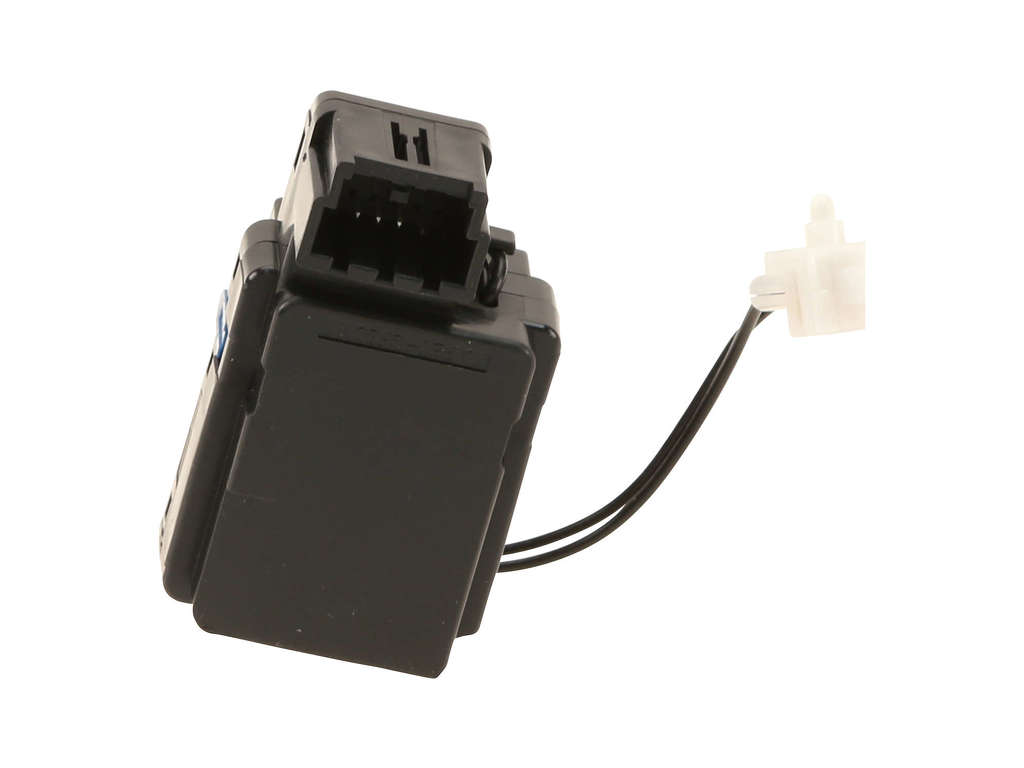
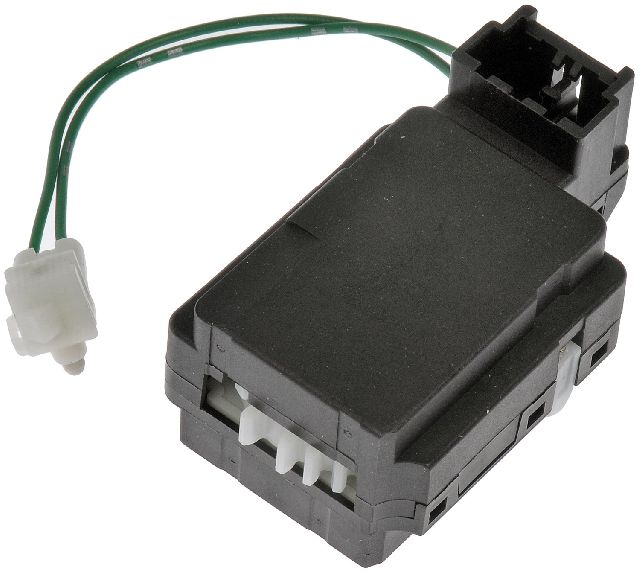
New Aftermarket Parts Available


The information in this article is provided for general reference and educational purposes only. Vehicle specifications, procedures, and part compatibility can vary by production date, trim level, and region. Always consult your vehicle's factory service manual and verify part numbers before purchasing or performing repairs. Safety-critical components such as airbags, seat belts, and braking systems should be installed by a qualified professional.
- Cadillac ESCALADE HYBRID:
- 🛍️ Shop This Part
- What's Unique About the 2008-2012 Cadillac ESCALADE HYBRID
- Diagnostic Flowchart
- Symptoms You May Notice
- Most Likely Causes
- Rare But Worth Checking
- Diagnosis Steps
- Parts You'll Likely Need
- Related Codes That Often Appear With This One
- Technical Service Bulletins (TSBs) & Recalls
- Platform-Specific Known Issues
- Mechanic-Grade Diagnostic Values
- Hidden / Shadow Codes Worth Checking
- Scan Tool Commands That Help
- Wiring & Ground Locations
- Real Owner Repair Stories
- When the Usual Fixes Don't Work
- OEM Part Supersession History
- Model Year Variations Within This Range
- 🎟️ Get 5% Off