

B3055 on 2007-2011 Cadillac CTS-V: Security Light, No-Start Causes and Fixes
On a 2007-2011 Cadillac CTS-V, code B3055 means the anti-theft system cannot read the key's transponder chip, causing a no-start or stalling condition. The most common causes are a faulty key, radio frequency interference from other devices on your keychain, a weak vehicle battery, or a faulty ignition lock cylinder (exciter coil).
- B3055 means your CTS-V's security system cannot read your key, which disables the engine.
- Before any expensive repairs, try the simple fixes: use your spare key, remove all other fobs and chargers from the car, and ensure the vehicle battery is fully charged.
- If a new key or module is needed, it will require professional programming from a dealer or qualified automotive locksmith.
- Do not mistake this security issue for a bad starter motor; the illuminated security light is the key symptom pointing to the anti-theft system.
What's Unique About the 2007-2011 Cadillac CTS-V
The 2007-2011 year range covers two distinct CTS-V generations: the end of the first generation (2007) and the start of the second (2009-2011). Both use GM's Passkey III+ (PK3+) immobilizer system, which is known to be sensitive. A key issue, highlighted in multiple versions of GM Technical Service Bulletin PIC5650, is the system's susceptibility to Radio Frequency Interference (RFI) from devices like phone chargers, toll passes, or even other RFID cards on the same keychain. This interference can mimic a component failure and cause an intermittent no-start that is difficult to replicate. Owners often report a frustrating no-start or start-and-stall condition that can be difficult to replicate.
Diagnostic Flowchart
Tap your situation to follow the diagnostic path that matches what you're seeing on this vehicle.
Generation note: The specified range covers the first-generation CTS-V (ending in 2007) and the second-generation (starting in 2009). There was no 2008 CTS-V model. While both generations use a similar Passkey III+ system, part numbers for keys and ignition components differ. The fundamental causes and diagnostic steps are largely the same. The 2nd generation uses a flip-style key that can cause this issue if not fully extended.
Symptoms You May Notice
- Intermittent no-crank or no-start condition.
- Engine starts and immediately stalls.
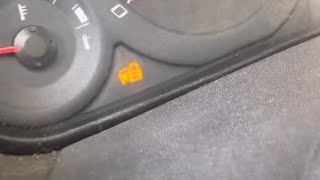
- Security indicator light is illuminated 🎬 Watch: What to do when the anti-theft lock symbol appears or flashing on the instrument panel.
- "Service Theft System" message on the Driver Information Center (DIC).
- With a professional scan tool, symptom bytes like 'B3055 00' (No Transponder) or 'B3055 5A' (Plausibility Failure) may be present, with the latter often pointing to RFI.
- Starter Motor: A no-crank condition with a security light is almost never a bad starter. The security system is electronically preventing the starter from being engaged.
- Fuel Pump: While the engine may not get fuel, replacing the pump is incorrect. The security system tells the ECM to disable fuel, but the root cause is the key not being recognized.
Most Likely Causes
- Radio Frequency Interference (RFI) 🔴 High Probability TSB #PIC5650M and its successors specifically call out RFI as a primary cause for this code across many GM vehicles. The Passkey III+ system's 125 kHz frequency is easily 'jammed' by aftermarket phone chargers, LED lights, toll passes, and other key fobs on the same ring.
How to confirm: Remove all other keys, fobs, RFID access cards, and aftermarket electronics (like phone chargers or dash cams) from the vehicle and keychain. Attempt to start the vehicle with only the single CTS-V key.
Typical fix: Isolate and remove the source of interference from the vehicle or keychain. No parts are required.
Est. part cost: $0 - Defective or Damaged Ignition Key 🔴 High Probability The transponder chip embedded in the key can fail internally, or the key's physical housing can become worn or damaged, preventing it from being read correctly. For 2nd-gen flip keys, not fully extending the blade is a known cause.
How to confirm: Attempt to start the vehicle with a second, known-good spare key. If the vehicle starts and runs with the spare key, the original key is faulty. Also, ensure any flip-key is fully locked straight.
Typical fix: Replace the faulty key. The new key must be cut and programmed to the vehicle by a dealer or qualified automotive locksmith.
Est. part cost: $70-$250 - Weak or Failing Vehicle Battery 🟡 Medium Probability Low system voltage can cause communication errors between modules. The Theft Deterrent Module requires a stable voltage (typically above 9.0V) to operate correctly. A real-world repair story noted a B3055 was caused by a battery at only 10.5V.
How to confirm: Test the 12V vehicle battery with a multimeter. A healthy battery should read at least 12.4V at rest. A reading below this indicates it needs charging or replacement.
Typical fix: Charge or replace the vehicle's 12V battery.
Est. part cost: $150-$300 - Faulty Ignition Lock Cylinder / Exciter Coil ⚪ Low Probability The exciter coil is the antenna that powers the key's transponder. This coil or its wiring can fail, preventing the key from being energized and read. A CaddyInfo forum member reported fixing their B3055 by addressing a loose connection in this area, confirmed by tapping the dash near the ignition.
How to confirm: If multiple known-good keys fail to start the vehicle and RFI has been ruled out, the issue is likely with the car's reader. A scan tool can monitor the key status data; if it always shows 'Not Present', the exciter coil is a likely suspect. Tapping the dash near the ignition and having the car start is a strong indicator of a loose connection or failing coil.
Typical fix: Replace the ignition lock cylinder which typically houses the exciter coil. This part requires steering column disassembly to access. A 30-minute key relearn procedure is often required after replacement.
Est. part cost: $80-$300
Rare But Worth Checking
- Faulty Body Control Module (BCM) or Theft Deterrent Module (TDM): This is rare and should only be considered after all other possibilities (key, battery, RFI, wiring, exciter coil) have been exhaustively ruled out. Module failure is an expensive misdiagnosis.
- Switchblade Key Not Fully Extended: TSB #PIT5030E and other GM documents note that if the flip-key (used on 2nd Gen CTS-V) is not fully extended and locked into the straight position, it can cause a misalignment with the exciter coil, leading to a B3055 code.
Diagnosis Steps
- Check for a security light on the dashboard and note any messages on the DIC.
- Scan for all DTCs, paying special attention to other B-codes like B3060 and B3935.
- Remove ALL items from the vehicle's keychain, including other fobs, RFID cards, and metal objects. Unplug all aftermarket accessories like phone chargers and dash cams.
- If you have a flip-key (2009-2011 models), ensure it is fully extended and locked straight before inserting it.
- Try to start the vehicle with a known-good spare key. If the spare key works, the primary key is faulty.
- Test the main 12V vehicle battery. Ensure voltage is above 12.4V. Low voltage is a known cause of this code.
- If all keys fail and interference is ruled out, attempt the GM 30-Minute Relearn Procedure: Turn the key to 'ON' (engine off) for about 10 minutes, until the security light goes out. Turn the key OFF for 10 seconds. Repeat this process two more times for a total of three 10-minute cycles. After the third cycle, the key should be relearned.
- If the relearn fails, the problem lies with the vehicle. A professional will need to use a scan tool to monitor the key status in the BCM/TDM and test the ignition lock cylinder's exciter coil and wiring.
Parts You'll Likely Need
- Transponder Ignition Key
(OEM #Gen 1 (2007): GM 16263074-99 (FCC ID: L2C0005T). Gen 2 (2009-2011): GM 20998254 / 20866681 (FCC ID: OUC6000066))— The internal transponder chip is the most common failure point. If a spare key works, the original key is bad. A new key must be professionally programmed.
Trusted brands: ACDelco, Strattec
OEM price range: $100-$200
Aftermarket price range: $30-$120 - Ignition Lock Cylinder with Transceiver
(OEM #ACDelco 20869121 (or Dorman 924-718, Standard Motor Products US643L for some applications))— If multiple keys fail to work and interference is not the issue, the transceiver coil (exciter) that reads the key is the next most likely part to have failed. It is often sold with the lock cylinder.
Trusted brands: ACDelco, Dorman
OEM price range: $150-$300
Aftermarket price range: $80-$180
Related Codes That Often Appear With This One
- B3060 — This code for 'Unprogrammed Key Transponder' often appears with B3055, indicating the system sees a key but cannot validate its programming.
- B3935 — Means 'Transponder Authentication Failed' and can be set along with B3055 during a communication fault between the key and the module.
- P0513 — This is an ECM code for 'Incorrect Immobilizer Key'. It gets set when the BCM/TDM tells the engine computer there is a security problem due to the B3055 fault.
Technical Service Bulletins (TSBs) & Recalls
- PIC5650M: Addresses intermittent no crank, no start, or start stall with security light on. Lists B3055 as a primary DTC and strongly suggests checking for Radio Frequency Interference.
- PIT5030E: Notes that an intermittent no-crank with B3055 can be caused by the flip key not being fully extended.
Platform-Specific Known Issues
- The GM Passkey III+ system is highly sensitive to Radio Frequency Interference, as documented in TSB PIC5650M. This can be caused by phone chargers, toll passes, or other key fobs on the same ring.
- For 2nd generation models (2009-2011) with a flip-key, failure to fully extend the key blade can cause a B3055 code per TSB PIT5030E.
Hidden / Shadow Codes Worth Checking
- B3055 00: No Sub Type Information. This is the most common symptom byte and indicates the BCM/TDM received no signal at all from the key's transponder. (see via GM Tech2, GDS2, or other professional-grade scan tools capable of reading manufacturer-specific symptom bytes.)
- B3055 5A: Plausibility Failure. This indicates the BCM/TDM received a signal, but it was illogical, corrupt, or invalid. This often points toward strong Radio Frequency Interference (RFI) or an intermittent failure of the chip inside the key. (see via GM GDS2 or other professional-grade scan tools.)
Scan Tool Commands That Help
- GM Tech2 / GDS2: Immobilizer Data / TDM Data — Use this to monitor the 'TDM Transponder Key' or 'Transponder Key State' parameter in the BCM/TDM live data. When a valid key is turned, it should change from 'Not Present' to 'Present'. If it remains 'Not Present' for all known-good keys, it strongly points to a failed exciter coil in the ignition lock cylinder.
- GM SPS (Service Programming System): BCM Setup/Programming or Add/Replace Keys — This is required after replacing the Body Control Module (BCM) or when adding new keys to the system. It programs the new components and keys to the vehicle's immobilizer.
Wiring & Ground Locations
- BCM (Body Control Module) — Located in the driver's footwell, directly above the accelerator pedal.. The BCM is the central module that manages the Passkey III+ anti-theft system on later models in this range. All security communication and key validation signals are processed here. A poor connection or a faulty BCM can be the root cause of B3055.
- G201 — Located on the right kick panel area.. This is a major ground point for various interior electronics. A GM corporate bulletin warns that removing a BCM ground path while the module is powered can cause internal damage to the BCM. Ensuring this ground is clean and tight is a critical step if BCM issues are suspected.
- TDM (Theft Deterrent Module) — On earlier models, this may be a separate module often located on or near the ignition lock cylinder housing itself. On later models, its function is integrated into the BCM.. The TDM is the module that directly receives the signal from the key's transponder via the exciter coil. It makes the decision to allow the engine to start or not.
Real Owner Repair Stories
- YouTube channel 'ADD AUTOMOBILE SERVICES' (2013 Chevrolet Equinox (similar GM Passkey III+ system)) — Intermittent no-start with security light on, code B3055 present.
❌ Tried (didn't work) Continuing to use the original key, which would sometimes work and sometimes fail.
✅ What actually fixed it A technician used a VVDI Key Tool to clone the data from the intermittently failing original transponder chip onto a new 'super chip'. This new chip was then installed into the original key housing, resolving the intermittent communication failure.
OEM Part Supersession History
15282624, 15825311, 15918809, 19207816, 25848845, and others→20869121— Part consolidation and design updates over a long production run covering many GM models.
Heads up: Part 20869121 is an uncoded ignition lock cylinder that fits a wide range of GM vehicles from 2003-2015, including the 2008-2014 CTS. It requires programming with specialized tools after installation.
Model Year Variations Within This Range
- 2007 (Gen 1) vs. 2009-2011 (Gen 2): The first generation uses a traditional separate key and fob, while the second generation uses a flip-style key. The flip key is subject to TSB PIT5030E, where not fully extending the blade can cause a B3055 code, a failure mode not present on the Gen 1 key.
- Early vs. Late in range: On earlier models (approx. 2007-2009), security functions may be handled by a separate Theft Deterrent Module (TDM). On later models, these functions are typically integrated directly into the Body Control Module (BCM). This affects diagnosis, as a technician would be looking for a different physical module depending on the year.
Helpful Videos
We Have This Part in Stock


The information in this article is provided for general reference and educational purposes only. Vehicle specifications, procedures, and part compatibility can vary by production date, trim level, and region. Always consult your vehicle's factory service manual and verify part numbers before purchasing or performing repairs. Safety-critical components such as airbags, seat belts, and braking systems should be installed by a qualified professional.
- Cadillac CTS-V:
- 🎬 Helpful Videos
- 🛍️ Shop This Part
- What's Unique About the 2007-2011 Cadillac CTS-V
- Diagnostic Flowchart
- Symptoms You May Notice
- Most Likely Causes
- Rare But Worth Checking
- Diagnosis Steps
- Parts You'll Likely Need
- Related Codes That Often Appear With This One
- Technical Service Bulletins (TSBs) & Recalls
- Platform-Specific Known Issues
- Hidden / Shadow Codes Worth Checking
- Scan Tool Commands That Help
- Wiring & Ground Locations
- Real Owner Repair Stories
- OEM Part Supersession History
- Model Year Variations Within This Range
- 🎟️ Get 5% Off