

B3055 on 2007-2014 Cadillac CTS: Key, Security System, and No-Start Fixes
Code B3055 on a 2007-2014 Cadillac CTS means the car's security system cannot read the transponder chip in your key. This will cause a no-start or intermittent start-stall condition. The most common fix is a faulty key, but it can also be the ignition switch, external RFID interference, or related wiring.
- B3055 means your car cannot read your key's security chip, which disables the engine.
- Before any expensive repairs, try your spare key. If it works, the first key is bad.
- Remove all other RFID cards, fobs, and toll passes from your keychain, as they are a known cause of interference.
- Ensure your switchblade key is fully locked in the straight position before inserting it into the ignition.
- If keys and interference are ruled out, the next most likely cause is the ignition lock cylinder/exciter coil, followed by wiring or the control module itself.
What's Unique About the 2007-2014 Cadillac CTS 🎬 Watch: Common mechanical issues for the 2nd Gen CTS
The 2007-2014 Cadillac CTS uses GM's Passkey III+ (PK3+) immobilizer system. While effective, this system is sensitive to interference and component failure. A GM Technical Service Bulletin (TSB) notes that external RFID devices on the same keychain, such as building access cards or gas station fobs, can interfere with the key's signal and trigger a B3055 code. Owners often experience this as a frustrating intermittent no-start that can be hard for a shop to replicate if the interfering device isn't present. Another documented issue, covered in TSB PIT5030E, relates to the switchblade-style key; if the key is not fully extended and locked in the straight position, it can be misaligned with the exciter coil, causing a no-read condition and setting a B3055.
Diagnostic Flowchart
Tap your situation to follow the diagnostic path that matches what you're seeing on this vehicle.
Generation note: The 2007-2014 range covers the end of the first-generation CTS (2007) and the full second generation (2008-2014). Both generations use a similar Passkey III+ system, and the causes and diagnostic procedures for B3055 are largely the same across this period. The provided TSBs like #PIC5650M cover models from both generations, indicating a shared vulnerability.
Symptoms You May Notice
- Engine will not crank or start
- Engine starts briefly then immediately stalls
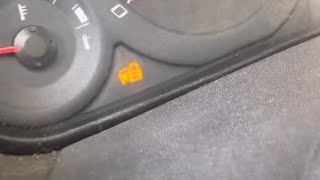
- Security or anti-theft light is illuminated or flashing on the dashboard
- "Service Theft System" message on the Driver Information Center (DIC)
- "Theft Attempted" message on the DIC
- Starter Motor
- Fuel Pump
- Ignition Switch (electrical portion)
Most Likely Causes
- Defective or Damaged Key Transponder 🔴 High Probability The transponder chip in the key head can be damaged from being dropped, exposed to moisture, or simply fail internally over time. A broken key blade or damaged key fob housing is a strong indicator of internal damage. The switchblade mechanism can also wear, causing the key to be improperly aligned in the ignition.
How to confirm: Try starting the vehicle with a known-good spare key. If the spare key works consistently, the original key is faulty. A scan tool can also show if the key's transponder is 'Present' or 'Not Present'; if it shows 'Not Present' for only one key, that key is bad.
Typical fix: Replace the faulty key. A new key must be cut and programmed to the vehicle by a dealer or an automotive locksmith with the proper equipment.
Est. part cost: $100-$300 - Interference from Other RFID Devices 🟡 Medium Probability As noted in multiple versions of GM TSB #PIC5650, other RFID cards or fobs on the keychain can block or 'jam' the 125 kHz signal between the key and the car's exciter coil. This includes building access cards, gas station speed passes, and even keys from other vehicles.
How to confirm: Remove all other keys, fobs, and cards from the Cadillac key ring. Try starting the vehicle with the key isolated. If the car starts reliably this way, interference was the issue.
Typical fix: Keep other RFID-enabled devices on a separate keychain from the car key. No parts are required.
Est. part cost: $0 - Faulty Ignition Lock Cylinder or Exciter Coil 🟡 Medium Probability The exciter coil is a small ring around the ignition lock cylinder that powers the key's transponder. This coil or its wiring can fail, preventing it from energizing the key. The cylinder itself is a mechanical part that can wear out.
How to confirm: This requires diagnostic testing. A technician will check for resistance and voltage at the Theft Deterrent Module (TDM) connector to verify the integrity of the exciter coil circuit according to the factory service manual. If the circuit is open or has high resistance, the component is faulty.
Typical fix: Replace the ignition lock cylinder, which typically includes the exciter coil. The new component may need to be programmed to the vehicle.
Est. part cost: $150-$400 - Improper Key Position (Switchblade Keys) ⚪ Low Probability As documented in TSB PIT5030E, the switchblade key must be fully extended and locked to align properly with the exciter coil. If the button is accidentally pressed while inserting the key, or if the hinge is worn, the key head can be angled down, causing a read failure and setting a B3055.
How to confirm: If a no-start occurs, remove the key, ensure it is fully locked in the straight-out position, and re-insert it. If the vehicle then starts, this was the likely cause.
Typical fix: Educate the driver on proper key usage. If the key is worn and will not stay locked, it must be replaced.
Est. part cost: $0 - $300 - Low Vehicle Battery Voltage ⚪ Low Probability Like many electronic modules, the Theft Deterrent Module requires a stable voltage above 9-10V to operate correctly. A weak or failing battery can cause erratic behavior and communication failures across various modules, including the TDM.
How to confirm: Test the battery's state of charge and health. A voltage below 12.4V at rest or below 10V during cranking indicates a problem.
Typical fix: Charge or replace the vehicle battery.
Est. part cost: $150-$250
Rare But Worth Checking
- Faulty Theft Deterrent Module (TDM) or Body Control Module (BCM): This is the least likely cause. The diagnostic procedure in the service manual states to only replace the module after all other possibilities (keys, wiring, ignition cylinder) have been definitively ruled out. The service manual procedure suggests replacing the TDM if all available keys fail to be read by the scan tool.
- Wiring Harness Fault: A short to ground or an open/high resistance in the wiring between the exciter coil and the TDM/BCM can prevent the key from being read. This requires manual circuit testing with a multimeter to diagnose.
Diagnosis Steps
- Scan the vehicle for all DTCs. Confirm B3055 is present and note if it is current or history.
- Question the driver about any other items on their keychain (RFID cards, other fobs, toll passes, etc.).
- Remove all other items from the vehicle's key ring and re-test. Ensure the key is fully extended and locked straight.
- Attempt to start the vehicle with a second, known-good key. If it starts, the first key is faulty.
- If both keys fail, use a scan tool to monitor the 'TDM Transponder Key' parameter. If it reads 'Not Present' for all keys, the issue is likely with the car (exciter coil, wiring, or TDM). If it reads 'Not Present' for only one key, that key is confirmed bad.
- Inspect the wiring and connector at the ignition lock cylinder and the Theft Deterrent Module (TDM) or Body Control Module (BCM) for damage or corrosion. The TDM is often located on the end of the ignition lock cylinder housing.
- Using a multimeter, perform resistance and voltage checks on the exciter coil circuit according to the factory service manual. Check for less than 10 ohms between the ground circuit and a known-good ground, and check for opens or shorts on the signal wire.
- If all wiring and components test good, the final step is to suspect the TDM/BCM itself. This is a last resort.
Parts You'll Likely Need
- Transponder Ignition Key — The chip inside the key is the most common point of failure for this code.
Trusted brands: ACDelco, Strattec
OEM price range: $100-$200
Aftermarket price range: $50-$120 - Ignition Lock Cylinder with Exciter Coil
(OEM #ACDelco 20869121)— If the key is not the problem, the coil that reads the key is the next most likely component to fail. This part often comes as a set.
Trusted brands: ACDelco, Dorman (924-718), Standard Motor Products (US643L)
OEM price range: $60-$90
Aftermarket price range: $
Related Codes That Often Appear With This One
- B3060 — This code, 'Security System Sensor Data Incorrect but Valid,' often appears with B3055 as it indicates a problem within the same security handshake process.
- B3935 — This code relates to transponder authentication failure and is also listed in TSB #PIC5650M as being related to the same no-start condition.
Technical Service Bulletins (TSBs) & Recalls
- PIC5650M: Addresses intermittent no crank/no start conditions with security light on, specifically mentioning DTC B3055 and the potential for RFID interference from items on the keychain.
- PIT5030E: Provides a diagnostic tip for an intermittent no-crank where the switchblade key is not fully extended, causing a read error that can log a B3055 in history.
- PIE0232: An engineering information bulletin requesting data from vehicles with B3055 (among others) to determine the root cause, indicating it was a known issue being investigated.
Platform-Specific Known Issues
- Interference from external RFID devices on the keychain is a documented issue that can mimic a component failure, as highlighted in multiple versions of TSB PIC5650.
- The switchblade key not being fully extended can cause a misalignment with the exciter coil, leading to a B3055 code, as per TSB PIT5030E.
Scan Tool Commands That Help
- Tech2/GDS2: Immobilizer Key Learn — This function is required to program new keys to the vehicle's Theft Deterrent Module (TDM) or Body Control Module (BCM) after replacing a key or module.
- Tech2/GDS2: TDM/BCM Programming — When replacing the Theft Deterrent Module or Body Control Module, it must be programmed to the vehicle using the GM service programming system.
- Tech2/GDS2: Parameter Display: TDM Transponder Key / BCM Key Part Number — During diagnosis, monitoring this parameter while trying different keys can confirm if the vehicle is seeing the key. If the parameter reads 'Not Present' for one key but 'Present' for another, the first key is bad.
- Manual Relearn (No Scan Tool): 30-Minute Relearn Procedure — If a new key or module is installed without access to a GM scan tool, this manual procedure can be used. It involves cycling the key in the ignition for three consecutive 10-minute intervals. All existing keys will be erased and must be relearned during this process.
Wiring & Ground Locations
- Theft Deterrent Module (TDM) — The TDM is typically integrated with or located directly on the end of the ignition lock cylinder housing, inside the steering column.. This module receives the signal from the key's transponder via the exciter coil. All diagnostic paths for B3055 lead to or from this module.
- Body Control Module (BCM) — On the Cadillac CTS, the BCM is located inside the car, under the rear seat.. In some configurations, the BCM takes over the functions of the TDM. It processes the key signal and communicates with the ECM to enable or disable starting.
- Ignition Switch Connector — Located on the ignition lock cylinder assembly within the steering column shroud.. This connector contains the wiring for the exciter coil. A poor connection or damaged wire at this point will prevent the key from being energized and read, directly causing a B3055.
- Manual Key Release — Under the steering column, there is a small slot or access panel. Inserting a pen or small tool into this slot and pressing a lever will release a key that is stuck in the ignition.. A common secondary symptom of a theft system fault is the key becoming trapped in the ignition. Knowing this manual release procedure can help retrieve the key while diagnosing the no-start condition.
Real Owner Repair Stories
- Reddit user in r/Justrolledintotheshop (A vehicle (model not specified but with GM theft system) exhibiting a B3055 code.) — No-start condition, horn going off, and a "Theft Attempted" message on the Driver Information Center (DIC).
❌ Tried (didn't work) Customer insisted the problem was the starter motor., Customer provided an incorrect, used, side-post battery as a replacement for the required top-post battery.
✅ What actually fixed it The technician diagnosed DTC B3055 and a failed vehicle battery (10.5V). The fix was to install a new, correct battery and program a new transponder key to the vehicle. After programming, the car started and ran normally, confirming the key and low voltage were the root causes.
OEM Part Supersession History
Unknown→ACDelco 20869121— Standard part replacement for the ignition lock cylinder assembly, which includes the exciter coil.
Heads up: This part requires programming and/or special setup procedures after installation. GM service information must be followed to ensure proper operation. Keys are not included with the lock cylinder set.
Model Year Variations Within This Range
- 2008-2014: Second generation (2008-2014) CTS models feature front door handles with electronic switches rather than a direct mechanical linkage. While not directly related to B3055, issues with the door modules or BCM can sometimes present as broader electrical problems. Additionally, later models may integrate the Theft Deterrent functions more deeply into the Body Control Module (BCM) rather than a separate Theft Deterrent Module (TDM).
Helpful Videos


We Have This Part in Stock





The information in this article is provided for general reference and educational purposes only. Vehicle specifications, procedures, and part compatibility can vary by production date, trim level, and region. Always consult your vehicle's factory service manual and verify part numbers before purchasing or performing repairs. Safety-critical components such as airbags, seat belts, and braking systems should be installed by a qualified professional.
- Cadillac CTS:
- 🎬 Helpful Videos
- 🛍️ Shop This Part
- What's Unique About the 2007-2014 Cadillac CTS
- Diagnostic Flowchart
- Symptoms You May Notice
- Most Likely Causes
- Rare But Worth Checking
- Diagnosis Steps
- Parts You'll Likely Need
- Related Codes That Often Appear With This One
- Technical Service Bulletins (TSBs) & Recalls
- Platform-Specific Known Issues
- Scan Tool Commands That Help
- Wiring & Ground Locations
- Real Owner Repair Stories
- OEM Part Supersession History
- Model Year Variations Within This Range
- 🎟️ Get 5% Off