

B3055 on 2016-2020 Cadillac CT6: No Start, Key Not Detected Causes and Fixes
This code means your CT6's security system can't detect the key fob. The most common causes are a dead key fob battery (CR2032), or radio frequency interference from other devices near the key. Start by replacing the fob battery and removing other electronics from your keychain. If that fails, the issue could be a faulty Remote Control Door Lock Receiver (RCDLR) module, a known issue covered by a GM TSB.
- B3055 means your CT6 cannot detect the key fob, preventing it from starting.
- Always start diagnosis by replacing the CR2032 battery in your key fob.
- Try to start the car with all other electronics (phones, other keys) moved far away from the fob to rule out interference.
- If a new battery and removing interference don't work, use the backup slot in the center console to start the car and seek professional diagnosis.
- Do not immediately assume expensive parts like the BCM or starter are bad; this code is almost always related to the key, fob battery, or signal interference.
What's Unique About the 2016-2020 Cadillac CT6
The Cadillac CT6 uses a sophisticated keyless start system that relies on constant, low-power radio communication at 315 MHz, 433 MHz, and 125 kHz. This makes it susceptible to radio frequency interference (RFI) from common devices like smartphones, aftermarket LED lights, USB chargers, and even other car keys on the same ring. GM has issued service bulletins, specifically PIC5650M, acknowledging that this interference can cause intermittent 'No Remote Detected' messages and set codes like B3055, 🎬 Watch: A quick explanation of the B3055 trouble code. even when no parts have failed. The CT6 was the only vehicle produced on GM's advanced, aluminum-intensive Omega platform, making its electrical architecture unique.
Diagnostic Flowchart
Tap your situation to follow the diagnostic path that matches what you're seeing on this vehicle.
Symptoms You May Notice
- Intermittent no-crank, no-start condition.
- Engine starts and immediately stalls.
- "No Remote Detected" or "Place Key in Transmitter Pocket" message on the Driver Information Center (DIC).
- Security indicator light is illuminated on the dashboard.
- Passive entry (keyless door unlocking) may not work.
- Push button start system fails to respond (cannot 'start' or 'stop').
- Remote Keyless Entry (RKE) buttons (lock, unlock, remote start) are inoperative.
- Replacing the vehicle's main 12V battery. While a very low main battery can cause various electrical problems, a B3055 code specifically points to the security system's communication with the key, not general power failure.
- Replacing the starter motor. A bad starter typically results in a single click or no sound when trying to start, but it does not set a security-related trouble code like B3055.
Most Likely Causes
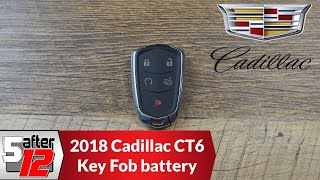
- Weak or Dead Key Fob Battery 🔴 High Probability Key fobs constantly emit a low-power signal, and the CR2032 battery has a finite life, typically 1-3 years. This is the most common and simple failure point.
How to confirm: Try using the vehicle's second key fob. If it works reliably, the first fob's battery is the likely culprit. You can also try placing the non-working fob in the designated transmitter pocket in the center console; this uses a direct antenna that can often work even with a very weak battery. The pocket is located inside the center console storage area; you may need to open the storage lid to access it.
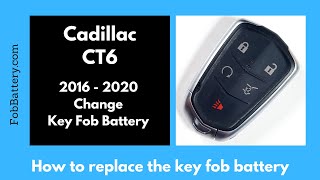
Typical fix: Replace the CR2032 coin battery inside the key fob.
Est. part cost: $1-$5 - Radio Frequency Interference (RFI) 🟡 Medium Probability As noted in GM TSB PIC5650M, the keyless system is sensitive to other electronic devices. Common sources include smartphones, other vehicle key fobs, building access cards, aftermarket LED lighting, and USB phone chargers or power banks plugged into the car.
How to confirm: Remove all other keys and electronic devices from the keychain and away from the key fob. Unplug any aftermarket chargers or devices from the vehicle's power outlets. Attempt to start the vehicle with only the CT6 fob present. If the issue disappears, RFI was the cause.
Typical fix: Keep the key fob isolated from other electronic devices and remove low-quality aftermarket electronics from the vehicle.
Est. part cost: $0 - Faulty Remote Control Door Lock Receiver (RCDLR) 🟡 Medium Probability GM issued TSB 16-NA-396 for the CT6 and other models for intermittent 'No Remote Detected' messages caused by an internal failure of the RCDLR module. This module is responsible for receiving the signal from the fob and can also cause TPM sensor faults.
How to confirm: This requires a professional diagnosis with a scan tool to monitor the module's data and check for internal faults. If symptoms perfectly match TSB 16-NA-396 (intermittent 'No Remote Detected' message, passive entry/start failure), the RCDLR is the prime suspect.
Typical fix: Replacing the Remote Control Door Lock Receiver (RCDLR). Replacement requires programming to the vehicle. The part number specified in the TSB is 13595511.
Est. part cost: $60-$150 - Faulty Key Fob ⚪ Low Probability
How to confirm: If a new battery doesn't fix the issue, the second key fob works perfectly, and RFI has been ruled out, the internal electronics of the first fob may have failed. A dealership or locksmith can test the fob's signal output. In some cases, invalid data can be stored in the fob, requiring reprogramming.
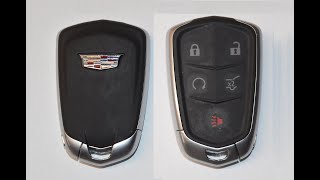
Typical fix: Replace the key fob and have it professionally programmed to the vehicle. OEM Part Numbers include 13510236, 13598540, and 13510255 (FCC ID: HYQ2EB).
Est. part cost: $150-$400
Rare But Worth Checking
- Body Control Module (BCM) Issue: The BCM is the central computer for this system. While not a common failure point for this specific code, a BCM with internal faults or software glitches can cause a wide range of electrical issues, including failure to recognize the key. In some cases, replacing the RCDLR may also require the BCM to be reprogrammed.
- Wiring Harness or Connector Issue: Corrosion or a loose connection in the wiring between the BCM, the RCDLR, and the system's antennas can interrupt the signal from the key fob. This is more likely in areas with high humidity or road salt usage.
Diagnosis Steps
- Check for other DTCs in the BCM and other modules, paying close attention to any TPM-related codes (C0750, etc.).
- Replace the CR2032 battery in the primary key fob. If that fails, test the second key fob.
- Attempt to start the vehicle by placing the key fob in the transmitter pocket located inside the center console storage area. If the car starts, the issue is with the fob's battery or signal transmission, not the vehicle's core immobilizer logic.
- Remove all other electronic devices and keys from the vicinity of the key fob. Unplug any aftermarket phone chargers or USB devices to eliminate Radio Frequency Interference (RFI).
- Review the symptoms against GM TSB 16-NA-396. If intermittent passive entry/start failure and 'No Remote Detected' messages are the primary complaint, suspect a faulty RCDLR.
- Inspect the wiring and connectors for the Keyless Entry Control Module (RCDLR) and BCM for any visible damage or corrosion.
- Using a professional scan tool, monitor the data from the keyless entry system to see if the module is receiving any signal from the fob.
- If the RCDLR module is suspected, replacement is the recommended fix per TSB 16-NA-396. The new module will require programming.
Parts You'll Likely Need
- Key Fob Battery
(OEM #CR2032)— This is the most frequent point of failure and the easiest and cheapest to fix.
Trusted brands: Energizer, Duracell, Panasonic
OEM price range: $1-$5
Aftermarket price range: $1-$5 - Remote Control Door Lock Receiver (RCDLR)
(OEM #13595511)— This module can fail internally, causing intermittent key detection issues as documented in TSB 16-NA-396. Replacement requires professional programming.
Trusted brands: ACDelco (GM Genuine)
OEM price range: $60-$150
Aftermarket price range: $40-$100 - Smart Key Fob
(OEM #13510236 / 13598540 / 13510255)— If the fob's internal transponder or circuitry fails, it must be replaced and programmed to the vehicle. The FCC ID is HYQ2EB.
Trusted brands: ACDelco (GM Genuine)
OEM price range: $200-$400
Aftermarket price range: $75-$150
Related Codes That Often Appear With This One
- B3060 — This code also relates to the transponder key system and often appears with B3055, indicating a general failure to read the key, as cited in TSB PIC5650M.
- B3935 — This code points to a Transponder Authentication Failure and is part of the same family of security codes as B3055, also cited in TSB PIC5650M.
- C0750, C0755, C0760, C0765 — These are Tire Pressure Monitor (TPM) sensor codes. TSB 16-NA-396 notes that a faulty RCDLR can cause both 'No Remote Detected' messages and TPM system faults simultaneously, as the RCDLR processes signals from both systems.
Technical Service Bulletins (TSBs) & Recalls
- PIC5650M: Addresses intermittent no crank/no start with security light on, citing B3055 as a possible DTC and heavily pointing to RFI from aftermarket electronics as the cause.
- 16-NA-396: Notes intermittent 'No Remote Detected' messages, passive entry/start failure, and even TPM light illumination can be caused by an internal fault in the Remote Control Door Lock Receiver (RCDLR) module and recommends replacement with part #13595511.
Platform-Specific Known Issues
- NHTSA Bulletin #PIC5650M mentions that B3055 can be associated with an intermittent no crank, no start, or start/stall condition with the security light on, often caused by Radio Frequency Interference (RFI) from aftermarket devices like phone chargers or even LED lights.
- GM Technical Service Bulletin 16-NA-396 was issued for the 2016-2017 CT6 (and other GM vehicles) for intermittent 'No Remote Detected' messages caused by an internal issue with the Remote Control Door Lock Receiver (RCDLR) module, recommending its replacement.
Hidden / Shadow Codes Worth Checking
- B2955: Security Sensor Data Circuit. This code can appear with B3055 and indicates a problem within the security sensor's communication circuit. (see via A professional scan tool like the Topdon Phoenix Smart or GM GDS2.)
Scan Tool Commands That Help
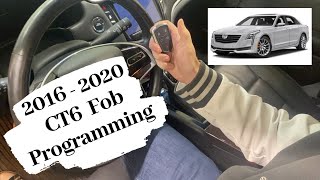
- GDS2 (GM Global Diagnostic System 2): Module Diagnostics -> Remote Control Door Lock Receiver -> Configure and Reset Functions -> Add or Replace Key Fobs — This function is used to program new or existing key fobs to the vehicle after replacing a fob, the RCDLR, or the BCM. It is a necessary step to make the components communicate correctly.
Wiring & Ground Locations
- Remote Control Door Lock Receiver (RCDLR) — Located under the left side of the rear shelf, between the large speaker and the smaller tweeter speaker.. This is the primary module that receives the key fob signal. A failure or poor connection here is a direct cause of B3055. TSB 16-NA-061 also points to this module and its antenna connections as a common source of problems.
- Body Control Module (BCM) — Underneath the driver's side dashboard on the far left. It is accessible after removing the upper kick panel and is held by two plastic clips.. The BCM is the central computer that communicates with the RCDLR. In some cases, a faulty BCM can be the root cause of key recognition failure, even if the RCDLR and fob are good.
- Keyless Entry Antennas — The CT6 has multiple antennas: one in the trunk near the spare tire, one under the center floor console, one in the instrument panel compartment, and one behind the left rocker panel molding.. These antennas transmit the signal that energizes the key fob's transponder. A disconnected or faulty antenna can prevent the RCDLR from receiving the fob's signal, triggering code B3055.
- RCDLR Antenna System — The system consists of the RCDLR, a coax cable, an Antenna Amplifier Module, and the main antenna integrated into the right rear window glass.. A disconnected coax cable at the RCDLR, the amplifier, or the glass antenna can cause intermittent or complete loss of key fob signal, leading to B3055 and TPM sensor faults.
Real Owner Repair Stories
- YouTube channel 'icanfixit' (2018 Cadillac CT6) — The car would not recognize the key.
❌ Tried (didn't work) The video implies other diagnostics were performed leading to the conclusion the BCM was bad.
✅ What actually fixed it The Body Control Module (BCM) was replaced. The technician stated the old BCM was bad, likely shorted, causing the key recognition failure.
When the Usual Fixes Don't Work
- While the most common fixes for B3055 are a key fob battery or replacing the RCDLR module per TSBs, there are confirmed cases where these steps do not resolve the issue. In one documented repair on a 2018 CT6, the ultimate cause of key recognition failure was a faulty Body Control Module (BCM), which required replacement and programming to fix the problem. This highlights that if common causes and TSB-related repairs fail, the BCM itself should be considered a potential, albeit rarer, point of failure.
OEM Part Supersession History
13595511→13540045— Standard part revision or replacement by the manufacturer.
Heads up: The new part number (13540045) is the current genuine GM replacement for the original RCDLR.
Model Year Variations Within This Range
- 2016-2020: The Cadillac CT6 received a facelift for the 2019 model year, but no significant changes to the keyless entry system, RCDLR, or the diagnostic procedure for code B3055 have been documented in public-facing repair data. Key programming procedures appear consistent across the model years.
Helpful Videos
Used OEM Parts in Stock

New Aftermarket Parts Available


The information in this article is provided for general reference and educational purposes only. Vehicle specifications, procedures, and part compatibility can vary by production date, trim level, and region. Always consult your vehicle's factory service manual and verify part numbers before purchasing or performing repairs. Safety-critical components such as airbags, seat belts, and braking systems should be installed by a qualified professional.
- Cadillac CT6:
- 🎬 Helpful Videos
- 🛍️ Shop This Part
- What's Unique About the 2016-2020 Cadillac CT6
- Diagnostic Flowchart
- Symptoms You May Notice
- Most Likely Causes
- Rare But Worth Checking
- Diagnosis Steps
- Parts You'll Likely Need
- Related Codes That Often Appear With This One
- Technical Service Bulletins (TSBs) & Recalls
- Platform-Specific Known Issues
- Hidden / Shadow Codes Worth Checking
- Scan Tool Commands That Help
- Wiring & Ground Locations
- Real Owner Repair Stories
- When the Usual Fixes Don't Work
- OEM Part Supersession History
- Model Year Variations Within This Range
- 🎟️ Get 5% Off