

B3055 on 2019 Buick Regal: No Start, Security Light Causes & Fixes
Code B3055 on a 2019 Buick Regal means the car's security system can't detect the key, causing a no-start and security light. The most common causes are radio frequency interference (RFI) from aftermarket chargers or a faulty key fob. Start by removing all aftermarket electronics and trying your spare key. If that fails, try placing the fob directly on the start button.
- B3055 means your Regal's security system has locked you out, usually due to a key communication error.
- Before spending any money, the first and most important step is to remove all aftermarket phone chargers, dash cams, and other plugged-in devices to eliminate Radio Frequency Interference (RFI).
- Your next step should be to try your spare key. If the spare works, the original key is faulty and needs to be replaced.
- A 30-minute key relearn procedure can sometimes fix the issue for free after a battery change or voltage fluctuation.
- If these steps fail, professional service is required to diagnose and program new parts, as this is not a simple DIY repair.
What's Unique About the 2019-2019 Buick REGAL
For this generation of Buick Regal and other contemporary GM vehicles on the E2XX platform, the anti-theft systems are highly sensitive to radio frequency interference (RFI). GM has issued specific service bulletins (like PIC5650M) warning that common aftermarket accessories, such as phone chargers, LED lights, and dash cams, can 'jam' the low-frequency signal (125 kHz) the key uses to communicate with the car. This makes intermittent, hard-to-diagnose no-start issues more common on this platform compared to older vehicles with less sensitive electronics.
Diagnostic Flowchart
Tap your situation to follow the diagnostic path that matches what you're seeing on this vehicle.
Symptoms You May Notice
- Engine will not crank or start.
- Engine starts but immediately shuts off (start-stall).
- Security indicator light is solid or flashing on the instrument cluster.
- A 'No Remote/Fob Detected' message may appear on the driver information center.
- Keyless entry functions (lock/unlock) may work, but the vehicle still won't start.
- Replacing the starter motor. A B3055 code indicates a security lockout; the BCM is intentionally preventing the starter from engaging. The starter itself is likely fine.
- Replacing the fuel pump. While a start-and-stall can be a fuel issue, in this case, the security system is cutting fuel delivery after starting. The fuel pump is doing what it's told.
- Replacing the 12V battery without testing. While a weak battery is a valid cause, replacing a healthy battery will not solve a key fob or RFI issue.
Most Likely Causes
- Radio Frequency Interference (RFI) from Aftermarket Devices 🔴 High Probability As noted in GM TSB PIC5650M, the vehicle's remote function and immobilizer systems operate on frequencies (125 kHz, 315 MHz, 433 MHz) that are easily 'jammed' by poorly shielded electronics. This includes not just USB chargers and dash cams, but also toll passes, building access cards, and even aftermarket LED bulbs that create RF noise.
How to confirm: Unplug all aftermarket devices from the 12V sockets and USB ports. Remove all other keys, fobs, and access cards from the keychain. If the car starts consistently, RFI was the cause. If it still fails, try placing the key fob directly against the start/stop button, as this can sometimes overcome minor interference.
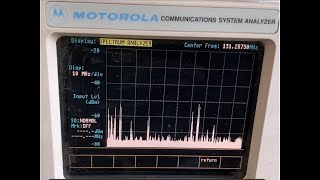
Typical fix: Remove the offending device or replace it with a high-quality, well-shielded alternative. Keep other fobs and electronics away from the ignition or start button. A user on chevymalibuforum.com reported solving a B3055 code simply by removing a cheap phone charger. 🎬 See how to troubleshoot and identify common sources of RFI.
Est. part cost: $0 - Defective Key Fob or Transponder 🟡 Medium Probability Key fobs can be damaged by being dropped, exposed to moisture, or from internal component failure over time. The internal transponder chip is typically robust but not immune to failure.
How to confirm: Try starting the vehicle with a known-good spare key. If the spare key works reliably, the primary key is faulty. A weak battery in the fob itself can also be a cause, though it usually presents with 'No Remote Detected' messages first.
Typical fix: Replace the faulty key fob. This requires purchasing a new fob and having it professionally programmed to the vehicle by a dealership or automotive locksmith.
Est. part cost: $150-$400 - Weak or Dead Vehicle Battery 🟡 Medium Probability Modern vehicles have numerous electronic modules that require stable voltage to communicate. A weak 12V battery can cause unpredictable communication errors across the vehicle's network, including the security handshake between the BCM and the key.
How to confirm: Test the vehicle's 12V battery with a multimeter or battery tester. A resting voltage below 12.2V indicates a weak battery. Attempting to jump-start the vehicle may also temporarily resolve the issue, but the code may return if the battery is failing.
Typical fix: Replace the vehicle's 12V battery.
Est. part cost: $150-$300 - Security System Relearn Required ⚪ Low Probability Occasionally, the key and the BCM can lose synchronization, especially after a battery replacement, a voltage spike from a jump start, or a failed programming attempt.
How to confirm: Attempt the 30-minute manual relearn procedure. If the procedure completes and the car starts, this was the issue. Note that this procedure is not always successful if there is an underlying hardware fault.
Typical fix: Perform the GM 30-minute key relearn procedure. This involves cycling the ignition to 'ON' for 10 minutes, three consecutive times, until the security light goes out.
Est. part cost: $0
Rare But Worth Checking
- Faulty Body Control Module (BCM) or Remote Function Actuator (RFA): This is a rare failure. All other possibilities, especially RFI and key issues, should be exhaustively ruled out before considering module replacement. This is an expensive repair and requires advanced programming by a dealer or specialized shop.
- Damaged Wiring or Antenna for Keyless System: The low-frequency antenna that reads the key fob signal could be damaged or have a loose connection. A technician would need to use a scan tool to check for signal presence and test the antenna circuit for continuity and resistance to diagnose this.
Diagnosis Steps
- Verify the complaint: Confirm the no-crank/no-start condition and the presence of the security light.
- Scan for codes: Read all codes from all modules. Note if B3055 is present along with any other security or TPM codes.
- Remove all sources of RFI: Unplug ALL aftermarket devices (chargers, dash cams, phone mounts with electronics). Remove all other keys, fobs, and access cards from the keychain. Re-test.
- Test with spare key: Attempt to start the vehicle with a second, known-good key. If it starts, the first key is the problem.
- Check vehicle battery: Test the 12V battery voltage and health. Ensure it is above 12.4V and has adequate cranking amps.
- Attempt Key Relearn: Perform the 30-minute manual relearn procedure.
- Professional Diagnosis: If the issue persists, the vehicle must be taken to a qualified technician. They will use a scan tool to monitor the BCM's key recognition data (e.g., 'Transponder Key Status') and test the immobilizer antenna circuit to isolate the fault to the key, antenna, wiring, or BCM/RFA module.
Parts You'll Likely Need
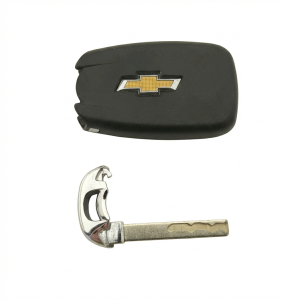
- Key Fob
(OEM #HYQ4EA / 13532391 / 13532391)— The internal transponder chip in the original key fob may have failed, which is a common reason for this code when RFI is not the cause.
Trusted brands: ACDelco, GM Genuine Parts
OEM price range: $150-$350
Aftermarket price range: $75-$200
Related Codes That Often Appear With This One
- B3060 — Often set with B3055, relating to an unprogrammed or faulty transponder key.
- B3935 — Relates to transponder authentication issues, part of the same security handshake process.
- C0750, C0755, C0760, C0765, C0775 — These are Tire Pressure Monitor (TPM) sensor codes. The RFA module often handles both security and TPM signals, so severe RFI that triggers B3055 can also disrupt TPM communication, causing these codes to appear simultaneously.
Technical Service Bulletins (TSBs) & Recalls
- PIC5650M: Addresses intermittent no-crank/no-start, security lights, and various DTCs including B3055, attributing them to RFI from aftermarket devices. Lists specific examples like phone chargers, LED lights, and toll passes.
- PIT5030E: While for slightly older models or those with a physical flip-key, it notes that keys not fully extended can cause a B3055 code due to improper positioning of the transponder. Less likely on a 2019 with keyless start, but relevant if a physical key backup is used.
Platform-Specific Known Issues
- The vehicle is highly susceptible to Radio Frequency Interference (RFI) causing intermittent no-start conditions, as documented in GM TSB PIC5650M. This is the most critical vehicle-specific issue to be aware of for this code.
Mechanic-Grade Diagnostic Values
- Immobilizer Antenna Coil Resistance — expected: A specific Ohm value is not published, but the reading should not be infinite.. Failure: An infinite resistance reading between the two pins of the antenna coil indicates an open circuit and a damaged coil.
Hidden / Shadow Codes Worth Checking
- B3055 00: No Sub Type Information / No Additional Symptom Information. This is the most common symptom byte and indicates the fault is a general failure to detect the key's transponder. (see via GM GDS2 or other professional-grade scan tools capable of reading manufacturer-specific symptom bytes.)
- B3055 5A: Plausibility Failure. This indicates the BCM received a signal, but it was illogical, corrupt, or otherwise nonsensical. This strongly points towards Radio Frequency Interference (RFI) or an intermittent failure of the key's transponder chip. (see via GM GDS2 or other professional-grade scan tools.)
Scan Tool Commands That Help
- GM GDS2 / Techline Connect: Immobilizer Data / Theft Deterrent Data — Use this function in the BCM or RFA module to view live data. Look for parameters like 'Transponder Key Status' or 'Environment Identification' to see if the system reports 'No Key Detected' or 'Invalid Key' when a key is present.
- GM GDS2 / Techline Connect: IMMO Immobilizer Learn — This is the required function for programming new keys or modules. It requires an online connection to GM's Service Programming System (SPS) and initiates a security wait time (typically 10-12 minutes) to prevent theft.
- GM GDS2 / Techline Connect: Add or Replace Key Fobs — Located under the 'Remote Control Door Lock Receiver' module, this function is used to program the remote (lock/unlock) functions of the fob.
Wiring & Ground Locations
- Body Control Module (BCM) — Typically located under the dashboard, often behind the driver's or passenger's side kick panel or integrated into the interior fuse panel.. The BCM is the central computer for the anti-theft system. All signals from the key and antenna are processed here. A loose connector or poor ground at the BCM can cause a B3055 code.
- Remote Function Actuator (RFA) — On many GM vehicles, this module is located in the rear of the car, often in the trunk or hatch area near the fuel filler pipe or wheel well, to better receive signals from the key fob.. The RFA (also called the Keyless Entry Control Module) is responsible for receiving the key fob's signal. A poor ground connection to this module can cause intermittent communication loss, leading to B3055 and TPM codes. On other GM platforms, ground points like G104 (near battery) and G202 (passenger footwell) have been implicated in RFA failures.
- Immobilizer Antenna — For keyless start vehicles like the 2019 Regal, there are multiple low-frequency antennas. One is located in the center console, often forming a 'pocket' where the fob should be placed if not detected. Others may be in the doors or rear of the vehicle.. This antenna energizes and reads the transponder chip in the key fob. Damage to the antenna or its wiring harness is a direct, though less common, cause of code B3055.
Real Owner Repair Stories
- Reddit user story, cited by Go-Parts.com (GM Vehicle (specific model not cited, but platform behavior is consistent)) — Vehicle was towed in for a no-start condition with code B3055 active.
❌ Tried (didn't work) Initial attempts to start the vehicle failed.
✅ What actually fixed it The technician identified two separate issues: the customer's key was physically broken, and the main 12V vehicle battery was low. After replacing the weak battery and programming a new, intact key to the vehicle, the car started and ran correctly, clearing the code.
OEM Part Supersession History
13511629→13532391— Standard part revision by the manufacturer.
Heads up: The new part number (13532391) is the correct replacement for the original. They are cross-compatible but ordering the newest version is recommended.
Helpful Videos

We Have This Part in Stock


The information in this article is provided for general reference and educational purposes only. Vehicle specifications, procedures, and part compatibility can vary by production date, trim level, and region. Always consult your vehicle's factory service manual and verify part numbers before purchasing or performing repairs. Safety-critical components such as airbags, seat belts, and braking systems should be installed by a qualified professional.
- Buick REGAL:
- 🎬 Helpful Videos
- 🛍️ Shop This Part
- What's Unique About the 2019-2019 Buick REGAL
- Diagnostic Flowchart
- Symptoms You May Notice
- Most Likely Causes
- Rare But Worth Checking
- Diagnosis Steps
- Parts You'll Likely Need
- Related Codes That Often Appear With This One
- Technical Service Bulletins (TSBs) & Recalls
- Platform-Specific Known Issues
- Mechanic-Grade Diagnostic Values
- Hidden / Shadow Codes Worth Checking
- Scan Tool Commands That Help
- Wiring & Ground Locations
- Real Owner Repair Stories
- OEM Part Supersession History
- 🎟️ Get 5% Off