

B3055 on 2015-2019 Buick LaCrosse: Key, Immobilizer, and No-Start Fixes
Code B3055 on a 2015-2019 LaCrosse means the car's security system can't read the transponder chip in your key. This results in a no-start or intermittent stall with the security light on. The most common causes are a bad key fob, a weak car battery, or radio frequency interference from aftermarket devices like phone chargers.
- Before any repairs, remove all items from your keychain and unplug all aftermarket chargers/devices from the car to rule out radio interference.
- Always try your spare key to quickly determine if the problem is with the key or the car.
- For keyless start models, know the location of the key fob pocket in your center console; it's the backup method to start the car if the fob battery dies.
- This code disables the engine start; it is not a code you can ignore and continue driving with.
- Do not immediately assume a major component like the BCM has failed. The cause is much more likely to be simple, like a fob battery or interference.
What's Unique About the 2015-2019 Buick LACROSSE
For this era of Buick LaCrosse, the B3055 code is frequently linked to intermittent issues rather than a hard part failure. GM has issued several Technical Service Bulletins (TSBs), notably PIC5650, that point to non-hardware causes like radio frequency interference (RFI) from aftermarket devices plugged into the 12V outlets. The vehicle's security system is sensitive, operating at 125 kHz, and can be 'jammed' by cheap electronics. Owners often experience a 'no crank' or 'no remote detected' message that can't be easily duplicated by a mechanic, making diagnosis tricky.
🎬 Watch: A quick explanation of the B3055 fault code.Diagnostic Flowchart
Tap your situation to follow the diagnostic path that matches what you're seeing on this vehicle.
Generation note: This range covers the end of the second generation (2015-2016 on the Epsilon II platform) and the entire third generation (2017-2019 on the E2XX platform). Both generations use a similar Pass-Key III+ or keyless access system and are susceptible to the same issues, including key fob problems and radio frequency interference mentioned in TSBs. For keyless start models (common in 2017-2019), there is a specific pocket in the center console to place the fob if its battery is dead, which allows the car to start by bringing the fob's internal transponder closer to the reader antenna.
Symptoms You May Notice
- Intermittent no-crank, no-start condition.
- Engine starts and immediately stalls.
- Security warning light is illuminated on the dashboard.
- "No Remote Detected" or "Service Theft Deterrent System" message on the driver information center.
- Remote keyless entry (RKE) functions (lock/unlock) may not work or have poor range.
- Vehicle will not start unless the key fob is placed in the transmitter pocket (in the center console).
- A history code of B3055 may be stored even if the car starts, indicating a past intermittent issue.
- Replacing the starter motor. A no-crank condition can be mistaken for a bad starter, but if the security light is on, the issue is almost always with the anti-theft system, not the starter itself.
- Replacing the vehicle's main 12V battery. While a very weak battery can cause various electrical issues, if the dash lights up but the car won't crank and shows a security warning, the battery is likely not the root cause of the B3055 code. However, a simple battery test is always a good first step.
Most Likely Causes
- Radio Frequency Interference (RFI) 🔴 High Probability The vehicle's security system operates on radio frequencies (125 kHz, 315 MHz, 433 MHz) that are easily 'jammed' by common aftermarket devices. GM has issued multiple versions of TSB PIC5650 specifically warning about this issue.
How to confirm: Remove ALL aftermarket devices from the vehicle and key ring. This includes other key fobs, toll passes, building access cards, and especially aftermarket USB chargers, dash cams, or LED lights. If the car starts reliably after removing these items, RFI was the cause. Technicians can use an RFI meter to pinpoint the source of interference.
Typical fix: Identify and remove the source of the interference. Replace low-quality aftermarket chargers with higher-quality, properly shielded ones.
Est. part cost: $0 - $30 - Defective or Damaged Key / Weak Fob Battery 🟡 Medium Probability The transponder chip in the key can be damaged if the key is dropped, or the fob battery can weaken, preventing a strong signal. The CR2032 battery can fail without much warning.
How to confirm: Try starting the vehicle with a spare key. If the spare key works reliably, the primary key is the issue. For keyless start models, place the non-working fob in the designated slot in the center console; if the car starts, it confirms a weak fob battery or signal issue. A multimeter can be used to test the fob battery; a reading below 3.0V is a strong indicator it needs replacement.
Typical fix: Replace the CR2032 battery in the key fob. If the transponder chip is damaged, the key must be replaced and programmed to the vehicle by a dealer or qualified locksmith.
Est. part cost: $5-$15 for a battery, $150-$400 for a new key and programming. - Improper Key Usage (Flip Keys) ⚪ Low Probability On models with a flip-out key (more common on the 2015-2016 models), if the key is not fully extended and locked into position, its transponder may be too far from the ignition cylinder's reader coil to be detected. This specific issue is documented in GM TSB PIT5030E.
How to confirm: Ensure the flip key is fully extended and locked straight before inserting it into the ignition. If this resolves the no-start, it was the cause.
Typical fix: Educate the driver on the proper way to use the key. No parts required.
Est. part cost: $0 - Faulty Body Control Module (BCM) ⚪ Low Probability While less common, the BCM is the central component in the security system and can fail internally, causing it to be unable to read any key. Symptoms of a wider BCM failure often accompany the B3055 code, such as erratic lights, door locks, or other electronic glitches.
How to confirm: This requires professional diagnosis with a scan tool to monitor BCM data and test communication with the key. If all keys fail, there is no interference, and the ignition antenna tests good, the BCM is a likely suspect.
Typical fix: Replacement and reprogramming of the Body Control Module, which must be done by a dealer or specialized shop.
Est. part cost: $300-$700
Rare But Worth Checking
- Faulty Ignition Lock Cylinder / Transponder Antenna: The exciter coil (antenna) that energizes the key's transponder is located around the ignition lock cylinder. A break in this coil's wiring or an internal failure can prevent it from reading the key. This is less common than key or interference issues but more common than a BCM failure. Diagnosis involves testing the resistance of the coil and checking for voltage at its connector.
Diagnosis Steps
- Verify the complaint. Note if the security light is on and if the engine cranks or not.
- Question the driver about any aftermarket devices (phone chargers, LED lights, dash cams, USB power banks) in the vehicle or any new cards/passes on their keychain. Remove them all as per TSB PIC5650.
- Try starting the car with a known-good spare key. If it starts, the original key is faulty.
- If it's a keyless start model, place the problematic fob in the transmitter pocket located in the center console armrest and try to start. If it starts, the fob battery is the most likely cause.
- If it's a flip-key model, ensure the key is fully extended and locked before inserting it into the ignition, as per TSB PIT5030E.
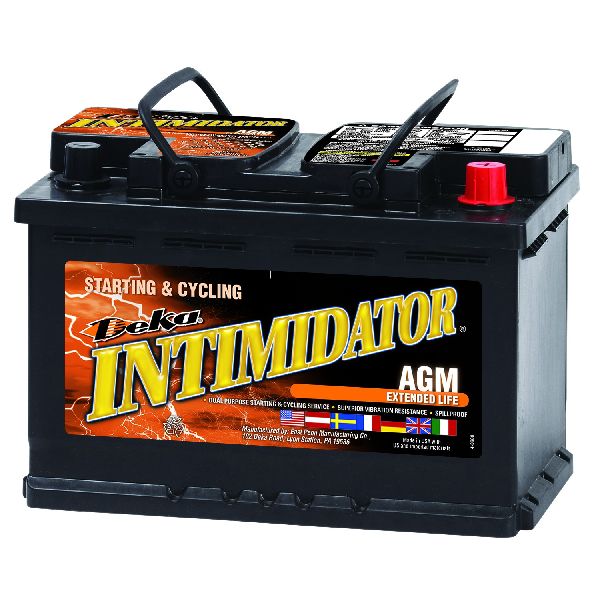
- Inspect the main vehicle battery terminals for corrosion and ensure they are tight. Test the battery voltage to rule out a low-voltage condition.
- If the problem persists, use a professional scan tool to check for other related DTCs in the Body Control Module (BCM) and Theft Deterrent Module (TDM).
- If no interference is found and all keys fail to work (even in the fob pocket), further diagnostics on the BCM, ignition cylinder antenna (exciter coil), and associated wiring will be necessary.
Parts You'll Likely Need
- Key Fob Battery
(OEM #CR2032)— This is the most common and cheapest fix when the vehicle displays a 'No Remote Detected' message but starts when the fob is in the transmitter pocket.
Trusted brands: Energizer, Duracell, Panasonic
OEM price range: $5-$15
Aftermarket price range: $2-$10 - Transponder Key / Key Fob
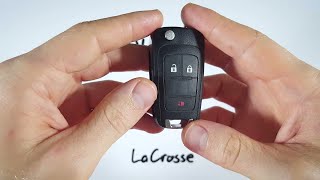
(OEM #13508280 (6-button, verify by VIN))— If the internal transponder chip is damaged, the entire key/fob assembly must be replaced and programmed to the vehicle. Part number 13508280 is a common 6-button fob for these vehicles.
Trusted brands: ACDelco
OEM price range: $150-$300
Aftermarket price range: $70-$150 - Body Control Module (BCM) — In rare cases where the module itself has failed, it will need to be replaced. This is the brain of the security system and must be programmed to the vehicle's VIN.
Trusted brands: ACDelco
OEM price range: $300-$700
Related Codes That Often Appear With This One
- B3060 — This code also relates to the transponder key system (Unordered Key) and often appears with B3055, indicating a general failure to read or validate the key.
- B3935 — Another transponder-related code (Transponder Authentication Failed) that can be set alongside B3055 due to interference or a key issue.
- C0750, C0755, C0760, C0765 — These are Tire Pressure Monitor (TPM) sensor codes. GM TSB PIC5650M notes that the same RFI that disrupts the key fob can also disrupt the TPM sensors, causing these codes to appear simultaneously with B3055.
Technical Service Bulletins (TSBs) & Recalls
- PIC5650M: Diagnostic Tip - Security Light on Intermittently / No Crank/No Start or Start Stall / Keyless Access Vehicles May Display No Remote/Fob Detected / Poor or No RKE Range / Service TPM. This is the primary TSB for this issue, pointing to RFI.
- PIT5030E: Diagnostic Tip - Intermittent No Crank When Ignition Key Is Turned To The Crank Position. This TSB addresses the issue with flip keys not being fully extended.
Platform-Specific Known Issues
- This platform is highly susceptible to Radio Frequency Interference (RFI) from aftermarket electronics, as documented in multiple versions of GM TSB PIC5650. Owners on forums frequently report that a cheap cell phone charger plugged into the 12V accessory port was the sole cause of the B3055 code and no-start condition.
- For models with flip keys (primarily 2015-2016), not having the key fully extended can cause a no-start and set a B3055, as detailed in GM TSB PIT5030E.
Hidden / Shadow Codes Worth Checking
- B3055 with symptom byte 00: Indicates 'No Transponder Modulation or No Transponder'. This is the most common variant, directly pointing to the BCM's inability to energize or read the key's transponder chip. (see via A professional scan tool like GM's GDS2 or a high-end aftermarket scanner will display the symptom byte along with the main DTC.)
Scan Tool Commands That Help
- GDS2/SPS (Service Programming System): BCM Body Control Module Programming — This function is required when replacing the Body Control Module (BCM). The new module must be programmed with the vehicle's specific calibration software.
- GDS2/SPS (Service Programming System): Immobilizer Setup / Key Learn — After replacing a BCM or a key, this procedure is necessary to teach the BCM the transponder values of the new or existing keys. The process typically takes 10-12 minutes.
- GDS2 or equivalent: Data Display: 'Immobilizer Key Status' — While diagnosing, a technician can monitor this parameter to see if the BCM recognizes a key as 'Present' or 'Valid'. If the status is 'Not Present' or 'Invalid' when a key is used, it points directly to a key or antenna issue.
Wiring & Ground Locations
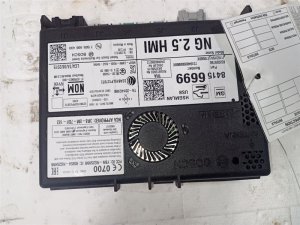
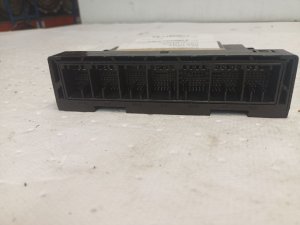
- BCM Connectors — The Body Control Module is typically located in the instrument panel, often on the passenger side behind the glove box or in the center console area.. The BCM is the central hub for the immobilizer system. All signals from the key's transponder, via the exciter antenna, are processed here. Poor connections or corrosion at the BCM connectors can interrupt these signals and cause a B3055.
- Transponder Exciter Antenna — This is a coil of wire that surrounds the ignition lock cylinder (for keyed ignition) or is located in the center console (for keyless start systems).. This antenna energizes the transponder chip in the key. A break in its wiring or a loose connector between it and the BCM will prevent the key from being read, directly causing a B3055 code.
Real Owner Repair Stories
- YouTube channel 'Hands On Auto Training' (2015 Chevrolet Malibu (uses a similar immobilizer system)) — No crank, no start, security light on, DTC B3055 present and current.
❌ Tried (didn't work) Clearing codes (B3055 returned immediately)., Holding a new, unprogrammed key next to the ignition did not change the code, ruling out a simple antenna read issue.
✅ What actually fixed it The internal transponder chip in the original key had failed. Programming a brand new key to the vehicle using an aftermarket scan tool (Auto Pro Pad) and the 10-minute security relearn procedure resolved the no-start condition and cleared the code. - YouTube channel 'ADD AUTOMOBILE SERVICES' (2013 Chevrolet Equinox (uses a similar Pass-Key system)) — Intermittent no start with security light staying on. Code B3055 was present.
❌ Tried (didn't work) The original key would sometimes work and sometimes not, indicating an intermittent failure.
✅ What actually fixed it The technician diagnosed an intermittent failure of the original key's transponder. Instead of replacing the key, they cloned the original transponder's data onto a new 'super chip' (using a VVDI key tool) and placed this new chip inside the original key fob alongside the failing one. This provided a redundant, working signal that resolved the intermittent no-start.
OEM Part Supersession History
13580804→13508280— Standard part number update/revision by the manufacturer.
Heads up: These parts are generally interchangeable for the specified applications, but programming is always required.
Model Year Variations Within This Range
- 2015-2016: These models are part of the second generation on the Epsilon II platform. They are more likely to have a traditional flip-out key with an ignition cylinder, making them susceptible to issues from the key not being fully extended, as noted in TSB PIT5030E.
- 2017-2019: These models are the third generation on the E2XX platform and came standard with keyless entry and push-button start. The immobilizer system is more integrated (often called PEPS - Passive Entry Passive Start) and diagnosis focuses on the key fob battery, the fob's location within the car, and the dedicated transmitter pocket in the center console for emergency starts. The base engine also changed from a 3.6L V6 (304 hp) in 2016 to a newer 3.6L V6 (310 hp) in 2017.
Helpful Videos



Used OEM Parts in Stock



New Aftermarket Parts Available


The information in this article is provided for general reference and educational purposes only. Vehicle specifications, procedures, and part compatibility can vary by production date, trim level, and region. Always consult your vehicle's factory service manual and verify part numbers before purchasing or performing repairs. Safety-critical components such as airbags, seat belts, and braking systems should be installed by a qualified professional.
- Buick LACROSSE:
- 🎬 Helpful Videos
- 🛍️ Shop This Part
- What's Unique About the 2015-2019 Buick LACROSSE
- Diagnostic Flowchart
- Symptoms You May Notice
- Most Likely Causes
- Rare But Worth Checking
- Diagnosis Steps
- Parts You'll Likely Need
- Related Codes That Often Appear With This One
- Technical Service Bulletins (TSBs) & Recalls
- Platform-Specific Known Issues
- Hidden / Shadow Codes Worth Checking
- Scan Tool Commands That Help
- Wiring & Ground Locations
- Real Owner Repair Stories
- OEM Part Supersession History
- Model Year Variations Within This Range
- 🎟️ Get 5% Off