

B3055 on 2013-2020 Buick Encore: Key Not Detected, No Start Causes and Fixes
Code B3055 on a Buick Encore means the car's security system cannot read the transponder chip in your key. This results in a no-start condition with the security light on. The most common causes are a faulty key, an improperly positioned flip key, external RFID interference, or a physically damaged key.
- B3055 means your Encore's security system isn't recognizing your key, which prevents the car from starting.
- Before spending any money, try your spare key. If it works, your original key is bad.
- If you have a flip key, make sure it's fully locked in the straight position before you put it in the ignition.
- Remove any office ID badges or other fobs from your keychain, as they can block the key's signal.
- If a new key is needed, it must be professionally programmed to your vehicle by a dealer or automotive locksmith.
What's Unique About the 2013-2020 Buick ENCORE
The first-generation Buick Encore, along with its platform mates like the Chevy Trax and Sonic, is particularly susceptible to user-induced errors that can set a B3055 code. A widely circulated GM Technical Service Bulletin (PIT5030E) notes that if the flip-style key is not fully extended and locked straight, its angle in the ignition can prevent the transponder from being read correctly, causing an intermittent no-crank. Additionally, interference from other RFID cards, aftermarket LED lights, or even certain phone chargers on the keychain is a well-documented issue for this platform, as detailed in TSB PIC5650 series.
Diagnostic Flowchart
Tap your situation to follow the diagnostic path that matches what you're seeing on this vehicle.
Symptoms You May Notice
- Engine will not crank or start.
- Engine starts and immediately stalls.
- Security or anti-theft warning light is illuminated on the dashboard.
- A "Service Theft Deterrent System" message may appear on the driver information center.
- A "Theft Attempted" message may appear on the driver information center.
- A single click is heard when trying to start, but the starter does not engage.
- Replacing the vehicle's main 12V battery. While a low battery can cause various electrical issues, it won't typically set the specific B3055 code on its own. However, a good battery is necessary for proper diagnosis.
- Replacing the starter motor. A no-crank symptom might point to the starter, but the presence of a security light and code B3055 confirms the issue is with the anti-theft system, not the starter itself. A technician on Reddit shared an experience where a customer was convinced the starter was bad, but the fix was a new key to resolve the B3055 code.
Most Likely Causes
- Improper Key Position (Flip Keys) 🔴 High Probability The design of the flip key can lead to this issue. If the key is not fully locked in the straight, open position, the transponder chip may be misaligned with the reader coil in the ignition.
How to confirm: Remove the key, ensure it is fully extended and locked, then re-insert it and attempt to start the vehicle. If the car starts, this was the cause. This is a known issue documented in TSB PIT5030E.
Typical fix: User education. Always make sure the key is fully extended before inserting it into the ignition. Clear the B3055 code from history.
Est. part cost: $0 - Defective or Damaged Ignition Key 🔴 High Probability The internal transponder chip in the key can fail from being dropped or from normal wear and tear. Keys that are physically broken, have worn-out buttons, or have been damaged internally can also fail to communicate. 🎬 Watch: How to repair a broken Buick flip key.
How to confirm: Attempt to start the vehicle with a spare key. If the spare key works consistently, the original key is faulty. A technician can also use a key tool to check if the transponder is emitting a signal.
Typical fix: Replace the defective key. A new key must be cut and programmed to the vehicle by a dealership or an automotive locksmith with the proper tools.
Est. part cost: $75-$250 - RFID Interference 🟡 Medium Probability As noted in TSB PIC5650M, other RFID-enabled items on the keychain (like office access cards, gas station payment fobs, or even other car keys) can interfere with the 125 kHz signal between the key and the car's security system. Aftermarket electronics like phone chargers and LED lights can also cause this interference.
How to confirm: Remove all other cards and fobs from the keychain, leaving only the car key. Unplug any aftermarket chargers or devices. Attempt to start the vehicle. If it starts, interference was the issue.
Typical fix: Keep other RFID devices and aftermarket electronics separate from the car key when starting the vehicle.
Est. part cost: $0 - Faulty Ignition Lock Cylinder / Transponder Antenna ⚪ Low Probability The antenna (exciter coil) that powers the key's transponder is part of the ignition lock cylinder assembly. This component can fail electronically, preventing it from reading any key.
How to confirm: If neither the primary nor the spare key will start the vehicle, and there is no RFID interference, the problem is likely in the car. A technician would test the antenna circuit for proper resistance and signal per the service manual.
Typical fix: Replacement of the ignition lock cylinder and transponder antenna assembly, followed by a key relearn procedure. 🎬 Watch: How to replace the ignition lock cylinder.
Est. part cost: $150-$300
Rare But Worth Checking
- Body Control Module (BCM) Failure: While rare, the BCM itself can fail. This is usually the last item to suspect after all other components (keys, antenna, wiring) have been tested and confirmed to be working. A failed BCM will typically set multiple other codes.
- Wiring Harness Damage: Damage to the wiring between the ignition lock cylinder antenna and the BCM can cause a loss of communication and set this code. This might occur from previous dash repairs or chafing over time. Diagnosis involves checking for continuity and shorts in the signal and ground circuits.
- Low Vehicle Battery Voltage: While a low battery doesn't directly cause B3055, it can cause the theft deterrent system to act erratically. A stable voltage is required for the BCM and key programming procedures to function correctly. A technician noted a case where a B3055 was present alongside a failing battery, and both needed to be addressed.
Diagnosis Steps
- Check for TSBs. Review TSBs PIC5650M and PIT5030E for known issues related to RFID interference and flip key position.
- Try the spare key. This is the fastest way to determine if the issue is with a single key or the vehicle itself.
- Isolate the key. Remove all other keys, fobs, and RFID cards from the keychain. Unplug any aftermarket phone chargers or accessories and try again.
- Check flip key position. If you have a flip-style key, ensure it is fully extended and locked straight before inserting it into the ignition.
- Scan for codes. Use an OBD-II scanner capable of reading Body (B) codes to confirm B3055 is present and check for any other related DTCs.
- Inspect the key for physical damage. A cracked or broken key housing can indicate a damaged internal transponder chip.
- If none of the above steps resolve the issue, professional diagnosis is required to test the ignition cylinder's transponder antenna, wiring, and the Body Control Module (BCM).
Parts You'll Likely Need
- Ignition Key / Key Fob
(OEM #13585814, 13504205 (Flip key with remote start, verify by VIN))— The transponder chip inside the key is the most common failure point. If the spare key works, a new primary key is needed.
Trusted brands: ACDelco, Strattec
OEM price range: $100-$200
Aftermarket price range: $50-$120 - Ignition Lock Cylinder with Transponder Reader
(OEM #Dorman 924-796 (Aftermarket kit with keys))— If no keys can be read by the vehicle, the antenna coil around the ignition cylinder has likely failed.
Trusted brands: ACDelco, Dorman
OEM price range: $150-$250
Aftermarket price range: $80-$160
Related Codes That Often Appear With This One
- B3060 — This code relates to an unprogrammed transponder key, often appearing with B3055 during key-related faults or after a failed programming attempt.
- B3935 — This is a general transponder system fault code that can be triggered alongside B3055, as noted in GM bulletin PIC5650M.
- B2955 — This code indicates a fault in the security sensor data circuit and can appear with B3055, pointing to an issue with the communication between the key, the ignition cylinder's reader, and the BCM.
Technical Service Bulletins (TSBs) & Recalls
- PIC5650M: Addresses intermittent no crank/no start with security light on and DTCs B3055, B3060, B3935. It focuses on diagnosing interference from aftermarket electronics like phone chargers, LED lights, and other fobs on the keychain.
- PIT5030E: Diagnostic tip for intermittent no-crank if the flip key is not fully extended, which can set B3055. It includes pictures showing the correct and incorrect key positions.
Platform-Specific Known Issues
- TSB PIC5650M notes that an intermittent no-crank or start/stall with security light and code B3055 can occur on these vehicles due to radio frequency interference from aftermarket devices.
- TSB PIT5030E specifically calls out the 2013–2014 Encore for an intermittent no-crank condition caused by the flip key not being fully extended, which can log a B3055 code in history.
Hidden / Shadow Codes Worth Checking
- B3055 00: This is the full code format often seen on a GM-specific scan tool like GDS2. The '00' is a symptom byte indicating 'No Additional Symptom Information', meaning it's the base fault for the key not being read. (see via A professional scan tool capable of reading manufacturer-specific codes and symptom bytes, such as a Topdon, Autel, or the dealer GDS2/Tech2.)
Scan Tool Commands That Help
- GDS2 / Professional Scan Tool: Immobilizer Data Display — When diagnosing a B3055, navigate to the BCM or TDM data list and observe the 'Transponder Key' or 'Key Detected' parameter. It should change from 'Not Present' to 'Present' when a valid key is turned in the ignition. This confirms if the antenna is reading the key at all.
- GDS2 / Autel / AutoProPAD: Immobilizer Learn / Add Key — This function is required after replacing a key, the ignition lock cylinder, or the BCM. For turn-key systems, this often initiates a 10-minute security relearn procedure that programs the new component to the vehicle.
Wiring & Ground Locations
- Body Control Module (BCM) — Located above the driver's side kick panel, typically high in the dashboard.. The BCM is the central module for the Pass-Key III+ immobilizer system. It receives the key's transponder signal from the ignition cylinder's antenna and makes the decision to enable or disable starting.
- BCM Connector C4 (Green 25-Pin) — On the Body Control Module.. This connector contains key circuits for vehicle operation. Specifically, Pin 6 (Purple/Black) is the Ignition 1 voltage signal, and Pin 5 (Purple/Yellow) is the Accessory voltage signal. A fault in these circuits could cause wider BCM issues, although they are not the direct data line for the transponder.
- Ground G204 — Located under the right A-pillar trim.. This is a major instrument panel ground point. While not exclusively for the immobilizer, a poor connection at this ground could cause erratic behavior in various electronic modules, including the BCM.
Real Owner Repair Stories
- YouTube channel 'ADD AUTOMOBILE SERVICES' (2013 Chevrolet Equinox (platform relative)) — Intermittent no-start with security light on and code B3055. The key would sometimes work and sometimes fail to be recognized.
❌ Tried (didn't work) Using the key normally, as it would fail intermittently.
✅ What actually fixed it The technician used a key tool (VVDI Mini Key Tool) to clone the data from the intermittently failing original transponder chip onto a new, stable 'super chip'. This new chip was then placed inside the original key fob, effectively providing a reliable signal for the car to read every time. - YouTube channel 'Hands On Auto Training' (2015 Chevrolet Malibu (uses similar Pass-Key III+ system)) — No crank, no start with security light on. Scan tool showed active code B3055 and a history code B2955.
❌ Tried (didn't work) Clearing codes (B3055 returned immediately).
✅ What actually fixed it The original key was determined to be faulty. The technician swapped the physical key blade into a new key fob containing a new transponder chip. They then used a professional scan tool (AutoProPAD) to perform the 'vehicle security learn' function, which took 10 minutes and programmed the new key to the car.
"I Checked Everything" — The Actual Cause
- A common diagnostic dead-end occurs when a key's transponder chip is failing intermittently. A technician may test the key, find that it works at that moment, and incorrectly assume the key is good. They might then suspect a more complex issue with the BCM or wiring. However, the root cause is a key that is unreliable, not completely dead. One documented fix was to clone the intermittent chip's data onto a new, stable chip and install it in the key fob.
OEM Part Supersession History
13585811→13585814— Standard part number evolution and revision.
Heads up: The parts are interchangeable. 13585814 is the more current part number for the 4-button flip key with remote start for the pre-facelift Encore.
Model Year Variations Within This Range
- 2013-2016 (and base 2017+ models): These models primarily use a physical flip key. Adding a new key when one working key is present is a simple, 5-second process: Insert the working key and turn to ON, then turn OFF and remove. Within 5 seconds, insert the new key and turn to ON. The security light will go off, indicating the new key is programmed.
- 2017-2020 (with optional Keyless/Push-Button Start): These models use a smart key fob. If all keys are lost, a 30-minute manual relearn procedure is required that does not need a scan tool to initiate. It involves turning the physical emergency key in the driver's door lock 5 times, then waiting for three consecutive 10-minute intervals, pressing the START button after each. This erases all old keys and allows new ones to be programmed.
Helpful Videos
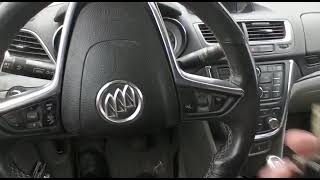
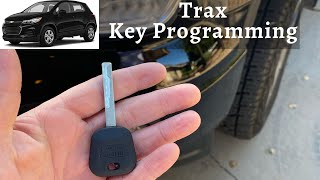

We Have This Part in Stock
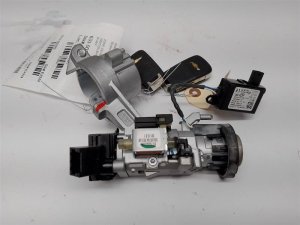



The information in this article is provided for general reference and educational purposes only. Vehicle specifications, procedures, and part compatibility can vary by production date, trim level, and region. Always consult your vehicle's factory service manual and verify part numbers before purchasing or performing repairs. Safety-critical components such as airbags, seat belts, and braking systems should be installed by a qualified professional.
- Buick ENCORE:
- 🎬 Helpful Videos
- 🛍️ Shop This Part
- What's Unique About the 2013-2020 Buick ENCORE
- Diagnostic Flowchart
- Symptoms You May Notice
- Most Likely Causes
- Rare But Worth Checking
- Diagnosis Steps
- Parts You'll Likely Need
- Related Codes That Often Appear With This One
- Technical Service Bulletins (TSBs) & Recalls
- Platform-Specific Known Issues
- Hidden / Shadow Codes Worth Checking
- Scan Tool Commands That Help
- Wiring & Ground Locations
- Real Owner Repair Stories
- "I Checked Everything" — The Actual Cause
- OEM Part Supersession History
- Model Year Variations Within This Range
- 🎟️ Get 5% Off