

B3000 on 2012-2015 Mazda MAZDA5: Immobilizer & BCM Failure Code
Code B3000 on a 2012-2015 Mazda5 is a manufacturer-specific code that, while not universally defined in public databases, strongly points to a fault within the immobilizer system, often caused by an internal failure of the Body Control Module (BCM). Symptoms typically include a no-start condition with a flashing security light. Diagnosis requires advanced scan tools, and repair involves module replacement and programming.
- B3000 on a Mazda5 is a manufacturer-specific code indicating an immobilizer system fault, most often due to an internal Body Control Module (BCM) failure.
- The most common symptoms are a complete no-start condition accompanied by a flashing red 'key/lock' security light on the dash.
- Do-It-Yourself repair is not feasible, as BCM replacement requires dealer-level programming to sync with the vehicle and keys.
- Before condemning the BCM, always perform a load test on the battery, as low voltage is known to cause identical symptoms on this platform.
- Always check for accompanying 'U' codes (like U0140) which confirm a communication loss with the BCM.
What's Unique About the 2012-2015 Mazda MAZDA5
The 2012-2015 Mazda5 shares its core electronic architecture with the second-generation Mazda3. On these platforms, the Body Control Module (BCM) is the central hub for the immobilizer, keyless entry, and various other cabin electronics. A BCM failure can cause a complete communication breakdown on the vehicle's network, preventing the engine from starting because the immobilizer cannot validate the key. A known characteristic of these Mazda models is their sensitivity to low battery voltage, which can cause the BCM to 'brick' or lock out, preventing ignition until fault codes are cleared with an advanced scan tool.
Diagnostic Flowchart
Tap your situation to follow the diagnostic path that matches what you're seeing on this vehicle.
Symptoms You May Notice
- Vehicle will not start (crank-no-start or no-crank-no-start)
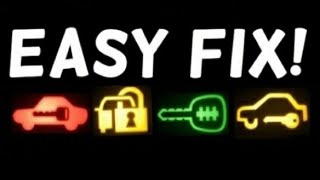
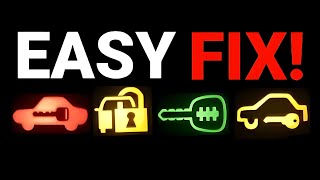
- Flashing red security indicator light (car with a lock symbol) on the dashboard. 🎬 See how to reset the flashing security light
- Key not being recognized by the vehicle, even when using the key fob to press the start button.
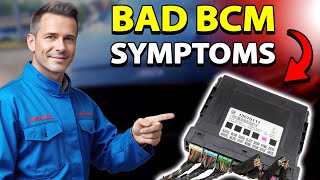
- Erratic behavior of electronics: power locks cycling, wipers activating on their own, or lights flickering. 🎬 Watch: 5 common symptoms of a failing BCM
- Parasitic battery drain, causing the battery to die overnight.
- Multiple unrelated warning lights on the instrument cluster, often described as a 'Christmas tree' effect.
- Inability to communicate with the BCM using a diagnostic scanner.
- Replacing the battery without performing a load test and checking the charging system. A new battery can be quickly drained by a parasitic draw caused by a faulty BCM.
- Replacing the Engine Control Module (ECM/PCM). This is a 'B' (Body) code related to security and electronics, not powertrain management. The PCM is a separate module.
- Condemning the BCM without first checking for poor ground connections, especially if the vehicle has a history of collision repair.
Most Likely Causes
- Body Control Module (BCM) Internal Failure 🔴 High Probability The BCM on this platform manages numerous critical functions, including the immobilizer. Over time, internal electronic components can fail, leading to processing errors that trigger a B3000 code and prevent the car from starting.
How to confirm: A technician uses a Mazda-specific scan tool to check for communication with the BCM. If the module is unresponsive or explicitly reports an internal fault (like B3000), and all power/ground circuits to the BCM test good, the module itself is condemned.
Typical fix: Replacement of the Body Control Module. The new or used module must be programmed to the vehicle's VIN and have the keys registered to it.
Est. part cost: $450-$600 (New OEM) - Immobilizer System Fault (Key or Antenna) 🟡 Medium Probability The immobilizer system relies on communication between the transponder chip in the key and an antenna coil around the ignition. A damaged key (from being dropped or wet) or a faulty antenna can prevent the BCM from validating the key, triggering a security fault.
How to confirm: First, try a known-good spare key. If the spare key works, the original key is the issue. A locksmith or dealer can test the key's transponder signal. If neither key works, test the immobilizer antenna coil for an open circuit using a multimeter. If the coil is good, the fault is more likely the BCM.
Typical fix: Replacing a faulty key and programming the new one to the vehicle. Less commonly, the immobilizer antenna coil needs replacement.
Est. part cost: $50-$250 - Low Battery Voltage or Poor Ground Connection 🟡 Medium Probability Mazda vehicles of this era are notoriously sensitive to low voltage. A weak or dying battery can cause modules to behave erratically, lose communication, and set false codes. Poor ground connections, especially the main battery-to-chassis and engine/transmission grounds, can also cause a host of electrical issues that mimic module failure.
How to confirm: Perform a full battery and charging system test. A battery load test is essential. Visually inspect and voltage-drop test the main BCM ground points for corrosion or looseness.
Typical fix: Replacing a weak battery. Cleaning and securing ground connections. In some cases, clearing the fault codes after restoring proper voltage is all that is needed.
Est. part cost: $150-$300 (Battery)
Rare But Worth Checking
- Wiring or Communication (CAN Bus) Issue:
Diagnosis Steps
- Connect an advanced OBD-II scanner (e.g., FORScan, Autel) capable of reading Mazda-specific Body ('B') and Network ('U') codes. Note the specific module that stored the B3000 code.
- Perform a full vehicle network scan and document all DTCs present in all modules. Pay close attention to any 'U' codes.
- Thoroughly test the battery using a load tester, not just a voltmeter. Check the alternator's output voltage.
- If the battery is weak, charge or replace it, clear all codes, and see if the B3000 returns. Some Mazda modules can 'lock out' from low voltage and require a code clear to function again.
- Attempt to start the vehicle with a known-good spare key to rule out a faulty key transponder.
- Inspect all fuses related to the BCM, immobilizer, and ignition system in the cabin and engine bay fuse boxes.
- Locate the BCM (behind the passenger glove box) and inspect its connectors and nearby wiring for signs of damage, corrosion, or aftermarket modifications (e.g., remote start).
- If all the above steps fail, a professional technician should perform voltage drop tests on the BCM's power and ground circuits before condemning the module.
Parts You'll Likely Need
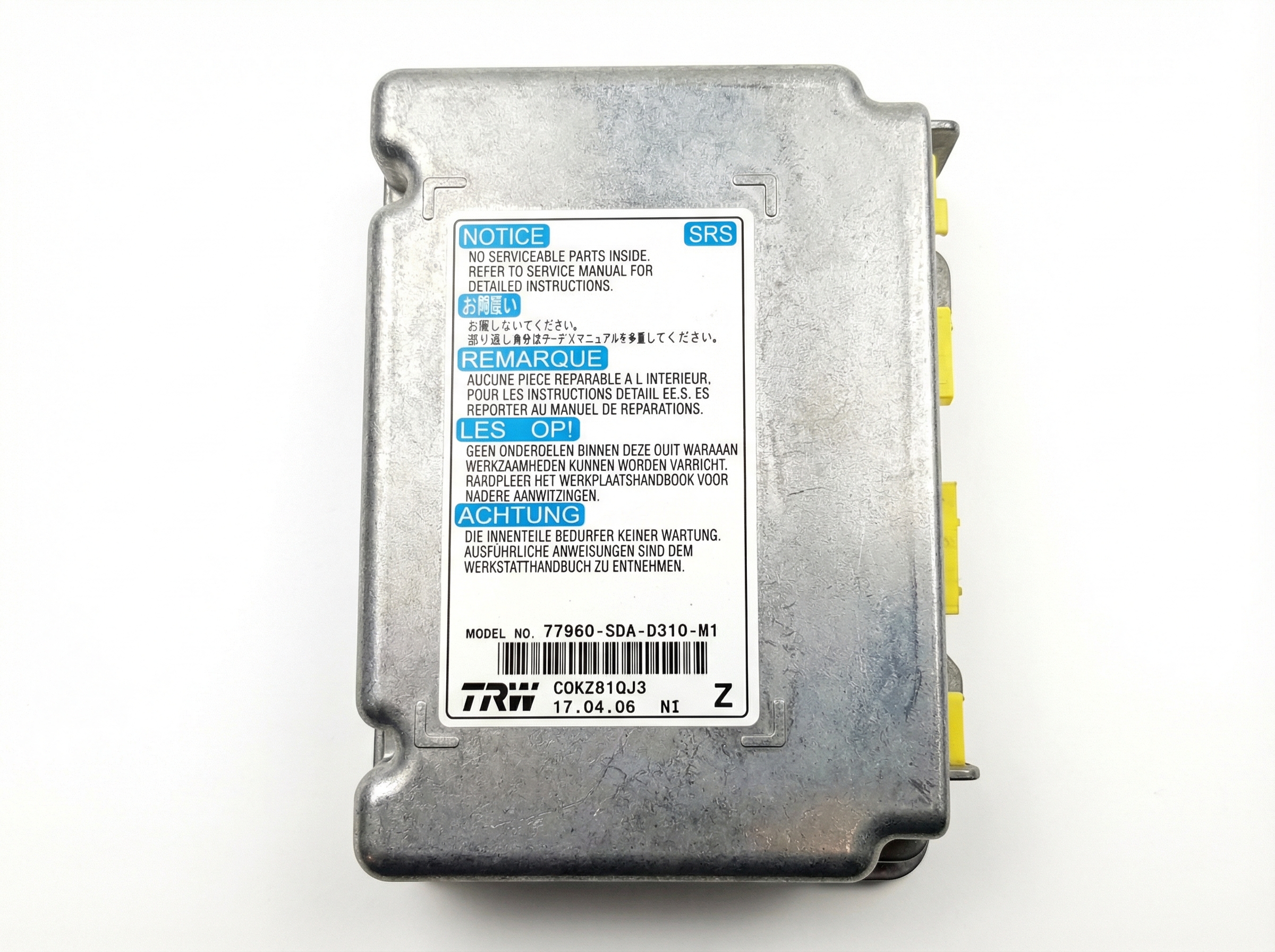
- Body Control Module (BCM)
(OEM #CG36-67-561 (supersedes CG37-67-561))— This code, combined with no-start and security light symptoms, most often points to an internal failure of the BCM, which houses the immobilizer logic.
Trusted brands: Mazda (OEM)
OEM price range: $450-$570
Aftermarket price range: $150-$250 (used/remanufactured, but requires exact part number match and programming)
Related Codes That Often Appear With This One
- U0140 — This code means 'Lost Communication With Body Control Module'. It is frequently stored in other modules (like the PCM or instrument cluster) when the BCM fails internally and stops broadcasting on the vehicle's CAN network.
- U3003:16 or U3003:17 — This code indicates 'Battery Voltage - Circuit Voltage Below/Above Threshold'. A failing BCM can cause this, but more often, a weak battery or faulty alternator is the root cause for all the electrical issues, including the B3000.
Technical Service Bulletins (TSBs) & Recalls
- MT-002-21a
- MT-002-21
Platform-Specific Known Issues
- Voltage Sensitivity Lock-Out: A unique issue on these Mazdas is the BCM's tendency to enter a 'bricked' or non-responsive state when battery voltage drops too low. This can cause a total no-start, no-ignition condition that appears to be a catastrophic module failure. However, sometimes simply installing a fully charged battery and clearing the codes from the immobilizer/keyless entry module can restore function.
Mechanic-Grade Diagnostic Values
- Immobilizer Antenna Coil Resistance — expected: A low resistance reading, typically between 0.4 and 2.0 ohms. The key is to not have an open circuit.. Failure: An 'OL' (Open Loop) or infinite resistance reading on a multimeter indicates the coil is broken and needs replacement.
- Immobilizer Module Power Supply — expected: At least one pin on the immobilizer module's connector should show full battery voltage (approx. 12V) with the key in the ON position.. Failure: Absence of 12V power indicates a problem with the fuse or wiring supplying the module, not necessarily the module itself.
Scan Tool Commands That Help
- FORScan / Mazda MDARS: Parameter Reset — This function is required after installing a new or used BCM or immobilizer module to initialize it to the vehicle before programming keys.
- FORScan / Mazda MDARS: Ignition Key Erase / Erase All Keys — This function must be performed before programming new keys, especially when a key is lost or when replacing the BCM. It clears the PATS (Passive Anti-Theft System) memory. At least two keys are required for the subsequent programming process.
- FORScan / Mazda MDARS: Ignition Key Programming — This is the final step used to program at least two separate keys to the newly installed and reset BCM. The vehicle will not start until at least two keys are successfully programmed.
Wiring & Ground Locations
- Body Control Module (BCM) — Located behind the dashboard on the passenger side. Access requires removing the glove box assembly.. This is the location of the primary module associated with code B3000. All wiring checks, power/ground tests, and the eventual replacement happen here.
- Main Engine/Transmission Ground — A primary ground strap connects from the negative battery terminal to the chassis and also to the engine/transmission assembly. A key ground point is often located on a bracket on top of the transmission.. A poor main engine or transmission ground can cause voltage instability across all vehicle modules, including the BCM, leading to communication errors and false fault codes like B3000.
OEM Part Supersession History
CG37-67-561→CG36-67-561— This is a standard part revision by the manufacturer. The newer part number is the correct service replacement.
Heads up: No known incompatibility. CG36-67-561 is the direct replacement for CG37-67-561 for the 2012-2015 Mazda5.
Helpful Videos



We Have This Part in Stock


The information in this article is provided for general reference and educational purposes only. Vehicle specifications, procedures, and part compatibility can vary by production date, trim level, and region. Always consult your vehicle's factory service manual and verify part numbers before purchasing or performing repairs. Safety-critical components such as airbags, seat belts, and braking systems should be installed by a qualified professional.
- Mazda MAZDA5:
- 🎬 Helpful Videos
- 🛍️ Shop This Part
- What's Unique About the 2012-2015 Mazda MAZDA5
- Diagnostic Flowchart
- Symptoms You May Notice
- Most Likely Causes
- Rare But Worth Checking
- Diagnosis Steps
- Parts You'll Likely Need
- Related Codes That Often Appear With This One
- Technical Service Bulletins (TSBs) & Recalls
- Platform-Specific Known Issues
- Mechanic-Grade Diagnostic Values
- Scan Tool Commands That Help
- Wiring & Ground Locations
- OEM Part Supersession History
- 🎟️ Get 5% Off