

B2955 on 2015-2016 Chevrolet Trax: Security Light and Immobilizer Fixes
On a 2015-2016 Chevy Trax, code B2955 is almost always caused by a software glitch in the Body Control Module (BCM). The fix is a simple BCM reprogram at a dealership or qualified shop, which typically costs between $125 and $250. GM issued a TSB (#16-NA-128) that explicitly states not to replace any parts for this condition.
- For a 2015-2016 Chevy Trax, B2955 almost always means you need a BCM software update, not new parts.
- Do not replace the immobilizer antenna, keys, or BCM before having a dealer check for the TSB #16-NA-128 update.
- Symptoms include a security light and a no-start or start-and-stall condition.
- The repair requires a trip to a dealer or shop with GM programming tools and typically costs between $125 and $250.
- Driving is not recommended as the vehicle's anti-theft system can disable the engine at any time, leaving you stranded.
What's Unique About the 2015-2016 Chevrolet TRAX

Unlike many other vehicles where this code would point to a failed part, the 2015-2016 Trax and its platform-mates, the Buick Encore and Opel/Vauxhall Mokka, are known for setting this code due to a software issue. General Motors released Technical Service Bulletin 16-NA-128 acknowledging that the BCM can log a 'false circuit fault'. The official fix is not to replace hardware, but to perform a software update on the BCM, making a trip to the dealer or a qualified shop the most critical first step.
Diagnostic Flowchart

Tap your situation to follow the diagnostic path that matches what you're seeing on this vehicle.
Symptoms You May Notice

- Security indicator light is on or flashing in the instrument cluster.
- Vehicle will not crank or start (no-crank, no-start). 🎬 Watch: How to perform a GM security lockout reset procedure
- Engine starts and then immediately stalls.
- "Service Theft Deterrent System" message may appear on the driver information center (DIC).
- Replacing the immobilizer antenna before checking for the BCM software update.
- Replacing the ignition key without proper diagnosis.
- Replacing the Body Control Module (BCM) when only a software update is needed.
Most Likely Causes

- Body Control Module (BCM) Software Requires Update 🔴 High Probability A specific software calibration issue causes the BCM to incorrectly flag a fault with the immobilizer antenna circuit, as documented in GM Technical Service Bulletin #16-NA-128. The TSB states the cause is 'The BCM detects a false circuit fault on the immobilizer antenna circuits.'
How to confirm: A GM dealer or a shop with a subscription to GM's Service Programming System (SPS) can check the BCM's current software calibration against the latest version. If the update specified in TSB 16-NA-128 has not been performed, this is the confirmed cause.
Typical fix: Reprogram the Body Control Module (BCM) with the updated software calibration. The TSB explicitly states, 'Do not replace any parts for this condition.'
Est. part cost: $0 - Faulty Immobilizer Antenna ⚪ Low Probability
How to confirm: If the BCM has been updated and the code returns, the antenna circuit needs to be tested. A technician would use a multimeter to check for resistance and shorts in the circuit between the BCM and the antenna. Per service information, if resistance is 2 Ω or greater, there is high resistance in the circuit; if less than 1V is not present on the signal circuit, the BCM may be at fault.
Typical fix: Replace the immobilizer antenna (also called the transponder ring or exciter coil) located around the ignition lock cylinder. This may require programming.
Est. part cost: $30-$60 - Wiring or Connector Issue ⚪ Low Probability A separate service bulletin for some GM models notes that the immobilizer control module connector can become disconnected when the steering wheel is adjusted, causing a B2955 code. While less common than the software issue, it's a known potential point of failure.
How to confirm: Visually inspect the wiring harness and connectors between the immobilizer antenna and the BCM for any signs of damage, corrosion, or loose pins. Specifically check the immobilizer module connector under the steering column trim cover to ensure it is fully seated. Water damage in the center console area has also been reported to cause similar issues on other Chevrolet models.
Typical fix: Repair the damaged section of the wiring harness or clean/replace the affected connector. For the specific issue of the disconnected connector, GM specifies replacing the connector with P/N 13576530, not using a pigtail.
Est. part cost: $5-$50
Rare But Worth Checking
- Aftermarket Accessories: Poorly installed aftermarket remote starters or even decorative metal rings placed around the ignition cylinder can cause radio frequency interference (RFI), disrupting the signal between the key and the immobilizer antenna.
- Faulty Body Control Module (BCM): In very rare cases where the software update has been performed and all wiring and components test good, the BCM itself may have an internal hardware failure. This is a last resort diagnosis and would require replacement and programming.
Diagnosis Steps
- Connect a professional scan tool to verify the presence of code B2955 and any other related DTCs.
- Check for TSBs. Specifically, confirm if the fix for TSB #16-NA-128 has been applied to the vehicle. This is the most critical step.
- If the TSB has not been performed, have a GM dealer or qualified independent shop reprogram the BCM with the latest software. Ensure they maintain stable battery voltage (12.6V-15.5V) during the flash. Clear the codes and re-test.
- If the code returns after the update, perform a visual inspection of the wiring and connectors between the immobilizer antenna (at the ignition cylinder) and the BCM. Check for a disconnected connector per service bulletins.
- Test the immobilizer antenna circuit for proper resistance and continuity using a digital multimeter, following manufacturer-specific diagnostic procedures.
- If the wiring and antenna are confirmed to be good, the issue may lie with the BCM itself, but this is highly unlikely.
Parts You'll Likely Need
- Body Control Module (BCM) Reprogram — This is not a physical part, but a software update. It is the most common and manufacturer-recommended fix for this specific code on this vehicle.
Trusted brands: GM Service Programming System (SPS)
OEM price range: $125-$250 - Ignition Immobilizer Antenna
(OEM #13539917)— If the BCM reprogram does not resolve the issue, the antenna that reads the key chip may have failed. This is the most likely hardware component to be at fault. This part number supersedes 13518997 and 13527798.
Trusted brands: ACDelco, GM Genuine Parts
OEM price range: $40-$60
Aftermarket price range: $25-$45
Related Codes That Often Appear With This One
- B3055 — This code means 'No Transponder Modulation,' indicating the BCM cannot read the key's signal at all. It often appears with B2955 when there's a circuit or interference problem.
- B3935 — On some other GM vehicles like the 2014-2015 Silverado and Tahoe, TSB PI1180A notes that B2955 can appear with B3935 ('Transponder Authentication Failed') for a similar no-start condition also resolved by a BCM software update.
Technical Service Bulletins (TSBs) & Recalls
- 16-NA-128 / SB-16-NA-128: Addresses an intermittent security light and DTC B2955. The bulletin states the 'Cause' is 'The BCM detects a false circuit fault on the immobilizer antenna circuits.' The 'Correction' is to 'Reprogram the Body Control Module (BCM)' and it explicitly warns technicians, 'Do not replace any parts for this condition.'
Platform-Specific Known Issues
- A known software glitch in the Body Control Module causes it to falsely detect a fault in the immobilizer antenna circuit, making a software update the primary fix.
- The issue is not isolated to the Trax; it also affects its GM Gamma II platform-mates including the Buick Encore, Opel Mokka, and Holden Trax.
Mechanic-Grade Diagnostic Values
- Immobilizer Antenna Low Reference Circuit to Ground — expected: Less than 30 Ω. Failure: A reading greater than 30 Ω indicates an open or high resistance in the ground circuit (Terminal 1 at the antenna connector).
- Immobilizer Antenna Low Reference Circuit End-to-End — expected: Less than 2 Ω. Failure: If 2 Ω or greater, there is an open/high resistance in the circuit. If less than 2 Ω, the BCM may be at fault.
- Immobilizer Antenna B+ Circuit Voltage — expected: Test lamp illuminates for ~3 seconds when ignition is turned ON.. Failure: If the lamp does not light, it indicates a short to ground or an open/high resistance in the power circuit to the antenna.
- Immobilizer Signal Circuit Voltage (at BCM) — expected: Less than 1 V. Failure: Voltage of 1 V or greater suggests a short to voltage on the signal circuit.
Hidden / Shadow Codes Worth Checking
- B2955 00: The '00' is a symptom byte indicating a general 'Security Sensor Data Circuit' fault. It does not point to a specific failure mode (e.g., short to ground, open circuit) but confirms the BCM has detected a problem on the circuit. (see via This is typically visible on dealer-level scan tools like the GM GDS2.)
Scan Tool Commands That Help
- GM SPS (Service Programming System): Body Control Module Reprogramming — This is the primary fix for DTC B2955 on this vehicle, per TSB 16-NA-128. It updates the BCM software to correct a false fault detection.
- GM SPS (Service Programming System): Replace and Program BCM — Used when the BCM itself is physically replaced. This function writes the vehicle's VIN, RPO configuration (options), and security credentials to the new module.
- GM GDS2 / SPS: Immobilizer Learn — This function must be performed after programming or replacing the BCM to teach the module the specific transponder codes of the vehicle's keys. Service information specifies which learn procedure to use.
Wiring & Ground Locations
- Body Control Module (BCM) — Located under the dash on the driver's side, behind the lower knee bolster panel.. The BCM is the module that sets code B2955. It must be reprogrammed to fix the software glitch, and its connectors are the main test points for circuit diagnosis.
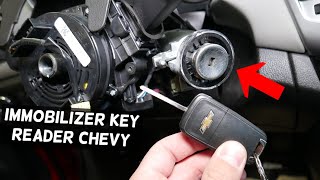
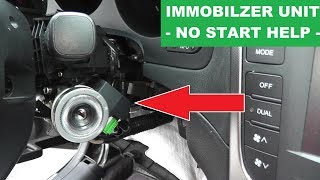
- B101 Immobilizer Antenna — A ring located around the ignition lock cylinder, accessible after removing the steering column covers.. This is the antenna that reads the key transponder. Its connector is where circuit tests for resistance and voltage are performed if the BCM reprogram does not fix the code.
- Instrument Panel Fuse Block — Located on the driver's side of the instrument panel, behind a storage compartment to the left of the steering wheel.. Contains fuses that supply power to the Body Control Module. A related issue on another model pointed to checking fuse BCM #6 (F21).
Real Owner Repair Stories
- 2CarPros Forum User (Chevrolet (model not specified, but symptoms and codes match)) — Code B2955 and B2900 set, car is not detecting any keys that are being programmed.
❌ Tried (didn't work) Attempting to program new keys.
✅ What actually fixed it The user recalled spilling water in the cup holder. Upon inspection, water damage and burned wiring were found under the center console. The confirmed fix required repairing the damaged wiring before any programming could be successful.
OEM Part Supersession History
13518997, 13527798→13539917— Standard part revision and consolidation by the manufacturer.
Heads up: No incompatibility noted. The new part number (13539917) is the correct service replacement for the older numbers. Parts catalogs note that the new part may still be labeled with one of the old numbers.
Helpful Videos
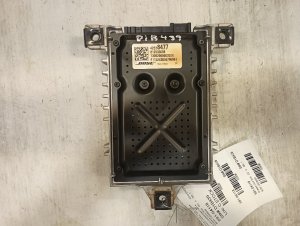
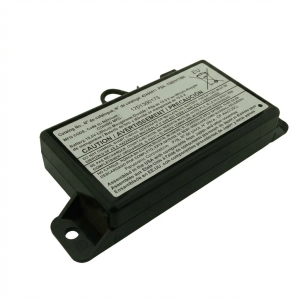
Used OEM Parts in Stock




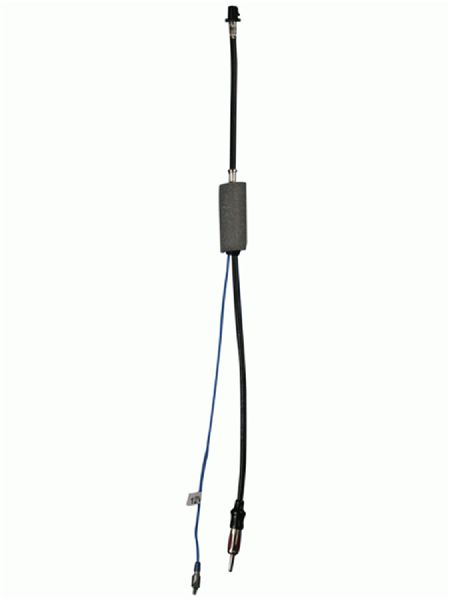
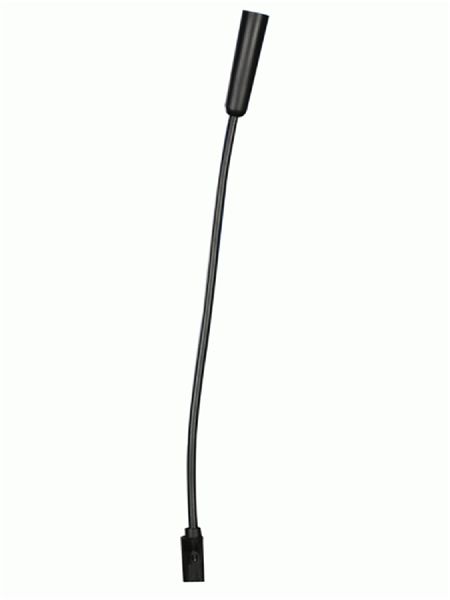
New Aftermarket Parts Available

The information in this article is provided for general reference and educational purposes only. Vehicle specifications, procedures, and part compatibility can vary by production date, trim level, and region. Always consult your vehicle's factory service manual and verify part numbers before purchasing or performing repairs. Safety-critical components such as airbags, seat belts, and braking systems should be installed by a qualified professional.
- Chevrolet TRAX:
- 🎬 Helpful Videos
- 🛍️ Shop This Part
- What's Unique About the 2015-2016 Chevrolet TRAX
- Diagnostic Flowchart
- Symptoms You May Notice
- Most Likely Causes
- Rare But Worth Checking
- Diagnosis Steps
- Parts You'll Likely Need
- Related Codes That Often Appear With This One
- Technical Service Bulletins (TSBs) & Recalls
- Platform-Specific Known Issues
- Mechanic-Grade Diagnostic Values
- Hidden / Shadow Codes Worth Checking
- Scan Tool Commands That Help
- Wiring & Ground Locations
- Real Owner Repair Stories
- OEM Part Supersession History
- 🎟️ Get 5% Off