

B2462 on 2015-2018 Chevrolet Silverado 3500: GPS Antenna Failure and Water Leak Fix
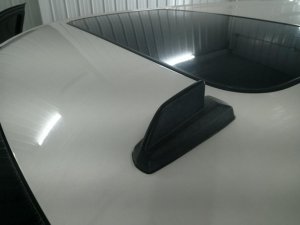
On a 2015-2018 Silverado 3500, code B2462 almost always means the roof-mounted 'shark fin' antenna has failed due to a water leak. This disables GPS, OnStar, and XM Radio. The root cause is a well-documented design flaw where water enters the antenna housing and corrodes the internal electronics. The fix is to replace the entire antenna assembly with an updated part and apply clear automotive seam sealer to the new gasket, a job costing between $115 and $180 for the part.
- B2462 on a 2015-2018 Silverado 3500 is almost certainly caused by a failed 'shark fin' roof antenna due to a known design flaw.
- The root cause is a water leak from a bad gasket and an internal housing design that traps water, corroding the electronics.
- Symptoms are consistent: loss of GPS, OnStar, and XM radio, often with visible water stains on the headliner.
- The official fix is to replace the antenna with an updated part and apply clear automotive seam sealer to the gasket as per TSB 17-NA-214.
- This is a common issue across the entire 2015-2018 GM K2XX platform, including Sierra, Tahoe, Yukon, and Escalade models.
What's Unique About the 2015-2018 Chevrolet SILVERADO 3500
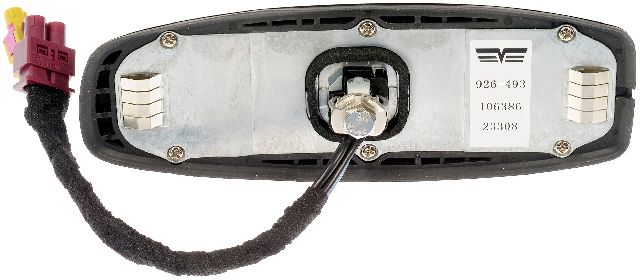
This generation of GM trucks (K2XX platform) is well-known for this specific failure. The gasket at the base of the 'shark fin' antenna is prone to degrading, but more critically, the original antenna housing design traps water internally. Water enters, corrodes the internal circuit board, and cannot escape. This water intrusion causes the signal loss that triggers code B2462 🎬 Watch: Diagnosing B2462 and red OnStar light issues and often leads to visible water stains on the interior headliner. GM acknowledged this issue with Technical Service Bulletin (TSB) #17-NA-214, which outlines the problem and the updated repair procedure involving a redesigned antenna and seam sealer. The updated antenna has a relocated drain hole at the bottom to prevent water from pooling inside.
Diagnostic Flowchart
Tap your situation to follow the diagnostic path that matches what you're seeing on this vehicle.
Symptoms You May Notice
- GPS navigation system inoperative or shows a 'No GPS' symbol with a red line through it.
- Red indicator light on the OnStar button.
- OnStar services are unavailable or cannot locate the vehicle.
- XM Satellite Radio has 'No Signal' or poor reception.
- Visible water stains on the headliner, typically near the overhead console or sun visors.
- Dampness or water dripping from the overhead console area or microphone grille during or after rain.
- A potential weak or dead battery concern, as noted in TSB 17-NA-214, if the water leak migrates to other modules.
- Replacing the infotainment head unit (radio) when the actual fault is with the roof antenna or its wiring.
- Attempting to seal the old antenna from the outside with silicone without replacing it. This usually fails because the water often enters the housing itself, not just the base, and travels down the wiring.
- Replacing the antenna but failing to use seam sealer on the new gasket, leading to a repeat failure.
Most Likely Causes
- Failed Roof Antenna Assembly (Water Intrusion) 🔴 High Probability The original antenna gasket and housing design is susceptible to failure, allowing water to enter and corrode the internal electronics. This is a widely documented issue covered by GM TSB #17-NA-214 and PIT5362B. The updated part has a relocated drain hole to mitigate this.
How to confirm: Visually inspect the headliner below the antenna for water stains. Also, inspect the exterior antenna base for a cracked or deteriorated gasket. A water test using a hose around the antenna base can confirm an active leak. The simultaneous failure of GPS, OnStar, and XM radio strongly points to the antenna assembly.
Typical fix: Replace the entire roof antenna assembly with an updated OEM part. It is critical to apply a bead of clear automotive seam sealer (such as Kent Automotive High-Tech Clear Seam Sealer) around the new antenna's gasket during installation to prevent future leaks, as recommended by TSB #17-NA-214.
Est. part cost: $115-$180 - Damaged Antenna Coaxial Cable ⚪ Low Probability
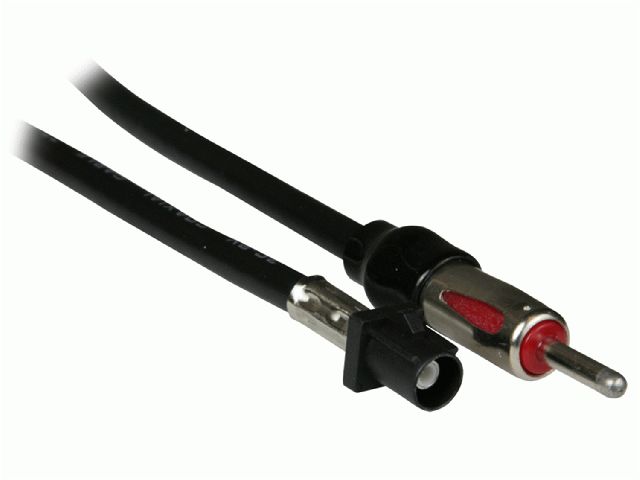
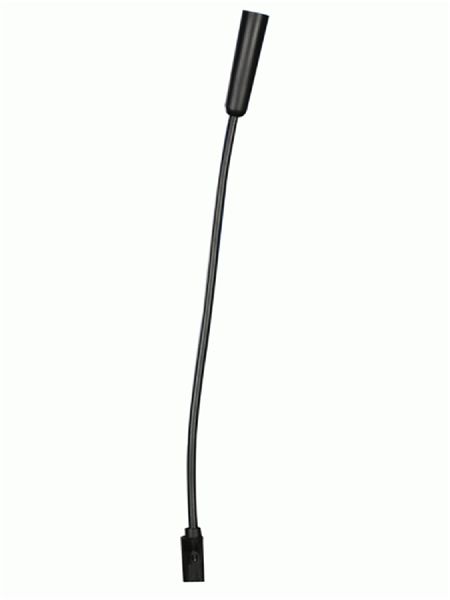
How to confirm: After lowering the headliner to access the antenna, inspect the cable and its connectors for any signs of corrosion (green or white powder), pinching, or physical breaks between the antenna and the radio/telematics module. This is most often caused by the same water leak that damages the antenna itself. A multimeter can be used to test the cable: continuity should be less than 5 ohms, and there should be infinite resistance (>10k ohms) between the center pin and the outer shield.
Typical fix: Repair the damaged section of the cable or replace the entire coaxial cable assembly. Often, the corrosion is at the connector, which can sometimes be cleaned, but replacement is more reliable.
Est. part cost: $20-$50 - Faulty Radio or Telematics Module (VCIM) ⚪ Low Probability In rare cases, a severe water leak from the antenna can travel down the A-pillar and cause corrosion damage to the Body Control Module (BCM) or fuse block (LH I/P BEC), but the module itself failing is uncommon.
How to confirm: This should only be considered after the antenna and its wiring have been confirmed to be in good condition. Diagnosis requires a professional scan tool to check the module's status and inputs. Inspect the BCM/fuse block area for signs of water intrusion if a major leak was present.
Typical fix: Replace the faulty module. This often requires programming by a dealership or qualified shop to match the vehicle's VIN and options.
Est. part cost: $200-$500
Diagnosis Steps
- Confirm the presence of code B2462 using an OBD-II scanner. Note any other codes like B2470 or B125C, which strongly point to the antenna assembly.
- Inspect the interior headliner directly below the roof antenna for any water stains or dampness. This is a strong indicator of the common failure.
- Inspect the exterior 'shark fin' antenna base for cracks, brittleness, or a visible gap between the gasket and the roof.
- If a leak is suspected, perform a controlled water test by running water over the antenna base and observing for leaks inside the cabin.
- Gain access to the antenna connections by carefully lowering the front passenger side of the headliner. This typically involves removing the passenger-side sun visor (T15 Torx screws), visor clip, and A-pillar grab handle (10mm bolts).
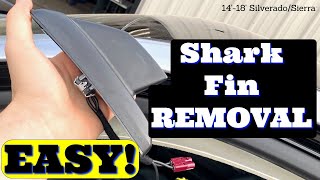
- Using a 10mm stubby wrench or socket, remove the single nut securing the antenna to the roof.
- Disconnect the antenna's electrical connectors and inspect them for any green or white corrosion caused by water damage.
- Given the high failure rate, if water stains or a bad gasket are present, the most effective step is to replace the antenna assembly. Inspect the inside of the old antenna for corrosion.
- Before installing the new antenna, clean the roof surface thoroughly. Apply a 4-5mm bead of clear automotive seam sealer to the new antenna's gasket as per TSB 17-NA-214.
- Install the new antenna, reconnect the wiring, and re-install the interior trim.
- Clear the codes and verify that GPS, OnStar (green light), and XM Radio functions have been restored.
Parts You'll Likely Need
- Roof Antenna Assembly
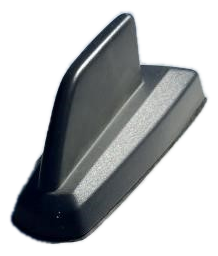
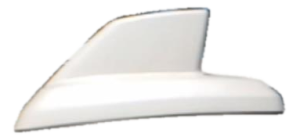
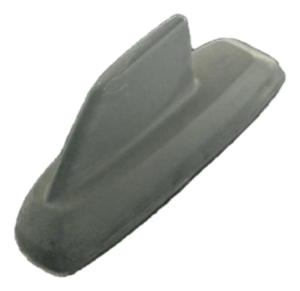
(OEM #84346784)— This is the complete 'shark fin' unit that fails due to internal water intrusion, causing code B2462. The original part is defective, and replacement with an updated part is the standard repair. This part number supersedes older numbers like 23258454. Part number may vary by vehicle color.
Trusted brands: ACDelco (GM Genuine)
OEM price range: $115-$180
Aftermarket price range: $80-$150 - Clear Automotive Seam Sealer
(OEM #Kent Automotive P10200)— Explicitly recommended by GM TSB #17-NA-214 to apply to the new antenna's gasket to create a durable, waterproof seal and prevent a repeat failure.
Trusted brands: Kent Automotive High-Tech Clear Seam Sealer, 3M Clear Seam Sealer
OEM price range: $20-$30
Aftermarket price range: $15-$25
Related Codes That Often Appear With This One
- B2470 — This code relates to the Cellular Antenna circuit and is often set alongside B2462 because the same water intrusion that damages the GPS antenna also damages the cellular components within the same 'shark fin' housing. It is explicitly mentioned in TSB #17-NA-214.
- B125C — This code is a more general code for an antenna fault and is also mentioned in TSB #17-NA-214 as a possible companion code to B2462.
Technical Service Bulletins (TSBs) & Recalls
- Bulletin #17-NA-214: Addresses customer concerns of OnStar, XM, GPS or antenna malfunction, which may set DTC B2462, B2470 or B125C, and/or a water leak on the headliner. It also mentions a 'possible battery drain concern'. The fix involves replacing the antenna and applying seam sealer.
- Bulletin #PIT5362B: An earlier bulletin for 2015 models that first identified the water intrusion issue into the antenna body and recommended replacement with the latest part number. It advises against using sealant, a recommendation superseded by TSB 17-NA-214.
Platform-Specific Known Issues
- A known design flaw in the roof antenna assembly allows water to leak into the vehicle, which can travel down wiring and potentially cause corrosion in other electrical components like the Body Control Module (BCM) or the left-hand instrument panel fuse block (BEC) if left unaddressed, possibly leading to a dead battery. [8, 11, Bulletin #17-NA-214]
Mechanic-Grade Diagnostic Values
- GPS Antenna Coaxial Cable Power Feed — expected: 4.0-5.5 Volts. Failure: Voltage outside this range suggests a fault in the head unit or telematics module, not the antenna.
- Coaxial Cable Center Conductor End-to-End Resistance — expected: Less than 5.0 Ω. Failure: Higher resistance indicates an open or break in the cable.
- Coaxial Cable Isolation (Center Conductor to Outer Shield) — expected: Greater than 10k Ω (Infinite Resistance). Failure: Lower resistance indicates a short circuit between the conductor and the shield.
Hidden / Shadow Codes Worth Checking
- B2462-04: Global Positioning System (GPS) Open Circuit. This is the most common failure type for this issue, caused by water corroding the internal antenna electronics. (see via Requires a professional scan tool like the GM GDS2 to view the two-digit symptom code (failure byte).)
- B2462-02: Global Positioning System (GPS) Short to Ground. Indicates the antenna's signal circuit is shorted to ground. (see via Requires a professional scan tool like the GM GDS2 to view the two-digit symptom code (failure byte).)
- B2462-01: Global Positioning System (GPS) Short to Battery. Indicates the antenna's signal circuit is shorted to a power source. (see via Requires a professional scan tool like the GM GDS2 to view the two-digit symptom code (failure byte).)
Scan Tool Commands That Help
- GM GDS2: Module Diagnostics > Telematics Communication Interface Control Module > DTC Information — Use this to read the specific B2462 fault code along with its crucial two-digit symptom code (-02 or -04) to confirm the nature of the electrical fault (short vs. open) before starting physical repairs.
- GM GDS2: Module Diagnostics > Telematics Communication Interface Control Module > Data Display — After replacement, use this to monitor live data parameters like 'GPS Signal Status' or 'Number of Satellites Tracked' to verify the new antenna is functioning correctly before reassembling the interior trim.
Wiring & Ground Locations
- K115 / K74 — The Telematics Communication Interface Control Module (VCIM / OnStar Module) is located behind the instrument panel, often accessible by removing the glove box assembly.. This module sets DTC B2462. The GPS antenna's coaxial cable connects directly to it. In rare cases of severe water intrusion, the leak can travel down the harness and cause corrosion at this module's connector.
- G303 / G304 — These are chassis ground points located on the right side of the instrument panel support structure, near the A-pillar and behind the glove box area.. The K115 Telematics module relies on a solid chassis ground. While a bad ground is a very rare cause for this specific code, verifying a low-resistance path to ground from the module's ground circuit is a valid diagnostic step if a new antenna does not fix the issue.
- Antenna Retaining Nut — Located on the underside of the roof, accessible by partially lowering the headliner.. This is the physical fastener for the antenna. It is a 10mm nut, and technicians highly recommend using a stubby ratcheting wrench for the tight space.
Real Owner Repair Stories
- YouTube channel 'TruckNerd' (2015-2018 GM Full-Size SUV (Yukon/Tahoe platform, same antenna design as Silverado)) — No GPS signal (icon with a slash through it), red OnStar light, no XM radio reception, and visible water stains on the A-pillar trim and headliner.
❌ Tried (didn't work) The video directly identifies the antenna as the primary suspect based on the common symptoms and TSBs, skipping other diagnostic steps.
✅ What actually fixed it The entire roof-mounted 'shark fin' antenna was replaced. The old unit was shown to have a flawed design where the drain hole trapped water. The new, updated part had a drain hole at the bottom. Clear seam sealer was applied to the new gasket per TSB 17-NA-214. After replacement, the OnStar light turned green and the GPS location was acquired correctly. - gm-trucks.com forum user (2015 GMC Sierra) — Red OnStar light, 'No GPS' on navigation screen, and DTC B2462.
❌ Tried (didn't work) Clearing codes without performing a repair.
✅ What actually fixed it The user replaced the roof 'shark fin' antenna assembly. After replacement, the GPS function returned immediately, and the OnStar light turned green after a short drive.
OEM Part Supersession History
23258454 (and others depending on color)→84346784 (and others depending on color)— The original antenna design had a flawed drain hole location that trapped water inside the housing, leading to corrosion and failure. The updated design relocates the drain hole to the bottom of the unit to allow moisture to escape properly.
Heads up: Part numbers are specific to vehicle color and options (e.g., satellite radio). Always order using the VIN to ensure a color-matched, compatible part. While functionally interchangeable, using the wrong part will result in a mismatched color on the roof.
Model Year Variations Within This Range
- 2015-2018: The recommended repair procedure changed over time. The initial bulletin (PIT5362B for 2015 models) advised against using sealant. The later, superseding bulletin (17-NA-214 for 2015-2018 models) explicitly instructs technicians to apply a bead of clear automotive seam sealer to the new antenna gasket, making it a critical step for a durable repair.
Helpful Videos
Used OEM Parts in Stock
New Aftermarket Parts Available


The information in this article is provided for general reference and educational purposes only. Vehicle specifications, procedures, and part compatibility can vary by production date, trim level, and region. Always consult your vehicle's factory service manual and verify part numbers before purchasing or performing repairs. Safety-critical components such as airbags, seat belts, and braking systems should be installed by a qualified professional.
- Chevrolet SILVERADO 3500:
- 🎬 Helpful Videos
- 🛍️ Shop This Part
- What's Unique About the 2015-2018 Chevrolet SILVERADO 3500
- Diagnostic Flowchart
- Symptoms You May Notice
- Most Likely Causes
- Diagnosis Steps
- Parts You'll Likely Need
- Related Codes That Often Appear With This One
- Technical Service Bulletins (TSBs) & Recalls
- Platform-Specific Known Issues
- Mechanic-Grade Diagnostic Values
- Hidden / Shadow Codes Worth Checking
- Scan Tool Commands That Help
- Wiring & Ground Locations
- Real Owner Repair Stories
- OEM Part Supersession History
- Model Year Variations Within This Range
- 🎟️ Get 5% Off