

OBD-II Code B2313: Glass Position Initialization Incomplete
What B2313 means, why it triggers, and how to fix it
- Code B2313 indicates a power window or mirror has lost its position memory, occurring in 90% of cases immediately after a 12V battery replacement or disconnect.
- Fix this code for $0 by performing a manual re-initialization: hold the affected window switch down for 5 seconds after opening, then up for 5 seconds after closing.
- Driving with a B2313 code is safe, but you will lose convenience features like 1-touch auto-windows and, on 2019+ Subarus, critical safety systems like Blind Spot Detection.
- Verify your manufacturer's specific definition before buying parts: B2313 means a window fault on Toyotas, a $1,000+ power mirror failure on Fords, and a rear radar communication error on Subarus.
What Does B2313 Mean?

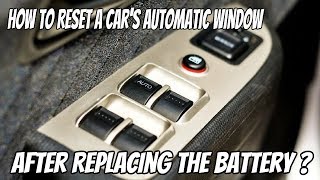
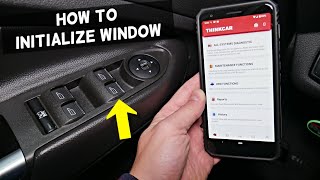
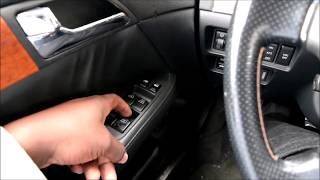
The B2313 code means the vehicle's computer detects a power window or power mirror has lost its memory for set positions. This happens almost exclusively after disconnecting or replacing the 12V battery. The system requires a manual 're-teach' of the fully open and closed positions to restore 'auto up/down' functions. 🎬 Watch: How to restore the auto up/down feature after a battery disconnect. On specific makes like Subaru or Ford, this code points to entirely different systems, such as a disabled blind-spot monitor or a failed power mirror sensor.
Technical definition: The official SAE/ISO definition for B2313 is "Glass Position Initialization Incomplete". It indicates the ECU for a specific power window regulator motor assembly detects an uninitialized motor. Manufacturers also use this code for "Mirror Passenger Horizontal Feedback Potentiometer Circuit Open" (Ford), "Rear Headrest Switch Circuit" (Chevrolet), or "VDC Fail Detection" in the rear radar assembly (Subaru).
Can I Drive With B2313?
Yes. This code does not affect the vehicle's primary engine, braking, or safety systems. It is safe to drive, but power window, mirror, or driver-assist functions will not work correctly until fixed. On 2019+ Subaru models, you lose blind-spot monitoring and rear cross-traffic alerts, requiring extra caution when changing lanes or reversing.
Common Causes

- Lost Initialization After Battery Disconnect/Replacement (Very Common) — Disconnecting or replacing the vehicle's 12V battery clears the memory in the door control modules, requiring a manual re-initialization procedure. A TSB for 2019-2025 Toyota RAV4s confirms B2313 stores if the auxiliary battery is disconnected while the ignition is on.
- Failed or Failing Power Window Motor/Pulse Sensor (Common) — The window motor contains a pulse sensor (Hall effect sensor) to track position. If this sensor malfunctions, the system cannot learn the window's position, preventing initialization and triggering the code.
- Faulty Door Control Module or Master Switch (Common) — The main switch panel in the driver's door, or its controlling module, malfunctions. This prevents it from sending or receiving the correct signals to initialize or operate the window or mirror.
- Damaged Door Jamb Wiring or Loose Connectors (Less Common) — Wires inside the door's rubber boot break from repeated opening and closing. A loose or corroded connector at the motor or switch interrupts communication, sometimes causing a short between the Hall sensor signal wires.
- Blown Power Window/Mirror Fuse (Rare) — A blown fuse for the power window, power mirror, or door module circuit cuts all power, making initialization impossible. This is a symptom of a deeper electrical short circuit.
- BCM/VDC Communication Failure (Subaru) (Rare) — On modern Subaru models, B2313 triggers due to a communication failure between the Vehicle Dynamics Control (VDC) and the blind-spot detection radar module, not a window issue. It appears with codes like C1711 or B2809.
- Incorrectly Secured Replacement Battery (Toyota RAV4) (Rare) — A safety recall (23TA13) for 2013-2018 Toyota RAV4s shows that an improperly secured 12V battery moves during turns, causing a short circuit. This leads to electrical issues, fire risk, and module memory loss.
Symptoms

- Power window 'auto up/down' feature doesn't work — The window only moves while holding the button; the one-touch automatic function is disabled.
- Window cannot be controlled from the master (driver's) switch — A specific window, like the passenger's, only works from its own door switch but ignores commands from the driver's master control panel.
- 'Window Opened' message on dashboard (Toyota/Lexus) — Toyota and Lexus models display a persistent 'Window Opened' warning message on the dash when the car is turned off, even if all windows are closed.
- Blinking light on the power window switch — The indicator light on the window switch flashes, signaling a fault or that initialization is required.
- Power mirrors won't adjust or return to memory position — If the code applies to mirrors (common on Fords), they do not respond to the control switch or fail to return to a memory position due to a feedback potentiometer circuit fault.
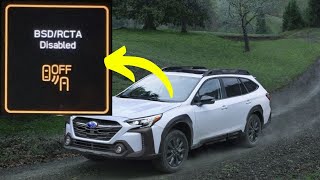
- Blind Spot Detection or VDC warning light is on (Subaru) — On Subaru models, this code disables the Blind Spot Detection (BSD) or Vehicle Dynamics Control (VDC) system, illuminating warning lights on the dashboard.
Diagnostic Flowchart
Tap your situation to follow the diagnostic path that matches what you're seeing on this code.
Common Fixes & Costs
- Re-initializing the Power Window System — Parts: $0, Labor: $0 - $60, ~0.2 hr book time (DIY)
- Replacing the Master Power Window Switch — Parts: $75 - $400, Labor: $50 - $150, ~0.7 hr book time (DIY)
- Replacing a Power Window Motor — Parts: $50 - $400, Labor: $120 - $250, ~2.1 hr book time (Intermediate)
- Replacing Side Mirror Assembly (Ford) — Parts: $300 - $2,100+, Labor: $50 - $150, ~1.5 hr book time (Professional)
- Replacing a Door Control Module — Parts: $200 - $500, Labor: $100 - $250, ~1.5 hr book time (Professional)
DIY vs Professional
- Re-initializing the Power Window System — Beginner:
- Replacing the Master Power Window Switch — Beginner:
- Replacing a Power Window Motor — Beginner:
- Replacing a Door Control Module — Beginner:
Used vs. New Parts: Buying Guide
When a used part is worth it: For a common failure part like a window motor or master switch on an older vehicle (>10 years, >120k miles), a used OEM part from a reputable salvage yard offers significant savings. Choose this when the budget is tight and you accept a shorter part lifespan.
Donor-vehicle mileage cap: roughly under 100000 miles for the part to have meaningful remaining life.
Donor quality checklist:
- Verify the part number exactly, as options change wiring pinouts.
- For switches, check for wear on the button graphics.
- For motors, ask about the donor vehicle's mileage and reason for salvage (accident damage is better than electrical failure).
- Prefer donors from dry, warm climates to avoid corrosion on electrical contacts.
Decision logic:
- If The fix is a simple re-initialization → No parts needed.
- If Vehicle is < 5 years old OR the part is a complex module → Buy new OEM. The risk of incompatibility or premature failure with used/aftermarket is too high, and programming is required.
- If The part is a master switch for a common vehicle (e.g., Toyota Camry, Honda Accord) → A new high-quality aftermarket part (e.g., Dorman, Standard Motor Products) offers a good balance of cost and reliability with a better warranty than used.
- If Vehicle is > 10 years old AND budget is the primary concern → A used OEM motor or switch is an acceptable choice, but understand it is a gamble on remaining life.
Warranty tradeoff: Used parts typically offer a 30-90 day warranty. New aftermarket parts come with a 1-year to limited lifetime warranty. New OEM parts usually have a 1-year warranty.
Worst-case if a used part fails: $150-300 if a used or cheap aftermarket part fails, including repeat labor and purchasing another part.
What Happens If You Wait — Timeline
- 0-1 month (if cause is memory loss): Code sets after battery disconnect. 'Auto up/down' function is lost. On Toyotas, a 'Window Opened' message appears on the dash. The issue is a pure inconvenience. (MPG impact: 0%% · Added cost: $0. The fix is a free re-initialization procedure.)
- 1-6 months (if cause is a failing motor): If the code is due to a failing motor's pulse sensor, the window becomes intermittent or slow. Re-initialization attempts fail. The motor degrades internally. (MPG impact: 0%% · Added cost: $0, but the eventual repair is unavoidable.)
- 3-12 months (if cause is a wiring issue): An ignored broken wire in the door jamb worsens. An intermittent open circuit becomes a short to ground or power. This blows fuses, causes other door functions to fail, or sends damaging voltage to the control module. (MPG impact: 0%% · Added cost: $200 - $800. A simple wire repair ($150) now requires replacing a damaged Door Control Module or Body Control Module ($500+).)
- 6+ months (if cause is water ingress): Water sitting inside the door completely corrodes the window motor, regulator, and all electrical connectors. The window fails entirely. Mold and rust form inside the door shell. (MPG impact: 0%% · Added cost: $500 - $1500+. The repair includes a new motor/regulator, switch, and extensive labor to clean rust and mold.)
Cost of Not Fixing It
- Immediate: Loss of convenience features like 'auto up/down' for windows or memory positions for mirrors. On Toyota/Lexus models, a persistent 'Window Opened' message displays on the dash. (Added cost: $0)
- 1-6 months: On Subaru models, driving without Blind Spot Detection (BSD) and Rear Cross Traffic Alert (RCTA) increases the risk of a lane-change accident. For other vehicles, a failing motor degrades further, leading to slow operation or getting stuck. (Added cost: Potential insurance deductible increase if an accident occurs.)
- 6+ months: A failing window motor eventually dies completely, getting stuck in the open position and creating a security risk. An ignored wiring issue causes a short circuit, destroying the expensive Door Control Module or Body Control Module. (Added cost: $200 - $800+ for replacing a motor, switch, or module.)
Diagnosis Steps

- Attempt Manual Re-Initialization
For each affected window, press and hold the switch down until the window is fully open, then continue holding for 5 seconds. Pull and hold the switch up until the window is fully closed, and continue holding for 5 seconds. This 're-teaches' the system.
Tools: None (Beginner) - Read and Clear the Code
Use an OBD-II scanner capable of reading Body Control Module (BCM) codes to confirm B2313 is present and identify the affected door module. After attempting initialization, clear the code. If it returns immediately, a hard fault exists.
Tools: OBD-II Scanner (with BCM/Body capability) (Beginner) - Check Fuses
Locate the fuse box using your owner's manual. Find the fuses related to power windows, power mirrors, and the door control module. Visually inspect them and replace any blown fuses.
Tools: Owner's Manual, Fuse Puller or Pliers (Beginner) - Inspect Wiring Harness
Inspect the wiring inside the rubber boot between the door and the car's body. Look for broken, frayed, or pinched wires. Remove the door panel to check the connectors at the window motor and switch for looseness or corrosion.
Tools: Flashlight, Trim Removal Tools (Intermediate) - Analyze Live Data PIDs with a Scan Tool
Connect an advanced scan tool and navigate to the Body Control Module. Look for PIDs related to the window switches (e.g., 'Driver Window Up/Down Switch'). The status must change from 'Inactive' to 'Active' when pressing the switch, confirming the switch sends a signal.
Tools: Advanced Scan Tool (with live data capability) (Advanced) - Test the Switch and Motor with a Power Probe
Verify power and ground signals at the switch connector. When operating the switch, you should see 12V. Directly power the motor by applying 12V and ground to its terminals. If the motor works with direct power, the motor is good; if not, the motor has failed.
Tools: Power Probe, Vehicle-Specific Wiring Diagram (Advanced) - Test the Motor's Hall Effect (Pulse) Sensor
The pulse sensor sends position data to the module. Check for correct voltage supply (5V or 12V) and ground at the sensor. A good ground connection shows continuity with the chassis.
Tools: Multimeter, Vehicle-Specific Wiring Diagram (Advanced) - Check LIN Bus Communication
Modern window systems use a Local Interconnect Network (LIN). A professional scan tool checks the communication status between the BCM, master switch, and individual door modules. A communication failure isolates a window and causes a B2313 code.
Tools: Advanced Bi-Directional Scan Tool (Professional) - Test LIN Bus Communication Voltage
Probe the LIN bus wire with a multimeter. When inactive, voltage is steady near 12V. When active, voltage toggles rapidly. Using a Min/Max peak-hold function, you should see a maximum near 12V and a minimum near 1V. A constant 0V indicates a short to ground.
Tools: Multimeter (with Peak Min/Max), Vehicle-Specific Wiring Diagram (Advanced) - Analyze Pulse Sensor Signal with an Oscilloscope
Connect to the sensor's signal wire. As the window moves, you must see a clean square wave pattern toggling between 0V and its reference voltage. A missing or distorted signal indicates a failed sensor inside the motor assembly.
Tools: Oscilloscope, Back-Probing Tools (Professional)
When This Code Triggers (Freeze-Frame Conditions)
- Ignition Status: ON (The code stores immediately upon powering the vehicle ON after a power loss event.)
- Battery Voltage: <10V or >15V (The fault logs during a period of low voltage (weak battery) or a voltage spike, corrupting module memory.)
- Module Power Source: Interrupted (The primary trigger is the disconnection and reconnection of the 12V battery, clearing position memory.)
- LIN Bus Status: No Communication (If a door module or motor fails to respond on the LIN bus network during the power-up self-test, the BCM logs this code.)
Related Codes
- B2312 — A direct counterpart to B2313. On Toyota/Lexus, it indicates an issue with a different door. On Ford, it points to a 'Mirror Passenger Horizontal Feedback Potentiometer Circuit Failure'.
- B2311 — Points to a malfunction within the power window motor's internal ECU. If you repeatedly fail to initialize a window and get B2313 alongside B2311, the entire motor assembly requires replacement.
- B2316 — Identical in meaning to B2313 ('Glass Position Initialization Incomplete'), but specifies a different location. A Toyota manual lists B2313 for the driver's side and B2316 for the passenger's side.
- B2320 - B2327 (Ford) — Specific to Ford, relating to driver and passenger mirror feedback potentiometers. They specify failures, opens, or shorts in the position sensor circuits, confirming the problem is the mirror, not the window.
Climate & Environmental Factors
- Cold Weather: Low temperatures cause the grease in the window regulator tracks to thicken, increasing resistance and straining the motor. In freezing conditions, ice binds the glass to the weather stripping, damaging the motor or regulator if operated.
- Humidity and Moisture: High humidity or water ingress into the door causes corrosion on electrical connectors for the motor, switch, and control module. This corrosion increases resistance and leads to intermittent or total failure of the circuit.
How to Talk to a Mechanic About This Code
Say this: "I have a B2313 code, which I believe is for 'Glass Position Initialization Incomplete'. It appeared after my battery was replaced. Before running expensive diagnostics, can you perform the manual re-learn procedure for the affected window? For my [Ford/Subaru], I understand this code relates to the [mirror/blind-spot system], not the window, so please verify the specific definition for my vehicle."
This signals you know the most common ($0) fix and are aware of manufacturer-specific quirks. It prevents a shop from immediately charging for diagnostics or replacing a part before trying the simplest solution.
Avoid saying:
- 'My power window is acting weird.'
- 'My check engine light is on, can you look at it?' (This is a Body code, and being vague invites a broad, expensive diagnostic process).
- 'Just replace the window motor.'
Questions to ask before authorizing the repair:
- Did the manual re-initialization procedure work? If not, what were the results?
- If you are recommending a part replacement, can you confirm you tested for power, ground, and signal at the old part first?
- For my Ford, have you confirmed the fault is in the mirror assembly and not just the switch or wiring?
- For my Subaru, are there other codes like C1711 or B2809 present that confirm this is a radar system issue?
- What is the warranty on the recommended repair, for both the part and the labor?
Where to Take It: Dealer vs Independent vs Chain
- Dealer:
Necessary for complex, manufacturer-specific versions of this code (Subaru radar, Ford mirrors). Overkill for a simple Toyota window initialization.
Best for: Vehicles under warranty., The B2313 code on a Subaru, as it relates to the complex VDC/BSD radar system., A Ford with a B2313 code requiring replacement of a complex mirror assembly with cameras and sensors., Recalls, such as the Toyota power window switch grease issue.
Downsides: Highest labor rates., More inclined to replace a whole assembly rather than repair a wire. (Typical cost: +50% vs. baseline) - Independent Shop:
Best fit for the most common B2313 scenarios on Toyota, Honda, and similar vehicles where the cause is a failed motor, switch, or wiring.
Best for: Out-of-warranty vehicles., Diagnosing and replacing a standard window motor, switch, or regulator., Repairing a broken wire in the door jamb., Generally better value for common electrical diagnostics.
Downsides: Quality and diagnostic skill vary greatly; look for ASE certification and good reviews., Lacks specialized tools for Subaru radar calibration. (Typical cost: +0% vs. baseline) - Chain Shop:
AVOID for diagnosing this code. The risk of paying for an unnecessary part is very high.
Best for: Simple jobs like battery replacement (which caused the B2313 code in the first place).
Downsides: Technicians are less likely to be experienced electrical diagnosticians., High risk of misdiagnosis; they try to sell a window motor when only a free initialization is needed. (Typical cost: -10% vs. baseline)
When to Walk Away From the Repair
If the estimated repair cost exceeds 40-50% of the car's private-party value, seriously consider not fixing it. This is especially true for older, high-mileage vehicles.
- Car worth $5000, fix is $250: Fix it. A standard window motor replacement is a minor repair and well below the threshold.
- Car worth $18000, fix is $1800: Borderline, but likely fix it. This represents a costly Ford mirror assembly replacement. Get a second opinion and check for used parts, but the repair is necessary for full vehicle function and safety.
- Car worth $3500, fix is $2000: Walk away. If the B2313 is a symptom of a failed Body Control Module (BCM) or a complex Subaru radar fault, the cost is too high relative to the car's value.
What Scan Tool You Need for This Code
Minimum: A scanner that reads Body (B) codes from the Body Control Module (BCM). A basic engine-only (P-code) reader is useless for this code.
A basic code reader does not see B-codes. To properly diagnose B2313, you need a tool that communicates with the BCM to identify which door or module is affected and read the manufacturer-specific definition.
Budget: BlueDriver Pro (~$100) — Reads and clears enhanced Body (B) codes for most major manufacturers, allowing you to confirm the B2313 code and see which module set it.
Mid-range: Foxwell NT510 Elite / Autel MaxiAP AP200 (~$180) — Offers manufacturer-specific diagnostics. This is crucial for correctly identifying B2313 as a mirror fault on a Ford or a radar fault on a Subaru.
Professional: Autel MaxiCOM MK808 / Launch X431 Series (~$500-1200) — Provides full bi-directional control. You can command the window motor up and down directly from the tool to isolate a failed motor from a bad switch or wiring.
Rent vs buy: Auto parts store loaner tools are often basic and do not read BCM codes. If the simple manual initialization fails, buying a 'Budget Pick' like the BlueDriver is a worthwhile investment to avoid diagnostic fees.
How to Clear the Code After You Fix It
- Perform the manual re-initialization procedure for the affected window or mirror.
- Use an OBD-II scanner capable of reading BCM codes to clear the fault.
- Operate the component through its full range of motion, including 'auto' functions, to verify the fix.
Drive cycle (~5 minutes): A specific emissions drive cycle is not required. After clearing the code, verify the automatic functions of the window or mirror are restored. If the code stays off after cycling the ignition, the procedure succeeded.
Readiness monitors affected: None. This is a Body (B) code and does not affect powertrain or emissions readiness monitors.
Watch out for:
- Clearing the code with a scanner before performing the manual re-initialization fails; the code returns instantly.
- Failing to hold the switch for the required 2-5 seconds after the window is fully open and closed during the reset.
- Assuming the procedure is identical for all vehicles; always check the specific steps for your make and model.
Will This Fail Emissions / State Inspection?
No — by itself this code doesn't fail OBD inspection (but it can keep readiness monitors from setting, which causes a separate fail).
- California: This code does NOT cause a failure in a California smog check. It is a body (B) code and does not illuminate the Malfunction Indicator Lamp (MIL) or affect emissions readiness.
- New York: A B2313 code passes the NYS emissions inspection. However, if the code indicates a faulty driver's side mirror on a Ford, it fails the separate safety inspection checking for proper mirror function.
- Texas: This code passes the required emissions test. As of 2025, most non-commercial vehicles are exempt from the annual safety inspection, but driving with broken required safety equipment (like mirrors) remains illegal.
Most Commonly Affected Vehicles

- Toyota Highlander (2015-2019) — Extremely common after battery replacement. The passenger window won't operate from the driver's switch until initialized.
- Toyota RAV4 (2019-2025) — A Toyota TSB explicitly states DTC B2313 stores if the auxiliary battery is disconnected with the ignition ON, confirming this is expected behavior.
- Toyota Venza (2009-2015) — Frequently experiences this code on both driver and passenger doors after battery service, curable with the manual reset procedure.
- Toyota Prius / Camry / Avalon (2015-2020) — Frequently logs this code, sometimes for multiple doors at once. Accompanied by a 'Window Opened' message on the dash when the car is off.
- Lexus RX 350 (2010-2015) — Shares the Toyota power window control system and is prone to the same initialization issues after battery service.
- Ford F-150 (2011-2017) — On Ford vehicles, this code relates to the power mirror position sensor circuit, not the windows. Replacing a mirror assembly with sensors exceeds $2,100 for the part alone.
- Subaru Forester / Impreza / Crosstrek (2019-2024) — Uniquely indicates a 'Radar ASSY B+S VDC fail detection' fault. It is a communication issue with the blind-spot radar and Vehicle Dynamics Control, appearing with codes C1711 and B2809.
- Chevrolet Tahoe / Suburban / Silverado (2015-2022) — On some GM vehicles, B2313 has a unique definition indicating a fault in the 'Rear Headrest Switch Circuit' or memory seat modules.
Manufacturer-Specific Notes
- Toyota/Lexus: The most common brand to see this code. It almost always means the system needs manual re-initialization after a battery disconnect. A massive recall (NHTSA ID 15V698) was issued for millions of Toyota vehicles because the Power Window Master Switch had insufficient grease, leading to a fire risk.
- Ford: Ford uses B2313 to indicate a problem with the power mirror's position sensor, not the window glass. A dealer communication for 2017-2023 F-Series trucks (SSM 51829) instructs technicians to perform a specific cleaning procedure on faulty tow mirrors before replacement.
- General Motors (Chevrolet/GMC): On GM vehicles, this code points to a failure in the Door Control Module (DCM) or a communication error. In some cases, it has a unique definition for a fault in the rear power headrest adjustment circuit.
- Subaru: Subaru uses B2313 for a completely different system. It indicates a 'VDC Fail Detection' from a rear radar sensor, part of the Blind Spot Detection (BSD) and Rear Cross Traffic Alert (RCTA) systems.
Real Owner Stories
2012 Toyota Venza, mileage not specified
After a battery issue, the B2313 code appeared for both driver and passenger doors. The passenger window would not operate from the master switch, and a 'Window Opened' message appeared on the dash.
What they tried:
- Initially suspected a failed motor or switch.
- Scanning confirmed B2313 'Glass Position Initialization Incomplete' for both doors.
Outcome: Performed the manual re-initialization procedure for each door: roll down, hold for 5 seconds, roll up, hold for 5 seconds. This successfully cleared the code and restored full function from the master switch.
Lesson: Always attempt the simple, no-tool manual initialization procedure first, especially on a Toyota/Lexus after a battery disconnect. This avoids unnecessary parts replacement.
2019 Subaru Crosstrek, mileage not specified
The Blind Spot Detection (BSD) and Rear Cross-Traffic Alert (RCTA) systems were disabled, with warning lights on the dash. No window or mirror issues were present.
What they tried:
- Took the vehicle to a dealer after noticing the safety features were not working.
- A scan revealed code B2313, pointing to a 'VDC Fail Detection' related to the rear radar assembly.
Outcome: The dealer diagnosed a communication failure between the Vehicle Dynamics Control (VDC) and the blind-spot radar module. The fix involved diagnostics of the CAN bus system and reprogramming the radar sensor.
Lesson: A code's meaning is manufacturer-specific. On a modern Subaru, B2313 is a fault in the driver-assist safety systems. Misdiagnosing this as a window issue wastes significant time and money.
2013 Ford F-150 with tow mirrors, ~100K miles
The power-folding passenger side mirror stopped working. The B2313 code was present, defined as 'Mirror Passenger Horizontal Feedback Potentiometer Circuit Open'.
What they tried:
- Checked the fuse for the power mirrors, which was good.
- Attempted to clear the code, but it returned immediately.
- Inspected the wiring in the door jamb for breaks, finding none.
Outcome: The internal position sensor (potentiometer) inside the mirror assembly failed. Due to the integrated nature of the tow mirror, the entire passenger mirror assembly required replacement. The OEM part cost over $1,000.
Lesson: On Ford vehicles, B2313 points to the power mirrors, not windows. The repair is extremely expensive, as the faulty sensor requires replacing the entire mirror assembly.
2016 Toyota Highlander, 75K miles
After a routine battery replacement at an auto parts store, the passenger front window would go down using the master switch, but not up. It worked fine from its own switch.
What they tried:
- The auto parts store suggested the master switch was faulty and offered a new one for over $200.
- Owner declined and searched online forums for 'Highlander window not working from master switch after battery change'.
Outcome: Forum results pointed to the B2313 initialization issue. The owner performed the 5-second hold-down/hold-up procedure on the passenger door switch. This took 30 seconds and completely restored normal operation.
Lesson: Beware of misdiagnosis leading to unnecessary parts replacement. A symptom appearing immediately after a battery change is almost certainly a memory issue. A quick search saves hundreds of dollars.
How to Prevent This Code From Triggering
- Clean and Lubricate Window Tracks (Once per year) — Dirt and grime in the window tracks increase friction, forcing the motor to work harder. Cleaning the tracks with a brush and applying a silicone-based spray lubricant reduces this strain and prevents premature motor failure.
- Maintain Battery Health and Terminals (Every 6 months) — A weak battery provides unstable voltage, corrupting module memory and triggering codes like B2313. Keeping battery terminals clean ensures a solid electrical connection, preventing voltage drops.
- Inspect and Protect Door Wiring Harness (Every 2-3 years) — Wires in the flexible rubber boot between the door and the car body break from repeated opening and closing. A visual inspection catches problems before they short out a module. Applying a rubber protectant maintains boot flexibility.
- Ensure Door Drain Holes are Clear (After washing the car or during fall/spring cleaning) — If the drain holes at the bottom of the door clog with debris, water accumulates inside. This water submerges and corrodes the window motor, switch connectors, and wiring, leading to electrical failure.
- Use a Battery Tender for Stored Vehicles (During any storage period longer than 2-3 weeks) — A completely dead battery necessitates a jump start and causes modules to lose memory, triggering B2313. A battery tender provides a slow, steady charge that keeps the battery healthy and all modules powered.
Frequently Asked Questions
Can I fix code B2313 myself?
Yes. The most common fix is a simple re-initialization procedure involving holding the window switch. It requires no tools, and you can find the specific steps in your owner's manual.
Why did this code appear after I changed my car battery?
Disconnecting the battery clears the memory of door modules, including the 'fully open' and 'fully closed' positions for power windows. The B2313 code is the system demanding you re-teach it these positions.
Will clearing the code with a scanner fix the problem?
No. If the underlying memory loss remains unresolved, the code returns instantly after clearing. You must perform the manual initialization procedure first, then clear the code.
What are common misdiagnosis mistakes with B2313?
The biggest mistake is replacing the window motor or switch before attempting the free re-initialization procedure. Another pitfall is ignoring manufacturer-specific definitions, like assuming a Subaru B2313 is a window issue when it actually indicates a disabled radar system.
My window is physically stuck. Is that a B2313?
It is likely a mechanical or primary electrical failure. A bad window motor, broken regulator, or severed wire prevents initialization and triggers a B2313 code. The root cause is the component failure, not just lost memory.
I tried the reset procedure and it didn't work. What's next?
If manual initialization fails, the problem requires physical diagnosis. Check the door fuses, inspect the rubber door jamb boot for broken wires, and test the switch and motor with a multimeter.
What is a Hall IC Unit or Pulse Sensor?
A Hall IC unit, or pulse sensor, sits inside the window motor assembly to detect rotation and speed. It sends electrical pulses to the control module so the system knows the window's exact position. If this sensor fails, the window cannot initialize.
Key Takeaways
- Code B2313 indicates a power window or mirror has lost its position memory, occurring in 90% of cases immediately after a 12V battery replacement or disconnect.
- Fix this code for $0 by performing a manual re-initialization: hold the affected window switch down for 5 seconds after opening, then up for 5 seconds after closing.
- Driving with a B2313 code is safe, but you will lose convenience features like 1-touch auto-windows and, on 2019+ Subarus, critical safety systems like Blind Spot Detection.
- Verify your manufacturer's specific definition before buying parts: B2313 means a window fault on Toyotas, a $1,000+ power mirror failure on Fords, and a rear radar communication error on Subarus.
Helpful Videos


The information in this article is provided for general reference and educational purposes only. Vehicle specifications, procedures, and part compatibility can vary by production date, trim level, and region. Always consult your vehicle's factory service manual and verify part numbers before purchasing or performing repairs. Safety-critical components such as airbags, seat belts, and braking systems should be installed by a qualified professional.
- 🎬 Helpful Videos
- What Does B2313 Mean?
- Can I Drive With B2313?
- Common Causes
- Symptoms
- Diagnostic Flowchart
- Common Fixes & Costs
- DIY vs Professional
- Used vs. New Parts: Buying Guide
- What Happens If You Wait — Timeline
- Cost of Not Fixing It
- Diagnosis Steps
- When This Code Triggers (Freeze-Frame Conditions)
- Related Codes
- Climate & Environmental Factors
- How to Talk to a Mechanic About This Code
- Where to Take It: Dealer vs Independent vs Chain
- When to Walk Away From the Repair
- What Scan Tool You Need for This Code
- How to Clear the Code After You Fix It
- Will This Fail Emissions / State Inspection?
- Most Commonly Affected Vehicles
- Manufacturer-Specific Notes
- Real Owner Stories
- 2012 Toyota Venza, mileage not specified
- 2019 Subaru Crosstrek, mileage not specified
- 2013 Ford F-150 with tow mirrors, ~100K miles
- 2016 Toyota Highlander, 75K miles
- How to Prevent This Code From Triggering
- Frequently Asked Questions
- Can I fix code B2313 myself?
- Why did this code appear after I changed my car battery?
- Will clearing the code with a scanner fix the problem?
- What are common misdiagnosis mistakes with B2313?
- My window is physically stuck. Is that a B2313?
- I tried the reset procedure and it didn't work. What's next?
- What is a Hall IC Unit or Pulse Sensor?
- Key Takeaways
- 🎟️ Get 5% Off