

OBD-II Code B2206: VIN Mismatch / Module Configuration Error
The Ultimate Guide to Understanding, Diagnosing, and Fixing B2206
- Code B2206 triggers when a control module broadcasts an incorrect Vehicle Identification Number (VIN), which happens in 90% of cases after installing a new or used computer without reprogramming it.
- The primary symptom is an immediate engine no-start condition accompanied by a flashing red anti-theft light, as the immobilizer system locks the vehicle down.
- Diagnosis requires a professional $500+ bi-directional scan tool to read the internal memory of every module and pinpoint exactly which one holds the mismatched VIN.
- The standard fix is paying a dealership or specialized shop $150 to $400 to digitally rewrite the correct VIN into the mismatched module.
- On Harley-Davidson motorcycles and certain Jeep models, B2206 indicates a physical wiring short or CAN bus communication failure rather than a VIN mismatch.
What Does B2206 Mean?

Code B2206 means one or more of your car's control modules has a Vehicle Identification Number (VIN) that does not match the master VIN. Main computers, like the Powertrain Control Module (PCM) or Body Control Module (BCM), constantly verify each other's VINs as an anti-theft measure. When a module broadcasts a different VIN—or no VIN at all—the system flags a mismatch and stores B2206. On specific makes like Harley-Davidson or Jeep, this code indicates a wiring or configuration error rather than a VIN issue.
Technical definition: The SAE/ISO definition for B2206 varies by manufacturer, but Chrysler, Dodge, Ram, and Ford define it as 'VIN Missing / Mismatch'. This indicates a primary control module (BCM, PCM, or Front Control Module) detected a discrepancy between its stored VIN and the VIN broadcasted by another module over the CAN bus. Other manufacturers use B2206 for different faults, such as 'Requested Torque Signal Circuit Malfunction' (Jeep) or a 'Run/Stop Switch' error (Harley-Davidson).
Can I Drive With B2206?
Yes, But With Caution. Yes, but it is a significant gamble. The anti-theft system can activate at any time, causing a permanent no-start condition that leaves you stranded. On Dodge/Ram trucks, a radio VIN mismatch causes the digital dashboard to lock up or go blank while driving. Limit driving strictly to reaching a repair shop.
Common Causes

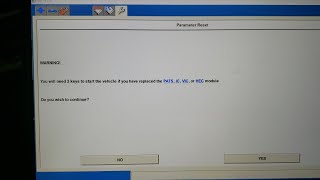
- Replaced Control Module Without Reprogramming (Very Common) — This is the primary cause. If a major control module (PCM, BCM, TCM, ABS, TIPM, or radio) is replaced with a new or used part, it requires programming with the vehicle's correct VIN. Skipping this step leaves the module with the donor vehicle's VIN (or blank), triggering B2206.
- Faulty Control Module (Common) — An internal fault within a control module (e.g., BCM, PCM) corrupts its memory, causing it to erase or fail to broadcast the VIN. This results from age, internal circuit board failure, or severe voltage spikes.
- Low System Voltage or Dead Battery (Less Common) — A significant voltage drop from a failing battery, bad alternator, or improper jump-start corrupts the memory of sensitive electronic modules. When power returns, the module forgets its VIN programming.
- Software or Firmware Glitch (Common) — A software bug, often introduced during a dealer reflash or over-the-air (OTA) update, corrupts the VIN data. The hardware remains intact, but requires a software reload to resolve the corruption.
- Wiring or Communication (CAN Bus) Issues (Less Common) — Damage to the CAN bus network prevents modules from communicating. If the connection between two modules breaks, the receiving module reports a missing VIN.
- Incorrect Module Configuration (Jeep/Chrysler) (Less Common) — On modern Jeeps, this code (often C2206) triggers due to a configuration mismatch, such as programming an incorrect tire size or axle ratio into the ABS module after installing a lift kit. 🎬 Watch: How to fix Jeep configuration mismatches using WiTech.
- Aftermarket Modifications or Tuning (Rare) — Installing aftermarket electronics or applying a performance tune that flashes the PCM corrupts VIN data. This happens frequently with low-quality or improperly unlocked tuning devices.
- Incorrect VIN Programmed During a Previous Repair (Rare) — A module programmed with an incorrect VIN (e.g., a single typo) during a past repair hides the error until another networked component is replaced or a full system diagnostic runs.
Symptoms

- Engine Will Not Start or Cranks But Won't Turn Over — The vehicle's anti-theft or immobilizer system detects the VIN mismatch as a theft attempt and disables the engine.
- Illuminated Security or Anti-Theft Light — A solid or flashing red security light on the dashboard directly indicates the immobilizer system is active due to the VIN conflict.
- Malfunctioning or Locked Radio/Infotainment System — On Chrysler, Dodge, and Ram vehicles, the radio acts as a networked security module. A VIN mismatch locks it up, displays an error message, or prevents it from powering on.
- Features like Remote Start, Keyless Entry, or Power Windows Don't Work — Functions relying on security handshakes between the BCM and other modules disable entirely.
- Check Engine Light is On — The Check Engine Light illuminates, often accompanied by related codes like P0630 (VIN Not Programmed) or U0100 (Lost Communication).
- ABS and Traction Control Lights On (Jeep) — When caused by a configuration mismatch on a Jeep, the ABS and traction control warning lights illuminate.
- Related Communication Codes Stored (e.g., U0100, P0630) (scan-tool only — no driver-felt sign) — A professional scan tool reveals secondary codes pinpointing the exact module failing to communicate or holding the wrong VIN.
Diagnostic Flowchart
Tap your situation to follow the diagnostic path that matches what you're seeing on this code.
Common Fixes & Costs
- Reprogram Module with Correct VIN — Parts: $0, Labor: $150 - $400, ~1.5 hr book time (Professional)
- Replace and Program Faulty Control Module
— Parts: $250 - $2,200+, Labor: $200 - $500, ~3.5 hr book time
(Professional)
: OEM [{'number': '68361543AA', 'price': '$700 - $1100'}, {'number': '68243303AB', 'price': '$700 - $1100'}] (Alt: {"brand": "Flagship One / FS1", "notes": "Remanufactured, often sold pre-programmed to VIN.", "price": "$400 - $800"}, {"brand": "Holley / DiabloSport", "notes": "Sold as part of performance tuning kits, may require a swap.", "price": "$80)
: OEM [{'number': 'JU5Z-15604-BA', 'price': '$250 - $450'}] (Alt: {"brand": "BSE (Blue Streak Electronics)", "notes": "Remanufactured, sold through parts stores.", "price": "$120 - $250", {"brand": "XeMODeX", "notes": "Offers repair services for original module or sells remanufactured units.", "price": "$20)
: OEM [{'number': '68269527AD', 'price': '$500 - $700 (OEM Reman)'}, {'number': '68301361AC', 'price': '$600 - $800 (OEM Reman)'}] - Software/Firmware Update or Re-flash — Parts: $0, Labor: $150 - $250, ~1.5 hr book time (Professional)
- Clone/Transfer Data from Old Module to Used Module — Parts: $0, Labor: $150 - $350, ~1.5 hr book time (Professional)
- Repair Wiring or Connectors — Parts: $10 - $75, Labor: $150 - $500, ~2.0 hr book time (Intermediate)
Used vs. New Parts: Buying Guide
When a used part is worth it: For older, high-mileage vehicles where the cost of a new OEM module is prohibitive. A used module is a cost-effective solution if sourced from a reputable dismantler who verifies the donor vehicle was not flood-damaged.
Donor-vehicle mileage cap: roughly under 100000 miles for the part to have meaningful remaining life.
Donor quality checklist:
- Verify the part number matches exactly; superseded numbers may not be compatible.
- Ensure the seller offers a warranty or return policy.
- Ask for the donor vehicle's VIN to check its history for flood or fire damage.
- Physically inspect the module for signs of water intrusion or corrosion.
Decision logic:
- If Vehicle is less than 10 years old OR the part is under $500 new → Buy new (or remanufactured from a quality source) for the warranty and reliability.
- If Vehicle is over 10 years old AND budget is the primary concern → A used part is an acceptable risk, provided you have a trusted shop to perform the mandatory programming or cloning.
- If The original module is 'No Communication' and cannot be cloned → A new or pre-programmed remanufactured module is required, as there is no data to transfer to a used part.
Warranty tradeoff: Used parts from salvage yards typically offer a 30-90 day warranty. Remanufactured parts often come with a 1-year to limited lifetime warranty. New OEM parts carry a 1-2 year warranty if installed by a dealer.
Worst-case if a used part fails: $400 - $800 if used part is dead on arrival or fails shortly after install — this represents repeat labor for installation and programming, plus the cost of another part.
What Happens If You Wait — Timeline
- 0-1 week: Code B2206 sets. The Check Engine or security light illuminates. The vehicle experiences an intermittent no-start condition. (MPG impact: 0%% · Added cost: $0)
- 1 week - 2 months: The no-start condition becomes frequent. Ancillary electronic features (radio, windows, keyless entry) malfunction intermittently. (MPG impact: 0%% · Added cost: $100 - $300 (Potential towing cost))
- 2-6 months: A permanent no-start condition occurs. The anti-theft system reliably fails the VIN check and disables the engine. (MPG impact: 0%% · Added cost: $300 - $500 (Towing plus diagnostic fees at a shop))
- 6+ months: A faulty module sends bad data across the network, corrupting the software of other connected modules. This turns a single-part programming issue into a multi-module recovery procedure. (MPG impact: 0%% · Added cost: $500 - $1500+ (Cost of reprogramming multiple modules or replacing a module that was damaged by cascading failure))
Cost of Not Fixing It
- Immediate: Intermittent or permanent no-start condition. The vehicle's anti-theft system prevents the engine from starting at any time, leaving you stranded. (Added cost: $100 - $300 (Towing))
- Short-Term (Days to Weeks): Loss of functionality for systems controlled by the mismatched module, such as radio, power windows, keyless entry, or dashboard displays. (Added cost: Negligible)
- Long-Term (Attempting to Sell/Trade-In): Significant reduction in vehicle resale value. A VIN mismatch on critical components creates title and registration problems and flags the vehicle as a potential theft or fraudulent repair. (Added cost: $1,000 - $5,000+ (Diminished Value))
Diagnosis Steps

- Verify the Vehicle's True VIN
Locate the vehicle's actual VIN on the dashboard plate (driver's side windshield) and the driver's door jamb sticker. Confirm they match. This is your master reference VIN.
Tools: None (Beginner) - Perform a Full System Scan
Use a professional-grade OBD-II scanner capable of reading codes from ALL vehicle modules (Body, Chassis, Network, and Powertrain). A basic engine code reader is insufficient. Record all active and stored DTCs.
Tools: Professional OBD-II Scan Tool (Beginner) - Read the VIN from Each Control Module
Using your advanced scan tool, access the 'Module Information' or 'ECU Information' screen for each major control module (PCM, BCM/TIPM, TCM, ABS, SRS, Radio/WIN/WCM, etc.). Note the VIN stored in each one.
Tools: Professional OBD-II Scan Tool (Intermediate) - Identify the Mismatched Module
Create a list comparing the vehicle's true VIN with the VINs read from each module. The module with the incorrect or missing VIN is the source of the fault. If a module won't communicate at all, it is likely the culprit.
Tools: Pen and paper (Intermediate) - Inspect Recent Repairs and Modifications
Ask the owner about any recently replaced parts (especially computers or radios), aftermarket accessories, or performance tunes. For Harley-Davidsons, ask specifically about new handlebar installations.
Tools: None (Intermediate) - Inspect Wiring and Connectors
If a communication issue is suspected, visually inspect the wiring harness and connectors for the non-communicating or mismatched module. Look for corrosion, pushed-out pins, or physical damage.
Tools: Flashlight, trim removal tools, mirror (Intermediate) - Check CAN Bus Termination Resistance
If multiple modules set communication codes alongside B2206, test the CAN bus integrity. Turn the ignition off and disconnect the battery. Use a multimeter to measure the resistance between the CAN High and CAN Low pins at the OBD-II port (typically pins 6 and 14). A healthy network reads approximately 60 ohms.
Tools: High-quality Multimeter, OBD-II pinout diagram (Advanced) - Measure CAN Bus Voltage with a Multimeter
For a quick voltage check with the ignition on, connect a multimeter to a good chassis ground. The CAN High pin (6) should average 2.7V. The CAN Low pin (14) should average 2.3V. The two voltages should add up to about 5V.
Tools: High-quality Multimeter, OBD-II pinout diagram (Advanced) - Analyze CAN Bus Signal with an Oscilloscope
For intermittent issues, connect an oscilloscope to CAN High and CAN Low. A healthy high-speed CAN bus signal shows two clean, square-wave patterns that are mirror images of each other. Signal noise or incorrect voltages point to a wiring issue or a faulty module flooding the network.
Tools: Automotive Oscilloscope, Probes (Advanced)
When This Code Triggers (Freeze-Frame Conditions)
- Ignition Status: ON (The code sets when the ignition is turned on and modules perform a self-check.)
- System Voltage: 11-14V (Normal battery voltage must be present for modules to communicate; the check occurs before engine cranking.)
- Vehicle Speed: 0 mph (The VIN mismatch check is a static test that occurs at startup, before the vehicle is moving.)
- Engine RPM: 0 RPM (or Cranking RPM) (The fault is detected during the Key-On, Engine-Off (KOEO) sequence or immediately during cranking.)
Related Codes
- P0630 — Means 'VIN Not Programmed or Incompatible - PCM'. If B2206 and P0630 are present together, the problem is definitively a VIN mismatch in the Powertrain Control Module (PCM).
- P0631 — Means 'VIN Not Programmed or Incompatible - TCM'. This points specifically to a VIN mismatch in the Transmission Control Module (TCM).
- U0100 — Means 'Lost Communication With ECM/PCM'. Seeing this with B2206 suggests the BCM is setting B2206 because it cannot get any VIN data from the PCM, pointing to a dead PCM or a major CAN bus wiring failure.
- B2229 — Another body code for 'Vehicle Identification Number Mismatch'. It is used by manufacturers like Ford and points to the same fundamental problem as B2206.
- C2206 — On newer Jeep Wranglers, this code means 'Vehicle Configuration Mismatch'. It is caused by modifications like larger tires or different axle gears not being programmed into the ABS module.
Climate & Environmental Factors
- High Humidity / Road Salt: Increases the likelihood of CAN bus wiring and connector failure due to corrosion. This causes intermittent communication dropouts between modules, leading to a B2206 code.
- Extreme Cold: Weakens an aging battery, causing a significant voltage drop during engine cranking. This low system voltage corrupts the memory of sensitive electronic modules, causing one to forget its programmed VIN.
How to Talk to a Mechanic About This Code
Say this: "I have a B2206 VIN mismatch code and a no-start condition. I need a diagnostic to perform a full system scan and read the stored VIN from each individual module—like the PCM, BCM, and radio—to identify which one is causing the conflict."
This signals you understand the problem is about identifying a specific module with incorrect data, not just a generic 'no-start' issue. It directs the technician to the correct diagnostic procedure and prevents them from simply replacing the first part they suspect.
Avoid saying:
- 'My car won't start, I think it's the battery or the key.'
- 'My anti-theft light is on, can you just disable it?'
- 'Just fix the B2206 code.' (This is too vague and leads to replacing the wrong module)
Questions to ask before authorizing the repair:
- Which specific module did you identify with the incorrect or missing VIN?
- Can you show me a printout or screen from the scan tool that lists the VINs reported by the main modules?
- Is a reprogram or re-flash the first step, or does the module need to be replaced?
- If a module is replaced, does your quote include the cost of programming the new part?
Where to Take It: Dealer vs Independent vs Chain
- Dealer:
Excellent, but expensive. The safest bet for a guaranteed fix, as they have direct access to all required OEM tools and software.
Best for: Vehicles under warranty, Complex, late-model vehicles (especially German brands), When other shops have failed to diagnose the issue, Manufacturer-specific software glitches (e.g., Mercedes TSBs)
Downsides: Highest labor rates (40-65% higher than independent shops)., May default to replacing an entire module assembly when a simple re-flash or wiring repair would suffice. (Typical cost: +50% vs. baseline) - Independent Shop:
Best fit for most consumers, IF the shop is properly vetted. Ask them directly if they have the capability to perform VIN programming on your specific vehicle make before you bring it in.
Best for: Out-of-warranty vehicles where cost is a major factor., Common vehicles (Ford, GM, Chrysler) where experienced technicians have seen the issue before., Shops that specialize in diagnostics or electrical systems.
Downsides: Quality varies dramatically; you must verify the shop has advanced, dealer-level programming tools (e.g., Autel MaxiSYS, Launch X431) and experience., May not have access to the very latest software updates for brand-new models. (Typical cost: +0% vs. baseline) - Chain Shop:
AVOID. They are not equipped to diagnose or repair this type of fault. Going here results in a waste of time and money on incorrect repairs.
Best for: Simple, routine maintenance like oil changes, tires, and brakes.
Downsides: Almost never have the expensive, specialized equipment required for module programming., Technicians are not typically trained for complex network diagnostics., High pressure to sell parts leads to misdiagnosis (e.g., selling a new battery or starter for a no-start condition caused by B2206). (Typical cost: -10% vs. baseline)
When to Walk Away From the Repair
If the total estimated repair cost for the B2206 issue exceeds 50% of your car's current private-party value (use Kelley Blue Book or similar), it is time to seriously consider selling the vehicle as-is or trading it in.
- Car worth $3000, fix is $1800: Walk away. The repair cost is 60% of the car's value. The risk of other age-related failures is too high to justify this expensive electronic repair.
- Car worth $15000, fix is $350: Fix it. The repair is a simple reprogram and costs less than 3% of the vehicle's value. This is routine.
- Car worth $8000, fix is $2200: Borderline. The repair (e.g., a new PCM) is 28% of the car's value. Get a second opinion to confirm the module is truly faulty and cannot be reprogrammed before proceeding.
What Scan Tool You Need for This Code
Minimum: A scan tool that can perform a full system scan (accessing Body, Chassis, etc.) and read manufacturer-specific data from individual control modules to view the stored VIN in each one.
A basic $20-$50 code reader will only pull the 'B2206' code, likely from the Body Control Module. It CANNOT see the VIN data inside the PCM, radio, or other modules. You will be completely blind to which module is causing the problem, making diagnosis impossible.
Budget: BlueDriver Pro / Car Scanner App with Quality Adapter (~$100) — These tools perform a full system scan and access the 'ECU Information' screen on many common vehicles to let you manually check and compare VINs. This is sufficient for DIY diagnosis only, not repair.
Mid-range: Foxwell NT510 Elite (~$180) — Provides dealer-level diagnostics for a single chosen car brand. It definitively reads the VIN from all modules and offers bi-directional controls to test components, making it excellent for pinpointing the fault.
Professional: Autel MaxiCOM MK808 / Launch X431 Series (~$500-1200) — These are professional-grade tools. They provide robust all-system diagnostics to find the VIN mismatch, and many have the ability to perform the actual VIN programming required to fix the code.
Rent vs buy: Auto parts store rental scanners are typically too basic for this code. For a one-time fix, it is more cost-effective to pay a shop a one-hour diagnostic fee ($150-$200) than to buy a capable scanner. Buy a mid-range scanner only if you plan to do your own advanced diagnostics regularly.
How to Clear the Code After You Fix It
- After the module is correctly programmed, clear all DTCs with a professional scan tool.
- Disconnect the battery for 10 minutes to reset all modules.
- Perform a complete OBD-II drive cycle to ensure all readiness monitors run and pass.
Drive cycle (~30 minutes): Start with a cold engine (parked 8+ hours). Idle for 2-3 minutes with electrical loads on (headlights, A/C). Drive 10-15 minutes in mixed city/stop-and-go traffic. Drive 15 minutes at a steady highway speed (55-65 mph). Let the vehicle cool down.
Readiness monitors affected: Misfire Monitor, Fuel System Monitor, Comprehensive Component Monitor, Catalyst Monitor, EVAP System Monitor, Oxygen Sensor Monitor
Before emissions retest: drive at least 100 miles to fully set monitors.
Watch out for:
- Simply clearing the code without reprogramming the module causes the code to return instantly on the next key cycle.
- Not completing a full drive cycle leaves readiness monitors 'incomplete', causing a failed emissions test even if the B2206 code is gone.
Will This Fail Emissions / State Inspection?
Yes — this code typically fails an OBD-II emissions inspection.
- California: An active Check Engine Light results in an automatic smog check failure. After repair, most readiness monitors must be 'complete'. You are allowed one 'incomplete' monitor for vehicles model year 2000 and newer.
- New York: The NYS vehicle inspection includes an OBD-II scan. An illuminated Check Engine Light due to code B2206 causes an automatic failure.
- Texas: In counties requiring emissions testing, an illuminated Check Engine Light is an automatic failure. After repair, you are generally allowed only one 'Not Ready' monitor to pass.
Most Commonly Affected Vehicles
- Dodge / Ram Charger, Magnum, Ram 1500/2500 (2006-2022) — Extremely common. Often triggered by replacing the radio, PCM, or the Totally Integrated Power Module (TIPM). A VIN mismatch between the radio and BCM is a frequent cause of a no-start or locked infotainment system.
- Chrysler / Jeep 300, Grand Cherokee, Town & Country (2005-2018) — On Chrysler 300s, it is often the Front Control Module (FCM) or Occupant Classification Module (OCM). For many Jeeps, B2206 means 'Requested Torque Signal Circuit Malfunction', a communication issue between the brake and engine computers.
- Ford F-150, Explorer, Mustang (2004-2018) — Tightly integrated with the Passive Anti-Theft System (PATS). A VIN mismatch between the PCM and the instrument cluster (IC) or BCM sets this code and results in a no-start condition.
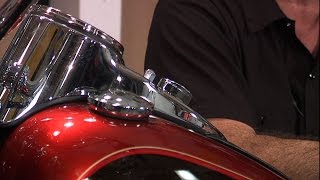
- Harley-Davidson Touring, Softail Models (2014-2021) — B2206 means 'Run/Stop Switch Input Open/Shorted High'. It is completely unrelated to a VIN mismatch and is caused by a pinched wire in the handlebar controls.
- Mitsubishi Outlander, Lancer, Evo X (2007-2015) — Defined as 'Chassis Number Mismatch'. It is often stored in the ETACS-ECU or the Wireless Control Module (WCM) when it sees a conflict with the engine ECU's VIN.
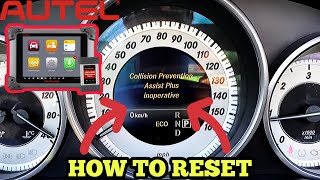
- Mercedes-Benz C-Class (W205), GLC-Class (X253), E-Class (W213) (2015-2020) — Appears as B220600, meaning 'The Current Vin Is Incorrect or Not Present', typically in the Collision Prevention Assist (A90) module. A software update or reset via Xentry is the official fix.
- Subaru Outback, Forester, Legacy (2015-2020) — On certain models, B2206 indicates a 'Failure in communication of the remote engine start system' and is not related to a VIN mismatch.
- General Motors (GM) Various (2008-2018) — On some GM vehicles, B2206 refers to 'RF/Passenger seat side bolster sensor range/performance', related to the passenger airbag system.
Manufacturer-Specific Notes
- Harley-Davidson: B2206 means 'Run/Stop Switch Input Open/Shorted High'. It is caused by a wiring issue in the handlebar controls and has nothing to do with the VIN.
- Jeep: B2206 often means 'Requested Torque Signal Circuit Malfunction', indicating a communication error between the Electronic Brake Control Module (EBCM) and the PCM. The related code C2206 means 'Vehicle Configuration Mismatch'.
- Mercedes-Benz: The code is B220600 and means 'The Current Vin Is Incorrect or Not Present' within the Collision Prevention Assist module. A software update is the required fix.
- Subaru: For some Subaru vehicles, B2206 points to a 'Failure in communication of the remote engine start system,' indicating a problem with that specific feature's module.
- Dodge: On some models, B2206 means 'ECU Configuration Mismatch' if the Body Control Module (BCM) detects an unexpected module, such as an Adaptive Cruise Control (ACC) module that hasn't been configured in the vehicle's sales code options.
- Acura: For certain Acura models, B2206 indicates 'SRS Unit Lost Communication with AcuraLink Control Unit,' a communication error between the airbag system and the telematics unit.
Real Owner Stories
2021 Harley-Davidson Softail (FXST)
Security and Check Engine lights came on a few weeks after installing new, taller handlebars. Code B2206 was present and current.
Outcome: The issue traced to a pinched wire for the run/stop switch inside the new handlebar assembly. Movement caused a short, triggering the code. The fix required repairing the damaged wire section.
Lesson: On Harley-Davidson bikes, B2206 is not a VIN mismatch code but points to a wiring issue with the 'Run/Stop Switch'. If this code appears after a handlebar swap, meticulously inspect the wiring harness for damage.
2022 Ram 1500 EcoDiesel
After a dealer flashed the ECM/TCM for a separate issue, the truck developed an intermittent no-start condition and logged code B2206.
Outcome: The underlying issue was a VIN mismatch between the radio and the Body Control Module (BCM). Constant software flashes corrupted the VIN data. The dealer fixed it by specifically reprogramming the radio to match the BCM's VIN.
Lesson: On modern Ram trucks, the radio is a critical security module. An intermittent no-start linked to radio behavior is a classic symptom of a B2206 VIN mismatch. Confirm all existing modules have the correct VIN programmed before replacing expensive hardware.
2017 Mercedes-Benz GLC300
The message 'Collision Prevention Assist Plus Inoperative' appeared on the dash at every startup. A standard OBD-II scanner found no codes.
Outcome: The owner used the Xentry software to access the A90 module's 'author data' menu and perform a reset. This cleared the internal VIN error without parts replacement, resolving the message.
Lesson: On European makes, B2206 is often a software glitch in a peripheral module. A low battery or minor bump triggers it. A software re-flash or module-specific reset with a dealer-level tool is the correct first step.
Dodge Ram with Aftermarket Tuner
The owner installed a used, unlocked ECU. The truck started, immediately died, and displayed numerous warning lights alongside a B2206 'Current VIN Mismatch' code.
Outcome: Installing the used ECU with another truck's VIN corrupted the configuration data in the BCM and RF Hub. The fix required a dealer to re-sync all modules to the factory VIN using the original ECU, then sending the used ECU to the tuner for a $100 VIN reprogram.
Lesson: Never install a used, VIN-locked module from another vehicle without having it professionally reprogrammed first. Doing so corrupts other modules on the network, leading to a complex and expensive recovery.
How to Prevent This Code From Triggering
- Maintain a healthy battery and connections (Every 6 months) — Low voltage during startup corrupts module memory, erasing the VIN. Clean terminals and ensure stable voltage.
- Use a battery tender or maintainer (During periods of storage (1+ week)) — Prevents the battery from discharging to critical levels during storage, protecting sensitive module memory.
- Protect against moisture and corrosion (Annually) — Water intrusion destroys modules. Apply dielectric grease to critical CAN bus connectors in salty environments to prevent communication errors.
- Use proper jump-starting procedures (As needed) — Incorrect jumper cable connections cause voltage spikes that instantly destroy sensitive electronics inside control modules.
- Ensure professional installation of aftermarket electronics (During modification) — Improper wiring taps overload circuits or introduce electrical noise onto the CAN bus, damaging the BCM.
Frequently Asked Questions
Can I fix code B2206 myself?
Diagnosing the mismatched module is possible for a DIYer with a high-end scanner. However, the fix requires professional programming tools from the manufacturer or a specialized aftermarket company. This is not a typical DIY repair.
Will clearing the code fix the problem?
No. B2206 is a 'hard fault' set during the vehicle's startup security check. Clearing the code is ineffective because it reappears immediately upon the next ignition cycle until the mismatch is resolved.
What is the most common misdiagnosis for B2206?
The most common mistake is replacing the module that stored the code (like the BCM) instead of the module causing the conflict. The BCM is usually working perfectly by reporting that another module has the wrong VIN. Using a basic code reader that cannot see individual module VINs guarantees a misdiagnosis.
My battery died and now I have a B2206 code. Do I need a new computer?
Not necessarily. A severe voltage drop corrupts module memory. Attempt to reprogram the module showing the incorrect VIN before replacing any hardware. Re-flashing the correct VIN usually fixes the problem.
I just replaced my truck's radio and now it won't start and shows B2206. Why?
On modern vehicles, the radio is a networked computer tied to the anti-theft system. The new radio broadcasts the VIN from its donor vehicle, creating a mismatch. The immobilizer detects a theft attempt and disables the engine until the radio is programmed with your truck's VIN.
How much does it cost to reprogram a module?
VIN programming at a dealer or independent shop costs between $150 and $400. Mail-in programming or cloning services range from $80 to $250. These prices do not include labor for removing and reinstalling the module.
Can a locksmith fix a B2206 code?
Advanced automotive locksmiths possess the equipment to program VINs into modules, especially for key and immobilizer systems. However, capabilities vary widely. You must ask specifically if they can perform VIN programming on your exact vehicle make and model.
Why is B2206 a 'B' code and not a 'P' code?
It is a 'B' (Body) code because the Body Control Module (BCM) acts as the master controller for security and networking. The BCM is typically the first module to detect and report the mismatch. If the Powertrain Control Module (PCM) is the root cause, it usually stores a related 'P' code like P0630.
Key Takeaways
- Code B2206 triggers when a control module broadcasts an incorrect Vehicle Identification Number (VIN), which happens in 90% of cases after installing a new or used computer without reprogramming it.
- The primary symptom is an immediate engine no-start condition accompanied by a flashing red anti-theft light, as the immobilizer system locks the vehicle down.
- Diagnosis requires a professional $500+ bi-directional scan tool to read the internal memory of every module and pinpoint exactly which one holds the mismatched VIN.
- The standard fix is paying a dealership or specialized shop $150 to $400 to digitally rewrite the correct VIN into the mismatched module.
- On Harley-Davidson motorcycles and certain Jeep models, B2206 indicates a physical wiring short or CAN bus communication failure rather than a VIN mismatch.
Helpful Videos


The information in this article is provided for general reference and educational purposes only. Vehicle specifications, procedures, and part compatibility can vary by production date, trim level, and region. Always consult your vehicle's factory service manual and verify part numbers before purchasing or performing repairs. Safety-critical components such as airbags, seat belts, and braking systems should be installed by a qualified professional.
- 🎬 Helpful Videos
- What Does B2206 Mean?
- Can I Drive With B2206?
- Common Causes
- Symptoms
- Diagnostic Flowchart
- Common Fixes & Costs
- Used vs. New Parts: Buying Guide
- What Happens If You Wait — Timeline
- Cost of Not Fixing It
- Diagnosis Steps
- When This Code Triggers (Freeze-Frame Conditions)
- Related Codes
- Climate & Environmental Factors
- How to Talk to a Mechanic About This Code
- Where to Take It: Dealer vs Independent vs Chain
- When to Walk Away From the Repair
- What Scan Tool You Need for This Code
- How to Clear the Code After You Fix It
- Will This Fail Emissions / State Inspection?
- Most Commonly Affected Vehicles
- Manufacturer-Specific Notes
- Real Owner Stories
- 2021 Harley-Davidson Softail (FXST)
- 2022 Ram 1500 EcoDiesel
- 2017 Mercedes-Benz GLC300
- Dodge Ram with Aftermarket Tuner
- How to Prevent This Code From Triggering
- Frequently Asked Questions
- Can I fix code B2206 myself?
- Will clearing the code fix the problem?
- What is the most common misdiagnosis for B2206?
- My battery died and now I have a B2206 code. Do I need a new computer?
- I just replaced my truck's radio and now it won't start and shows B2206. Why?
- How much does it cost to reprogram a module?
- Can a locksmith fix a B2206 code?
- Why is B2206 a 'B' code and not a 'P' code?
- Key Takeaways
- 🎟️ Get 5% Off