

B2199 on 2021 Jeep Wrangler: Battery Voltage Low Causes and Fixes
On a 2021 Jeep Wrangler, code B2199 almost always points to a failing battery, most commonly the small auxiliary battery for the start-stop system. This small battery has a high failure rate and can drain the main battery. Replacing both the main and auxiliary batteries at the same time is the most reliable and recommended fix to prevent a recurrence.
- Code B2199 on a 2021 Wrangler means the system voltage is too low.
- The most likely cause is a failed auxiliary battery, a very common issue on this vehicle.
- For a reliable, long-term fix, you should replace both the auxiliary and main batteries at the same time.
- Symptoms include a no-start condition, disabled start-stop system, and multiple random warning lights.
- Check for TSB #0810621A, which directly addresses this code and points to a faulty battery.
What's Unique About the 2021-2021 Jeep WRANGLER

The 2021 Jeep Wrangler (JL) utilizes a dual-battery system to manage its Engine Start-Stop (ESS) feature. A large main AGM battery is paired with a smaller, secondary auxiliary battery. The auxiliary battery's job is to power the vehicle's electronics (radio, lights, climate control) when the engine shuts off at a stop, preventing a voltage drop and preserving the main battery's charge for restarting the engine. This auxiliary battery is a widely documented, widespread failure point and is frequently the root cause of code B2199 and a host of other electrical gremlins. When the auxiliary battery fails, it can create a parasitic draw on the main battery, leading to a cascade of low-voltage codes and no-start conditions that can be confusing to diagnose if you're unaware of this specific system.
Diagnostic Flowchart

Tap your situation to follow the diagnostic path that matches what you're seeing on this vehicle.
Symptoms You May Notice

- Check Engine Light or other warning lights on the dashboard.
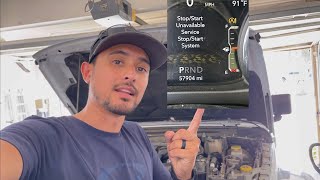
- "Stop/Start Not Available" or "Service ESS" mes 🎬 Watch: Troubleshooting the ESS fault and auxiliary battery replacement.sage.
- Vehicle will not start, or struggles to start with clicking sounds.
- Remote start fails to work.
- "Aux Switches Not Available" message.
- Flickering dashboard lights, radio display, or the infotainment system rebooting.
- Multiple seemingly unrelated error codes appearing at once, often related to system voltage.
- Vehicle shuts down shortly after starting or while driving.
- Loss of power steering and other systems simultaneously.
- Replacing only the main battery. If the auxiliary battery is the root cause, it will quickly drain and damage the new main battery, leading to a repeat failure within weeks or months.
- Replacing the alternator when the batteries are the actual problem. A proper charging system test should be performed before replacing the alternator. A parts store quick test may not be sufficient.
- Trusting a simple voltage test. A battery can show acceptable voltage but fail under load. A proper load test on each isolated battery is critical for accurate diagnosis.
Most Likely Causes

- Failing Auxiliary Battery 🔴 High Probability The auxiliary battery in JL Wranglers has a widely reported short lifespan, often failing within 2-3 years. Its failure is a primary trigger for low voltage codes and is a well-documented issue in owner forums.
How to confirm: The auxiliary battery must be electrically isolated to test accurately. Disconnect the auxiliary battery's negative cable from the main battery's negative terminal post before performing a load test. A simple voltage check is often insufficient. Many owners confirm the failure when replacing the battery resolves all electrical symptoms. 🎬 Watch: How to fix the auto start/stop service light.
Typical fix: Replace the auxiliary battery. It is highly recommended to replace the main battery at the same time, as a failing auxiliary battery can damage the main one by constantly draining it. Accessing the auxiliary battery is done either from the top by removing the fuse box or from the side by removing the passenger-side fender liner.
Est. part cost: $80-$150 - Failing Main Battery 🟡 Medium Probability A failing main battery is a common issue on any vehicle. On the JL Wrangler, its life can be significantly shortened by a faulty auxiliary battery that constantly tries to draw a charge from it, causing sulfation and damage.
How to confirm: Perform a load test on the main battery after it has been electrically isolated from the auxiliary battery. Many auto parts stores can do this for free. The vehicle's onboard voltage display may show low voltage (below 12.4V) when the engine is off.
Typical fix: Replace the main battery (typically an H7 or H8 AGM type). It is best practice to replace both batteries simultaneously 🎬 See this walkthrough for replacing both batteries on a JL. on this platform to ensure a lasting repair.
Est. part cost: $200-$400 - Failing Alternator ⚪ Low Probability
How to confirm: With the engine running, use a multimeter to check the voltage at the battery terminals. A healthy alternator should produce a reading between approximately 13.5 and 14.5 volts, though modern smart charging systems can vary this. If the voltage is consistently low (near battery voltage of 12.6V or less) while the engine is running, the alternator is likely faulty.
Typical fix: Replace the alternator.
Est. part cost: $300-$600 - Loose or Corroded Battery Terminals/Grounds ⚪ Low Probability
How to confirm: Visually inspect the main and auxiliary battery terminals for white or bluish corrosion. Check that all cable connections on both batteries are tight. Inspect the main chassis ground points for tightness and corrosion.
Typical fix: Clean the terminals with a wire brush and battery terminal cleaner. Ensure all connections are secure.
Est. part cost: $5-$15
Rare But Worth Checking
- Parasitic Electrical Draw: A module or component may not be shutting down correctly, slowly draining the battery when the vehicle is off. This can be caused by a faulty switch, aftermarket accessory, or a module stuck in a boot loop, and requires systematic testing with an ammeter to isolate the draining circuit.
- Faulty HVAC Module: In some cases on related platforms (Dodge Ram), a short or fault within the HVAC control module itself has been found to trigger code B2199. This is less common but possible if battery and charging system tests are all passed.
Diagnosis Steps
- Scan for all Diagnostic Trouble Codes (DTCs) to see which modules are reporting low voltage. Note if codes like B21DD, C2129, or P00FD are present.
- With the engine off, disconnect the auxiliary battery's negative cable from the main battery's negative terminal to isolate the batteries.
- Perform a load test on the main battery. A voltage reading alone is not sufficient.
- With the batteries still isolated, perform a separate load test on the auxiliary battery. This is the most common culprit.
- Visually inspect all battery terminals and chassis ground connections for corrosion or looseness.
- If both batteries test good, reconnect them. Start the engine and measure the voltage at the main battery terminals. The reading should generally be between 13.5V and 14.5V. If it's consistently low, suspect the alternator.
- If batteries and alternator test good, perform a parasitic draw test to find any components draining the battery while the vehicle is off. This involves checking for Ignition-Off Draw (IOD).
Parts You'll Likely Need
- Auxiliary Battery
(OEM #56029759AB, 68647042AA)— This is the most common failure point on the 2021 Wrangler that leads to code B2199 and widespread electrical issues.
Trusted brands: Mopar, Duralast (AUX14), Odyssey, ACDelco
OEM price range: $120-$180
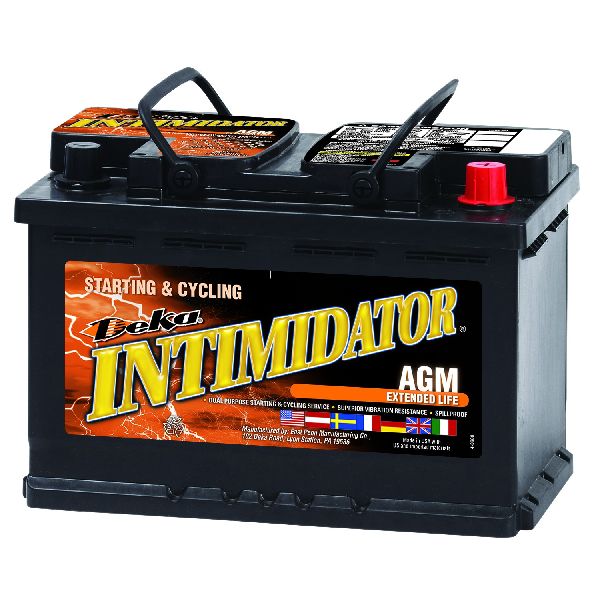
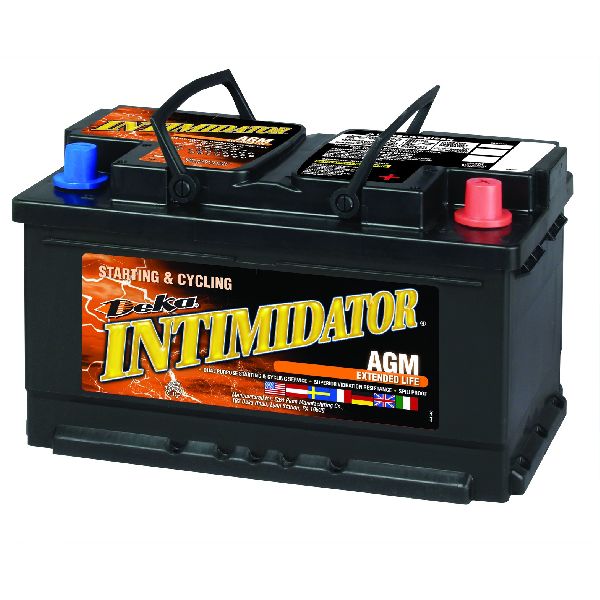
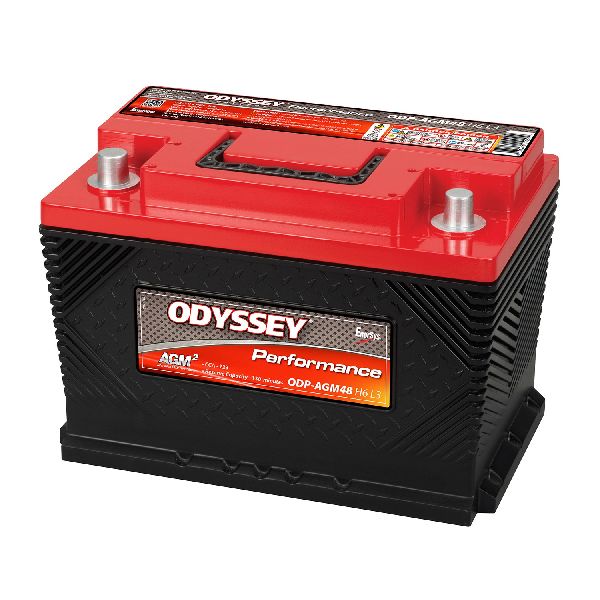
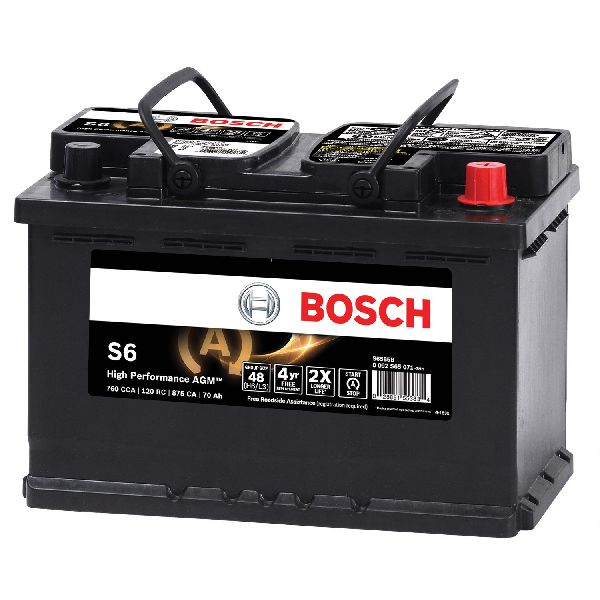
Aftermarket price range: $80-$150 - Main Battery (AGM Type) — The main battery is often damaged by a failing auxiliary battery and should be replaced at the same time for a lasting repair. The correct size is typically an H7 or H8 AGM.
Trusted brands: Mopar, Odyssey (ODP-AGM94R), Motorcraft, DieHard, Duralast
OEM price range: $250-$400
Aftermarket price range: $200-$350
Related Codes That Often Appear With This One
- B21DD-84 — This code for 'System Voltage-Signal Below Allowable Range' is another indicator of a low voltage condition and is often set alongside B2199 by modules like the RFH.
- C2129-00 — This chassis code for 'Battery Voltage' is also directly related to the low voltage state detected by the system.
- U3006-00 — A network code for 'Control Module Input Power 'A' Circuit/Open', indicating a module is not receiving proper power, which is a direct consequence of the low system voltage.
- P00FD — This powertrain code for 'Battery B State of Charge Performance' specifically points to a problem with the auxiliary battery and is a strong companion code to B2199.
Technical Service Bulletins (TSBs) & Recalls
- 08-106-21A: Addresses a low 12V battery charge condition that sets B2199-16 and other codes, with the fix being to test and potentially replace the battery for vehicles built on or before March 22, 2021.
- 08-216-23: A general TSB regarding Ignition Off-Draw (IOD) issues causing no-start and inoperable ESS. It instructs technicians to test both main and auxiliary batteries if equipped.
Platform-Specific Known Issues
- TSB 08-106-21A: A Technical Service Bulletin (TSB #08-106-21A) was issued for 2021 Wranglers built on or before March 22, 2021, for a low battery charge condition at dealer delivery, which sets code B2199-16 among others. The repair procedure is to test and, if necessary, replace the 12V battery.
- Owner Experience: Dealer Replaced Only:
Mechanic-Grade Diagnostic Values
- Normal Ignition-Off Draw (IOD) after modules go to sleep — expected: < 50mA. Failure: A sustained draw significantly above 50mA (e.g., 0.3A or higher) indicates a parasitic drain that will discharge the batteries.
- Initial Ignition-Off Draw (IOD) before modules sleep — expected: ~2.0 Amps. Failure: This is a normal reading for the first several minutes after shutting off the vehicle. It should drop significantly after the modules enter sleep mode.
Hidden / Shadow Codes Worth Checking
- U113E: Lost Communication With Intelligent Battery Sensor (IBS). This code is set by the Body Control Module (BCM) when it can't receive data from the IBS over the LIN bus. (see via Dealer-level scan tool like WiTECH. It indicates a potential wiring issue, a faulty IBS, or a BCM fault.)
- B2193: IBS Internal Fault. The IBS has self-diagnosed an internal software or hardware defect. (see via Dealer-level scan tool like WiTECH. According to Mopar technical documents, this fault is rare and often resolves by rebooting the IBS (disconnecting its electrical connector). If the code remains active after a reboot, the IBS needs replacement.)
Scan Tool Commands That Help
- N/A - Manual Procedure: Intelligent Battery Sensor (IBS) Reset / Relearn — After replacing one or both batteries, or after fully recharging them with an external charger. A reset forces the IBS to relearn the battery's State of Charge (SOC) and health. While not strictly required by a scan tool, it's a critical procedure. The system will self-learn over several days with 5 normal starts and 8-hour rest periods in between, but a manual reset can resolve immediate issues. A manual reset can be performed by disconnecting the small electrical connector on the IBS for 10-15 minutes.
Wiring & Ground Locations
- Main Battery Grounds — There are multiple ground studs on the passenger-side inner fender, directly next to the main battery and under-hood fuse box (PDC).. These are the primary ground points for the battery system. Loose or corroded connections here can cause high resistance, leading to charging problems, low voltage conditions, and setting B2199. All accessories should be grounded to the frame or these points, never directly to the negative battery terminal, to ensure the IBS can accurately measure all current.
- G300 / G301 — G300 is located on the body floor between the front seats. G301 is located under the front passenger's seat.. While not the primary battery grounds, these are major body ground points that serve numerous interior modules. Although for an older model, wiring diagrams show their importance. A fault at these locations can cause seemingly unrelated modules to malfunction and report voltage errors.
- PDC/Fuse Box Harness Connectors — Located underneath the main under-hood fuse box (Power Distribution Center) on the passenger side of the engine bay.. When replacing the auxiliary battery from the top, the entire fuse box must be removed. This involves unplugging several large multi-pin connectors. It is very easy to bend a pin during reinstallation, which can cause a loss of power or communication to a critical module, like the HVAC controller, leading to dead modules and other electrical faults.
Real Owner Repair Stories
- jlwranglerforums.com user (2020 Jeep Wrangler JL) — After replacing both main and auxiliary batteries, the HVAC control cluster was completely dead and a new 'Service ESS' message appeared.
❌ Tried (didn't work) Driving 20 miles to let the system reset., Checking all related fuses., Disconnecting and reconnecting the IBS sensor., Swapping HVAC and Fuel Pump relays., Pulling fuse F42 and disconnecting the aux ground.
✅ What actually fixed it The owner had replaced the auxiliary battery by removing the under-hood fuse box (PDC) from the top. Upon re-inspection, they removed the PDC again and found a bent pin in one of the large underlying harness connectors (specifically connector F105 for ICS/HVAC). Straightening the pin and reconnecting the harness restored all functionality. - jlwranglerforums.com user (2018 Jeep Wrangler JLUR) — Vehicle was completely dead after sitting. After jump-starting, the infotainment screen was stuck in a reboot loop. The dashboard would also randomly turn on and off while the vehicle was parked and locked, causing a parasitic drain.
❌ Tried (didn't work) Charging the batteries with a high-end Noco Genius10 charger., Jump-starting the vehicle (only a temporary fix)., Having the batteries load-tested at a parts store (they passed).
✅ What actually fixed it The dealer diagnosed both the main and auxiliary batteries as having bad cells, despite passing a parts store test. Replacing both batteries resolved the starting and parasitic drain issues. The dealer also had to order a new radio, as the constant rebooting caused by the low voltage prevented them from successfully flashing a software update to it.
Model Year Variations Within This Range
- 2021 and later: On 2021 and later models, the physical layout of the two negative cables connecting to the Intelligent Battery Sensor (IBS) was reversed compared to 2018-2020 models. On 2021+ models, the top cable is the larger main ground, while the lower cable is for the auxiliary battery. This is critical knowledge when isolating the batteries for testing or charging.
Helpful Videos
Used OEM Parts in Stock


New Aftermarket Parts Available


The information in this article is provided for general reference and educational purposes only. Vehicle specifications, procedures, and part compatibility can vary by production date, trim level, and region. Always consult your vehicle's factory service manual and verify part numbers before purchasing or performing repairs. Safety-critical components such as airbags, seat belts, and braking systems should be installed by a qualified professional.
- Jeep WRANGLER:
- 🎬 Helpful Videos
- 🛍️ Shop This Part
- What's Unique About the 2021-2021 Jeep WRANGLER
- Diagnostic Flowchart
- Symptoms You May Notice
- Most Likely Causes
- Rare But Worth Checking
- Diagnosis Steps
- Parts You'll Likely Need
- Related Codes That Often Appear With This One
- Technical Service Bulletins (TSBs) & Recalls
- Platform-Specific Known Issues
- Mechanic-Grade Diagnostic Values
- Hidden / Shadow Codes Worth Checking
- Scan Tool Commands That Help
- Wiring & Ground Locations
- Real Owner Repair Stories
- Model Year Variations Within This Range
- 🎟️ Get 5% Off