

B2190 on 2007-2014 Nissan Altima: NATS Anti-Theft System Faults and Fixes
Code B2190 on a Nissan Altima means the anti-theft system (NATS) cannot communicate with your key. This often causes a no-start condition. The most likely causes are a faulty key, interference from other electronic devices, or a failed NATS Antenna Amplifier, which is the ring around your ignition switch or start button.
- B2190 means your car's anti-theft system can't detect the key, usually causing a no-start condition.
- Before buying parts, try your spare key, replace the fob battery, and remove all other fobs from your keychain to rule out simple interference.
- The most common failed part is the NATS Antenna Amplifier, a ring around the ignition that is relatively inexpensive and often does not require reprogramming.
- For push-button start models, if the car starts when you touch the start button with the fob, the antenna amplifier is almost certainly the problem.
- Due to the need for potential key programming, professional service is often recommended to fully diagnose and repair this issue.
What's Unique About the 2007-2014 Nissan ALTIMA
For this generation of Altima, Nissan's NATS is particularly sensitive. The issue is common enough that Nissan issued an updated Technical Service Bulletin (NTB13-015B) to guide technicians across many models, not just the Altima. The TSB highlights that simple issues, like using a non-registered key, low key-fob battery voltage, or having another transponder key on the same ring, can trigger this code. The system spans models with a traditional key slot and those with a push-button ignition, but the underlying principle and common failure points are the same.
Diagnostic Flowchart
Tap your situation to follow the diagnostic path that matches what you're seeing on this vehicle.
Generation note: This range covers the end of the fourth generation (2007-2012, L32A chassis) and the beginning of the fifth generation (2013-2014, L33 chassis). The 4th gen typically uses a key slot for the Intelligent Key, while the 5th gen more commonly features a push-button start. The TSB NTB13-015B applies to both systems, but the physical part and location of the NATS antenna amplifier differ slightly.
Symptoms You May Notice
- Engine will not crank or start
- Intermittent no-start condition
- Red security indicator light (often shaped like a key inside a car) on the dashboard remains solid ON instead of turning off after a few seconds
- "Intelligent Key Warning Lamp" is illuminated
- Push-to-start models may only start when the key fob is physically touching the start button
- Replacing the vehicle's main 12V battery without checking the key fob battery first.
- Replacing the starter motor when the issue is an anti-theft system lockout.
- Replacing the brake pedal switch on push-to-start models, which can also cause a no-start but typically doesn't set a B2190 code.
Most Likely Causes
- Intelligent Key Issue or Interference 🔴 High Probability The NATS system is sensitive to signal interference. TSB NTB13-107G extensively details how other keys, key fobs, RFID cards, and even phone chargers can interfere with the signal.
How to confirm: Try using a different, known-good registered key. Check the key fob's battery; a weak battery can cause a weak signal. Remove all other keys, fobs, and electronic devices from the keychain and try again. If the car starts, one of these was the issue.
Typical fix: Use a properly registered key and keep it isolated from other transponders. Replace the key fob battery. If the key is damaged, it will need to be replaced and programmed by a dealer or automotive locksmith.
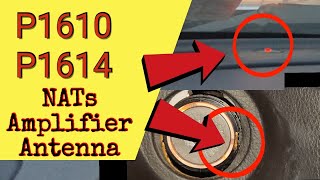
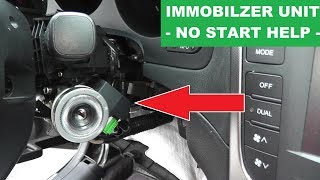
Est. part cost: $5-$250 - Faulty NATS Antenna Amplifier 🟡 Medium Probability This component, also called an immobilizer ring or inductive ring, is an electronic part that can fail over time due to age or heat cycles. It is the primary hardware component identified by the code definition.
How to confirm: A technician can test the coil's function using specialized tools to detect the signal it emits. A common DIY test for push-start models is to press the start button with the fob itself; if the car starts, it strongly points to a weak or failed antenna, as this places the key's chip in direct contact with the antenna. If key and wiring issues are ruled out, the amplifier is the next logical point of failure.
Typical fix: Replace the NATS antenna amplifier. This part is a ring that fits around the ignition switch or push-button start. This repair typically does not require reprogramming.
Est. part cost: $60-$150 - Wiring or Connector Issue ⚪ Low Probability Vibrations and age can lead to loose connections or damaged wires between the antenna amplifier and the Body Control Module (BCM). The TSB lists this as a possible, though less common, cause.
How to confirm: Visually inspect the wiring harness and connector at the NATS antenna amplifier and the BCM for any signs of damage, corrosion, or loose pins. A multimeter can be used to check for continuity and proper voltage at the connector per the factory service manual.
Typical fix: Repair the damaged section of the wiring harness or clean/secure the connector.
Est. part cost: $5-$50
Rare But Worth Checking
- Faulty Body Control Module (BCM): While rare, a failure within the BCM itself can cause this code. This should only be considered after all other possibilities (key, antenna, wiring) have been thoroughly ruled out by a professional, as it is an expensive component to replace and program.
Diagnosis Steps
- Verify the complaint. Note if the security light is solid red and if the engine fails to crank.
- Scan the BCM for codes using a capable scanner. Confirm B2190 is present. Note any other NATS codes like P1610 or P1614.
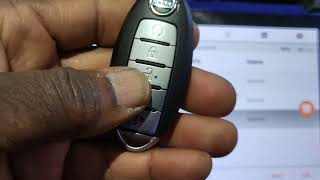
- Test with a known-good, registered Intelligent Key. Replace the key fob battery as a precaution. Remove all other fobs from the keychain to eliminate interference.
- If the vehicle has a key slot, insert the key and see if the code clears or changes status. If it's a push-button start, hold the key fob directly against the start button and try to start the engine. If it starts this way, the NATS antenna amplifier is highly suspect.
- If the issue persists, inspect the wiring and connector at the NATS antenna amplifier (around the ignition switch/start button) for damage or looseness.
- If wiring and keys are good, the NATS antenna amplifier is the most likely failed component.
- If replacing the antenna does not resolve the issue, a more in-depth diagnosis of the BCM and CAN network by a qualified technician using tools like CONSULT-III is required.
Parts You'll Likely Need
- Immobilizer Antenna Amplifier
(OEM #28590-3JA0A (5th Gen, 2013-2014) or 28590-EL00A (4th Gen, 2007-2012))— This is the component directly identified by the B2190 trouble code and is the most common hardware failure for this issue. Part number varies by generation/ignition type.
Trusted brands: Nissan (OEM)
OEM price range: $80-$165
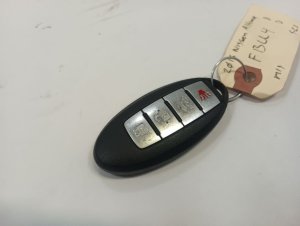
Aftermarket price range: $50-$100 - Intelligent Key Fob — If the internal transponder chip in the key has failed, a new key is required. A dead battery can also be the cause, which is a much simpler fix.
Trusted brands: Nissan (OEM)
OEM price range: $150-$250
Aftermarket price range: $50-$120
Related Codes That Often Appear With This One
- P1610, P1614 — These codes are also related to the NATS immobilizer system. P1610 indicates 'Lock Mode' and P1614 indicates a communication error in the immobilizer chain. They often appear with B2190, pointing strongly to a NATS-related failure.
- U1000 — This is a generic CAN communication error code. It can appear alongside B2190 if the communication breakdown involves multiple modules on the network, though B2190 is more specific to the antenna amplifier circuit.
Technical Service Bulletins (TSBs) & Recalls
- NTB13-015B: Supersedes NTB13-015A. States that B2190 (NATS ANTENNA AMP) can be stored due to using a non-registered key, an Intelligent Key issue, a wiring problem, or a fault in the key slot/antenna itself. It provides a diagnostic flowchart for technicians.
- NTB13-107G: While not specific to B2190, this TSB provides extensive detail on diagnosing 'Key Not Detected' issues caused by RF interference from other devices, a primary cause for intermittent B2190 faults.
Platform-Specific Known Issues
- Real-World Repair Experience: A user on NissanClub Forums with a 2013 Altima experiencing a no-start and B2190 code successfully resolved the issue by replacing the NATS antenna amplifier (also called an 'Immobilizer Inductive Ring'). The repair was performed DIY by removing the steering column shrouds to access the part, which cost approximately $80. This fixed the problem immediately without requiring any key reprogramming.
Helpful Videos
Used OEM Parts in Stock


New Aftermarket Parts Available

The information in this article is provided for general reference and educational purposes only. Vehicle specifications, procedures, and part compatibility can vary by production date, trim level, and region. Always consult your vehicle's factory service manual and verify part numbers before purchasing or performing repairs. Safety-critical components such as airbags, seat belts, and braking systems should be installed by a qualified professional.
- Nissan ALTIMA:
- 🎬 Helpful Videos
- 🛍️ Shop This Part
- What's Unique About the 2007-2014 Nissan ALTIMA
- Diagnostic Flowchart
- Symptoms You May Notice
- Most Likely Causes
- Rare But Worth Checking
- Diagnosis Steps
- Parts You'll Likely Need
- Related Codes That Often Appear With This One
- Technical Service Bulletins (TSBs) & Recalls
- Platform-Specific Known Issues
- 🎟️ Get 5% Off