

B1783 on 2019-2020 Jeep Wrangler: Stop Lamp Control Failure Causes and Fixes
On a 2019-2020 Jeep Wrangler, code B1783 almost always means 'Stop Lamp Control - General Electrical Failure'. It is frequently triggered by installing aftermarket parts like trailer brake controllers or LED tail lights. The fix often involves removing the aftermarket part or getting a dealer software update to the ABS module as specified in TSB 08-019-21.
- B1783 on a JL Wrangler is almost always caused by an aftermarket electrical accessory, not a failed part.
- The most common culprits are trailer brake controllers and non-OEM tail lights.
- The definitive fix, if removing the part doesn't work, is a dealer-performed software update to the ABS module per TSB 08-019-21.
- The Jeep Gladiator (JT) shares this exact same problem due to being on the same platform.
What's Unique About the 2019-2020 Jeep WRANGLER

The Jeep Wrangler JL platform (and its platform-mate, the Jeep Gladiator JT) is known for having a highly sensitive Body Control Module (BCM) and ABS module that closely monitor electrical circuits. This system is designed to detect minute changes in voltage and resistance. As a result, installing aftermarket components—especially trailer brake controllers or LED tail lights that have different electrical characteristics than OEM parts—can easily trigger this code. The vehicle's modules may interpret the different electrical signature as a fault, even if the lights appear to be working correctly. This is particularly true for vehicles built before January 8th, 2020, which are more susceptible to this issue before a factory software update was implemented.
Diagnostic Flowchart
Tap your situation to follow the diagnostic path that matches what you're seeing on this vehicle.
Symptoms You May Notice
- Malfunction Indicator Lamp (MIL) or Check Engine Light illuminated
- Electronic Stability Control (ESC) warning lamp on
- Brake lights (stop lamps) may not function
- Cruise control may be disabled
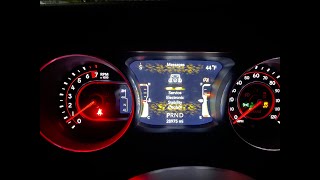
- "Service Electronic Stability Control" message on the dash 🎬 Watch: How to resolve common ESC and stability control warnings
- Traction control disabled light on
- Auto Start/Stop disabled light on
- Replacing the brake light bulbs. While always a good first step for a non-working light, this code is an electrical fault detection, not a bulb-out warning. If the bulbs work, the problem is elsewhere.
- Replacing the brake light switch without proper diagnosis. While a faulty switch can cause brake light issues, it's less common for this specific code on this vehicle compared to aftermarket part conflicts.
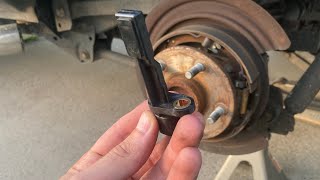
- Replacing wheel speed sensors. While a faulty wheel speed sensor can cause ABS/ESC lights, it typically sets its own specific code. 🎬 Watch: How to replace a faulty wheel speed sensor B1783 points more directly to the stop lamp control circuit.
Most Likely Causes

- Installation of Aftermarket Trailer Brake Controller or Trailer Wiring 🔴 High Probability As noted in manufacturer TSBs and numerous owner forums, the 12-volt backfeed from aftermarket trailer brake controllers (especially when using the manual override) can interfere with the communication between the BCM and ABS module, causing the system to detect a fault. The ABS module sees voltage on the brake light circuit and flags it as an error because it didn't initiate the signal. Some aftermarket wiring harnesses, like those from Curt, include a powered module to isolate the vehicle's wiring, but improper installation can still cause issues.
How to confirm: If the code appeared shortly after installing a trailer brake controller or wiring harness, this is the most likely cause. Disconnect the aftermarket controller/harness and see if the code can be cleared. The issue is most common on vehicles built before January 8th, 2020.
Typical fix: Remove the incompatible aftermarket controller. A specific software update (detailed in TSB #08-019-21) exists to make the ABS module less sensitive to this issue, allowing aftermarket controllers to be used without triggering a warning lamp. Some owners have success using wiring harnesses with built-in diodes to prevent backfeed.
Est. part cost: $0 - Installation of Aftermarket Tail Lights (especially LEDs) 🔴 High Probability The JL Wrangler's BCM is calibrated for the specific resistance of OEM incandescent or LED tail lights. Aftermarket lights, particularly LED conversions from brands like Form Lighting or Rough Country, often have different resistance values which the BCM interprets as a circuit failure. Even high-quality aftermarket lights can cause issues if not perfectly compatible.
How to confirm: Temporarily reinstall the factory OEM tail lights. If the code clears and does not return, the aftermarket lights are the cause.
Typical fix: Remove the aftermarket tail lights and reinstall the OEM units. Some aftermarket brands sell in-line resistors to mimic the OEM resistance 🎬 See how to fix hyper flash and errors with aftermarket lights, but these can be unreliable. The most reliable fix is returning to Mopar OEM tail lights.
Est. part cost: $0 if you have the original parts - ABS Module Software Anomaly 🟡 Medium Probability FCA released TSB #08-019-21 specifically to address this code when it appears after installing Mopar or aftermarket accessories. The bulletin acknowledges the ABS module's oversensitivity.
How to confirm: A dealer can check your vehicle's software version against the latest available updates using a wiTECH scan tool. This is particularly relevant for vehicles with a build date before January 8th, 2020.
Typical fix: Reprogramming (flashing) the ABS module with the latest software, as described in TSB #08-019-21. This is a dealer-only repair.
Est. part cost: $0 if under warranty, otherwise $100-$250 for dealer labor - Damaged Wiring or Connectors ⚪ Low Probability Off-roading can expose underbody and rear-end wiring to damage from debris, water, and flexing. The wiring harness to the tail lights and trailer connector are common areas to inspect for chafing, corrosion, or breaks.
How to confirm: Visually inspect the wiring harness leading to the tail lights, trailer connector, and ABS module for any signs of chafing, corrosion, or breaks. A scan tool capable of monitoring wheel speed sensors in real-time can also help identify wiring issues to those sensors, which can sometimes trigger related ESC/ABS faults.
Typical fix: Repair the damaged section of the wiring harness and protect it from future damage.
Est. part cost: $10-$100
Rare But Worth Checking
- Faulty ABS Module:
Diagnosis Steps
- Question the owner: Have any aftermarket parts been installed recently, especially a trailer hitch, trailer brake controller (e.g., Tekonsha, Redarc), trailer wiring harness (e.g., Curt), or new tail lights?
- Visually inspect all brake lights for proper operation (running lights, brake lights, turn signals).
- If aftermarket parts are present, disconnect them or temporarily reinstall the original factory parts. This is the most crucial step.
- Clear the codes using an OBD-II scanner and perform a drive cycle to see if the code returns. If it does not, the aftermarket part is the issue.
- If the code returns, check for applicable TSBs. TSB #08-019-21 specifically addresses this code and recommends a software update for the ABS module, especially for vehicles built before early 2020.
- Inspect the wiring harness for the tail lights and trailer connector for any visible damage, corrosion, or loose connections, particularly if the vehicle is used for off-roading.
- Using a capable scan tool (like JScan or wiTECH), check the brake light switch status to ensure it is reading correctly when the pedal is pressed and released.
- If all else fails and the software has been updated, the issue may be with the Body Control Module (BCM) or ABS module itself, which requires advanced dealer-level diagnostics.
Parts You'll Likely Need
- OEM Tail Light Assembly (Halogen)
(OEM #55112890AF (Right), 55112891AF (Left))— Needed if the original factory halogen tail lights were discarded after installing aftermarket units that caused the fault.
Trusted brands: Mopar
OEM price range: $115-$175 per side
Aftermarket price range: $100-$250 per side - OEM Tail Light Assembly (LED, Standard) — Needed if the original factory LED tail lights were discarded after installing aftermarket units that caused the fault.
Trusted brands: Mopar
OEM price range: $200-$350 per side
Aftermarket price range: $150-$400 per side
Related Codes That Often Appear With This One
- U0415-00 — This code means 'Invalid Data Received from Anti-Lock Brake System (ABS) Control Module'. It is often set alongside B1783 when an aftermarket trailer brake controller causes communication issues between the modules.
- P1C4E — This code indicates that an 'ABS DTC is Present'. It's a general powertrain code that points to a more specific fault stored in the ABS module, such as B1783.
Technical Service Bulletins (TSBs) & Recalls

- 08-019-21: Addresses MIL illumination with DTC B1783-01 after installing Mopar or aftermarket accessories. The prescribed fix is to re-flash the ABS module with updated software to make it less sensitive to voltage from accessories. This TSB is the primary solution when removing the accessory doesn't resolve the issue.
- S2008000097: Notes the association between the ESC Cluster Warning Lamp and DTC B1783-01 Stop Lamp Control Circuit General Failure, confirming the link between the code and the symptoms owners experience.
Platform-Specific Known Issues
- A known issue documented in TSB #08-019-21 and #S2008000097 where installing Mopar or aftermarket accessories, particularly trailer brake controllers, triggers code B1783-01. The fix is a software update to the ABS module to prevent the warning lamp from illuminating.
- Forum discussions confirm this is a widespread issue, especially when using the manual override on an aftermarket brake controller, which sends power to the brake lights and confuses the ABS module.
Hidden / Shadow Codes Worth Checking
- B1783-01: The '-01' is a Failure Type byte indicating a 'General Electrical Failure'. This subtype is used by FCA for electrical faults that cannot be assigned to a more specific category like 'short to ground' or 'open circuit'. (see via Most comprehensive OBD-II scanners and dealer tools like wiTECH will display the full code with its failure type.)
Scan Tool Commands That Help
- wiTECH: Reprogram ABS Module — This is the primary repair procedure outlined in TSB #08-019-21 to update the module's software, making it less sensitive to voltage backfeed from aftermarket accessories.
- wiTECH: ABS Initialization — This routine must be performed after reprogramming the ABS module to ensure it communicates correctly with the vehicle's other systems.
- wiTECH: Brake Pedal Calibration — This is a required step after the software update to ensure the ABS module correctly interprets the brake pedal's position and input.
- wiTECH: Proxi Alignment Procedure — This procedure, located under the BCM functions, may be required after a module flash to ensure all vehicle modules are correctly configured and communicating with each other.
- JScan / AlfaOBD: LED Light Adaptations — If aftermarket LED tail lights are the cause, these tools can sometimes be used to change vehicle configuration settings to 'LED Present', which tells the BCM to expect the different electrical signature of LEDs. This may prevent the fault code but is not guaranteed.
Wiring & Ground Locations

- G915A / G915B — Located in the rear body harness, likely in the rear quarter panel area on either side of the vehicle.. These are the primary grounds for the rear body components, including the tail light assemblies. A poor connection at these points could cause erratic voltage and resistance in the stop lamp circuit, triggering the B1783 code.
- ABS Module Connector — The ABS module is located in the engine bay, typically on the driver's side. It has a large multi-pin connector.. The 'Stop Lamp Signal' wire runs to this connector. Technicians may need to test for voltage or continuity at the corresponding pin when diagnosing a persistent fault that isn't resolved by software or removing aftermarket parts.
- G908A — A dash ground point, located under the driver's side of the dashboard.. This ground serves various components in the driver's area, including potentially the brake pedal switch assembly. A fault here, while less likely to be the primary cause, could contribute to inconsistent signals in the brake circuit.
Real Owner Repair Stories
- Jeep Gladiator Forum user post (Jeep Gladiator (JT) built before Jan 8th, 2020 (shares platform and issue with Wrangler JL)) — Cluster lit up with warnings for traction control and stability control being disabled. No Check Engine Light (MIL).
❌ Tried (didn't work) Restarting the vehicle would temporarily clear the lights, but the issue would return.
✅ What actually fixed it The dealer performed the ABS module software flash as specified in TSB #08-019-21. The user noted the issue only ever occurred when manually activating the aftermarket trailer brake controller without pressing the vehicle's brake pedal, confirming the 'voltage backfeed' scenario. The TSB flash specifically tells the ABS module to ignore this signal.
"I Checked Everything" — The Actual Cause
- This code is a prime example of a 'no physical fault found' scenario. A technician can verify the wiring is intact, the bulbs work, and the brake switch functions correctly, yet the code will persist. The issue is not a physical failure but a logic problem within the ABS module's software. TSB #08-019-21 confirms this by stating the cause is a 'design intent diagnostic detection' of the backfeed voltage. The fix is not a repair of a broken part, but a software update that essentially desensitizes the system by removing the warning lamp associated with this specific detection, allowing aftermarket controllers to be used.
Model Year Variations Within This Range
- Vehicles built before January 8th, 2020: These vehicles have an ABS module software version that is overly sensitive to voltage on the stop lamp circuit from aftermarket accessories like trailer brake controllers. They are the specific target for the software update outlined in TSB #08-019-21. Vehicles built after this date should already have the updated software from the factory.
Helpful Videos
Used OEM Parts in Stock


New Aftermarket Parts Available


The information in this article is provided for general reference and educational purposes only. Vehicle specifications, procedures, and part compatibility can vary by production date, trim level, and region. Always consult your vehicle's factory service manual and verify part numbers before purchasing or performing repairs. Safety-critical components such as airbags, seat belts, and braking systems should be installed by a qualified professional.
- Jeep WRANGLER:
- 🎬 Helpful Videos
- 🛍️ Shop This Part
- What's Unique About the 2019-2020 Jeep WRANGLER
- Diagnostic Flowchart
- Symptoms You May Notice
- Most Likely Causes
- Rare But Worth Checking
- Diagnosis Steps
- Parts You'll Likely Need
- Related Codes That Often Appear With This One
- Technical Service Bulletins (TSBs) & Recalls
- Platform-Specific Known Issues
- Hidden / Shadow Codes Worth Checking
- Scan Tool Commands That Help
- Wiring & Ground Locations
- Real Owner Repair Stories
- "I Checked Everything" — The Actual Cause
- Model Year Variations Within This Range
- 🎟️ Get 5% Off