

OBD-II Code B1707: Manufacturer-Specific Body Fault
What B1707 means, why it triggers, and how to fix it
- Code B1707 is manufacturer-specific; you must look up your exact make and model to determine if it affects your power seats, reverse lights, or airbags.
- Over 80% of B1707 codes stem from simple electrical failures like a burned-out $5 bulb, a faulty $40 switch, or broken wires in a door jamb.
- Replacing an incompatible LED bulb with a CAN-bus ready version or swapping a faulty power mirror switch takes under an hour and requires only basic hand tools.
- Hyundai B1707 codes indicate a disabled airbag system requiring immediate professional repair, while Infiniti G37s usually just need a 30-minute dealer scan tool reset after a dead battery.
What Does B1707 Mean?

B1707 is a Body Control Module (BCM) code that has entirely different meanings depending on your vehicle's manufacturer. It signals a fault in a body-related electrical circuit, but the specific circuit—power seats, reverse lights, turn signals, a seatbelt pretensioner, or a convertible top—varies by brand. You must identify your vehicle's brand to know what this code means.
Technical definition: There is no universal SAE/ISO definition for B1707. The definition is specific to the vehicle manufacturer. Common definitions include: Ford: 'Seat Driver Recline Rearward Switch Circuit Short To Battery'; Chrysler/Dodge/Jeep: 'Left Reverse Lamp Control Circuit'; Mitsubishi: 'Flasher Open Circuit'; GM/Chevrolet: 'Mirror Switch R Input Shorted to Ground'; Infiniti: 'Retractable Roof Open State Fault'; Hyundai: 'Buckle pretensioner - Passenger resistance too Low'; 🎬 Watch: How to safely test a seat belt pretensioner. Mercedes-Benz: 'PSE (Pneumatic System Equipment) control module fault'.
Can I Drive With B1707?
Yes, But With Caution. Yes, but a key safety or convenience feature is disabled. Driving with an inoperative reverse light or turn signal increases collision risk and invites a traffic ticket. For Hyundai models, this code signifies an SRS fault; the airbag and pretensioner for that seat will NOT deploy in a crash. For Infiniti G37s, the risk is primarily vehicle security and water damage if the top is stuck open.
Common Causes

- Burned-Out Bulb or Incompatible LED (Very Common) — For lighting-related faults (Chrysler, Mitsubishi), the issue is often a simple burned-out reverse or turn signal bulb. Additionally, replacing standard incandescent bulbs with LEDs triggers this code on many vehicles because the BCM misinterprets the LED's low resistance as a burned-out bulb.
- Faulty Switch (e.g., power seat, mirror, reverse lamp switch) (Very Common) — The switch controlling the affected component is the most frequent point of failure due to internal wear, liquid damage, or an electrical short.
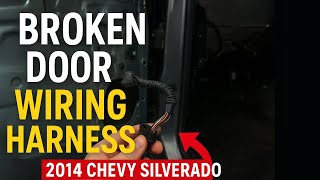
- Damaged Wiring or Connectors (Common) — The wiring harness leading to the component often chafes, pinches, or breaks in high-movement areas like door jambs (GM trucks), trunk hinges 🎬 Watch: How to troubleshoot and replace a damaged door wiring harness. (Dodge Journey), or under seats.
- Weak or Disconnected Battery (Infiniti specific) (Common) — On Infiniti G37 convertibles, a weak or recently disconnected battery interrupts the convertible top's operation, causing the control module to lose its position memory and trigger code B1707.
- Corroded Wiring Splice (Ford F-150 Specific) (Common) — On 2004-2008 Ford F-150s, a corroded wire splice in the passenger side kick panel harness causes simultaneous seat, pedal, and mirror failure.
- Water Intrusion and Corrosion (Less Common) — Water leaking through failing trunk seals, tail light gaskets, or clogged sunroof drains seeps into electrical connectors, causing shorts or open circuits.
- Faulty Body Control Module (BCM) (Rare) — The BCM or a related sub-module rarely fails. Consider this only after thoroughly testing wiring, switches, and the component itself.
Symptoms

- Specific feature not working — The most direct symptom is the failure of a specific function. For example, the driver's seat won't recline (Ford), the left reverse light is out (Chrysler), a turn signal blinks fast or not at all (Mitsubishi), or the right power mirror won't adjust (GM).
- Warning Light on Dash — A 'Check Engine' light, a specific lamp-out indicator, or another system light appears on the instrument cluster.
- SRS / Airbag Warning Light On (Hyundai) — For Hyundai vehicles, this code indicates a fault in the Supplemental Restraint System and illuminates the SRS/airbag warning light, indicating a critical safety feature is disabled.
- Inoperable Convertible Top & Beeping (Infiniti G37) — The retractable hardtop is disabled, stuck partially open or closed, and a persistent beeping occurs at speeds above 5 MPH.
- Blown Fuses — If the code is caused by a short circuit, the fuse related to that specific circuit repeatedly blows.
- Stuck PID Value in Scan Tool Data (scan-tool only — no driver-felt sign) — When viewing live data, a parameter related to the fault is stuck. For a Ford seat switch short, the PID 'SRCL_SW' is stuck 'On'. For a Hyundai pretensioner, the resistance value is out of spec.
Diagnostic Flowchart
Tap your situation to follow the diagnostic path that matches what you're seeing on this code.
Common Fixes & Costs
- Replace Backup Light Bulb/Harness (Chrysler/Dodge) — Parts: $5 - $100, Labor: $50 - $150, ~0.8 hr book time (DIY)
- Replace Turn Signal Flasher Relay or Bulb (Mitsubishi) — Parts: $5 - $40, Labor: $50 - $100, ~0.5 hr book time (DIY)
- Replace Power Seat Switch (Ford) — Parts: $30 - $120, Labor: $50 - $150, ~0.8 hr book time (DIY)
- Replace Power Mirror Switch (GM/Chevrolet) — Parts: $30 - $90, Labor: $50 - $100, ~0.6 hr book time (DIY)
- Replace Seat Belt Buckle Pretensioner (Hyundai) — Parts: $400 - $600, Labor: $125 - $250, ~1.5 hr book time (Professional)
- Perform Convertible Top Reset/Initialization (Infiniti G37) — Parts: $0 - $250, Labor: $150 - $350, ~1.5 hr book time (Professional)
Used vs. New Parts: Buying Guide
When a used part is worth it: For simple electrical components like power seat or mirror switches, a used OEM part from a reputable salvage yard is a very cost-effective and reliable option. They have low wear rates in most vehicles.
Donor-vehicle mileage cap: roughly under 120000 miles for the part to have meaningful remaining life.
Donor quality checklist:
- Verify the part number matches exactly.
- For switches, ensure the button layout and functions (e.g., memory) are identical.
- Avoid parts from flood-damaged or heavily corroded vehicles.
Decision logic:
- If The part is an SRS component (e.g., Hyundai seat belt pretensioner) → ALWAYS buy a new OEM part. The history of a used SRS component is unknown, and it may not function in a crash.
- If The part is a simple switch or wiring harness → A used part is a good option to save money, especially on older vehicles.
- If The part is a control module (BCM, DSM) → Favor a new or professionally remanufactured unit with a warranty, as used modules have hidden electrical faults.
Warranty tradeoff: Used parts typically have a 30-90 day warranty. Aftermarket new parts often have a 1-year to limited lifetime warranty. New OEM parts carry a 1-2 year warranty.
Worst-case if a used part fails: $200-400 if a used part fails shortly after installation, primarily due to repeated labor costs.
What Happens If You Wait — Timeline
- Immediate: Fault occurs and code is stored. A warning light (Check Engine, SRS, or Lamp Out) illuminates. The specific function (e.g., reverse light, power seat) stops working. (MPG impact: 0%% · Added cost: $0)
- 1-4 Weeks: For a lighting fault, you risk a traffic ticket ($100-$250). For a short circuit, a persistent drain weakens the battery. For an Infiniti G37 top fault, the car is unsecured and at risk of water intrusion if it rains. (MPG impact: 0%% · Added cost: $100 - $250 (ticket) or cost of a new battery ($200-$400))
- 1-6 Months: For an Infiniti G37 with a top stuck open, a single rainstorm causes catastrophic water damage to the interior, audio system, and control modules, leading to repairs costing thousands. For a short circuit, continued attempts to use the function overheats wiring, potentially melting insulation and damaging other circuits in the same harness. (MPG impact: 0%% · Added cost: $2000 - $8000+)
- Anytime: For a Hyundai SRS fault, this stage is immediate. The airbag and/or seatbelt pretensioner is disabled. In a collision, the lack of a functioning restraint system dramatically increases the risk of severe injury or death for the occupant. The potential cost is incalculable. (MPG impact: 0%% · Added cost: Incalculable)
Cost of Not Fixing It
- Immediate: For lighting faults (Chrysler, Mitsubishi): Increased collision risk and potential traffic ticket ($100-$250). For convenience faults (Ford seat, GM mirror): Annoyance, potential for unsafe driving position. (Added cost: $100 - $250)
- 0-3 Months: For Infiniti G37 convertible: Risk of major water damage to interior and electronics if top is stuck open, leading to thousands in repairs. Security risk from an unsecured cabin. (Added cost: $1500 - $5000+)
- Anytime: For Hyundai SRS fault: The passenger seatbelt pretensioner and potentially the airbag will NOT deploy in a crash, drastically increasing the risk of serious injury or death. This is a critical safety failure. (Added cost: Incalculable)
Diagnosis Steps

- Identify Your Vehicle's Specific Code Definition
Before any diagnosis, you MUST know what B1707 means for your car. A quick online search for '[Your Car's Make] B1707' tells you which system is affected (e.g., Ford - Power Seat, Hyundai - Seatbelt Pretensioner). All subsequent steps depend on this information.
Tools: Internet access (Beginner) - Visual Inspection
Based on your car's definition, inspect the relevant component. Look for obvious damage to the switch, check the bulb, and inspect the wiring harness for visible chafing, pinching, or corrosion, especially where it passes through door jambs or under seats.
Tools: Flashlight (Beginner) - Check the Fuse
Locate the fuse box and find the fuse protecting the circuit in question. Pull the fuse and check if the metal strip inside is broken. If it is, replace it with a new fuse of the exact same amperage.
Tools: Fuse puller or needle-nose pliers (Beginner) - Test the Component (Bulb/Switch)
If the fault is a light, replace the bulb. For switch-related faults, test it by swapping it with a known good switch from another door if they are identical. If the problem moves with the switch, the switch is bad. Skip this step for Hyundai pretensioner codes.
Tools: New bulb (if applicable), trim removal tools (Intermediate) - Test for Power at the Component
Using a multimeter, check for voltage at the connector of the non-working component. You need a wiring diagram for your vehicle to know which pins to test. If there is no voltage when there should be, the problem is upstream in the wiring or BCM.
Tools: Multimeter, wiring diagram (Intermediate) - Check for Shorts or Open Circuits
Disconnect the battery. Set your multimeter to continuity. Test the wiring between the BCM and the component connector to check for breaks. Then, test the power wire for continuity to a chassis ground; if it beeps, you have a short to ground.
Tools: Multimeter, wiring diagram, trim removal tools (Advanced) - Pro Tip: Testing for a Short-to-Voltage (Ford)
For Ford's 'Short to Battery' seat switch code, back-probe the specific signal wire at the switch connector with the ignition ON. If you measure battery voltage (~12V) when the switch is not being pressed, a short circuit is confirmed. Disconnect the switch; if voltage is still present on the harness side, the wiring is shorted.
Tools: Multimeter, wiring diagram, back-probe pins (Advanced) - Pro Tip: Diagnosing PWM Circuits (Chrysler/Dodge)
For Chrysler/Dodge reverse lamp faults, the BCM uses Pulse Width Modulation (PWM), which confuses a simple test light. Set a multimeter to DC voltage. With the ignition on and in reverse, test the specific lamp driver circuit at the BCM connector. A healthy circuit shows a fluctuating voltage less than full battery voltage (e.g., 6-10V).
Tools: Multimeter, wiring diagram (Advanced) - Pro Tip: Measuring Pretensioner Resistance (Hyundai)
CAUTION: Only perform with the battery disconnected for at least 30 minutes. Disconnect the yellow connector under the seat. Set a multimeter to Ohms. A healthy pretensioner has a resistance between 2.0 and 3.0 ohms. An open circuit (O.L.) or very high resistance indicates a faulty pretensioner.
Tools: Multimeter (Advanced) - Advanced: Scan Tool Live Data
A professional scan tool reads Body Control Module PIDs. For a Ford seat switch fault, monitor the PID for the recline switch. Actuating the switch changes the parameter's state. If the state is stuck 'On' even when the switch is released, it confirms the short.
Tools: Bi-directional OBD-II Scan Tool (Advanced)
When This Code Triggers (Freeze-Frame Conditions)
- System Voltage: 11.5-14.5V (Code sets if voltage is too low (weak battery) or too high (short to voltage).)
- Component Status: On/Active (The fault is typically logged the moment the BCM commands the circuit (e.g., shifting to reverse, pressing the seat switch) and detects an unexpected reading.)
- Circuit Voltage (Signal): 0V or 12V (stuck) (For switch faults like Ford's 'short to battery,' the freeze frame shows battery voltage on the signal line when it should be 0V.)
- Component Resistance (SRS): <2.0 Ohms or >3.0 Ohms (For Hyundai SRS faults, the code triggers when the SRS module's continuous monitoring detects the pretensioner circuit resistance is outside the specified range.)
Related Codes
- B1708 — On Infiniti G37 convertibles, B1708 ('Roof Close State') is almost always stored with B1707. Seeing both codes together confirms a logic lock-out from an interrupted roof cycle. The diagnostic approach is identical for both: perform the manual closing and initialization procedure.
- B170B — On Chrysler/Dodge/Jeep vehicles, B1707 points to the 'Left Reverse Lamp Control Circuit', while B170B indicates a fault with the 'Right Reverse Lamp Control Circuit'. If both are present, suspect a common failure point like the backup lamp switch or BCM.
- C1109 — For the Infiniti G37, this code indicates a low battery voltage issue. If C1109 is present with B1707, it strongly suggests the root cause of the roof fault was a weak or failing battery that caused a voltage drop during operation.
- B2292 — On Ford vehicles, B2292 is a related SRS code for 'Seatbelt Pretensioner Fault'. While B1707 on a Ford typically relates to the power seat itself, if you see an SRS light and a pretensioner-related code, diagnose the safety system first.
Climate & Environmental Factors
- High Humidity / Heavy Rain: Moisture is the primary catalyst for electrical corrosion. In humid climates or areas with heavy rainfall, water penetrates failing seals and saturates connectors, leading to shorts or open circuits. This is a major factor in Dodge Journey trunk harness failures and Ford F-150 splice corrosion.
- Road Salt (Winter / Coastal Regions): Saltwater is highly conductive and extremely corrosive to copper wiring and terminals. In 'Salt Belt' regions, salt spray coats the undercarriage and works its way into unprotected electrical components, dramatically accelerating failure.
- Extreme Cold: Cold temperatures make plastic wire insulation and rubber boots brittle. When a door or trunk is opened in freezing weather, the stiff harness is more likely to crack or break wires, leading to an open circuit. This is a common cause for GM truck door harness failures.
How to Talk to a Mechanic About This Code
Say this: "I have a [Your Year/Make/Model] with a B1707 code. My research shows this is for the [specific system, e.g., 'passenger seatbelt pretensioner' for a Hyundai, or 'left reverse light' for a Dodge]. I'd like to schedule a diagnostic appointment to pinpoint the cause."
This immediately tells the service advisor you're informed. It focuses the technician's diagnostic time on the correct system, saving you money on exploratory labor and preventing them from starting from scratch.
Avoid saying:
- 'My check engine light is on.' (This code often doesn't trigger the CEL)
- 'The code is B1707, just fix it.' (This invites them to replace the most expensive part without proper diagnosis)
- 'Just do whatever you think is best.'
Questions to ask before authorizing the repair:
- Based on your diagnosis, is the fault in the component, the wiring, or the control module?
- For a wiring fault: Did you find a specific break or short, and where was it located?
- For a component fault (like a switch or pretensioner): Did you test for power, ground, and signal at the component's connector before condemning the part?
- For a module fault: Have you conclusively ruled out all wiring and component issues first?
- For an SRS repair (Hyundai): Are you using a new OEM replacement part?
Where to Take It: Dealer vs Independent vs Chain
- Dealer:
Required for SRS and specific complex faults. An independent shop is often better for more common wiring or switch issues.
Best for: Hyundai SRS/airbag faults., Infiniti G37 convertible top resets (requires CONSULT scan tool)., Vehicles under warranty., Complex module diagnostics (e.g., Mercedes PSE).
Downsides: Highest labor rates., May recommend module replacement when a wiring fix is possible. (Typical cost: +50% vs. baseline) - Independent Shop:
Best fit for the majority of B1707 faults, offering the best balance of expertise and value.
Best for: Wiring repairs (GM door harness, Dodge trunk harness)., Switch and bulb replacements (Ford, Mitsubishi)., General electrical diagnosis on out-of-warranty vehicles.
Downsides: Quality varies; ensure they are well-regarded for electrical work., May not have manufacturer-specific tools for complex resets (like Infiniti). (Typical cost: +0% vs. baseline) - Chain Shop:
Acceptable ONLY for a simple, confirmed burned-out bulb. AVOID for any diagnostic work or parts replacement beyond a bulb.
Best for: Simple bulb or fuse replacement (Mitsubishi, some Chrysler faults).
Downsides: Technician skill varies widely., Generally not equipped for in-depth electrical diagnosis, wiring repair, or SRS work., High pressure to sell parts rather than diagnose. (Typical cost: -10% vs. baseline)
When to Walk Away From the Repair
If the estimated repair cost exceeds 40-50% of the car's private-party value (check Kelley Blue Book), you should seriously consider selling or trading in the vehicle instead of repairing it.
- Car worth $4000, fix is $850: Fix it. The repair cost for a common B1707 issue like a wiring repair or SRS pretensioner is well below the 50% threshold.
- Car worth $15000, fix is $350: Fix it. A simple switch or a wiring repair is a minor cost relative to the vehicle's value.
- Car worth $3000, fix is $1800: Walk away. If a complex module failure (like a BCM) is diagnosed on a low-value car, the repair cost is over 50% of the car's worth. It's not a sound investment.
What Scan Tool You Need for This Code
Minimum: A scanner that reads manufacturer-specific Body (B) and SRS (S) codes. A basic engine-only (P-code) reader is insufficient and will not see this code.
A $20 'Check Engine Light' reader from a parts store shows 'No Codes Found' because it cannot communicate with the Body Control Module or SRS Module where B1707 is stored. Free scans from stores like AutoZone use basic readers, so verify the tool reads 'B' and 'S' codes.
Budget: Foxwell NT604 Elite / BlueDriver Pro (~$99) — Reads and clears codes from the Engine, ABS, SRS, and Transmission modules. This is the minimum required to properly see and clear a B1707 code, especially on a Hyundai.
Mid-range: Autel MaxiCOM MK808 / Foxwell NT809 (~$300) — Provides full-system diagnostics to read codes from all modules. Crucially, it offers bidirectional control to command components (like a seat motor) to function, which helps differentiate a bad part from a wiring issue. This is essential for an efficient diagnosis.
Professional: Autel MS906 Pro / Launch X431 Series (~$600-1200) — Offers full bidirectional control, advanced coding, and manufacturer-specific functions. A tool at this level is required for the 'Hard Top Control Unit Initialization' needed to fix the Infiniti G37 convertible fault.
How to Clear the Code After You Fix It
- Use an OBD-II scan tool to clear the code from the specific module (BCM, SRS, etc.).
- Disconnecting the battery for 15-30 minutes clears the code for some non-SRS faults, but a scan tool is the correct method.
- For SRS codes (Hyundai), the light will NOT go out until cleared with an SRS-compatible scan tool.
- For Infiniti G37 top faults, a dealer-level scan tool is required to perform system re-initialization.
Drive cycle (~5 minutes): A specific 'drive cycle' is generally not required for B-codes. After clearing the code, simply operate the repaired function multiple times (e.g., cycle the ignition, shift into reverse 5 times, operate the power seat through its full range of motion) to confirm the fix is effective and the code does not return.
Watch out for:
- Assuming the code will clear itself. SRS codes are 'latching' and must be manually cleared.
- Using a basic engine code reader that cannot access Body (B) or SRS codes.
- Not addressing the root cause, which causes the code to reappear immediately upon the next system self-test.
Will This Fail Emissions / State Inspection?
Yes — this code typically fails an OBD-II emissions inspection.
- California: An illuminated SRS/airbag light is a reason for inspection failure. While not a 'smog' issue, it fails the overall safety check required for registration.
- New York: The NYS DMV inspection includes checking for the proper function of required lighting (including reverse lamps) and the status of the airbag warning light. An illuminated SRS light or non-functional reverse light results in a failure.
- Texas: The Texas vehicle safety inspection requires all required lamps to be functional. An illuminated airbag warning light is also a cause for failure.
Most Commonly Affected Vehicles
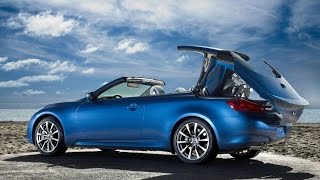
- Infiniti G37 Convertible (2009-2013) — Prone to this code when the retractable hardtop operation is interrupted by a weak battery or physical obstruction. The fix is a system reset per TSB ITB14-030, not usually a parts failure.
- Dodge Charger, Journey (2011-2020) — Commonly experiences B1707 due to failures in the left reverse lamp circuit. On the Journey, this is often caused by broken wires in the flexible harness leading to the rear hatch.
- Chevrolet Silverado, Tahoe, Suburban (2007-2014) — On these GM trucks, B1707 typically points to 'Mirror Switch R Input Shorted to Ground'. Before replacing the switch, inspect for broken wires inside the rubber boot between the driver's door and the body.
- Hyundai Tucson, Accent, Elantra (2005-2023) — B1707 indicates 'Buckle pretensioner - Passenger resistance too Low'. This is an SRS fault requiring professional diagnosis. Newer models (2019-2023) are subject to a major recall for exploding pretensioners (NHTSA 22V-354).
- Ford F-150, Explorer, Crown Victoria (1996-2010) — On many Ford models, this code points to a short in the driver's power seat recline switch circuit. On 2004-2008 F-150s, check for a corroded splice in the passenger kick panel if the seat, pedals, and mirrors fail together.
- Mitsubishi L200, Outlander (2007-2017) — Frequently logs B1707 for an open circuit in the turn signal (flasher) system, which is usually a burned-out bulb or a bad flasher relay, causing hyperflash.
- Jeep Grand Cherokee (2014-2018) — Similar to Dodge, this code often relates to the reverse lamp control circuit. STAR case S2208000194 points to a connector behind the left front wheel well (XY910A) as a common failure point for chafing.
- Mercedes-Benz C-Class, E-Class, S-Class (1998-2006) — On these models, B1707 indicates a fault with the PSE (Pneumatic System Equipment) control module, which controls functions like door locks, trunk release, and lumbar support. Diagnosis requires a specialized scanner.
Manufacturer-Specific Notes

- Infiniti: For the G37 Convertible, B1707 is almost always a logic fault, not a broken part. The fix is a system reset procedure detailed in Technical Service Bulletin (TSB) ITB14-030, which involves manually closing the roof and using a scan tool to re-initialize the control unit.
- Chrysler/Dodge/Jeep: The BCM uses Pulse Width Modulation (PWM) to power the reverse lamps. A simple test light flickers or gives a false reading. A multimeter is required to properly diagnose the circuit.
- Ford: On many F-150s and Explorers, the Driver Seat Module (DSM) sets this code as 'continuous' if it detects a short for more than two minutes, after which it ignores any further input from the switch until the fault is cleared.
- GM/Chevrolet: For 2007-2014 trucks and SUVs with mirror switch faults, the most common point of failure is not the switch itself, but broken wires inside the flexible rubber boot between the driver's door and the A-pillar due to repeated opening and closing.
- Hyundai: A B1707 code on many Hyundai models points to a critical SRS fault. Additionally, many 2019-2023 models are under NHTSA Recall 22V-354 for seat belt pretensioners that explode during a crash.
Real Owner Stories
2012 Dodge Journey with 115K miles - Reverse Light Failure
The left reverse light stopped working and the B1707 code appeared. The bulb and fuse were both good.
What they tried:
- Replaced the reverse light bulb - no change.
- Checked fuse F45 (Exterior Lights) - it was fine.
- Tested for power at the bulb socket - 0 volts.
Outcome: Owner inspected the wiring harness where it passes from the body to the rear liftgate and found several broken wires inside the rubber boot. Splicing the broken wires with butt connectors and heat shrink tubing restored function and cleared the code. Total cost was under $10 for repair materials.
Lesson: On vehicles with liftgates or trunks, always inspect the flexible wiring harness boot for broken wires before replacing expensive components like the BCM. This is a very common failure point.
2010 Infiniti G37 Convertible at 80K miles - Top Stuck Open
After the battery died and was replaced, the convertible top would not operate and was stuck partially open. Codes B1707 and B1708 were present.
What they tried:
- Tried disconnecting the new battery for 30 minutes to reset the system - no change.
- Took the car to the Infiniti dealer, who quoted $12,000 to replace the hydraulic motor and control module.
Outcome: Following advice from an online forum, the owner found Infiniti TSB ITB14-030. The procedure required manually closing the roof and then using a bidirectional scan tool to perform a 'Hard Top Control Unit Initialization'. An independent shop performed the reset for $350. The top began working normally. The root cause was a logic lock-out from the battery dying mid-cycle, not a parts failure.
Lesson: For Infiniti G37 convertibles, B1707 is almost always a software/logic issue after a battery interruption. Do not replace expensive parts until the official TSB reset procedure has been performed.
2008 Chevy Silverado 1500 at 150K miles - Power Mirror In-op
The passenger-side power mirror stopped adjusting. The driver's side mirror worked fine. Code B1707 'Mirror Switch R Input Shorted to Ground' was stored.
What they tried:
- Initially assumed the mirror switch on the driver's door was bad and ordered a replacement part.
- While waiting for the part, wiggling the wiring harness in the driver's door jamb caused the mirror to work intermittently.
Outcome: The owner pulled back the rubber boot between the driver's door and the truck's body and found two broken wires. Repairing the wires with a soldering iron and heat shrink tubing fixed the problem completely for less than $5. The new switch was returned.
Lesson: On GM trucks, broken wires in the driver's door jamb are a more common cause of mirror and window failure than a bad switch. Always inspect this high-motion area before buying parts.
2009 Hyundai Tucson with 95K miles - Airbag Light On
The SRS/airbag warning light came on and stayed on. A scan revealed code B1707, 'Buckle pretensioner - Passenger resistance too Low'.
What they tried:
- Checked the wiring connector under the passenger seat; it was secure.
- Cleared the code with a scan tool, but it returned immediately.
Outcome: This is an SRS fault that is unsafe for DIY repair due to the risk of accidental deployment. The owner took the vehicle to the dealer. The dealer diagnosed a failed passenger seat belt buckle pretensioner. The part cost approximately $450 and labor was $150. After replacement and clearing the code with the dealer's scan tool, the SRS light went out.
Lesson: Any B1707 code that triggers an SRS/airbag light (common on Hyundai) indicates a critical safety system failure. This is not a DIY repair; it must be handled by a professional technician to ensure safety and proper system function.
How to Prevent This Code From Triggering
- Apply Dielectric Grease to Connectors (Anytime a connector is disconnected) — Dielectric grease is a non-conductive, silicone-based sealant that blocks moisture and oxygen from reaching metal contacts. This prevents the corrosion that leads to open circuits and shorts, especially for exterior lights and door harnesses.
- Periodically Lubricate Door Harness Boots (Once per year) — The rubber boots in door jambs and trunk hinges become stiff over time. Spraying them with a silicone lubricant keeps them flexible, reducing the strain and chafing on the wires inside as they flex, which helps prevent wires from breaking.
- Clean Battery Terminals and Check Ground Straps (Every 6-12 months) — Corrosion on battery terminals or main ground points creates unwanted resistance, leading to low voltage conditions that cause modules to act erratically and set false codes. Clean terminals with a wire brush and ensure ground straps are tight and corrosion-free.
- Regularly Wash Undercarriage in Winter Climates (Monthly during winter in 'Salt Belt' regions) — Road salt spray is extremely corrosive to wiring and electrical components on the vehicle's undercarriage. Regularly washing it off mitigates the buildup that accelerates rust and electrical failures.
- Inspect and Clear Sunroof/Cowl Drains (Once per year, especially in leafy areas) — Clogged drains for the sunroof or windshield cowl cause water to overflow into the vehicle's interior, often dripping directly onto fuse boxes or control modules like the BCM, leading to catastrophic electrical damage.
Frequently Asked Questions
Can I fix a B1707 code myself?
It depends on the cause. Replacing a simple bulb, fuse, or switch is a manageable DIY fix. However, if the problem is a wiring short, a faulty control module, or related to the Hyundai SRS system, stop and seek professional diagnosis.
Why does a mechanic charge $150 for diagnosis when an auto parts store reads codes for free?
The diagnostic fee covers the technician's time and expertise to perform electrical tests, inspect wiring, and pinpoint the exact cause. A free code scan only tells you the symptom, while a professional diagnosis finds the root cause.
I installed LED bulbs and now have a B1707 code. What's wrong?
The vehicle's Body Control Module expects the higher electrical resistance of a traditional incandescent bulb. An LED bulb has very low resistance, which the BCM misinterprets as a burned-out bulb, triggering the fault code. Fix this by installing CAN-bus compatible LEDs with built-in resistors.
My turn signal is flashing fast. Is that related to code B1707?
Yes, on Mitsubishi vehicles, a fast-flashing turn signal (hyperflash) is a direct symptom of the B1707 'Flasher Open' fault, almost always caused by a burned-out bulb.
Is it safe to test airbag components with a multimeter?
No, never use a multimeter on the pyrotechnic inflator of an airbag or seat belt pretensioner, as it supplies enough current to accidentally deploy the device. It is only safe to perform continuity tests on the wiring harness after completely disconnecting it from the SRS component.
Why is my airbag light still on after replacing the seat belt part?
SRS system fault codes are 'latching' and will not clear themselves after a repair. The warning light remains on until the code is manually cleared from the SRS control module using a compatible diagnostic scan tool.
Is it safe to drive with a B1707 code?
While the car drives normally, the failed component poses a safety risk. An inoperative reverse light causes accidents, and a Hyundai SRS fault means airbags will not deploy in a crash. Get the issue repaired promptly to ensure vehicle safety.
Key Takeaways
- Code B1707 is manufacturer-specific; you must look up your exact make and model to determine if it affects your power seats, reverse lights, or airbags.
- Over 80% of B1707 codes stem from simple electrical failures like a burned-out $5 bulb, a faulty $40 switch, or broken wires in a door jamb.
- Replacing an incompatible LED bulb with a CAN-bus ready version or swapping a faulty power mirror switch takes under an hour and requires only basic hand tools.
- Hyundai B1707 codes indicate a disabled airbag system requiring immediate professional repair, while Infiniti G37s usually just need a 30-minute dealer scan tool reset after a dead battery.
Helpful Videos

The information in this article is provided for general reference and educational purposes only. Vehicle specifications, procedures, and part compatibility can vary by production date, trim level, and region. Always consult your vehicle's factory service manual and verify part numbers before purchasing or performing repairs. Safety-critical components such as airbags, seat belts, and braking systems should be installed by a qualified professional.
- 🎬 Helpful Videos
- What Does B1707 Mean?
- Can I Drive With B1707?
- Common Causes
- Symptoms
- Diagnostic Flowchart
- Common Fixes & Costs
- Used vs. New Parts: Buying Guide
- What Happens If You Wait — Timeline
- Cost of Not Fixing It
- Diagnosis Steps
- When This Code Triggers (Freeze-Frame Conditions)
- Related Codes
- Climate & Environmental Factors
- How to Talk to a Mechanic About This Code
- Where to Take It: Dealer vs Independent vs Chain
- When to Walk Away From the Repair
- What Scan Tool You Need for This Code
- How to Clear the Code After You Fix It
- Will This Fail Emissions / State Inspection?
- Most Commonly Affected Vehicles
- Manufacturer-Specific Notes
- Real Owner Stories
- 2012 Dodge Journey with 115K miles - Reverse Light Failure
- 2010 Infiniti G37 Convertible at 80K miles - Top Stuck Open
- 2008 Chevy Silverado 1500 at 150K miles - Power Mirror In-op
- 2009 Hyundai Tucson with 95K miles - Airbag Light On
- How to Prevent This Code From Triggering
- Frequently Asked Questions
- Can I fix a B1707 code myself?
- Why does a mechanic charge $150 for diagnosis when an auto parts store reads codes for free?
- I installed LED bulbs and now have a B1707 code. What's wrong?
- My turn signal is flashing fast. Is that related to code B1707?
- Is it safe to test airbag components with a multimeter?
- Why is my airbag light still on after replacing the seat belt part?
- Is it safe to drive with a B1707 code?
- Key Takeaways
- 🎟️ Get 5% Off