

B1650 on 2010-2014 Subaru Legacy: ODS Failure Causes and Fixes
This code means the passenger airbag's Occupant Detection System (ODS) has a fault. The most common fix is not a part, but a 'rezeroing' or calibration procedure done with a dealer-level scan tool. If that fails, the sensor mat in the seat is the next likely cause. Moisture in the seat is a very common trigger for this code.
- B1650 means the passenger airbag is turned OFF due to a fault in the Occupant Detection System (ODS). Do not use the passenger seat until this is fixed.
- The most common fix is a 'rezeroing' calibration, which must be done by a shop with a Subaru-specific scan tool.
- Before any expensive repairs, ensure the passenger seat is 100% dry, as moisture is a known cause of this code.
- If calibration and drying the seat don't work, the problem is likely the sensor mat inside the seat cushion, which is an expensive part to replace.
- This is not a DIY-friendly repair due to the safety-critical nature of the airbag system and the need for specialized tools.
What's Unique About the 2010-2014 Subaru LEGACY
For the fifth-generation Legacy (and its platform-mate, the Outback), Subaru issued two Technical Service Bulletins (TSBs), 07-84-14 and its revision 07-84-14R, specifically to clarify the diagnostic and calibration procedures for code B1650. This suggests that the 'rezeroing' or calibration process was a very common point of failure and confusion, often leading to unnecessary replacement of the seat cushion. Unlike many codes that point directly to a failed part, B1650 on this vehicle frequently points to a loss of calibration that needs to be reset with a specific procedure detailed in the TSB. This issue is widely discussed in owner forums for both the Legacy and Outback.
🎬 Watch: Step-by-step tutorial for fixing the Subaru airbag light.Diagnostic Flowchart
Tap your situation to follow the diagnostic path that matches what you're seeing on this vehicle.
Symptoms You May Notice
- Airbag warning light is illuminated on the instrument cluster.
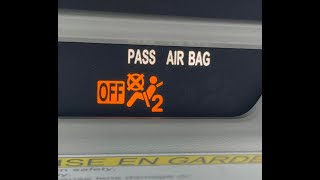
- Passenger airbag OFF indicator light is illuminated, even with an adult passenger in the seat.
- Passenger airbag ON indicator light does not illuminate when it should.
- Passenger seatbelt alarm may go off intermittently with no one in the seat.
- Replacing the seat cushion/sensor mat before attempting the re-zeroing procedure. The TSBs exist because calibration is a very common fix.
- Ignoring moisture in the seat. Technicians are warned that failing to ensure the seat is completely dry can lead to an unnecessary and expensive seat cushion replacement.
- Clearing the code without fixing the root cause. If the issue is moisture or a faulty sensor, the code will return.
Most Likely Causes
- Occupant Detection System (ODS) Requires Re-zeroing/Calibration 🔴 High Probability As documented in TSBs 07-84-14R and 07-84-14, the system can lose its calibration for various reasons, including battery replacement, seat removal, or even without a clear cause. The TSBs were created to provide clearer steps for this common issue, which was a frequent source of misdiagnosis.
How to confirm: A Subaru-specific scan tool (like the SSMIII) is required to access the Occupant Detection System module and perform the 'Zero Point Adjustment' or 'Rezeroing' function. The procedure has strict prerequisites, including the vehicle being on a level surface and the seat temperature being between 32-104°F (0-40°C).
Typical fix: Perform the ODS rezeroing procedure following the steps outlined in the service manual or TSB 07-84-14R. This is a software calibration, not a part replacement. A dealership may charge between $150-$300 for this diagnostic and calibration service.
Est. part cost: $0 - Moisture in the Passenger Seat Cushion 🟡 Medium Probability The capacitive sensor mat is highly sensitive to moisture. Spilled liquids, wet clothing, leaving a window open in the rain, or even high humidity can interfere with the sensor's operation and trigger a B1650 code. Subaru TSB 07-108-17R specifically warns technicians to check for moisture before replacing any parts, calling it a common cause that can lead to unnecessary seat cushion replacement.
How to confirm: Visually and physically inspect the passenger seat cushion for any signs of dampness. The code will likely reset after clearing if the seat is not completely dry. A real-world example is an owner who left their sunroof open in the rain, triggering the light, which went away after the seat dried.
Typical fix: Thoroughly dry the seat cushion. Subaru recommends using the vehicle's A/C system with the fan on max to circulate air. Do not use a heat gun or hair dryer, as this can damage the sensitive sensor mat. After drying, the code may need to be cleared and the system re-zeroed.
Est. part cost: $0 - Failed ODS Sensor Mat 🟡 Medium Probability The sensor mat is integrated into the seat cushion and can fail from physical stress (kneeling on the seat), age, or repeated moisture exposure. This is a common failure point for ODS systems across many Subaru models and manufacturers.
How to confirm: If the re-zeroing procedure fails repeatedly and the seat is confirmed to be dry with no wiring issues, the sensor mat is the likely culprit. The diagnostic chart in TSB 07-84-14R leads to this conclusion after other steps are exhausted.
Typical fix: Replace the passenger seat bottom cushion assembly, which contains the ODS sensor mat. After replacement, the new system must be re-zeroed/calibrated. Owner experiences on Reddit and forums confirm this is a common dealer-recommended repair.
Est. part cost: $800-$1600 - Wiring or Connector Issue ⚪ Low Probability Items stored under the seat or frequent seat movement can damage the wiring harness or loosen connectors for the ODS module. TSB 07-84-14R explicitly requires technicians to verify all ODS-related harnesses and connectors are fully seated before attempting calibration.
How to confirm: Visually inspect the wiring and connectors under the passenger seat for any signs of damage, pinching, or disconnection. Check for poor contact at the ODS module and the main airbag control module. A user on LegacyGT.com noted that cleaning the under-seat connectors was a troubleshooting step they planned to take for an intermittent light.
Typical fix: Repair the damaged wiring or securely reconnect the connectors. If a harness is damaged beyond repair, it must be replaced.
Est. part cost: $5-$200
Rare But Worth Checking
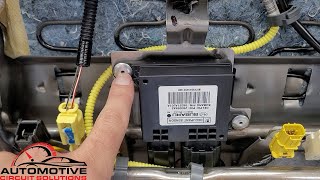
- Failed ODS Control Module: The ODS has its own control module, usually attached to the bottom of the seat frame with rivets. While less common than sensor or calibration issues, the module itself can fail or store 'hard crash codes' after an accident that need to be cleared. Some third-party services offer a reset service for this module if it's not physically damaged.
- Failed Airbag Control Module (ACM): This is the main computer for the entire SRS system. It's the least likely cause for an isolated B1650 code, but service procedures list it as the final replacement step if all other diagnostic avenues fail.
- Aftermarket Electronic Devices: Subaru's TSB 07-84-14R specifically warns that aftermarket devices plugged into power outlets can sometimes interfere with the capacitive ODS sensor, especially when used by the passenger. A separate TSB for the 2012 Impreza also noted that an iPod or cell phone plugged into the accessory outlet could affect the system.
Diagnosis Steps
- Connect a professional scan tool capable of reading Subaru SRS and ODS modules (e.g., Subaru Select Monitor III).
- Check for B1650 in the Airbag Control Module and any related codes (B1760, B1761, etc.) in the Occupant Detection System module.
- Interview the driver and inspect the passenger seat for any signs of moisture (spills, wet clothes, etc.). If wet, the seat must be completely dried before proceeding. Subaru TSB 07-108-17R provides a specific procedure for this.
- Inspect all wiring and connectors under the passenger seat for damage or loose connections, per TSB 07-84-14R.
- Following the vehicle preparation steps in TSB 07-84-14R (empty vehicle, level surface, seat all the way back, backrest upright, seat temp 32-104°F), attempt the 'Rezeroing' or 'Zero Point Adjustment' procedure using the scan tool.
- If re-zeroing is successful, clear all codes and verify the airbag light turns off. Test the system by having an adult sit in the seat to see if the 'PASS AIRBAG ON' light illuminates correctly.
- If re-zeroing fails or the code immediately returns, the diagnostic procedure points towards a faulty ODS sensor mat (part of the seat cushion), a wiring harness issue, or the ODS control module itself.
- If the ODS sensor mat is deemed faulty, the entire passenger seat bottom cushion assembly must be replaced and the new system calibrated.
- If all other components and wiring are verified to be good, the final step in the diagnostic tree is to replace the main Airbag Control Module, though this is rare.
Parts You'll Likely Need
- Passenger Seat Cushion Assembly
(OEM #64120AJ02B (Example for 2010-2014 Legacy, verify with VIN))— This is the most common part replaced when re-calibration doesn't fix the issue, as the ODS sensor mat is integrated into the cushion. Owners report dealer quotes of $1200-$1600 for this repair.
Trusted brands: Subaru (OEM)
OEM price range: $1000-$1600
Aftermarket price range: Not typically available
Related Codes That Often Appear With This One
- B1760, B1761, B1771, B1795 — These are more specific fault codes stored in the ODS control module itself. B1650 is the general fault code stored in the main Airbag Control Module. A full diagnosis requires reading the codes from both modules, and these codes often accompany B1650.
Technical Service Bulletins (TSBs) & Recalls
- 07-84-14R: Revised B1650 Diagnostics and ODS Rezeroing Procedure.
- 07-84-14: Revised B1650 Diagnostics and ODS Rezeroing Procedure.
- 07-108-17R: Revised Diagnostic Procedure for DTC B1650 (Emphasizes moisture check).
Platform-Specific Known Issues
- Subaru issued TSB 07-84-14 and its revision 07-84-14R to provide clearer instructions for diagnosing B1650 and performing the ODS re-zeroing procedure, indicating this was a common problem area for service technicians.
- A separate TSB, 07-108-17R, was issued to emphasize the role of moisture in triggering this code and to warn against unnecessary seat cushion replacement.
- Owner forums like LegacyGT.com and various subreddits contain numerous threads from owners of 2010-2014 Legacy and Outback models experiencing this exact issue, confirming its prevalence.
Mechanic-Grade Diagnostic Values
- Airbag rear harness continuity — expected: Less than 10 Ω. Failure: Resistance is 10 Ω or more, indicating an open circuit in the harness.
- Airbag rear harness short to ground — expected: 1 MΩ or more. Failure: Resistance is less than 1 MΩ, indicating a short circuit to chassis ground.
- Voltage at Occupant Detection Harness connector — expected: 10 V or more. Failure: Voltage is less than 10 V, indicating a power supply issue to the ODS module.
Hidden / Shadow Codes Worth Checking
- B1760, B1761, B1771, B1795: These are manufacturer-specific codes stored in the Occupant Detection System (ODS) module that provide more detail than the general B1650 code in the main Airbag Control Module. For example, B1760 indicates 'Sensor Mat Abnormal'. (see via A dealer-level scan tool like the Subaru Select Monitor (SSMIII) or a high-end aftermarket scanner capable of accessing the ODS module separately from the main Airbag module.)
Scan Tool Commands That Help
- Subaru Select Monitor III (SSMIII): Rezeroing (System Calibration) — This is the primary first step for a B1650 code after confirming no moisture and secure connectors. It recalibrates the baseline for the empty passenger seat. The specific menu path is: {Each System Check} -> {Occupant Detection System} -> {Rezeroing}. A critical step in the procedure is to cycle the ignition OFF and then ON within 10 seconds when prompted by the tool.
Wiring & Ground Locations
- ODS Control Module — Riveted to the bottom of the passenger seat frame.. This is the dedicated computer for the ODS. It processes sensor data and communicates with the main airbag module. It can store its own fault codes and crash data.
- Airbag Control Module (ACM) — Underneath the center console, between the two front seats.. This is the main SRS computer that receives the fault signal from the ODS module and sets the B1650 code, illuminating the airbag light.
- Connectors AB53 / AB59 — Under the passenger's seat.. These are the primary harness connectors for the ODS sensor mat and module. They are a common point of failure due to loose connection or damage from items under the seat. TSBs require checking and disconnecting them for harness testing.
- Fuse No. 25 — In the passenger compartment fuse box, typically located to the left of the steering column.. This fuse (typically 15A) provides power to the SRS airbag system. A blown fuse will cause a total system failure and can trigger code B1650.
Real Owner Repair Stories
- Reddit user on r/SubaruForester (2016 Subaru Forester (similar ODS system)) — Intermittent airbag light (B1650) and passenger seatbelt chime activating with an empty seat, even after a dealer recall repair on the ODS.
❌ Tried (didn't work) Dealer performed a recall replacement of the seat bottom/sensor. Dealer later read codes but performed no physical diagnosis as the light was off during the visit.
✅ What actually fixed it The owner found that they could temporarily fix the issue and turn the light off by pulling over and physically jiggling or unplugging and replugging the wiring harness under the passenger seat, indicating the final root cause was a poor connection or intermittent wiring fault not resolved by the recall part replacement. - Tacoma World forum user (2nd Gen Toyota Tacoma (different vehicle, same generic code)) — Airbag light on with code B1650.
❌ Tried (didn't work) Initial visual inspection showed nothing obviously wrong.
✅ What actually fixed it After disconnecting the battery, the owner physically squeezed and jiggled the main yellow airbag connector under the passenger seat. Upon reconnecting the battery, the light went out and stayed out, suggesting a marginal pin connection was the root cause. - Reddit user on r/subaru (2016 Subaru Impreza) — Airbag light on, B1650, ODS mat would not detect a passenger.
❌ Tried (didn't work) Quoted $800 for seat sensor replacement by the dealer.
✅ What actually fixed it The owner bypassed the failed sensor mat by soldering a 10 pF capacitor between pins 1 and 5 of the ODS sensor ribbon cable connector. This tricks the ODS module into a constant 'passenger present' state, forcing the passenger airbag to always be enabled. This is an advanced, non-standard repair that confirms a failed mat was the issue.
OEM Part Supersession History
64120AJ03A→64120AJ03B— Part revision or manufacturing update.
Heads up: This part number is for the DRIVER'S SIDE (LH) seat cushion and is incorrect for fixing a passenger-side ODS fault. It is included here as a correction to a common data error.
Model Year Variations Within This Range
- 2013-2014: The 2013 model year introduced a facelift with new front-end styling and a reinforced body structure. The 2.5i models also received a new, more powerful engine and a revised CVT. The EyeSight driver-assist system also became available, adding to the vehicle's overall safety system complexity.
- 2014: For the 2014 model year, diagnosing the ODS required the use of the older Subaru Select Monitor III (SSMIII) tool. The newer SSM4 tool was not capable of diagnosing the ODS until a software update was released in January 2018.
Helpful Videos
We Have This Part in Stock

The information in this article is provided for general reference and educational purposes only. Vehicle specifications, procedures, and part compatibility can vary by production date, trim level, and region. Always consult your vehicle's factory service manual and verify part numbers before purchasing or performing repairs. Safety-critical components such as airbags, seat belts, and braking systems should be installed by a qualified professional.
- Subaru LEGACY:
- 🎬 Helpful Videos
- 🛍️ Shop This Part
- What's Unique About the 2010-2014 Subaru LEGACY
- Diagnostic Flowchart
- Symptoms You May Notice
- Most Likely Causes
- Rare But Worth Checking
- Diagnosis Steps
- Parts You'll Likely Need
- Related Codes That Often Appear With This One
- Technical Service Bulletins (TSBs) & Recalls
- Platform-Specific Known Issues
- Mechanic-Grade Diagnostic Values
- Hidden / Shadow Codes Worth Checking
- Scan Tool Commands That Help
- Wiring & Ground Locations
- Real Owner Repair Stories
- OEM Part Supersession History
- Model Year Variations Within This Range
- 🎟️ Get 5% Off