

OBD-II Code B1555: Ignition Run/Start Circuit Failure
The Ultimate Guide to What B1555 Means, Why It Triggers, and How to Fix It
- Replace the electrical portion of the ignition switch first, as it resolves over 60% of B1555 codes for under $250.
- Stop driving the vehicle immediately if you experience stalling, as the sudden loss of power steering and brakes at highway speeds is a severe safety hazard.
- Check for Technical Service Bulletins (TSBs) before buying parts; on 2011-2021 Ford and Lincoln models, this code is routinely fixed with a $150 dealer software update.
- Perform a 'wiggle test' on the steering column wiring harness with the key in the 'Run' position to instantly locate hidden electrical shorts.
What Does B1555 Mean?

Code B1555 means the vehicle's computer detected a fault in the electrical circuit activated when you turn the key to 'Run' or 'Start'. This circuit powers essential systems like engine controls, the fuel pump, and the instrument cluster. The code triggers when the power signal from the ignition switch is lost, intermittent, or incorrect, leading to stalling or no-start conditions.
Technical definition: The SAE/ISO definition is 'Ignition Run/Start Circuit Failure'. A control module (like the Body Control Module or Smart Junction Box) detected an open circuit, short to ground, or short to voltage in the ignition switch's run/start circuit. The module expects a voltage signal when the key is on, but receives nothing.
Can I Drive With B1555?
Yes, But With Caution. Yes, but it carries a severe safety risk. The engine can stall unexpectedly while driving, causing an immediate loss of power steering and brake assist. This makes the vehicle extremely difficult to control at speed. Fix this immediately to avoid highway stalls, accidents, or expensive towing bills.
Common Causes

- Faulty Ignition Switch (Very Common) — The electrical contacts inside the ignition switch wear out from repeated use, causing an intermittent or complete signal loss. High electrical resistance also damages internal contacts by generating heat.
- Wiring Issues and Connectors (Common) — Damaged, corroded, or loose wires between the ignition switch and control modules interrupt the signal. This includes bad ground wires and chafing on steering column components.
- Blown Fuses or Fusible Links (Common) — A fuse or fusible link in the ignition circuit blew due to a short or overload. Always verify the circuit before replacing the fuse with the exact same amperage rating.
- Improperly Installed Aftermarket Accessories (Less Common) — Remote starters, car alarms, or stereos wired into the ignition circuit often feature poor splices that overload the circuit or create shorts.
- Faulty Ignition Relay (Less Common) — A failed relay (often labeled 'IGN' or 'Run/Crank') prevents power distribution when the key turns. Relays fail mechanically or electrically.
- Control Module Fault (Rare) — The Body Control Module (BCM), Smart Junction Box (SJB), or Totally Integrated Power Module (TIPM) failed internally or has a software glitch. Consider this only after exhausting all other physical circuit tests.
Symptoms

- Engine Stalls While Driving — The engine suddenly shuts off while driving, especially when hitting a bump or turning the steering wheel. This happens when the ignition switch momentarily loses connection.
- Engine Cranks But Won't Start (or No Crank) — Turning the key does nothing, or the engine turns over but never fires because the ignition system, fuel pump, or engine computer lacks power.
- Flickering Dashboard Lights and Gauges — Instrument panel lights, warning lights, and gauges flicker, drop to zero, or behave erratically due to intermittent power loss.
- Anti-theft or Security Light On — The loss of the ignition signal tricks the Body Control Module (BCM) into believing the vehicle is being tampered with, triggering the security light and a no-start condition.
- Electrical Accessories Not Working — Components like the radio, power windows, and climate control fail because they lose power from the faulty ignition circuit.
- Incorrect Ignition PID Data (scan-tool only — no driver-felt sign) — On a scan tool, live data parameters for ignition switch position (e.g., 'IGN_R/S') drop out intermittently or fail to match the physical key position.
Diagnostic Flowchart
Tap your situation to follow the diagnostic path that matches what you're seeing on this code.
Common Fixes & Costs
- Replacing the Ignition Switch — Parts: $40-$150, Labor: $100-$250, ~1.5 hr book time (Intermediate)
- Repairing Wiring or Ground Connections — Parts: $5-$30, Labor: $125-$500, ~2.5 hr book time (Intermediate)
- Replacing Blown Fuses — Parts: $1-$10, Labor: $0-$50, ~0.1 hr book time (DIY)
- Reprogramming a Control Module (e.g., RGTM, BCM) — Parts: $0, Labor: $100-$250, ~1 hr book time (Professional)
- Replacing a Control Module (BCM, TIPM, WCM) — Parts: $300-$1200, Labor: $150-$400, ~2 hr book time (Professional)
DIY vs Professional
- Replacing Blown Fuses — Beginner:
- Repairing Wiring or Ground Connections — Beginner:
- Replacing the Ignition Switch — Beginner:
- Reprogramming a Control Module — Beginner:
- Replacing a Control Module (BCM, TIPM, WCM) — Beginner:
Used vs. New Parts: Buying Guide
When a used part is worth it: For older vehicles (>15 years), new aftermarket switches ($25-$100) offer better value than used. Buy new OEM or high-quality aftermarket for transponder keys, as used parts won't reprogram.
Donor-vehicle mileage cap: roughly under 60000 miles for the part to have meaningful remaining life.
Donor quality checklist:
- Match the part number exactly.
- Avoid parts from vehicles with flood or fire damage.
- Ensure electrical connector pins are clean and straight.
Decision logic:
- If Vehicle has a transponder key or push-button start → Buy new OEM or high-quality aftermarket. Used parts will not reprogram.
- If Vehicle is older (>15 years) and the part is a simple electrical switch → New aftermarket switches ($25-$100) offer better value than used.
- If The part is known for high failure rates (e.g., Chrysler TIPMs or Jeep WIN modules) → Buy professionally remanufactured units with warranties.
Warranty tradeoff: Used parts have a 30-90 day warranty. New aftermarket parts offer 1-year to limited lifetime warranties. New OEM parts carry a 1-2 year warranty.
Worst-case if a used part fails: $200-$400 if a used switch fails shortly after installation.
What Happens If You Wait — Timeline
- 0-1 month: Code stores intermittently with no symptoms. Fault occurs for milliseconds over bumps. (MPG impact: 0%% · Added cost: $0)
- 1-3 months: Symptoms appear infrequently. Dash lights flicker weekly, or the engine stalls monthly. (MPG impact: 0-1%% · Added cost: $100-$300)
- 3-6 months: Chronic stalling while driving. No-start conditions are common. Voltage drops stress the electrical system. (MPG impact: 1-3%% · Added cost: $300-$800)
- 6+ months: Cascading electrical failure. Repeated voltage spikes destroy the Body Control Module (BCM), turning a $200 repair into a $1,500 replacement. (MPG impact: 3-5%% · Added cost: $800-$2000+)
Cost of Not Fixing It
- Immediate: High risk of engine stalling in traffic, causing loss of power steering and brakes. (Added cost: $100-$500+)
- 1-3 months: Intermittent power surges stress sensitive electronics, including the BCM. (Added cost: $500-$1500)
- 3+ months: Premature failure of the BCM or TIPM. A $200 ignition switch repair becomes a $1,500 module replacement. (Added cost: $1500+)
Diagnosis Steps

- Check for Other Trouble Codes
Use an OBD-II scanner to check for accompanying codes. Communication errors (U-codes) or module-specific codes provide valuable clues to pinpoint the problem area.
Tools: OBD-II Scanner (Beginner) - Check for Technical Service Bulletins (TSBs)
Search for TSBs related to your vehicle's make, model, year, and the B1555 code. On specific Ford, Lincoln, and Hyundai models, a dealer software update fixes this code.
Tools: Online access (Beginner) - Inspect Fuses and Relays
Locate the fuse box and inspect all ignition system and BCM fuses. Swap the ignition relay with an identical non-critical relay (like the horn) to test for relay failure.
Tools: Fuse puller or needle-nose pliers (Beginner) - Perform a 'Wiggle Test'
With the key in the 'Run' position, monitor the affected circuit's voltage. Gently wiggle key harnesses under the dash and at the steering column. If voltage flickers, you found the wiring fault.
Tools: Multimeter (Intermediate) - Visually Inspect Wiring and Connectors
Look for damaged wiring around the steering column, under the dashboard, and at main grounding points. Pay close attention to aftermarket wiring for alarms or remote starters.
Tools: Flashlight, trim removal tools (Beginner) - Test Battery and Ground Connections
Ensure the battery has at least 12.4 volts. Perform a voltage drop test on the main ground cable (negative terminal to chassis). A reading above 0.5 volts requires cleaning the ground.
Tools: Multimeter (Intermediate) - Scan Tool Live Data Analysis
Monitor live data PIDs for ignition status in the BCM. Cycle the key slowly. The data must change instantly to match the key's physical position. Delays or drops indicate a circuit or switch fault.
Tools: Professional OBD-II Scanner (Advanced) - Test Ignition Switch Circuit Voltage
Access the ignition switch connector. Check for constant power on the main battery input wire. Probe the 'Run/Start' output wire while turning the key. Voltage must remain steady above 12.4V.
Tools: Multimeter, vehicle-specific wiring diagram (Advanced) - Ignition Switch Resistance Test
Disconnect the battery and unplug the ignition switch. Measure resistance between the main power input and 'Run/Start' output pins. It must drop to near zero ohms (<1 Ω) in the 'Run' position.
Tools: Digital Multimeter, wiring diagram (Advanced) - Advanced Voltage Drop Testing
With the key ON, test between the positive battery post and the ignition switch input, then between the switch output and the BCM input. Readings above 0.4 volts indicate excessive resistance.
Tools: Digital Multimeter, wiring diagram (Advanced) - Isolate the Faulty Module
If the switch tests good, unplug modules powered by the Run/Start circuit one at a time. If the code disappears after unplugging a specific module, that component has an internal short.
Tools: Multimeter, wiring diagram, trim removal tools (Advanced)
When This Code Triggers (Freeze-Frame Conditions)
- Vehicle Speed: 0 mph or 35-55 mph (0 mph (key-on) or 35-55 mph (bump causes connection loss).)
- Ignition Status PID: Invalid or OFF (Captures the exact millisecond the BCM loses the ignition signal.)
- Module Voltage: < 9 Volts (Shows a significant drop from the normal 12-14V.)
- Time Since Engine Start: Variable (Reflects the intermittent nature of the electrical fault.)
Related Codes
- B1352 — Ignition key-in circuit failure. Relates to the physical key detection, whereas B1555 relates to the 'Run/Start' power circuit.
- U0140 — Lost Communication With BCM. Fix B1555 first; restoring power to the BCM usually clears this U-code.
- B144D — Liftgate Ajar Output Circuit. On Fords, this paired with B1555 indicates an RGTM software glitch requiring a dealer update.
- P-codes — Powertrain codes appear because modules lose power from the faulty run/start circuit. Fixing B1555 clears these 'ghost' codes.
Climate & Environmental Factors
- Cold Weather: Low temperatures increase electrical resistance and thicken engine oil, straining the starting circuit. This exposes intermittent faults in weak ignition switches.
- High Humidity / Moisture: Moisture and winter road salt drive corrosion on electrical terminals and ground points. Corrosion creates high resistance, interrupting the voltage signal.
How to Talk to a Mechanic About This Code
Say this: "I have an intermittent stalling and no-start issue, and my scanner shows a B1555 code. The dash lights flicker when hitting bumps. I need a diagnostic appointment to test the ignition switch and steering column wiring."
This language shows you have done your research and pinpoints the most likely failure points. It directs the technician to start with the most common and least expensive fixes rather than immediately suggesting an expensive BCM replacement.
Avoid saying:
- My car is acting weird.
- My check engine light is on, can you just fix it?
- I think the computer is bad.
Questions to ask before authorizing the repair:
- How did you confirm the failed part? Did you perform a voltage drop test on the ignition circuit?
- Did you check for any Technical Service Bulletins (TSBs) related to this code for my vehicle?
- If you are recommending a module replacement, how did you rule out the ignition switch, wiring, and fuses?
- What is the warranty on the recommended repair, for both parts and labor?
Where to Take It: Dealer vs Independent vs Chain
- Dealer:
Necessary for Ford RGTM software updates or programming Chrysler TIPM/Jeep WIN modules.
Best for: Vehicles with known software-related TSBs (e.g., Ford Explorer/Aviator)., Complex module replacements that require proprietary programming (e.g., Jeep WIN module, Chrysler TIPM).
Downsides: Higher labor rates and part costs., May default to expensive module replacement without exhausting simpler diagnostic steps. (Typical cost: +50% vs. baseline) - Independent Shop:
Best choice for replacing ignition switches and tracing steering column wiring faults.
Best for: Diagnosing and replacing a faulty ignition switch., Tracing and repairing wiring faults in the steering column or under the dash., Out-of-warranty vehicles where cost is a primary concern.
Downsides: Quality and diagnostic skill can vary greatly; check reviews and certifications., May not have expensive, manufacturer-specific programming tools for newer vehicles. (Typical cost: +0% vs. baseline) - Chain Shop:
Avoid for initial diagnosis. They lack the electrical expertise for intermittent BCM faults.
Best for: Simple part replacements like a battery or alternator if they are confirmed to be the root cause.
Downsides: Technicians lack the deep electrical diagnostic experience needed for intermittent faults., High pressure to sell parts leads to replacing components without confirming they are the cause. (Typical cost: -10% vs. baseline)
When to Walk Away From the Repair
If the repair cost exceeds 50% of the car's value, consider selling. A $350 ignition switch is worth fixing, but a $1,600 module replacement on a $2,500 car is not.
- Car worth $4000, fix is $350: Fix it. This is a common and relatively inexpensive repair that is well below the threshold.
- Car worth $6000, fix is $1600: Borderline. The repair is a significant percentage of the car's value. Get a second opinion before authorizing.
- Car worth $2500, fix is $1600: Walk away. The repair cost is over 60% of the vehicle's value and not a sound financial decision.
What Scan Tool You Need for This Code

Minimum: A scanner that can read Body Control Module (BCM) codes and display live data.
Basic $20 code readers cannot see B-codes or live BCM data. You need a tool that displays the 'Ignition Switch Status' PID to catch intermittent voltage drops.
Budget: BlueDriver Pro Scan Tool (~$119) — Connects to your smartphone and reads enhanced codes from the BCM. It allows you to view live data, including the crucial ignition status PID.
Mid-range: Foxwell NT530 (~$320) — A powerful handheld scanner that provides OE-level diagnostics. It reads all system modules, graphs live data, and offers bidirectional controls to isolate the fault.
Professional: Autel MaxiCOM MK808S (~$400) — A full-featured diagnostic tablet offering comprehensive all-system diagnostics, extensive live data graphing, and bidirectional controls to command components.
Rent vs buy: Auto parts store loaner tools often cannot read BCM codes. Due to the need for enhanced live data, buying a tool like the BlueDriver is the recommended starting point.
How to Clear the Code After You Fix It
- Reconnect the battery if it was disconnected.
- Use an OBD-II scan tool to clear codes from the Body Control Module.
- Start the vehicle and let it idle for at least one minute.
- Perform a drive cycle to ensure the fault does not return.
Drive cycle (~20 minutes): Drive for 15-20 minutes with stop-and-go and steady cruising. Cycle the key off and on to confirm the intermittent fault is gone.
Readiness monitors affected: B1555 does not affect emissions monitors directly. However, disconnecting the battery during repair resets all monitors to 'Incomplete'.
Before emissions retest: drive at least 50 miles to fully set monitors.
Watch out for:
- Clearing the code without fixing the electrical issue results in immediate return.
- Forgetting that disconnecting the battery resets emissions monitors, causing a failed smog check.
Will This Fail Emissions / State Inspection?
Yes — this code typically fails an OBD-II emissions inspection.
- California: A B1555 code illuminating the MIL causes an immediate failure. A full OBD-II drive cycle must be completed after repair.
- New York: The NYS DMV inspection includes an OBD-II scan. An active B1555 with a lit Check Engine Light constitutes a failure.
- Texas: In counties requiring emissions testing, an illuminated Check Engine Light from any code results in a failed inspection.
Most Commonly Affected Vehicles
- Ford Explorer (2011-2020) — Often related to the Rear Gate Trunk Module (RGTM) software, causing liftgate issues alongside the B1555 code. TSB SSM 49015 dictates a software update.
- Ford F-150 / F-250 (2009-2014) — Prone to ignition switch failure and wiring issues in the steering column. Wiggle testing the harness is highly effective.
- Ford Ranger (2004-2011) — The code appears due to a fault in the 4X4 control module circuit, which misinterprets the ignition switch position.
- Chevrolet / GMC Silverado / Sierra (1999-2007) — Commonly experience failures of the electrical portion of the ignition switch, leading to no-start conditions and the B1555 code.
- Jeep Grand Cherokee (2005-2013) — Subject to failures in the Wireless Control Module (WCM) or Wireless Ignition Node (WIN), causing a no-start and a B1555 code.
- Chrysler / Dodge Town & Country, Grand Caravan (2008-2016) — Known for issues with the Totally Integrated Power Module (TIPM), which contains internal relays that fail and disrupt the run/start circuit.
- Hyundai Santa Fe (2013-2018) — On models with blind-spot detection, a wiring harness issue in the rear bumper causes a loss of communication that manifests as a B-series code.
- Lincoln Aviator (2020-2021) — A known software issue in the Rear Gate Trunk Module (RGTM) causes this code along with false anti-theft alarms (TSB SSM 49015).
Manufacturer-Specific Notes
- Ford / Lincoln: B1555 links to the power liftgate module (RGTM). TSB SSM 49015 or 49914 dictates a software update.
- General Motors (Chevy/GMC): Broken wires in the Passlock anti-theft system trigger B1555, a security light, and a no-start.
- Chrysler / Dodge / Jeep: TIPM or WIN modules contain non-serviceable internal relays. Failures require module repair or replacement.
- Hyundai / Kia: Blind-spot radar harness faults set body codes. Check communication with all modules.
Real Owner Stories
2010 Jeep Grand Cherokee with intermittent no-start
Vehicle intermittently failed to start, with no dash lights or 'clunk' sound. The owner replaced the PCM, starter, and starter relay without success.
What they tried:
- Replaced PCM
- Replaced starter
- Replaced starter relay
Outcome: The problem was a faulty Wireless Ignition Node (WIN) module. Mail-in repair services avoid expensive dealer reprogramming.
Lesson: On Chrysler/Dodge/Jeep products, intermittent no-start issues combined with key detection problems are frequently caused by a failed WIN module, not the starter or PCM.
2020 Ford Explorer with false anti-theft alarms
The vehicle experienced intermittent false anti-theft alarms and the power liftgate opened on its own. The dealership found DTCs B1555 and B144D.
What they tried:
- Dealership diagnosis.
Outcome: Reprogrammed the RGTM per TSB SSM 49015. Always check TSBs for modern Fords with B1555 and liftgate issues.
Lesson: If you have a modern Ford/Lincoln with a B1555 code and liftgate issues, check for TSBs first. The fix is a simple software update, not a hardware failure.
1996 Chevrolet K1500 stalling while driving
The truck stalled intermittently. The dashboard went dark as if the key were turned off. The problem worsened when using electrical accessories or hitting bumps.
What they tried:
- Mechanics suggested replacing the ABS control module and distributor coil.
Outcome: Replaced the electrical portion of the ignition switch. Intermittent stalling tied to electrical load or bumps is a classic ignition switch failure.
Lesson: Intermittent stalling related to electrical load or vibration is a classic symptom of a worn-out ignition switch. Do not get sidetracked by other theories.
How to Prevent This Code From Triggering
- Lighten your keychain (Daily habit) — Excessive weight wears out internal tumblers and electrical contacts. Use a detachable ring.
- Apply dielectric grease to major connectors (During other maintenance or every 3-5 years) — Seals out moisture on critical connectors, preventing high-resistance corrosion.
- Ensure aftermarket accessories are professionally installed (At time of installation) — Prevents poor wire taps that damage the ignition harness or overload the circuit.
- Maintain a healthy battery and clean terminals (Annually) — Clean terminals prevent voltage drops. Avoid jump-starting, which introduces module-damaging voltage spikes.
Frequently Asked Questions
What are the most common misdiagnosis mistakes for code B1555?
A frequent mistake is replacing the Body Control Module (BCM) without proper diagnosis. The BCM logs the code, but the actual fault is usually the ignition switch, a wire, or a fuse. On Ford products, replacing liftgate components instead of updating the RGTM software is another common error.
Can B1555 trigger the anti-theft light?
Yes. The BCM monitors ignition status and the anti-theft system. If the ignition signal drops unexpectedly, the BCM assumes tampering, activates the security light, and prevents starting.
My car starts fine, but I still have the B1555 code. Why?
The fault is intermittent. The ignition switch or a wire loses connection for a fraction of a second. This is too fast to prevent starting, but long enough for the module to log the B1555 code.
My remote start stopped working and I have a B1555 code. Are they related?
Yes. Remote start systems require a valid signal from the ignition's 'run' circuit. If that signal is missing, the remote start disables itself for safety.
Can a bad battery cause a B1555 code?
A weak battery worsens symptoms but rarely causes B1555 directly. This code points to a circuit failure after the ignition switch is turned on, not the battery's base power supply.
Is it expensive to fix code B1555?
Costs vary by cause. A blown fuse is under $20, while an ignition switch replacement costs $140 to $400. Module reprogramming costs around $150, but replacing a failed module can exceed $1,500.
Can I fix a B1555 code myself?
Replacing an ignition switch or a blown fuse is a manageable DIY repair. However, stop DIY and consult a professional if you suspect a hidden wiring short or if a module requires reprogramming.
Will clearing the code fix the problem?
No. Clearing the code only turns off the warning light temporarily. The code returns the next time the control module detects the circuit fault.
Key Takeaways
- Replace the electrical portion of the ignition switch first, as it resolves over 60% of B1555 codes for under $250.
- Stop driving the vehicle immediately if you experience stalling, as the sudden loss of power steering and brakes at highway speeds is a severe safety hazard.
- Check for Technical Service Bulletins (TSBs) before buying parts; on 2011-2021 Ford and Lincoln models, this code is routinely fixed with a $150 dealer software update.
- Perform a 'wiggle test' on the steering column wiring harness with the key in the 'Run' position to instantly locate hidden electrical shorts.
Helpful Videos
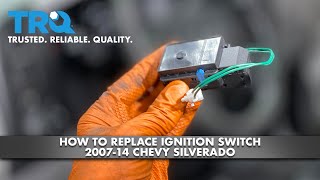

The information in this article is provided for general reference and educational purposes only. Vehicle specifications, procedures, and part compatibility can vary by production date, trim level, and region. Always consult your vehicle's factory service manual and verify part numbers before purchasing or performing repairs. Safety-critical components such as airbags, seat belts, and braking systems should be installed by a qualified professional.
- 🎬 Helpful Videos
- What Does B1555 Mean?
- Can I Drive With B1555?
- Common Causes
- Symptoms
- Diagnostic Flowchart
- Common Fixes & Costs
- DIY vs Professional
- Used vs. New Parts: Buying Guide
- What Happens If You Wait — Timeline
- Cost of Not Fixing It
- Diagnosis Steps
- When This Code Triggers (Freeze-Frame Conditions)
- Related Codes
- Climate & Environmental Factors
- How to Talk to a Mechanic About This Code
- Where to Take It: Dealer vs Independent vs Chain
- When to Walk Away From the Repair
- What Scan Tool You Need for This Code
- How to Clear the Code After You Fix It
- Will This Fail Emissions / State Inspection?
- Most Commonly Affected Vehicles
- Manufacturer-Specific Notes
- Real Owner Stories
- 2010 Jeep Grand Cherokee with intermittent no-start
- 2020 Ford Explorer with false anti-theft alarms
- 1996 Chevrolet K1500 stalling while driving
- How to Prevent This Code From Triggering
- Frequently Asked Questions
- What are the most common misdiagnosis mistakes for code B1555?
- Can B1555 trigger the anti-theft light?
- My car starts fine, but I still have the B1555 code. Why?
- My remote start stopped working and I have a B1555 code. Are they related?
- Can a bad battery cause a B1555 code?
- Is it expensive to fix code B1555?
- Can I fix a B1555 code myself?
- Will clearing the code fix the problem?
- Key Takeaways
- 🎟️ Get 5% Off