

B1517 on 2007-2011 GMC Sierra: Battery Voltage Code, Cold Start & Charging System Explained
On a 2007-2011 GMC Sierra, code B1517 with a "Service Charging System" message is often a normal characteristic during a cold start on diesel models, per GM TSB PIT4813F. No repairs are needed if it disappears after warming up. If the code persists, it indicates a genuine electrical problem, most commonly a weak battery, failing alternator, poor ground connection (especially the firewall-to-engine strap), or a damaged battery current sensor wire on the negative terminal.
- For 2007-2011 Sierra models with a diesel engine, B1517 on a cold start is likely normal and should be ignored if it resolves after a few minutes.
- If the code persists when the engine is warm, the most common culprits are a bad battery, a failing alternator, or poor cable connections.
- Always start diagnosis by cleaning and tightening all battery and ground connections before replacing expensive parts.
- A professional scan tool can read symptom bytes (like '03' or '5A') which provide more specific diagnostic information.
What's Unique About the 2007-2011 Gmc SIERRA
The GMT900 platform (2007-2014 Sierra/Silverado) utilizes a Regulated Voltage Control (RVC) system to improve fuel economy. This system uses a battery current sensor on the negative battery cable to monitor the battery's state of charge and can vary the alternator's output between approximately 12.6V and 15.5V. This fluctuation is normal but can make diagnostics confusing. 🎬 See how the battery current sensor causes normal voltage fluctuations. On diesel models, the RVC system's normal operation is compounded by high-current draws during cold starts from the intake air heater and glow plugs, which can exceed the alternator's output at idle, intentionally triggering the B1517 code as a normal characteristic.
Diagnostic Flowchart
Tap your situation to follow the diagnostic path that matches what you're seeing on this vehicle.
Symptoms You May Notice
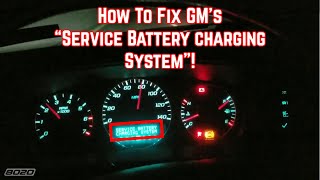
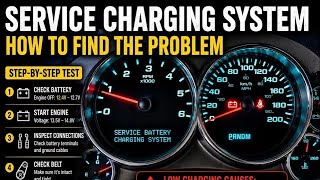
- "Service Charging System" message on the Driver Information Center (DIC)
- Low reading on the dashboard voltage gauge, especially after a cold start
- Charging system warning light illuminated on the instrument panel
- Dimming or flickering lights
- Slow engine cranking
- Intermittent stalling
- Multiple random warning lights (ABS, Stabilitrak) due to low system voltage
- Replacing the alternator or battery when the code is only present during a cold start on a diesel model. TSB PIT4813F clearly states this is normal and requires no repair.
Most Likely Causes
- Normal Cold Start Operation (Diesel Engines) 🔴 High Probability Per TSB PIT4813F, the combined current draw from the intake air heater (up to 130 amps) and glow plugs (up to 110 amps) during a cold start (ECT below 40°C/100°F) can exceed the alternator's output at idle, causing a temporary voltage drop. This is by design.
How to confirm: The symptom (low voltage reading/message) appears only for the first several minutes after a cold engine start and then resolves on its own as the engine warms up and the heaters cycle off. No other symptoms are present. The voltage returns to 13.7V+ after a few minutes.
Typical fix: No repair should be performed. This is considered a normal characteristic of the vehicle. The dealer is instructed to communicate this to the customer.
Est. part cost: $0 - Aging or Defective Battery 🔴 High Probability Batteries are a consumable item with a finite lifespan of 3-5 years. The RVC system can be sensitive, and a battery that is even slightly weak may fail a load test or not hold sufficient charge, triggering the code.
How to confirm: Test the battery's static voltage with a multimeter (should be ~12.4-12.6V). More definitively, use a battery load tester or conductance tester to check its health. Many auto parts stores offer this service for free. A load test should not drop below 9.6V.
Typical fix: Replace the battery.
Est. part cost: $150-$350 - Loose or Corroded Battery Cables/Grounds 🟡 Medium Probability Vibration and exposure to the elements can lead to loose or corroded connections. Known GMT900 weak points include the main ground strap from the firewall to the back of the engine block, which can corrode and break, and the main engine ground on the front of the cylinder head (G103/G104).
How to confirm: Visually inspect all battery cable ends, terminals, and main ground straps for corrosion or looseness. Specifically check the braided strap from the passenger side firewall to the engine. Perform a voltage drop test across the cables to check for high resistance; a good ground should have a resistance under 0.2 ohms.
Typical fix: Clean the terminals and cable ends with a wire brush. Tighten all connections. Replace cables if corrosion is severe, especially the firewall-to-engine ground strap.
Est. part cost: $5-$150 - Damaged Battery Current Sensor/Wire 🟡 Medium Probability The RVC system relies on a current sensor on the negative battery cable. A small wire running to this sensor can become loose, damaged, or dislodged, especially after a battery replacement. This causes the BCM to receive incorrect data and can set a B1517.
How to confirm: Inspect the negative battery terminal. Look for a small black wire that is part of the terminal assembly. Ensure it is securely connected and not loose, rotated, or pulled out of the terminal. GM issued TSB PIC6439 specifically for this issue.
Typical fix: Resecure or repair the small wire's connection to the negative battery terminal. If the terminal or sensor is damaged, the entire negative battery cable assembly may need to be replaced. OEM Part ACDelco 22846471 is a common replacement.
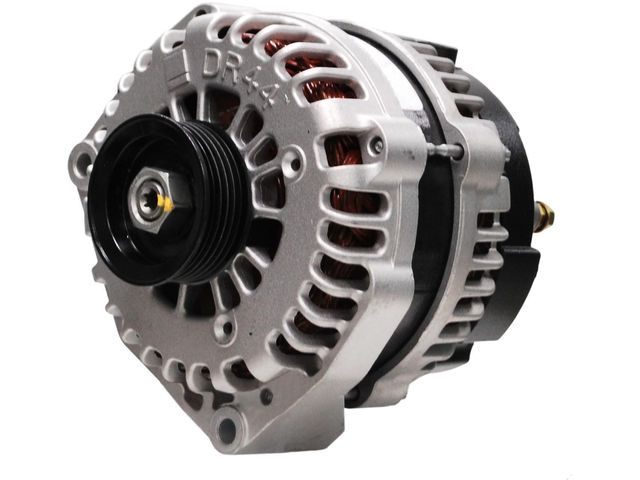
Est. part cost: $5-$100 - Failing Alternator 🟡 Medium Probability The alternator recharges the battery and powers the vehicle's electronics. While durable, they can fail over time. The RVC system can sometimes mask a slowly failing alternator until it fails more completely.
How to confirm: With the engine running and warmed up (to exit the cold-start diesel mode), test the voltage at the battery terminals. A healthy alternator should produce between 13.2 and 14.8 volts (though RVC can vary this). A reading near battery voltage (~12.5V) or lower indicates a failed alternator.
Typical fix: Replace the alternator. Common ACDelco OEM part numbers include 22817848 and 335-1196 depending on amperage.
Est. part cost: $200-$500
Rare But Worth Checking
- BCM Software Calibration Issue: On some GM vehicles, like the Express/Savana vans which share architecture with the Sierra, a sensitive BCM calibration was the root cause for B1517 on cold starts, requiring a software update from a dealer per TSB PIT5289A. While the primary TSB for the Sierra points to normal operation, this remains a fringe possibility if all hardware checks out.
Diagnosis Steps
- Note the conditions when the code appears. Does it only happen for a few minutes after a cold start (engine temp below 100°F/40°C) and then go away? If so, and you have a 6.6L diesel engine, consider it normal per TSB PIT4813F and take no action.
- If the code persists when the engine is warm, or you have a gas engine, proceed with diagnosis.
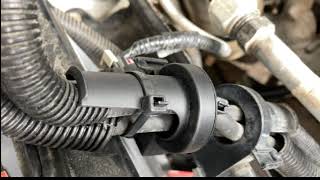
- Visually inspect the battery terminals. Pay special attention to the small black wire for the battery current sensor on the negative terminal clamp. Ensure it is secure and not damaged, per TSB PIC6439.
- Inspect all main ground connections. Check the negative cable's connection to the chassis, the engine block ground (front of cylinder head), and especially the braided ground strap from the firewall to the back of the engine block. 🎬 Watch this guide to fixing common GM truck ground issues.
- Clean and tighten all connections, ensuring they are free of corrosion.
- With the engine off, test the battery's state of charge with a multimeter. A reading below 12.4V indicates a discharged or weak battery. For a conclusive test, use a digital battery conductance tester.
- Start the engine and let it warm up. Measure the voltage at the battery terminals. The reading should be between 13.2V and 14.8V (though it can fluctuate with the RVC system). If the voltage is consistently low (under 13.5V) or not increasing from the static battery voltage, the alternator is likely faulty.
- If the battery and alternator test good, and grounds are clean, consider a parasitic draw test to see if a module is draining the battery when the vehicle is off.
Parts You'll Likely Need
- Battery — If the code is not a temporary cold-start issue, the most common hardware failure is an old battery that can no longer hold a sufficient charge.
Trusted brands: ACDelco, Interstate, DieHard
OEM price range: $200-$350
Aftermarket price range: $150-$250 - Alternator
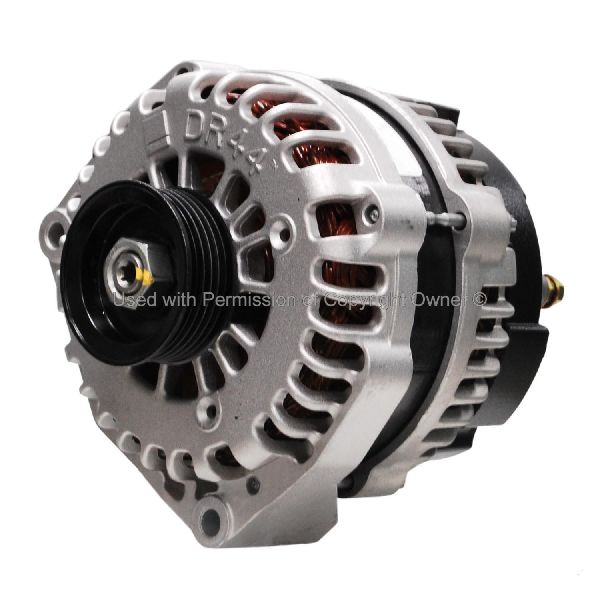
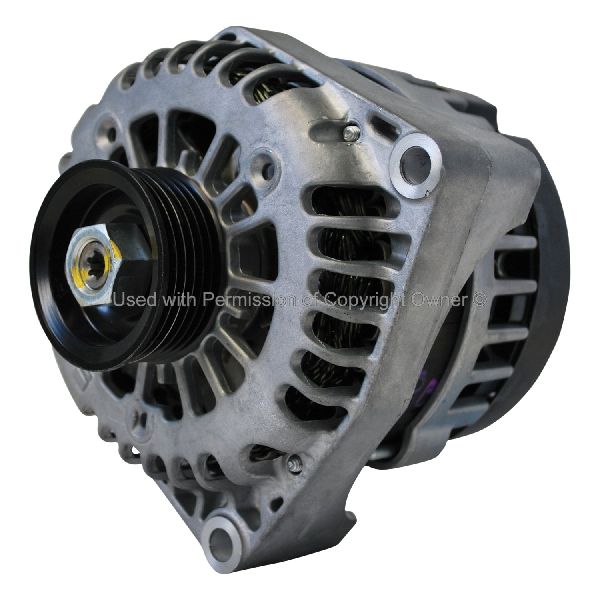
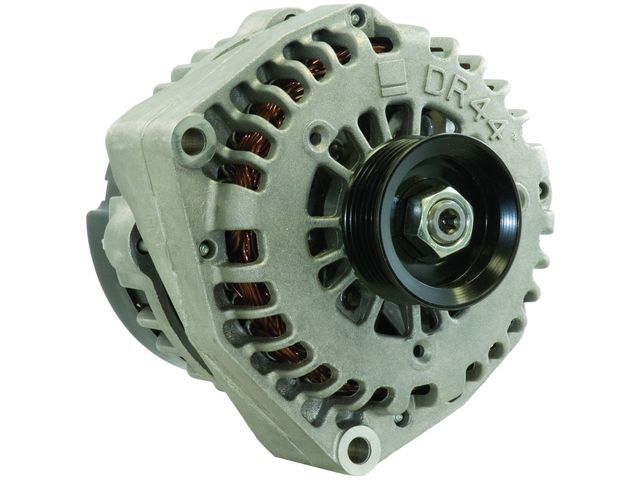
(OEM #ACDelco 22817848 (120A), ACDelco 335-1196 (145A), ACDelco W0133-2047575 (160A))— The second most likely hardware failure is an alternator that is no longer charging the battery and powering the vehicle's electrical system correctly.
Trusted brands: ACDelco, Bosch, Denso
OEM price range: $350-$550
Aftermarket price range: $200-$400 - Negative Battery Cable
(OEM #ACDelco 22846471)— Corroded or damaged battery cables create high resistance. This specific cable assembly includes the battery current sensor, which can be damaged during battery service, necessitating replacement of the whole cable.
Trusted brands: ACDelco, Standard Motor Products
OEM price range: $70-$120
Aftermarket price range: $40-$80
Technical Service Bulletins (TSBs) & Recalls
- PIT4813C / D / E / F: States that a low voltage reading and B1517 code on cold start for diesel models is a normal characteristic due to high current draw from the intake air heater and glow plugs, and no repairs should be made.
- PIC6439: A diagnostic tip highlighting that a loose or damaged small black wire for the current sensor on the negative battery terminal is a common cause for B1517, often occurring after a battery replacement.
- PIT5289A: Pertains to Express/Savana vans but is relevant due to shared architecture. Recommends a BCM software update to fix B1517 on cold starts, showing a precedent for a calibration fix on some GM platforms.
Platform-Specific Known Issues
- Normal Cold Start on 6.6L Duramax: On 6.6L Duramax diesel models, a "Service Charging System" message and B1517 code during a cold start is considered normal operation by GM and does not require a fix, as documented in TSB PIT4813F and its revisions.
- Regulated Voltage Control (RVC) System: All GMT900 trucks use an RVC system that actively manages alternator output to save fuel, causing voltage to fluctuate between ~12.9V and 15.5V, which is normal. This system has several operating modes (Charge, Fuel Economy, Voltage Reduction) based on battery state of charge, ambient temperature, and electrical load.
Mechanic-Grade Diagnostic Values
- Regulated Voltage Control (RVC) System Voltage — expected: Fluctuates between ~12.9V and 15.5V depending on mode. After a start, it targets 14.5V for 30 seconds. Headlights on will target 14.5V. A healthy, warmed-up system often sits between 13.2V and 14.8V.. Failure: Voltage consistently at or below battery static voltage (~12.6V) when running, or voltage that does not respond to increased electrical loads.
- Alternator L-Terminal Signal (Control) — expected: A 5-volt PWM signal at 128 Hz, with a duty cycle between 10% and 90%. Higher duty cycle commands higher voltage. If this circuit is open, the alternator defaults to a 13.8V output.. Failure: No signal or a signal outside the expected duty cycle range, which can be viewed with an oscilloscope or advanced scan tool.
- Duramax Diesel Cold Start Current Draw — expected: Intake Air Heater: up to 130 amps. Glow Plugs: up to 110 amps. This combined load can exceed the alternator's output at idle.. Failure: This is normal operation, not a failure indicator. The high draw is expected when ECT is below 100°F / 40°C.
- Ground Cable Resistance — expected: Under 0.2 ohms from the terminal end to the chassis/engine block.. Failure: Higher resistance reading indicates corrosion or a poor connection, requiring cleaning or replacement of the cable.
Hidden / Shadow Codes Worth Checking
- B1517 sym 03: This is the most common symptom byte seen with B1517, specifically indicating 'Battery Voltage Below Threshold'. It confirms the BCM has detected a low voltage condition, rather than a high voltage or circuit fault. (see via Most professional-grade scan tools will display the symptom byte along with the main DTC. A basic code reader may only show B1517.)
Scan Tool Commands That Help
- GDS2 / Tech2 / Professional Scan Tool: Alternator Test / Charging System Test — After verifying the battery is healthy, this bidirectional test allows the technician to command the alternator to different output levels. This can confirm if the alternator is capable of charging correctly and responding to commands from the BCM/PCM, helping to isolate the fault between the alternator itself or the control circuit.
Wiring & Ground Locations
- G103 / G104 — On the front of the cylinder heads. G103 is typically on the right (passenger) side near the thermostat housing on V8 gas engines. G104 is on the rear of the left (driver) side cylinder head. These are primary engine-to-harness grounds.. A poor connection at these points can cause erratic sensor readings and affect how the ECM/BCM perceives system voltage and engine performance, potentially contributing to charging system faults.
- Firewall to Engine Block Ground Strap — A braided ground strap typically running from the passenger side firewall to a bolt on the rear of the passenger side cylinder head.. This is a critical body-to-engine ground. It is notoriously prone to corrosion and breaking. A failure here forces electrical current through smaller paths, causing widespread issues including charging system warnings, dim lights, and low voltage readings.
- Alternator 2-Pin Connector — The electrical connector on the alternator's voltage regulator.. This connector contains the L-Terminal (turn-on signal) and F-Terminal (field duty cycle). A loose or corroded connection here will prevent the BCM from controlling the alternator, causing it to either not charge or default to a fixed 13.8V output.
- Battery Current Sensor Connector — A small wire integrated into the negative battery terminal assembly.. This sensor provides critical battery state-of-charge information to the RVC system. If the wire is loose or damaged (common after battery replacement), the system receives incorrect data and may set a B1517 code.
Real Owner Repair Stories
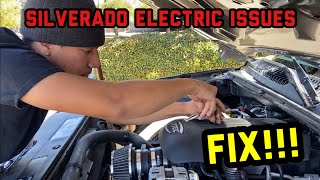
- YouTube user comment section, video by 'GM Truck Electrical & Ground Issues FIX!!!' (2007-2013 GM Truck (GMT900 platform)) — ABS light, check engine light, battery light, low voltage reading at all times, slow power windows.
❌ Tried (didn't work) Not specified, but the user was chasing multiple electrical gremlins.
✅ What actually fixed it Replacing the broken braided ground strap that connects the chassis (firewall) to the back of the engine block. The original was visibly burnt off at the engine block connection point.
OEM Part Supersession History
Not specified→ACDelco 22846471— Standard part lifecycle replacement for the negative battery cable assembly which includes the battery current sensor.
Heads up: This part number is listed as discontinued by some vendors but still available through others as of early 2026. It is critical to ensure the replacement cable includes the integrated battery current sensor for the RVC system to function.
Helpful Videos
Used OEM Parts in Stock


New Aftermarket Parts Available


The information in this article is provided for general reference and educational purposes only. Vehicle specifications, procedures, and part compatibility can vary by production date, trim level, and region. Always consult your vehicle's factory service manual and verify part numbers before purchasing or performing repairs. Safety-critical components such as airbags, seat belts, and braking systems should be installed by a qualified professional.
- Gmc SIERRA:
- 🎬 Helpful Videos
- 🛍️ Shop This Part
- What's Unique About the 2007-2011 Gmc SIERRA
- Diagnostic Flowchart
- Symptoms You May Notice
- Most Likely Causes
- Rare But Worth Checking
- Diagnosis Steps
- Parts You'll Likely Need
- Technical Service Bulletins (TSBs) & Recalls
- Platform-Specific Known Issues
- Mechanic-Grade Diagnostic Values
- Hidden / Shadow Codes Worth Checking
- Scan Tool Commands That Help
- Wiring & Ground Locations
- Real Owner Repair Stories
- OEM Part Supersession History
- 🎟️ Get 5% Off