

B1517 on 2007-2011 GMC Savana: Causes for Battery Voltage Low Code
On a 2007-2011 GMC Savana, code B1517 is most often caused by a software glitch in the Body Control Module (BCM), leading to false low voltage warnings after a cold start. The primary fix is a BCM software update from a GM dealer, not necessarily a new battery or alternator. This issue is documented in GM TSB PIT5289.
- Code B1517 on a 2007-2011 GMC Savana is most likely a software issue, not a hardware failure.
- Before replacing any parts, confirm if the low voltage warning only happens on cold starts, as this points to the BCM calibration issue described in TSB PIT5289.
- Always have the battery and alternator professionally tested to rule out a genuine electrical fault before proceeding with the BCM reflash.
- The definitive fix for the software issue is a BCM reprogram, which must be done at a GM dealership or a qualified independent shop with the correct tools.
What's Unique About the 2007-2011 Gmc SAVANA
The GMC Savana and its direct sibling, the Chevrolet Express, are prone to this specific software issue. General Motors issued Technical Service Bulletin (TSB) PIT5289, which directly addresses this false warning scenario for 2007-2014 models. Unlike many other vehicles where B1517 would immediately point to a failing battery or alternator, on these vans, the first suspect should be the BCM's software calibration, especially if the symptoms only appear on a cold start and resolve after a few minutes of driving. These vans utilize a Regulated Voltage Control (RVC) system where the BCM actively manages the alternator's output, causing voltage to fluctuate between 12V and 15.5V, which is normal operation.
Diagnostic Flowchart
Tap your situation to follow the diagnostic path that matches what you're seeing on this vehicle.
Symptoms You May Notice
- "Service Charging System" message on the Driver Information Center (DIC).
- Low voltage reading on the dashboard gauge, particularly after a cold start, which then normalizes after several minutes of operation.
- Charging system light may illuminate on the instrument panel.
- The issue is most prevalent on the first start of the day in cold weather.
- Replacing the alternator or battery when the actual issue is the BCM software calibration. This is a common mistake that leads to unnecessary expense, as the symptoms will persist until the BCM is updated.
Most Likely Causes
- Body Control Module (BCM) Software Calibration 🔴 High Probability A known issue documented by GM in TSB #PIT5289 specifically for this platform. The BCM's sensitivity to initial voltage drops during cold starts is too high in the original software.
How to confirm: Confirm that the symptoms (low voltage warning) primarily occur within the first few minutes of a cold start and then normalize. A GM dealer can verify if the BCM has the latest calibration by checking against the available updates in their Service Programming System (SPS).
Typical fix: Reprogram the Body Control Module with the updated software calibration provided by GM. This is a dealer or specialized shop service that requires contacting GM's Techline for a VCI number.
Est. part cost: $0 - Weak or Failing Battery 🟡 Medium Probability Standard wear and tear. A battery with reduced cold-cranking amps or failing cells will cause a genuine low voltage condition that can trigger this code. These large vans often have high electrical demands, stressing the battery over time.
How to confirm: Perform a professional battery test using a digital conductance tester or a carbon pile load tester. 🎬 Watch: How to test your alternator and replace the battery. A simple voltage check with a multimeter is not sufficient to determine battery health, as a failing battery can still show 12.6V at rest but collapse under load.
Typical fix: Replace the vehicle's battery. Common group sizes for the Savana include 34, 75, 78, and 94R.
Est. part cost: $150-$350 - Failing Alternator ⚪ Low Probability
How to confirm: With the engine running, test the voltage at the battery terminals. A healthy alternator in the Savana's Regulated Voltage Control system should maintain a voltage that fluctuates, but is generally between 13.5 and 14.8 volts (and can go up to 15.5V in some modes). If the voltage is consistently low (below 13.2V) and does not increase from the battery's resting voltage, the alternator is suspect. Many auto parts stores can test an alternator for free.
Typical fix: Replace the alternator.
Est. part cost: $200-$450
Rare But Worth Checking
- Loose or Corroded Battery Cables/Terminals: A GM Preliminary Information bulletin (PIC6439) for other models highlights that a loose or damaged small black wire on the negative battery terminal can cause a B1517 code, often after a battery replacement. Always check for clean, tight connections first. This wire is for the battery current sensor.
- Poor Ground Connections: A corroded or loose ground strap between the engine/body and the chassis can create high resistance, leading to various electrical issues, including low voltage warnings. On the Savana, a key ground point for the BCM is G302, located behind the left kick panel.
- Faulty Battery Current Sensor: This 3-wire hall effect sensor is attached to the negative battery cable and reports current flow to the BCM as a 128Hz PWM signal. If it provides inaccurate data, the BCM may misinterpret the battery's state of charge and trigger a B1517 code or a "Service Battery Charging System" message.
Diagnosis Steps
- Verify the symptoms. Does the "Service Charging System" message only appear for a few minutes after a cold start and then go away? If yes, the BCM calibration is the primary suspect per TSB PIT5289.
- Visually inspect the battery terminals and cables for corrosion, damage, or looseness. Pay special attention to the small wire and connector for the Battery Current Sensor on the negative battery cable, which is a known point of failure after battery service.
- Perform a professional load test on the battery to confirm its health. A weak battery must be replaced before further diagnosis.
- With the engine running, use a multimeter to check the charging system voltage at the battery terminals. It should be stable and typically between 13.5V and 14.8V, though it can fluctuate due to the RVC system. If voltage is consistently below 13.2V, investigate the alternator.
- If the battery and charging system test good, and the symptoms match the TSB, the vehicle requires the BCM software update. This must be performed by a GM dealer or a repair shop with a subscription to GM's Service Programming System (SPS).
- If the BCM update does not resolve the issue or symptoms are not isolated to cold starts, further diagnosis of the charging system wiring, grounds (especially G302), and the battery current sensor is required.
Parts You'll Likely Need
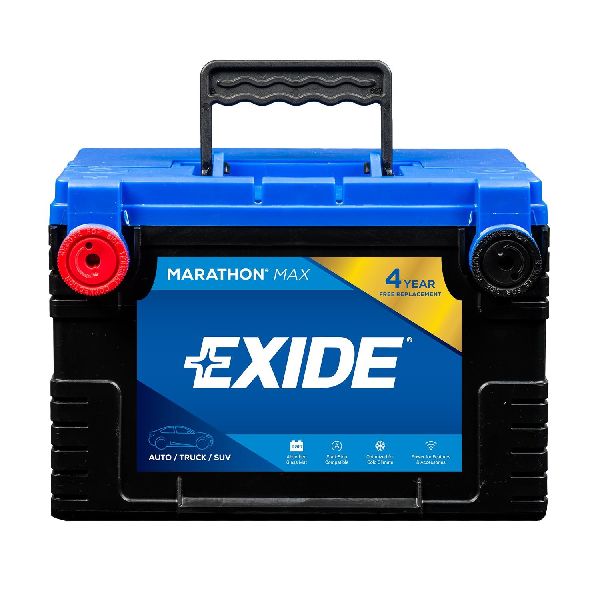
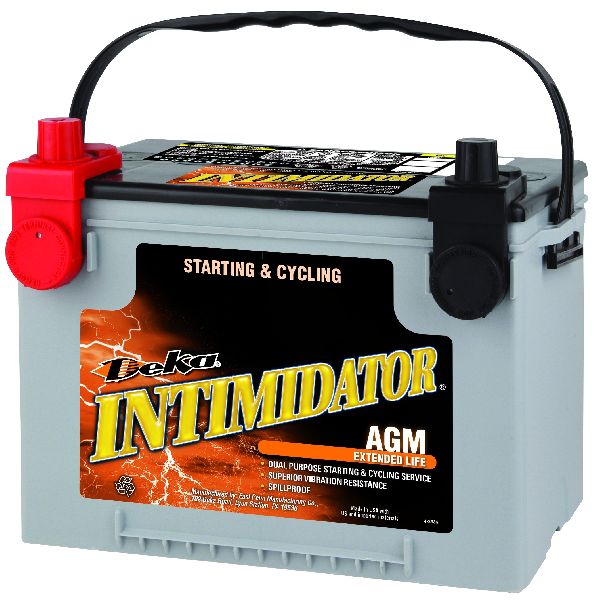
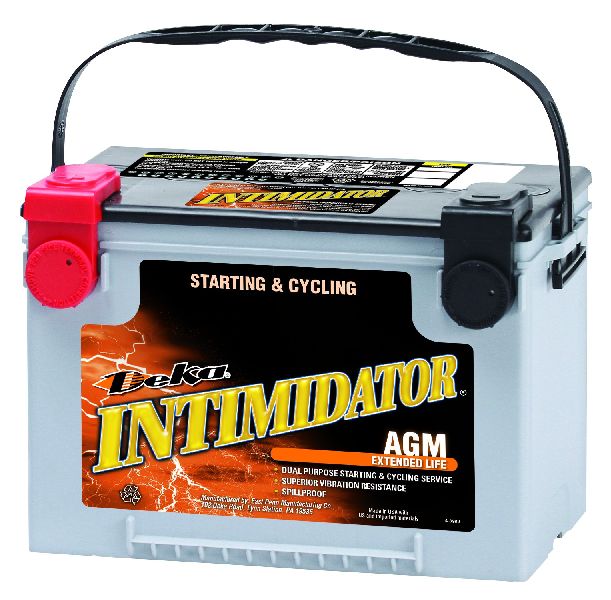
- Battery
(OEM #88865934 (ACDelco Gold 94R))— If the battery fails a load test, it is the cause of the genuine low voltage and must be replaced. Common BCI group sizes include 94R, 34, 75, and 78.
Trusted brands: ACDelco, Interstate, DieHard, Duralast
OEM price range: $200-$350
Aftermarket price range: $150-$300
Technical Service Bulletins (TSBs) & Recalls
- PIT5289: Addresses a "Service Charging System" message or low voltage reading on the gauge after a cold start, which may set a B1517 code. The fix is a BCM calibration update.
- PIT5289A: A superseding bulletin for 2012-2014 diesel models with the same issue and recommended BCM calibration update.
Platform-Specific Known Issues
- TSB PIT5289 specifically calls out that 2007-2014 Savana models may exhibit a "Service Charging System" message and set a B1517 code due to a BCM calibration issue, which can be resolved with a software update.
- A related TSB, PIT5289A, superseded the original for 2012-2014 models with the 6.6L diesel engine, indicating the same fix.
- For diesel models, high electrical loads from the intake air heater (up to 130 amps) and glow plugs (up to 110 amps) on a cold start can exceed the generator's output, causing a temporary low voltage warning that is considered normal operation and may not require a repair.
Mechanic-Grade Diagnostic Values
- Normal Charging Voltage (Engine Running) — expected: Fluctuates between 12.5V and 15.5V depending on the mode. A common range is 13.5V to 14.8V.. Failure: Consistently below 13.2V when the engine is running.
- Generator Field Control Circuit (at ECM) — expected: 5-volt Pulse Width Modulated (PWM) signal at 128 Hz, with a duty cycle between 5-95%.. Failure: Duty cycle between 0-5% or 95-100% indicates a fault condition.
- Generator Default Output (Field Control Circuit Failure) — expected: 13.8 volts.. Failure: If the generator is producing 13.8V consistently, it may indicate a loss of communication or control from the ECM/BCM.
- Scan Tool BCM Voltage vs. Actual Battery Voltage — expected: The scan tool's BCM voltage parameter should not differ from the voltage measured at the battery terminals by more than 2 volts.. Failure: A difference greater than 2 volts suggests high resistance in the BCM's power or ground circuits.
- Battery Current Sensor Signal — expected: A 5-volt PWM signal at 128 Hz with a duty cycle between 5-95%.. Failure: A duty cycle of 0-5% or 95-100% is used for diagnostic purposes and indicates a fault.
Hidden / Shadow Codes Worth Checking
- B1517 SYM 03: The symptom byte '03' specifically means 'Battery Voltage Below Threshold'. This is the exact code cited in TSB PIT5289 for this cold start issue. (see via A professional scan tool like the GM GDS2 or Tech2 is required to view symptom bytes. Basic OBD-II readers will typically only show the main B1517 code.)
- B1517 5A: The symptom byte '5A' means 'Battery Voltage Plausibility Failure'. This can be set if the BCM's internal battery sense circuits differ by more than 2 volts, or if there's an issue with the battery current sensor input, such as a loose wire after a battery replacement. (see via A professional GM-compatible scan tool is needed to read symptom bytes.)
Scan Tool Commands That Help
- GDS2 / Tech2: BCM Reprogramming with SPS (Service Programming System) — This is the specific function required to perform the software update outlined in TSB PIT5289. It involves obtaining a VCI number from GM's Techline Customer Support Center and reflashing the BCM with the new calibration.
- GDS2 / Tech2: Charging System Data Display — Use this to monitor live data PIDs such as 'BCM Battery Voltage', 'Generator Field Duty Cycle', and 'Battery State of Charge'. This allows a technician to observe the Regulated Voltage Control system's behavior in real-time to determine if it's operating within expected parameters across different modes (e.g., Charge Mode, Fuel Economy Mode).
Wiring & Ground Locations
- Body Control Module (BCM) — Located inside the passenger cabin, behind the lower right side of the dashboard.. The BCM is the module that sets code B1517. It monitors system voltage and controls the alternator via the Regulated Voltage Control (RVC) system. The software glitch causing the false code resides within the BCM.
- G302 — A major body ground point located behind the left (driver's side) kick panel.. The BCM relies on this ground connection. A poor connection at G302 can cause erratic BCM behavior and voltage-related fault codes like B1517.
- G103 — Engine block ground. On V8 gas engines (4.8L/5.3L/6.0L), it's on the right rear of the engine. On the 6.6L diesel, it's on the left front lower side of the engine block.. A poor engine-to-chassis ground can cause charging system performance issues and voltage discrepancies that may trigger B1517.
- Battery Current Sensor Connector — A 3-wire connector attached to the sensor that is clamped around the negative battery cable.. This connector provides the BCM with the battery current flow signal. Damage to this connector or its wiring, often occurring during a battery replacement, can cause a B1517 5A code.
Model Year Variations Within This Range
- 2007+: These models use a Regulated Voltage Control (RVC) system, where the BCM actively controls alternator output. This is different from older, non-regulated systems. The voltmeter on the dash will fluctuate between ~12V and ~15V, which is normal and not a sign of failure.
- 2012-2014 (Diesel): TSB PIT5289A superseded the original TSB for these specific models with the 6.6L diesel engine, but the cause (BCM calibration) and fix (reprogram) remain the same.
Helpful Videos



We Have This Part in Stock


The information in this article is provided for general reference and educational purposes only. Vehicle specifications, procedures, and part compatibility can vary by production date, trim level, and region. Always consult your vehicle's factory service manual and verify part numbers before purchasing or performing repairs. Safety-critical components such as airbags, seat belts, and braking systems should be installed by a qualified professional.
- Gmc SAVANA:
- 🎬 Helpful Videos
- 🛍️ Shop This Part
- What's Unique About the 2007-2011 Gmc SAVANA
- Diagnostic Flowchart
- Symptoms You May Notice
- Most Likely Causes
- Rare But Worth Checking
- Diagnosis Steps
- Parts You'll Likely Need
- Technical Service Bulletins (TSBs) & Recalls
- Platform-Specific Known Issues
- Mechanic-Grade Diagnostic Values
- Hidden / Shadow Codes Worth Checking
- Scan Tool Commands That Help
- Wiring & Ground Locations
- Model Year Variations Within This Range
- 🎟️ Get 5% Off